
Your shoulders are tight. Your mind is still running through the workday at 9 pm. You want to unwind, but scrolling your phone or having a glass of wine just leaves you feeling worse the next morning.
The good news is that one of the most effective tools for natural stress relief is also one of the simplest: a well-chosen cup of tea.
The best teas for stress have been used for centuries to calm the nervous system, bring cortisol down, and help the body shift out of survival mode.
This guide covers the 10 most researched options, what the science says about each, how to use them, and which ones work best for different stress patterns.
How Tea Actually Supports the Stress Response
Different teas work through different pathways, which is why matching the right tea to your symptoms matters more than just picking whatever is in your cupboard.
Here are the key compounds behind how these teas work:
- L-Theanine found in green and white tea, promotes a calm, focused state without making you drowsy. It raises the kind of brain activity associated with relaxed alertness.
- Apigenin, the active compound in chamomile, binds to the same receptors in the brain that anti-anxiety medications target, producing a gentle calming effect.
- Adaptogens are plant compounds found in herbs like ashwagandha, rhodiola, and holy basil that help your body handle stress more efficiently over time by regulating cortisol output.
- Rosmarinic acid found in lemon balm and peppermint, this compound slows the breakdown of your brain's natural calming chemical, so it stays active longer.
Understanding what your stress actually feels like, whether that is racing thoughts, physical tension, poor sleep, or that flat exhausted feeling, helps you pick the right option.
What Each Tea Actually Does
1. Chamomile Tea
Chamomile is one of the most widely used stress relief teas in the world, and the research genuinely backs its reputation.
Its active compound, Apigenin, binds to the same brain receptors targeted by anti-anxiety medications, producing a gentle calming effect without making you drowsy at typical doses.
A randomized controlled trial found that long-term chamomile use significantly reduced anxiety symptoms. People who stopped taking it were more likely to relapse, which suggests the benefits build with regular use rather than appearing all at once.
Chamomile works best as an evening wind-down tea. Brew covered for 5 to 10 minutes to keep the beneficial compounds in the cup, and drink 30 to 45 minutes before bed.
2. Ashwagandha Tea
Ashwagandha is one of the most well-studied plants for cortisol reduction. It is technically an adaptogenic herb, but it is increasingly available as a tea or blended tea option.
Research shows that ashwagandha consistently reduced cortisol levels and stress markers compared to placebo, with improvements in anxiety, fatigue, and sleep quality across different dosages.
Ashwagandha has an earthy, slightly bitter taste, so most people prefer blends that pair it with warming spices like cinnamon and ginger. Consistency matters more than dose. The effects build over four to eight weeks of daily use.
3. Green Tea
Green tea is different from most other options on this list because it calms without sedating. That comes from a combination of L-Theanine and a moderate amount of caffeine working together.
You get focused and calm at the same time, which makes it particularly useful for managing stress during the day.
Research from Harvard's nutrition department highlights that L-Theanine promotes a relaxed, alert mental state, making green tea one of the better options when you need to stay sharp but the pressure is getting to you.
Brew at 70 to 80 degrees rather than boiling water. Boiling water makes it bitter and reduces the L-Theanine that makes it effective.
4. Lemon Balm Tea
Lemon balm is a lemon-scented herb in the mint family with strong evidence for anxiety relief and mood support. It works by slowing the breakdown of your brain's main calming chemical, so the calming signal lasts longer than it otherwise would.
It can reduce anxiety and improve mood within hours of a single cup. It also helps with sleep onset, making it useful if your stress pattern involves not being able to switch off in the evening.
For a particularly effective evening blend, combine lemon balm with chamomile. They work more seamlessly together, enhancing each other’s calming effects.
5. Lavender Tea
Lavender has well-established calming properties, both through scent and when consumed as a tea.
Its active compounds help reduce the physical side of stress, including elevated heart rate and the kind of tension that builds up in your chest and shoulders.
Use dried lavender flowers rather than culinary lavender oil. Lavender gets overwhelming fast if brewed too long, so steep for just two to three minutes.
6. Passionflower Tea
Passionflower is less well known but impressively effective for stress and anxiety. It raises the level of your brain's natural calming chemical, producing a noticeable sense of quiet that has been compared to mild pharmaceutical anxiolytics in smaller studies.
Passionflower has a mild, slightly grassy flavor. It blends well with valerian root for stronger sleep support, or with lemon balm if daytime anxiety is the main issue.
7. Valerian Root Tea
Valerian root is one of the most studied herbs for stress-related sleep problems. It works on the same calming pathways in the brain as passionflower, producing sedative effects that are helpful when stress is keeping you awake.
Valerian root has a strong, earthy smell that many people find unpleasant. Blending it with peppermint or chamomile helps considerably. Best used as a sleep tea, not a daytime option.
Allow two to four weeks of consistent use to see the strongest effects. Occasional use still helps, just more mildly.
8. Holy Basil (Tulsi) Tea
Holy basil, also known as Tulsi, is an adaptogen with a long history in traditional medicine for managing stress and supporting mental clarity.
It helps regulate cortisol over time and has anti-inflammatory properties that address some of the downstream effects of chronic stress on the body.
Regular tulsi consumption has been associated with improvements in cognitive function, mood, and energy in people under chronic stress.
Its mechanism is similar to ashwagandha, making it a good alternative for those who find ashwagandha's taste too intense.
Tulsi has a warm, slightly peppery, clove-like flavor. Pleasant enough to drink daily on its own, and combines well with ginger or cinnamon.
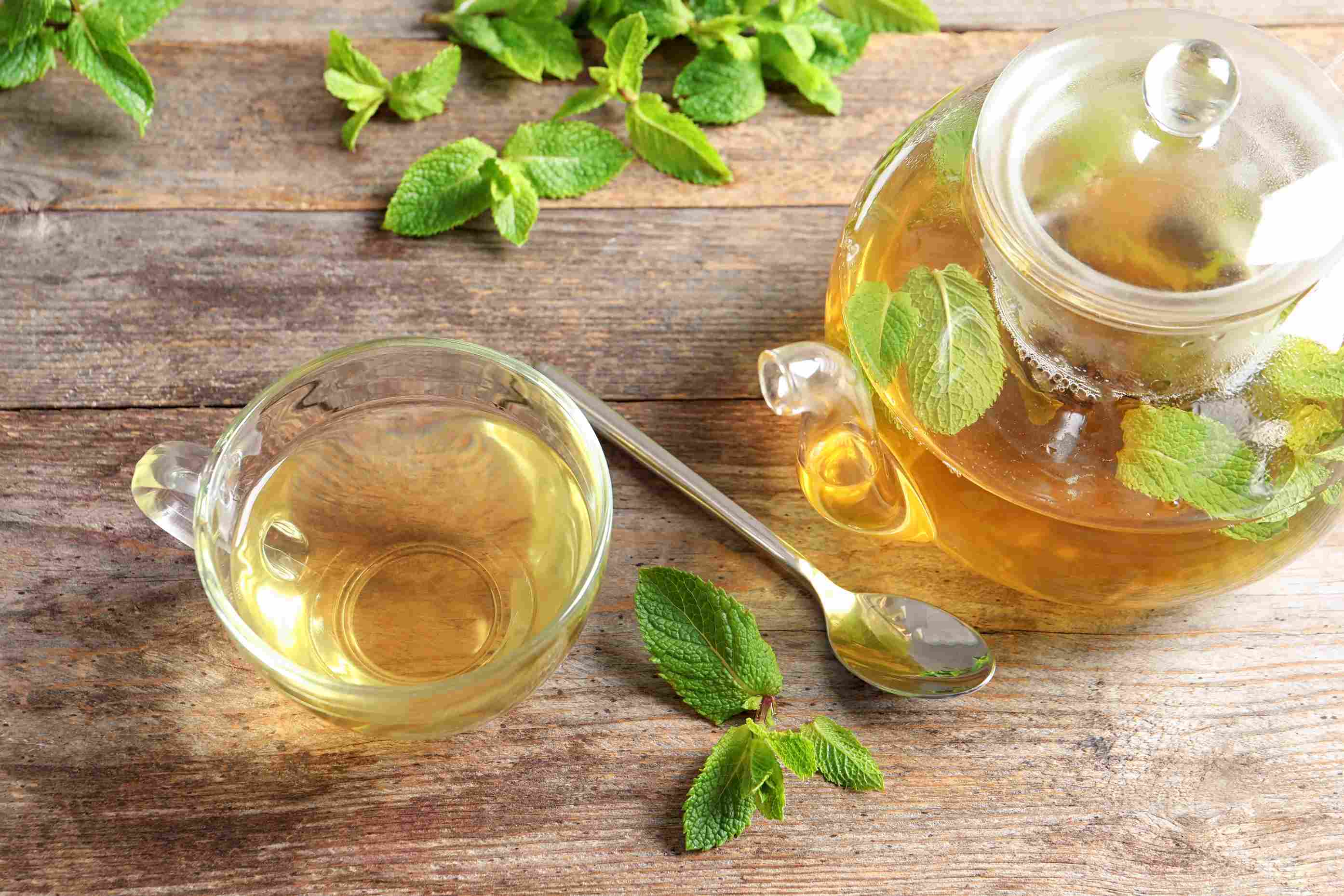
9. Peppermint Tea
Peppermint works on stress through a different route than most other teas. Its primary effect is physical.
The menthol in peppermint activates cooling receptors in the body and directly reduces muscle tension, which is where a lot of people carry stress most noticeably.
It also improves alertness and reduces mental fatigue, making it one of the better options for afternoon slumps. It is caffeine-free, so it does not add to the cortisol spike that coffee can trigger when you are already under pressure.
Brew with near-boiling water for 5 to 7 minutes. Inhaling the steam before drinking adds an extra calming effect that makes peppermint tea feel immediately more soothing.
10. Rhodiola Rosea Tea
Rhodiola is the right choice when the primary symptom is burnout rather than anxiety. Unlike the sedating herbs on this list, rhodiola supports energy and resilience under stress.
It helps you feel more capable of handling pressure rather than just dulling the response.
A study on stress-related fatigue found that rhodiola significantly reduced fatigue, improved mental performance, and lowered the cortisol spike that tends to happen when you wake up already stressed.
Rhodiola has a mildly astringent, earthy taste. Take it in the morning or early afternoon. Avoid it in the evening as its mild energizing effect can make it harder to fall asleep.
How to Choose the Right Stress Tea for You
The best tea for stress depends on what your stress actually feels like and when it tends to hit hardest. Here is a simple guide:
Tips for Making Stress Tea a Daily Habit
The most effective stress relief tea is the one you drink consistently. Here are a few habits that help:
- Stack it with an existing routine: brew your evening tea while dinner is cooking, or replace your afternoon coffee with peppermint or green tea
- Make the brewing the ritual: five minutes of intentional preparation is itself a form of stress relief. Try not to multitask while you wait
- Give adaptogens 4 to 6 weeks: herbs like ashwagandha, rhodiola, and tulsi work cumulatively. Occasional use helps, but consistency produces the most significant results
- Try evening blends: chamomile, lemon balm, and passionflower combined is particularly effective for winding down. Many commercial blends already combine these
- Stop caffeine after 2 pm: green tea can disrupt sleep in sensitive people. Shift to caffeine-free options in the afternoon
Going Beyond Tea: Supporting Cortisol from Multiple Angles
Tea is a meaningful part of a natural stress relief routine, but it works best when supported by a broader approach.
Chronic stress raises cortisol consistently over time, which affects sleep, metabolism, mood, and hormonal balance in ways that a single cup of tea may not be enough to fully address.
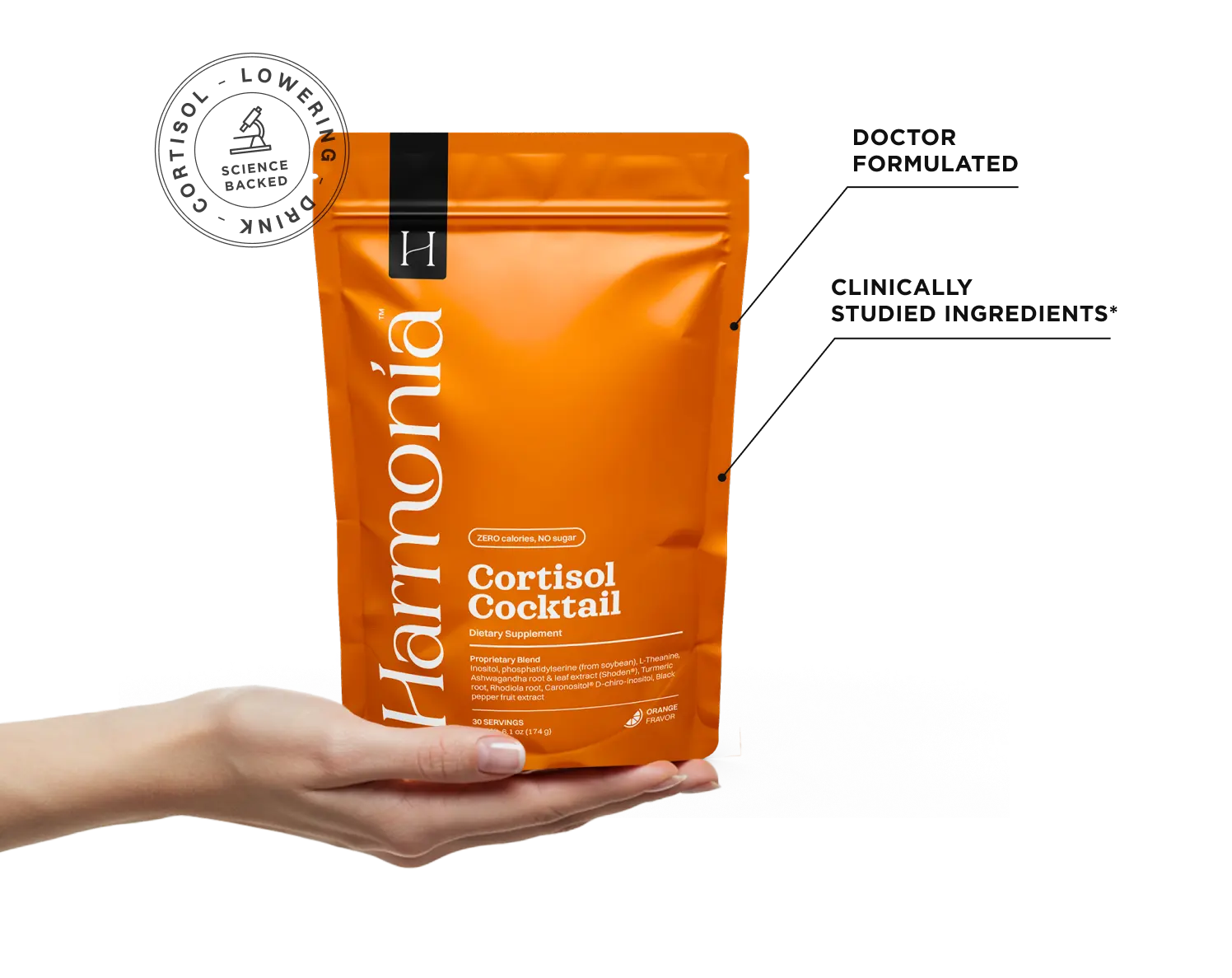
For people dealing with persistent stress symptoms, Harmonia’s Cortisol Cocktail is a daily cortisol support drink that builds on the same adaptogenic ingredients found in the best stress teas.
Its blend includes Ashwagandha, Rhodiola Rosea, and L-Theanine, alongside Myo-Inositol, Magnesium, and Vitamin D to support the full stress-hormone picture in one daily routine.
Chronic stress rarely stays isolated, and elevated cortisol tends to pull other hormonal imbalance symptoms along with it, especially in women.
Combining a consistent tea ritual with targeted supplementation gives the body more sustained support than either approach alone, particularly for those dealing with chronic or hormone-related stress patterns.

Conclusion
The best tea for stress is the one that matches your specific symptoms, fits your daily routine, and is taken consistently enough to build up real effects.
Chamomile, lemon balm, and passionflower are the strongest options for anxiety and evening wind-down. Green tea and peppermint work best for daytime stress without added fatigue. Ashwagandha, rhodiola, and holy basil deliver the deepest cortisol support over time, but they need four to eight weeks of daily use to show their full effect.
Building a tea ritual around your stress patterns is a meaningful step toward more balanced energy, calmer evenings, and a nervous system that recovers faster from daily demands.
If a consistent tea ritual is helping but you suspect chronic stress is running deeper than an evening cup can reach, take the quiz to see which Harmonia ingredients match what your body is dealing with right now.
FAQs About the Best Teas for Stress
What is the best tea for stress and anxiety?
Chamomile, lemon balm, and passionflower are consistently the strongest options. Each one works on the brain's calming pathways to reduce anxiety. For a combination approach, look for blends that include two or more of these herbs together.
Does green tea reduce stress?
Yes. Green tea contains L-Theanine, which promotes a calm, alert mental state by raising the kind of brain activity associated with relaxed focus. It does not sedate, making it ideal for daytime stress without affecting your concentration.
How quickly do stress relief teas work?
Some herbs like chamomile, lemon balm, and peppermint may begin working within 30 to 60 minutes. Others, such as ashwagandha and rhodiola, build their effects over time with consistent use.
These adaptogens typically show stronger results after several weeks of daily intake.
Is it safe to drink stress teas every day?
Most stress relief teas are safe for daily use. Valerian root is best used occasionally or for short stretches rather than indefinitely.
If you take thyroid medication, blood pressure drugs, or sedatives, check with your doctor before adding adaptogenic herbs to your routine.
Can tea replace medication for anxiety or stress?
No. Stress teas are a supportive tool and work well as part of a healthy lifestyle, but they are not a substitute for prescribed medication or professional mental health support.
If your stress or anxiety is significantly affecting daily life, speak with a healthcare professional.
References
- Amsterdam, J. D., Li, Y., Soeller, I., Rockwell, K., Mao, J. J., & Shults, J. (2009). A randomized, double-blind, placebo-controlled trial of oral Matricaria recutita (chamomile) extract therapy for generalized anxiety disorder. Phytomedicine, 16(12), 1065-1073. Link
- Pratte, M. A., Nanavati, K. B., Young, V., & Morley, C. P. (2014). An alternative treatment for anxiety: A systematic review of human trial results reported for the Ayurvedic herb ashwagandha. Journal of Alternative and Complementary Medicine, 20(12), 901-908. Link
- Harvard T.H. Chan School of Public Health. (2023). Tea. The Nutrition Source. Link
- Olsson, E. M., von Scheele, B., & Panossian, A. G. (2009). A randomised, double-blind, placebo-controlled, parallel-group study of the standardised extract SHR-5 of the roots of Rhodiola rosea in the treatment of subjects with stress-related fatigue. Planta Medica, 75(2), 105-112. Link
- National Center for Complementary and Integrative Health. (2023). Chamomile. U.S. Department of Health and Human Services. Link