
Fasting has become one of the most popular wellness practices of the last decade, especially among women looking for weight loss, metabolic balance, or improved mental clarity. Intermittent fasting, OMAD (One Meal A Day), extended fasts - all promise transformation. Yet more women than ever are asking a critical question: does fasting increase cortisol?
This question matters because women don’t react to fasting the same way men do. Female hormones are deeply interconnected with the stress response, meaning even small increases in cortisol can ripple through mood, energy, sleep, appetite, menstrual cycles, and long-term hormonal balance.
Recent research adds an important nuance: the cortisol response to fasting varies meaningfully between individuals and between sexes, making personalized awareness more important than blanket rules.
If fasting is raising stress hormones, it may feel harder to lose weight, easier to overeat, and nearly impossible to get the steady energy and emotional balance you were promised.
What Cortisol Does for Women’s Hormones and Metabolism
Cortisol is often labeled as the stress hormone, but it plays many important roles in a woman’s body:
- Regulates energy throughout the day
- Controls blood sugar
- Supports thyroid function
- Affects estrogen and progesterone balance
- Helps manage inflammation
- Influences sleep rhythms
- Impacts appetite and cravings
Cortisol follows a natural daily rhythm: highest in the morning, gradually decreasing throughout the day, lowest at night to allow restful sleep. But when this rhythm is disrupted, women often feel it immediately.
Why women are more sensitive to cortisol
Women’s bodies rely on a delicate balance between cortisol, estrogen, progesterone, and insulin. This means:
- Stress and cortisol spikes influence menstrual cycles
- Cortisol competes with progesterone receptors
- High cortisol can reduce estrogen signaling
- It can raise blood sugar and trigger cravings
- It disrupts sleep, raising next-day cortisol again
This hormone feedback loop is why women frequently experience cyclical symptoms when cortisol is elevated: PMS, mood swings, irritability, sleep trouble, bloating, and sudden weight gain around the midsection.
For any woman who already suspects high cortisol levels, understanding how fasting interacts with this hormone becomes especially important.
What Research Says: Does Fasting Increase Cortisol?

The short answer: yes - fasting can increase cortisol, and research consistently shows this effect. Your body relies on glucose for energy. When you’re fasting:
- Blood sugar drops
- The brain signals the adrenals
- The adrenals release cortisol to raise blood sugar
This is a normal survival mechanism. The problem isn’t the temporary rise - it’s when cortisol stays elevated or spikes multiple times a day due to stress, under-eating, poor sleep, or inconsistent meals.
Studies show:
- Cortisol typically begins rising within approximately 12 hours of not eating
- Intermittent fasting raises morning cortisol in many women
- A 2023 Frontiers in Nutrition study found that one day of fasting shifted cortisol and DHEA rhythms differently by sex - with men showing more pronounced free cortisol rises than women in some protocols, suggesting individual hormonal context matters
- Fasting paired with stress (exercise, work pressure, sleep deprivation) amplifies cortisol further
Different fasting lengths = different cortisol responses
- 12–14 hours:typically mild cortisol effect; cortisol may begin rising toward the end of this window as glucose reserves drop
- 16:8 fasting: cortisol rise in many women,particularly concentrated during morning hours when the fast extends past waking
- OMAD: large cortisol spike due to long glucose deprivation
- Extended fasts: sustained elevation of cortisol
Cortisol elevation isn’t always harmful - but for women already experiencing hormonal imbalances, it may be exactly what prevents fasting from working.

Fasting and Female Physiology
Women are biologically designed to protect reproductive function. When the body perceives a lack of food, it prioritizes survival over hormones.
Below are some reasons why women experience greater cortisol spikes during fasting:
- Lower glycogen storage: Women hold less stored energy in the liver and muscles, so fasting triggers cortisol faster.
- Greater blood sugar sensitivity: Drops in glucose produce a more noticeable stress response in women.
- Hormone fluctuations: Estrogen and progesterone influence cortisol receptors. Depending on the menstrual phase, a woman may react strongly to fasting one week and mildly the next.
- Higher stress load: Many women already enter fasting with elevated baseline cortisol from: work stress, mental load, sleep deprivation, emotional stress, dieting history. When fasting is added on top of these, the system becomes overwhelmed.
- Evolutionary patterns: Historically, women needed consistent nourishment to support reproductive health and childrearing. Their bodies still reflect this biological priority.
When Fasting Helps (and When It Hurts)
Fasting isn’t good or bad. It’s about alignment with your hormonal and stress environment.
If fasting causes more stress than benefit, cortisol is likely interfering with the process.
Strategies to Prevent Cortisol Spikes While Fasting

Here’s how women can make fasting supportive instead of stressful.
- Start with shorter windows; 12:12 or 13:11 fasting often delivers benefits without big cortisol spikes.
- Try early time-restricted eating (eTRF): Eating earlier in the day and stopping meals by mid-afternoon aligns with cortisol’s natural morning peak. Research suggests this pattern supports lower evening cortisol and deeper sleep compared to late-eating windows.
- Avoid fasting during the luteal phase: The week before your period is when cortisol sensitivity is highest.
- Eat a protein-rich meal before your fasting window begins: Protein stabilizes blood sugar and prevents overnight cortisol spikes.
- Reduce caffeine on an empty stomach: Research into caffeine and cortisol shows coffee before food can raise cortisol by up to 30% within an hour, compounding the spike already rising from your fast.
- Hydrate with electrolytes: This supports adrenal function and reduces stress signals. Mineral-rich fluids in the evening can also help if cortisol is spiking at night and keeping you awake after a fasting day.
- Lift stress elsewhere: Fasting + poor sleep + high life stress = cortisol overload.
- Use nutrients and adaptogens that smooth cortisol responses: Women who support cortisol and blood sugar typically have an easier time with fasting.
What Foods Trigger Higher Cortisol?
Diet directly shapes how cortisol behaves during fasting windows. These foods and habits can worsen cortisol spikes:
- High-sugar foods: Blood sugar spikes lead to cortisol rebound, making fasting windows harder to sustain.
- Caffeine on an empty stomach: Raises cortisol by up to 30% within an hour of consumption.
- Alcohol: Disrupts overnight cortisol recovery. Even two late-evening drinks can derail your morning cortisol pattern and extend adrenal recovery time.
- Ultra-processed foods: Drive systemic inflammation, which keeps cortisol chronically elevated.
- Long gaps without protein: Cause repeated blood sugar instability and force multiple cortisol spikes throughout the day.
Conversely, whole food carbohydrates (oats, sweet potatoes, legumes) and omega-3-rich fish (salmon, sardines) support steadier blood sugar and lower stress reactivity during fasting periods.
Fasting for Women with PCOS, Thyroid Issues, or Menopause
Some women require additional caution because cortisol plays a stronger role in their symptoms.
PCOS
- Already linked to insulin resistance
- Fasting may worsen cortisol unless blood sugar is stable
- Inositols in Harmonia are especially beneficial here
Thyroid Issues
- High cortisol slows the conversion of T4 to T3
- Women with hypothyroidism often deteriorate on aggressive fasting
- Shorter fasting windows are safer
Menopause
- Falling estrogen amplifies cortisol sensitivity, making even moderate fasting more disruptive than in younger years
- Fasting may trigger anxiety, hot flashes, and sleep issues
- Women in perimenopause and menopause often do best with early time-restricted eating and cortisol-balancing support, since the cortisol-menopause relationship means falling estrogen amplifies every stress response the fast produces.
Women in these groups often benefit from a softer, more mindful approach to fasting - and support from cortisol-balancing ingredients.
How to Know If Fasting Is Raising Your Cortisol
Use this symptom checklist to evaluate whether fasting is elevating stress hormones. Cortisol may be too high if you experience:
- Morning anxiety
- A racing mind at night
- Trouble sleeping
- Afternoon energy crashes
- Feeling tense or overwhelmed
- Difficulty focusing
- Cravings after your fasting window
- Increased belly fat
- Mood swings
- Missed or irregular periods
- More PMS than usual
- Feeling shaky or lightheaded while fasting
If you notice three or more of these symptoms, fasting may need to be adjusted - or cortisol must be rebalanced before fasting again.
Best Female-Friendly Alternatives to High-Stress Fasting
If fasting feels too stressful, try these gentler approaches used by hormone specialists and nutrition experts.
- Circadian-based eating: Eat within a natural 11–12 hour daytime window.
- Protein-first mornings: Start the day with 20–30g of protein to stabilize cortisol.
- Carb cycling: Incorporate healthy carbs in the luteal phase to avoid cortisol spikes.
- Stress-aware fasting: Only fast on low-stress days.
- Balanced plate composition: Stable blood sugar = stable cortisol.
How Harmonia Supports Women Struggling With High Cortisol During Fasting
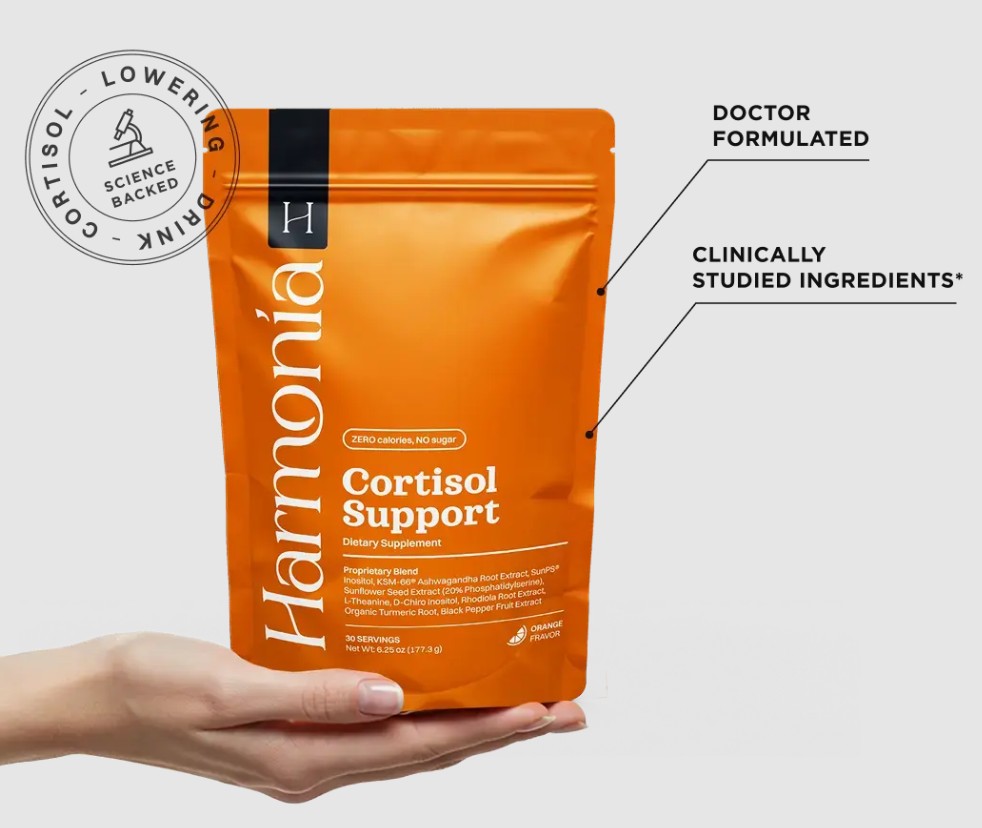
Fasting only works well when cortisol is well regulated - and this is the exact area where Harmonia was designed to help.
Harmonia includes a research-backed blend of nutrients and adaptogens that help women feel calmer, more balanced, and more stable throughout the day.
- L-Theanine: Promotes calm without drowsiness, smooths stress-related cortisol spikes, supports mental clarity, and reduces emotional eating.
- Ashwagandha: A well-researched adaptogen that lowers cortisol, stabilizes mood, and supports balanced estrogen and progesterone under stress.
- Myo-Inositol & D-Chiro Inositol: Improve insulin sensitivity, curb cravings, and support metabolic health-especially beneficial for women with PCOS or irregular cycles.
- Rhodiola Rosea: Enhances stress resilience, prevents mid-day energy crashes, and reduces fatigue that often appears during fasting.
- B Vitamins, Magnesium, Vitamin C, Vitamin D: Support adrenal hormone production, boost energy, and promote stable mood and metabolism.
- Phosphatidylserine: Helps lower evening cortisol, improves sleep quality, and reduces the “wired but tired” feeling common during fasting.
This entire blend creates a foundation for women who want to try intermittent fasting without suffering cortisol spikes, cravings, anxiety, or sleep disruption.
Summary: So, Does Fasting Increase Cortisol in Women?
Yes - fasting can increase cortisol, especially in women who already experience stress, poor sleep, hormonal fluctuations, or blood sugar instability. The effect typically begins around the 12-hour mark and becomes more pronounced with longer windows, high stress, poor sleep, or existing hormonal imbalances.
But with the right approach, fasting doesn’t have to harm your hormones. Many women can fast successfully by:
- Choosing shorter eating windows
- Supporting blood sugar
- Reducing caffeine during fasts
- Identifying the best phase of their cycle for fasting
- Adding support that stabilizes the stress response
Balanced cortisol is the key to making fasting effective, enjoyable, and sustainable. Harmonia offers carefully chosen ingredients that help women calm the nervous system, stabilize cravings, sleep better, and maintain hormonal equilibrium - everything needed for fasting to work with your body instead of against it.
Every woman’s body responds differently. Take Harmonia’s quick cortisol quiz to learn your unique cortisol pattern, discover whether fasting is right for you, and get personalized recommendations to support your hormones.
Frequently Asked Questions
How many hours of fasting raises cortisol?
Cortisol typically begins rising around the 12-hour mark of fasting, as blood glucose drops and the adrenals compensate. A 16-hour window produces a more noticeable rise, particularly during the morning hours. For most women, 14 to 16 hours is the threshold where metabolic benefits exist but cortisol overactivation risk increases meaningfully.
How do I check my cortisol levels?
A doctor can test cortisol through a blood draw (typically taken between 7-10 a.m.), a saliva test taken late at night, or a 24-hour urine collection. Home saliva test kits are also available but results should be reviewed with a healthcare provider. Testing is most useful when you have persistent fatigue, unexplained weight gain, or irregular menstrual cycles.
What should I avoid if my cortisol is high?
Avoid aggressive fasting windows (16+ hours), caffeine on an empty stomach, high-sugar foods, alcohol late in the evening, intense exercise while fasted, and chronic sleep deprivation. All of these add additional strain to the adrenal glands and keep cortisol from returning to its natural baseline.
How can I fast without raising cortisol?
Start with shorter windows (12-13 hours), eat earlier in the day rather than skipping breakfast, prioritize 20-30g of protein at your first meal, and avoid caffeine before eating. Managing overall stress and sleep load matters as much as the fast itself. Supporting your adrenals with magnesium, adaptogens like Ashwagandha, and consistent sleep timing also helps keep cortisol stable during fasting periods.
References
- Shkorfu, W., Fadel, A., Hamsho, M., Ranneh, Y., & Shahbaz, H. M. (2025). Intermittent Fasting and Hormonal Regulation: Pathways to Improved Metabolic Health. Food Science & Nutrition, 13(8), e70586. Link.
- Kuciel, N., Surdacka, K., Stania, M., Mika, A., & Bik, W. (2023). Effect of the one-day fasting on cortisol and DHEA daily rhythm regarding sex, chronotype, and age among obese adults. Frontiers in Nutrition, 10, 1078508. Link