High cholesterol and weight gain often show up together, leaving many people wondering whether one causes the other.
You might notice rising numbers on your lipid panel while also seeing stubborn weight that seems harder to lose - even if nothing significant has changed in your routine.
And while most people assume diet is the primary factor behind cholesterol and weight, the truth is far more complex.
This article breaks down the science behind cholesterol and weight regulation and explains the often-overlooked connections involving insulin, thyroid health, inflammation, and cortisol.
You’ll also learn why stress plays a much bigger role than most people realize and how supporting your hormonal and metabolic systems can help both weight and cholesterol levels improve.
The Overlooked Link Between Cholesterol, Weight Gain, and Metabolism
Cholesterol is a waxy substance your body needs to function - it forms hormones, supports cell membranes, and helps produce vitamin D.
It isn’t inherently “bad.” Problems arise when cholesterol levels fall out of balance, particularly when LDL (“bad” cholesterol) rises or when triglycerides climb too high.
Weight gain and high cholesterol don’t have a direct cause-and-effect relationship. Instead, they emerge from shared metabolic pathways. And for many women, these pathways are heavily influenced by hormonal fluctuations, high stress loads, blood sugar instability, and changes in thyroid function.
The picture becomes even clearer when you consider how modern living impacts stress hormones. Chronic stress elevates cortisol, which affects everything from cravings and appetite to lipid production - and this combination can make weight feel harder to control, even when your habits remain the same.
What High Cholesterol Really Means
Cholesterol travels through your bloodstream attached to proteins called lipoproteins. The three most important markers are:
- LDL (Low-Density Lipoprotein): Transports cholesterol to tissues. High levels are linked to plaque buildup.
- HDL (High-Density Lipoprotein): Clears excess cholesterol from the bloodstream.
- Triglycerides: Fats carried in the blood; often rise due to diet, insulin resistance, or chronic stress.
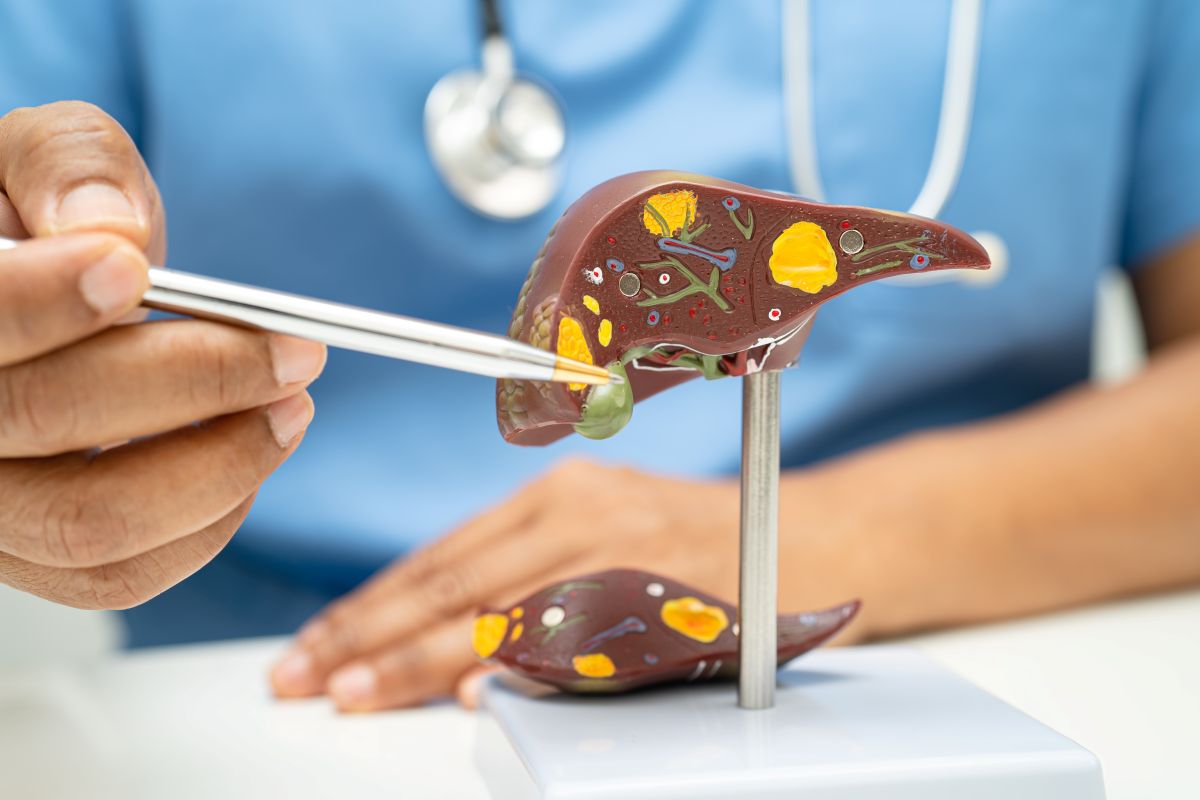
While many assume that dietary cholesterol is the main contributor to high cholesterol levels, the liver is actually responsible for producing the majority of cholesterol in your body.
That means issues like insulin resistance, hormone changes, inflammation, and cortisol imbalance can shift cholesterol levels dramatically - regardless of how much cholesterol you eat.
This helps explain why some people with “healthy” diets still struggle with cholesterol or weight gain. When metabolism slows or hormones shift, the whole system becomes less efficient at processing fats, burning energy, and regulating appetite.
Does High Cholesterol Cause Weight Gain? The Real Answer
The simple answer is no. High cholesterol on its own does not directly cause weight gain.
However, they often appear together because:
- They share common root causes
- The same metabolic disruptions that raise cholesterol also encourage fat storage
- Hormonal imbalances that affect cholesterol also affect appetite and weight
- Inflammation and stress contribute to both issues
A person may believe the cholesterol is causing the weight gain, when in reality, both are symptoms of deeper metabolic patterns. Fix the underlying issue, and both often improve.
The Hidden Mechanisms That Make High Cholesterol and Weight Gain Occur Together
Cholesterol and weight regulation aren’t isolated systems. They are deeply interconnected through hormones, liver function, blood sugar, and stress responses. Here’s how the main mechanisms work together.
Insulin Resistance
Insulin resistance is one of the strongest links between high cholesterol and weight gain. When cells become less responsive to insulin:
- The pancreas produces more insulin
- High insulin signals the body to store fat
- Triglycerides and blood lipids increase
- Appetite increases - particularly for carbs
- Energy crashes encourage overeating
Over time, this creates a cycle of cravings, belly fat accumulation, and rising cholesterol levels. Many women experience this during PCOS, PMS, perimenopause, or after periods of chronic stress.
Sluggish Metabolism & Liver Function
Your liver processes fats, regulates cholesterol, and plays a key role in detoxification. When the liver becomes overwhelmed or sluggish - due to inflammation, high stress, poor sleep, or fatty liver - it cannot process lipids efficiently.
This leads to:
- Higher LDL
- Higher triglycerides
- Slower fat burning
- Increased abdominal fat
- Harder time losing weight
This is why eating “healthy” isn't always enough. When liver metabolism slows, weight loss and cholesterol improvements both stall.
Thyroid Function & Hormone Imbalances
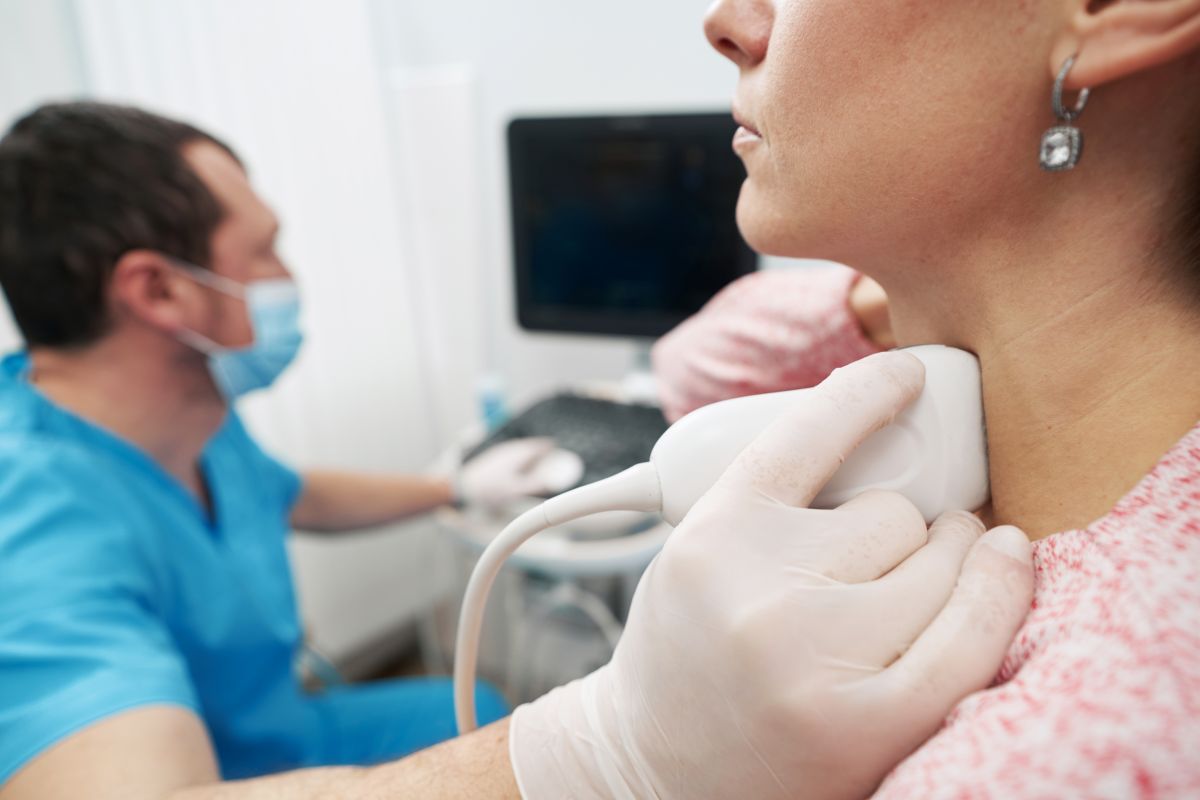
The thyroid controls metabolic rate. Low thyroid function (even low-normal) slows calorie burn and reduces the body's ability to clear cholesterol.
Thyroid-related changes can cause:
- Fatigue
- Slower metabolism
- Rising LDL
- Weight gain despite eating the same
- Cold intolerance
- Brain fog
Sex hormones - estrogen and progesterone - also affect cholesterol and weight. Low progesterone, estrogen dominance, PCOS patterns, and perimenopausal changes all shift lipid metabolism and appetite signals.
This is why many women experience weight gain or higher cholesterol during hormonal transitions.
Chronic Inflammation
Inflammation interferes with the body’s ability to use insulin, process fats, and regulate appetite. It also contributes to fluid retention and chronic fatigue.
Inflammation is triggered by:
- Poor sleep
- Chronic stress
- High-sugar diets
- Gut imbalances
- Hormone fluctuations
- Autoimmune issues
Inflammation elevates cholesterol because the liver increases cholesterol production to repair damaged tissue. It also makes weight loss more difficult by altering hunger hormones and reducing metabolic flexibility.

Cortisol Dysregulation
This may be the most overlooked connection between high cholesterol and weight gain. Cortisol rises when you’re under stress. When cortisol stays elevated for too long:
- LDL increases
- Triglycerides rise
- Blood sugar becomes unstable
- Appetite increases
- Cravings intensify - especially for carbs
- Belly fat accumulates
- Sleep quality declines
This is why many people gain weight during stressful months - even if they are eating the same.
It’s also why supporting cortisol balance can play such an important role in weight management and cholesterol regulation.
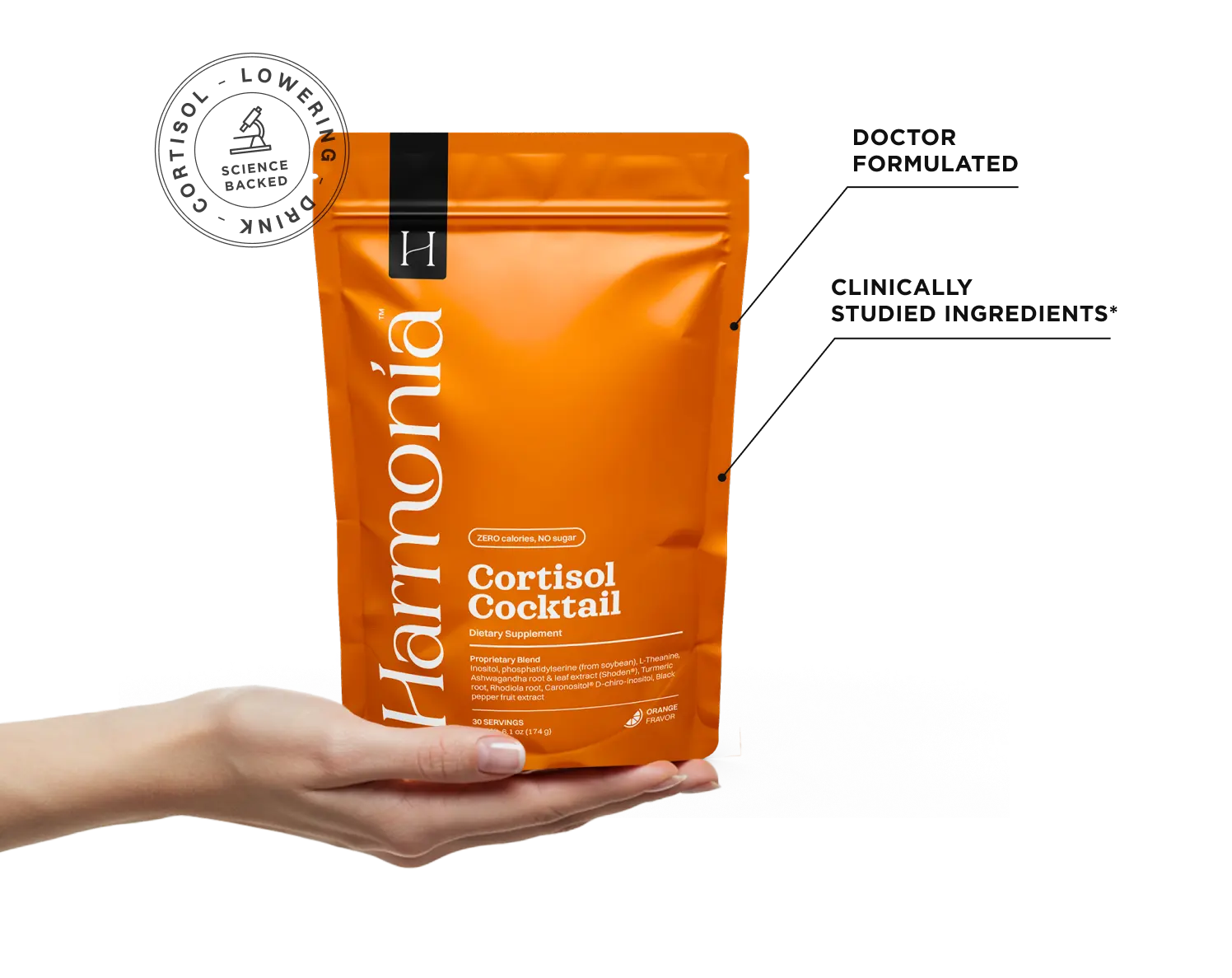
Stress and cortisol imbalance are central drivers of both cholesterol elevation and weight gain. Harmonia’s blend includes adaptogens like ashwagandha, L-theanine, rhodiola, turmeric, inositol, and phosphatidylserine, which are known for supporting cortisol balance, reducing cravings, and improving sleep - all of which contribute indirectly to better metabolic health.
Why High Cholesterol Makes Weight Loss Harder
Even though cholesterol doesn't cause weight gain, the conditions associated with high cholesterol can affect how easily you lose weight.
Here’s how impaired lipid metabolism impacts your ability to lose weight:
- Slower Fat-Burning Capacity: When the body doesn’t handle fats well, it becomes harder to mobilize stored fat for energy. This results in slow or inconsistent weight loss.
- Higher Hunger and More Cravings: Insulin resistance, stress hormones, and blood sugar swings increase appetite - especially for high-calorie, high-carb foods.
- Fatigue and Low Motivation: Inflammation and poor metabolic function reduce physical energy, making movement feel harder.
- Impaired Hormone Signals: Leptin (fullness hormone) and ghrelin (hunger hormone) become less predictable when metabolic inflammation is present.
- Emotional and Stress-Driven Eating Patterns: High cortisol often causes emotional eating in the evening or late-night snacking - precisely when your metabolism is least primed to handle extra calories.
Signs Your High Cholesterol Is Linked to Stress, Hormones, or Metabolism

Diet matters - but when cholesterol is paired with stubborn weight gain, other underlying drivers are usually involved.
Common signs include:
- Increased cravings (especially sugar or carbs)
- Belly fat that feels impossible to lose
- Feeling tired during the day but wired at night
- Mood swings or irritability
- Irregular menstrual cycles
- PCOS symptoms (acne, hair changes, cycle irregularity)
- Perimenopause symptoms (night sweats, sleep trouble, weight gain)
- Poor sleep or waking up unrefreshed
- Weight gain despite eating similarly
These signs all point toward hormonal and stress-related origins - not simply eating too much cholesterol.
Many of these symptoms align with cortisol imbalance. Harmonia’s formulation is designed to support mood, sleep, cravings, and metabolic calm through nutrients and adaptogens that help stabilize the stress response.
Root Causes to Check If You Have Both High Cholesterol and Unexplained Weight Gain
If you’re dealing with both, it’s worth exploring the following root causes with a healthcare provider:
- Insulin Resistance: Often the first link between cholesterol and weight gain.
- Thyroid Dysfunction: Even borderline-low thyroid levels can raise cholesterol and slow your metabolism.
- PCOS or Estrogen-Progesterone Imbalance: Common in women with persistent weight gain and high triglycerides.
- Chronic Stress & Cortisol Dysregulation: One of the most powerful yet overlooked factors influencing both lipids and weight.
- Perimenopause & Menopause: Both affect lipid metabolism and fat distribution.
- Inflammation & Poor Sleep Quality: Disrupt insulin sensitivity, increase appetite, and impair fat burning.
Addressing these root causes often creates improvements in both cholesterol and weight - sometimes even without major dietary changes.
Conclusion
High cholesterol doesn’t cause weight gain, but both issues spring from the same underlying systems - blood sugar regulation, stress hormones, inflammation, thyroid function, and sex hormones.
When these systems are out of balance, your body becomes more likely to store fat, experience cravings, struggle with energy, and hold onto extra weight.
By understanding the deeper metabolic relationships between cholesterol and weight, you can take more targeted steps that actually make a difference.
Supporting stress recovery, balancing cortisol, improving sleep, stabilizing blood sugar, and addressing hormonal shifts can help restore metabolic balance - making weight loss easier and helping cholesterol return to healthier levels.
If you want a clearer picture of how your stress hormones may be affecting your weight, appetite, sleep, or cravings, you can take the Harmonia Quiz to get personalized insight into your stress-metabolism pattern.
References
- Buscemi, C., Randazzo, C., Barile, A. M., Bo, S., Ponzo, V., Caldarella, R., ... & Buscemi, S. (2024). Factors associated with body weight gain and insulin-resistance: a longitudinal study. Nutrition & Diabetes, 14(1), 21. Link.
- Trapani, L., Segatto, M., & Pallottini, V. (2012). Regulation and deregulation of cholesterol homeostasis: The liver as a metabolic “power station”. World journal of hepatology, 4(6), 184. Link.
- Wang, J. J., Zhuang, Z. H., Shao, C. L., Yu, C. Q., Wang, W. Y., Zhang, K., ... & Tang, Y. D. (2021). Assessment of causal association between thyroid function and lipid metabolism: a Mendelian randomization study. Chinese Medical Journal, 134(09), 1064-1069. Link.