
Saunas have become a go-to ritual for many people looking to relax, improve circulation, and support recovery. But in recent years, they’ve also been marketed as a tool for fast weight loss.
Step into a sauna, sweat intensely for 20 minutes, step out a pound or two lighter - sounds effective, right?
The question is more complex than the scale might suggest. Yes, you may see the number drop temporarily, but that doesn’t necessarily mean fat is melting away.
Understanding the difference between water weight and actual fat loss is the key to using sauna sessions wisely - especially if your goal is long-term results rather than short-lived wins.
Below, we break down how sauna use affects your body, whether it truly supports weight loss, and how factors like stress and hormones influence your progress far more than heat alone.
How Saunas Affect the Body: Heat, Heart Rate, and Water Loss
A sauna’s high heat environment - often between 160°F and 190°F - triggers an immediate physiological response. Within minutes, core temperature rises, sweating increases, and heart rate elevates as the body works to cool itself.
Sweating And Fluid Loss
Sweat is the body’s cooling mechanism and a primary reason people feel lighter after a sauna session.
A typical session can lead to a significant amount of fluid loss, especially for individuals unaccustomed to high heat environments. This loss registers quickly on the scale, which is why so many assume the sauna is an efficient fat-burning tool.
However, water weight loss is not the same as fat loss. Once you rehydrate, that weight returns.
Increased Heart Rate And Cardiovascular Stimulation
As your body warms, your heart rate may elevate to levels comparable to light exercise.
Some studies show mild increases in calorie burn, but the difference is modest - nothing close to what even low-intensity workouts achieve.
Thermoregulation Demands
The extreme heat requires your body to work harder to maintain a stable internal temperature.
This process does expend some additional energy, but not enough to produce noticeable fat reduction on its own.
In short, saunas cause meaningful fluid loss and slight cardiovascular activation, but these effects alone do not create sustainable weight loss.
Does Sauna Help You Lose Weight?

When you sweat heavily in a sauna, the weight you lose is almost entirely water. This can be appealing for individuals looking for rapid drops on the scale, such as athletes needing to “make weight” temporarily, but:
- It is not fat loss.
- It is not permanent.
- It is not indicative of metabolic improvement.
There is a small caloric impact because heat exposure makes your heart beat faster and works your cardiovascular system. But this still pales in comparison to even a brisk walk.
Here’s a useful comparison:
- 20-minute sauna session: ~40–70 calories burned
- 20-minute walk: ~100–150 calories burned
- 20-minute jog: ~200–300 calories burned
Saunas support comfort and relaxation far more than they support calorie debt.
Fat loss requires the body to burn stored fat for energy. Sauna heat does not trigger fat oxidation. Only a sustained calorie deficit combined with metabolic balance - often influenced by hormones like cortisol - creates actual fat loss.
So, does sauna help you lose weight? It helps you lose water weight quickly, but it does not directly melt fat.
Sauna Water Weight Loss vs. Real Fat Loss: Key Differences
Understanding the distinction between water weight and fat is essential when evaluating how helpful a sauna can be in a weight-loss journey.
What Water Weight Loss Looks Like
- You sweat out fluids and electrolytes during your session.
- The scale drops immediately afterward.
- As soon as you replenish hydration, numbers return to baseline.
Water loss is fast, superficial, and physiologically expected. It does not change body composition.
What Real Fat Loss Requires
Fat loss involves gradually reducing the body’s stored energy reserves. This process generally requires:
- A consistent calorie deficit
- Stable blood sugar and insulin sensitivity
- Regulated cortisol levels
- Adequate sleep
- Reduced emotional eating and cravings
- An efficient metabolism
Saunas do not meaningfully influence these factors on their own.

Why Sauna-only Fat Loss Is Not Possible
Heat exposure does not trigger lipolysis (the breakdown of fat). While the body works hard to cool itself, the energy demands remain low.
Without sustained metabolic changes and healthy lifestyle habits, fat loss simply won’t occur.
Can Saunas Support Fat Loss Indirectly Through Stress Reduction?
Here’s where saunas offer real potential: not by burning fat, but by improving internal conditions that make fat loss easier.
The Cortisol Connection
One of the most overlooked contributors to weight gain - especially belly fat - is cortisol, the body’s primary stress hormone. When cortisol remains elevated:
- Appetite increases
- Fat storage becomes more efficient
- Cravings intensify
- Sleep quality declines
- Mood becomes more unstable
- Energy dips trigger emotional eating
Many individuals experience these symptoms daily without realizing cortisol is the reason they struggle with weight loss.
Sauna Relaxation Benefits
Sauna sessions can lower stress temporarily by:
- Relaxing muscles
- Calming the nervous system
- Enhancing post-exercise recovery
- Releasing feel-good endorphins
- Improving perceived well-being
Lower stress means better emotional control, fewer cravings, and improved sleep - all important for weight consistency.
But Relaxation Alone Is Not Enough
While saunas take the edge off stress, they do not regulate cortisol patterns, balance hormones, or correct metabolic dysfunction.
Many individuals, especially women with PCOS, thyroid issues, insulin resistance, or chronic stress, require more targeted support. This is where daily cortisol-balancing habits become incredibly important.
Does the Sauna Boost Metabolism?

Saunas have been promoted as metabolism boosters, but claims often exaggerate what heat exposure can realistically achieve.
During a sauna session, your heart rate can rise to the level of light exercise. This increase means you burn more calories than you would sitting at rest. Still:
- The total caloric impact is small.
- It does not accumulate enough to produce noticeable weight loss.
- It cannot replace structured physical activity.
Some research suggests that repeated heat exposure may stimulate heat shock proteins, which support cellular repair and overall resilience.
This may improve recovery, allowing for more consistent workouts - one of the most important factors in sustained fat loss.
Even though these biological responses sound impressive, they don’t translate into meaningful calorie burn or metabolic transformation. Saunas simply support the systems that allow you to train more effectively, recover better, and feel more balanced.
That support matters - but it is not the same as fat-burning.
Risks, Safety Tips & Who Should Avoid Using Saunas for Weight Loss
Because saunas can be intense, safe use is essential - especially for individuals who view them as tools for fast weight loss.
Hydration Is Non-negotiable
Excessive sweating without replacing fluids can lead to:
- Headaches
- Dizziness
- Rapid heartbeat
- Nausea
- Drop in blood pressure
- Electrolyte imbalance
Always hydrate before and after.
Avoid Extended Sauna Sessions
More time does not mean more weight loss. Overuse can stress the heart and nervous system rather than helping.
Be Cautious If You Have Certain Health Conditions
Individuals with the next conditions should follow medical guidance before sauna use:
- Cardiovascular issues
- Blood pressure irregularities
- Kidney conditions
- Pregnancy
- Respiratory challenges
Athletic Water Cutting Is Not Safe For Everyday Weight Loss
While athletes sometimes use saunas to shed water rapidly, this practice is temporary and often risky. It should not be used as a general strategy to lose weight.
Conclusion

The sauna can be a powerful wellness tool, but it should not be confused with a fat-burning method. The scale drop you see after a session comes from water loss, and those pounds return once you rehydrate.
Saunas do, however, offer benefits that support weight-loss efforts indirectly - particularly by lowering stress, easing tension, and promoting better sleep.
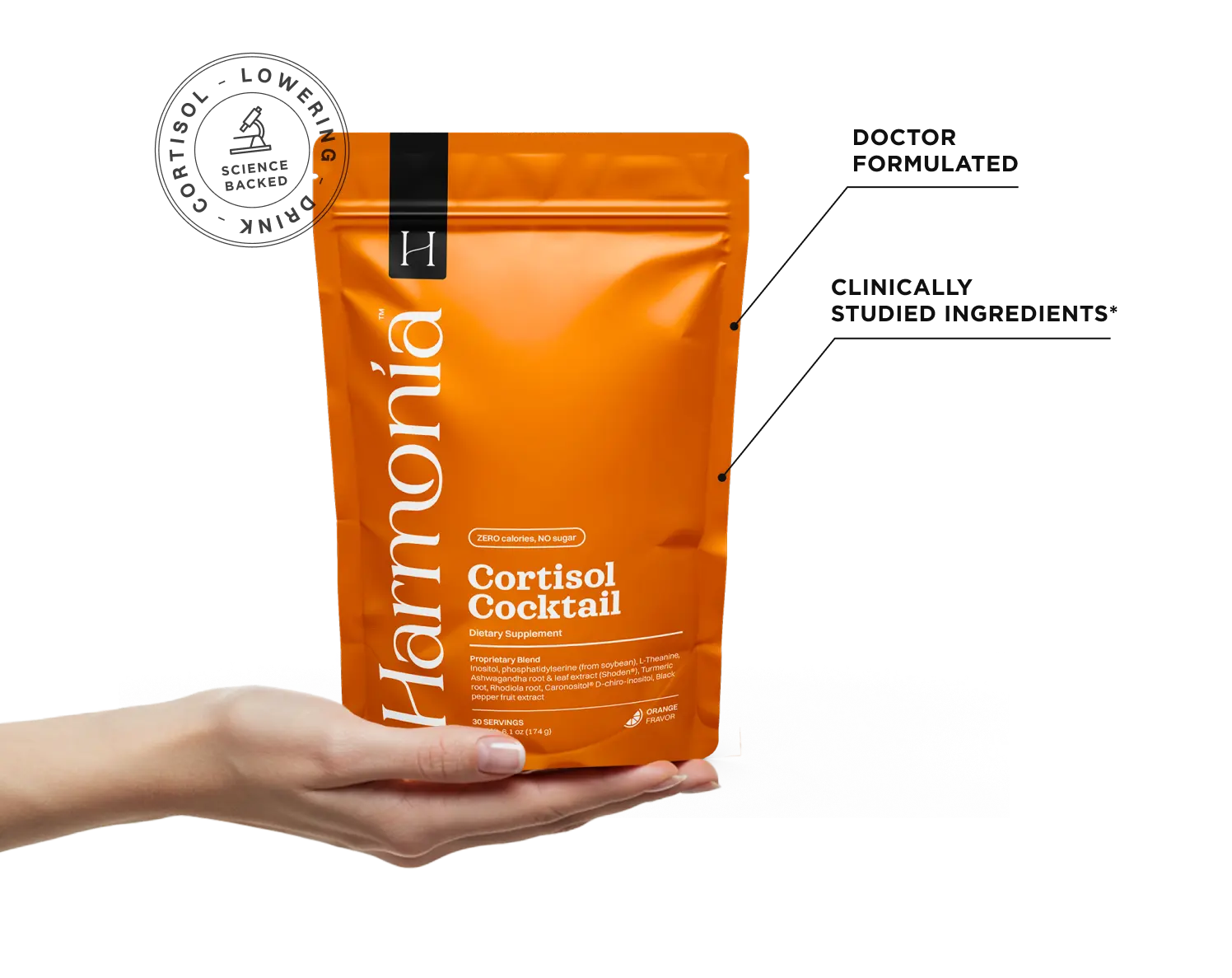
Since stress and cortisol imbalance play a major role in stubborn weight, cravings, fatigue, and inconsistent results, addressing internal hormonal patterns becomes essential. This is where many individuals struggle: even with exercise and clean eating, high cortisol can undermine progress.
Pairing the relaxation benefits of sauna sessions with daily hormonal support creates a powerful foundation for long-term well-being, better sleep, improved mood, and steady weight-management progress.
If you’ve been using a sauna for weight loss but still struggle with cravings, stubborn fat, fatigue, bloating, or poor sleep, your cortisol may be the missing piece.
Take the Harmonia Quiz to discover your unique stress pattern and get personalized recommendations for improving hormonal balance, energy, and weight-supporting habits.
References
- Hyman, M. (2007). Systems biology, toxins, obesity, and functional medicine. Altern Ther Health Med, 13(2), S134-S139. Link.
- Lindquist, S., & Craig, E. A. (1988). The heat-shock proteins. Annual review of genetics, 22(1), 631-677. Link.