
Many women notice the scale climb in the days before or during their period - and it can feel confusing or discouraging, especially when you’re trying to lose weight or stay consistent with healthy habits.
The truth is that period-related weight gain is extremely common, completely normal, and driven by predictable hormonal patterns.
These fluctuations are not a reflection of your progress, discipline, or body fat. They are temporary shifts caused by changes in hormones, water retention, digestion, stress levels, and appetite.
Once you understand why this happens, it becomes much easier to navigate your cycle without frustration - and to build a more realistic, cycle-aligned approach to weight loss and wellness.
Does Your Period Make You Gain Weight? The Short Answer
Yes - your period can make the scale go up, but this increase is almost always temporary weight, not body fat.
Most people experience:
- 1-5 pounds of temporary weight gain
- Some experience up to 7 pounds depending on hormones, stress, and sodium intake
These changes usually result from:
- Water retention and bloating
- Rising inflammation
- Digestive slowdown (constipation)
- Increased appetite and cravings
- Elevated cortisol (the stress hormone)
- Changes in sleep and energy
Even if you feel “puffy,” “heavier,” or more bloated, these changes usually disappear within a few days after your period starts.
This is one reason the scale is not always the best indicator of real weight-loss progress. Many women lose body fat during the month but don't see it because PMS adds temporary water weight on top.
What Actually Causes Period Weight Gain?

Several biological shifts occur during the luteal phase - the 7-10 days before your period - that directly influence weight, bloating, digestion, appetite, and cravings.
Let’s break down the main causes.
1. Hormonal Fluctuations: Estrogen & Progesterone
During the second half of your cycle, progesterone rises and then suddenly drops when pregnancy does not occur. Estrogen also fluctuates sharply.
These hormonal changes trigger:
- Water retention (your body holds onto more fluid)
- Bloating in the abdomen and lower body
- Breast tenderness and swelling
- Changes in body temperature, which influence metabolism and hunger
High estrogen toward the end of the luteal phase is especially known for increasing fluid retention. This is why your rings may feel tighter or your stomach more swollen.
Even though the scale moves, this is not fat - it’s fluid your body naturally releases once your period begins.
2. Cortisol & Stress Response
Cortisol can rise significantly in the days leading up to your period because PMS inherently creates more stress on the nervous system.
When cortisol increases, it can cause:
- More water retention
- Blood sugar fluctuations
- Stronger cravings for carbs and sweets
- Digestive changes
- Poor sleep, which further increases hunger hormones
High cortisol during PMS also makes weight loss feel harder because your body is in a more reactive, inflamed state. Even if you're eating well and staying active, your body may hold on to water and feel heavier.
Women who already experience stress dysregulation, PCOS, burnout, or sleep issues often feel these symptoms even more intensely.

3. Increased Appetite & Cravings
Your body actually burns more calories in the luteal phase. That’s not something imagined - it’s measurable.
Because your metabolic rate increases slightly, your body asks for:
- More energy
- More carbohydrates (for serotonin production)
- More frequent meals
This leads to:
- Stronger cravings
- Increased appetite
- Preference for calorie-dense foods
Again: this does not mean you’re losing control. It means your physiology is working exactly as designed.
Eating a bit more during this phase is normal and does not derail long-term weight loss - especially when you’re eating nourishing foods or stabilizing your blood sugar.
4. Digestive Slowdown
Progesterone affects the smooth muscles of your digestive system, which can lead to:
- Constipation
- Sluggish digestion
- Gas and bloating
- Feeling “full” even after small meals
When food moves more slowly through your gut, the scale will temporarily rise - even if your actual body fat stays the same.
Many women interpret this as weight gain, but it’s simply digestive timing.
5. Sleep Changes & Fatigue
Low sleep quality during PMS alters hunger and fullness signals, including:
- Higher ghrelin (hunger hormone)
- Lower leptin (satiety hormone)
- Higher cortisol
This is a perfect combination for increased appetite, cravings, emotional eating, and slower digestion.
Lack of sleep alone can temporarily add 1-2 pounds of water weight due to elevated cortisol.
PMS vs. Real Weight Gain: How to Tell the Difference
It’s important to distinguish between cycle-related weight fluctuations and actual fat gain. They feel similar, but the indicators are very different.
Women with PCOS, insulin resistance, perimenopause, or thyroid issues may see more pronounced or longer-lasting weight fluctuations. In these cases, hormones - not willpower - are the main reason weight feels hard to manage.
How Hormones, Cortisol & the Menstrual Cycle Interact

The menstrual cycle isn’t just about your period - it’s a full, hormone-regulated monthly rhythm that influences weight, appetite, energy, cravings, mood, and metabolism.
Here’s how each phase plays a role:
Follicular Phase (Days 1–13)
- Estrogen rises
- Energy increases
- Appetite stabilizes
- Bloating decreases
This is often the easiest phase for weight loss because your hormones and energy are naturally supportive.
Ovulation (Days 13–15)
- Appetite may dip slightly
- Energy peaks
- Water retention decreases
- Libido increases
Some women feel their leanest during this phase.
Luteal Phase (Days 15–28)
This is where PMS weight gain happens:
- More cravings
- More bloating
- More emotional sensitivity
- Higher cortisol
- Slower digestion
Your body is essentially preparing for a potential pregnancy, so fluid retention and appetite increases are normal.
Cycle-Aligned Weight Loss Tips
Rather than forcing your body into the same routine every day of the month, aligning your weight-loss strategy with your cycle improves consistency, reduces frustration, and prevents burnout.
Here’s how to work with your hormones:
Cycle syncing isn’t about perfection - it’s about understanding that your hormones change, and your wellness routine can adapt along with them.
When Period Weight Gain Is a Sign of Something More
Although PMS-related weight changes are normal, there are situations where significant or prolonged weight fluctuations may signal a deeper hormonal imbalance.
Consider speaking with a healthcare provider if you notice:
- Weight gain that doesn't go away after your period
- Very heavy or irregular periods
- Severe mood swings
- Chronic fatigue
- Intense carb cravings all month long
- Difficulty losing weight despite healthy habits
- Persistent bloating or digestive issues
- New acne, hair thinning, or hair growth
These could indicate:
- PCOS
- Insulin resistance
- Thyroid disorders
- High cortisol (chronic stress)
- Perimenopause
- Estrogen dominance
Women with these conditions often experience more pronounced PMS symptoms because their hormonal systems are more sensitive to inflammation and stress.
Conclusion
Period-related weight gain can be frustrating, but it’s a predictable, temporary shift - not a reflection of your health, habits, or progress. Once you understand how hormones, digestion, stress responses, and sleep patterns naturally change during your cycle, the scale becomes much easier to interpret.
Every woman’s cycle is unique, and so is her hormonal sensitivity. If you find that stress, cravings, poor sleep, or mood swings make your luteal phase especially challenging, gentle hormonal and cortisol support can help smooth out these fluctuations.
Many women use tools such as balanced nutrition, consistent routines, and targeted supplements to regulate their stress response and support a calmer cycle.
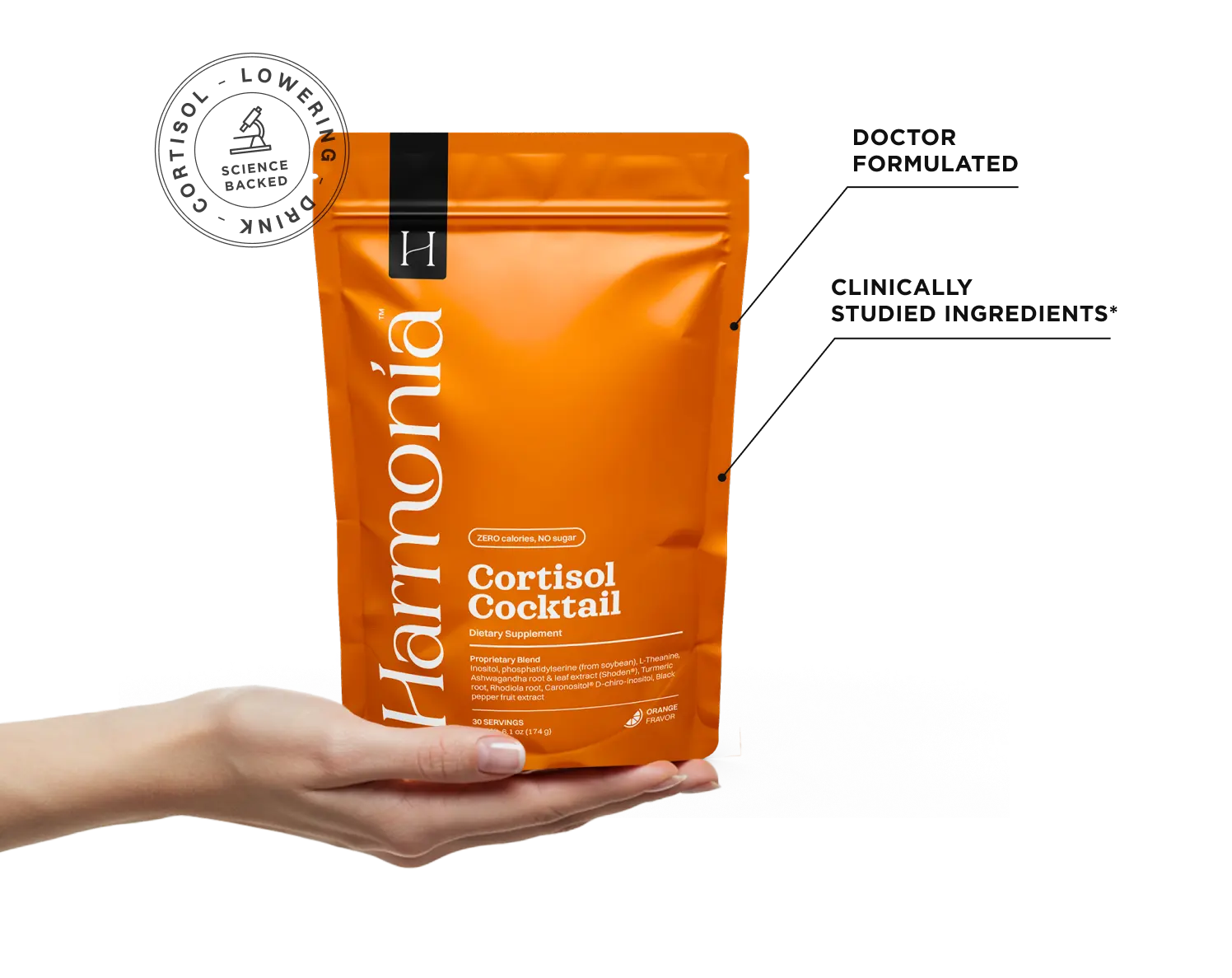
Harmonia was created with this in mind - designed to support healthier cortisol rhythms, reduce stress-driven cravings, and promote more stable energy throughout the month.
While it’s not a cure for PMS, it can be a supportive companion for women who feel that hormonal stress plays a major role in their monthly weight fluctuations.
References
- Maybin, J. A., & Critchley, H. O. (2011). Progesterone: a pivotal hormone at menstruation. Annals of the New York Academy of Sciences, 1221(1), 88-97. Link.