
Cortisol plays a central role in how your body responds to stress, stabilizes energy, regulates blood sugar, and supports your hormonal rhythm. But when cortisol rises too often-or stays high for too long-it creates a ripple effect throughout the entire body.
Most people associate high cortisol with external stress-work pressure, overwhelm, multitasking, or lack of sleep-but food is one of the strongest influencers of cortisol production. Certain ingredients trigger a biochemical chain reaction that tells your adrenal glands to produce more stress hormones.
Understanding what foods raise cortisol can help you feel calmer, more balanced, and more in control of your well-being. As you explore these triggers, you’ll also learn how simple shifts-and supportive daily habits-can help stabilize stress hormones more effectively.
The list of cortisol-raising foods is longer than most people expect. Knowing which categories are most disruptive, and why, is the first step toward a diet that works with your stress hormones rather than against them.
What foods raise cortisol the most?
The foods most consistently linked to elevated cortisol are refined sugars, caffeine, alcohol, trans fats, and ultra-processed packaged foods. Sugar and refined carbohydrates spike blood glucose quickly, triggering adrenal cortisol release to bring levels back down. Caffeine stimulates the adrenal glands directly, regardless of actual stress levels. Alcohol disrupts the body's overnight cortisol cycle. Trans fats and ultra-processed ingredients sustain low-grade inflammation, which keeps cortisol elevated across the day.
How food impacts cortisol
Your body is always working to maintain balance. When something disrupts this balance-especially blood sugar-it activates a stress response.
Certain foods trigger rapid shifts in blood glucose, inflammation, digestion, or metabolic signaling. When this happens, your brain sends a message to the adrenal glands: release cortisol.
This process matters because:
- Blood sugar spikes = cortisol spikes: When glucose rises too quickly, the body interprets it as a stressor.
- Inflammatory foods raise cortisol: Inflammation forces the body into protective mode, increasing stress hormones.
- Caffeine and stimulants artificially elevate cortisol: Even when you’re not feeling stressed.
- Skipping meals or undereating destabilizes cortisol: Eating inconsistently forces cortisol to compensate for low blood sugar.
Women are particularly sensitive to cortisol disruptions because the stress hormone interacts with:
- Estrogen
- Progesterone
- Thyroid hormones
- Appetite regulation
- The menstrual cycle.
The main categories of foods that raise cortisol

Here's a quick overview of the most common cortisol-triggering foods:
- Sugary foods and drinks
- Refined carbohydrates
- Caffeine and stimulants
- Alcohol
- Salty and processed snacks
- High-fat fried foods
- Ultra-processed foods
- Additives, preservatives, and dyes
- Low-protein meals and skipped meals
Each category pushes cortisol higher through a different mechanism, but all share one common thread: they signal the body that something is wrong.
1. Sugary Foods and Drinks
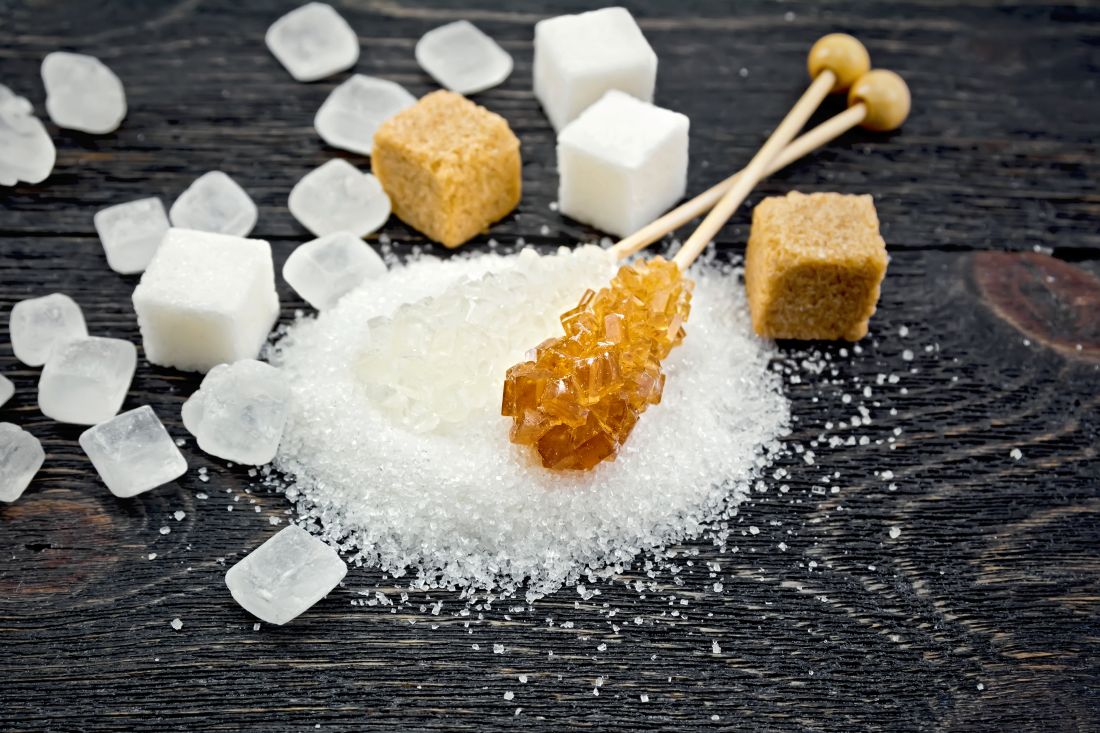
Sugar is one of the strongest dietary triggers for cortisol. When you eat foods high in sugar, your blood glucose spikes quickly.
Your body must act immediately to bring it back down, and this dramatic swing signals the adrenal glands to release cortisol.
Why sugar raises cortisol:
- It creates fast, sharp blood sugar spikes.
- It increases inflammation and oxidative stress.
- It leads to energy crashes that trigger another cortisol surge.
- It promotes cravings that result in repetitive cortisol spikes throughout the day.
Examples of high-sugar foods that raise cortisol:
- Pastries, cookies, candy
- Sweetened yogurts
- Coffee drinks with flavor syrups
- Sodas and energy drinks
- Granola or protein bars with high sugar content
- “Healthy” smoothies loaded with fruit juice or sweeteners
Who feels it the most?
Women with PCOS, insulin resistance, or hormonal imbalance typically experience more severe reactions-cravings, mood swings, anxiety, bloating, and afternoon fatigue.
If you want to stabilize cortisol, reducing sugar is one of the most impactful first steps.
2. Refined Carbohydrates
Refined carbohydrates behave very similarly to sugar-but often hide behind the illusion of being “meal-food.”
When refined grains break down quickly in the body, they cause the same blood sugar roller coaster that spikes cortisol.
How refined carbs disrupt hormones:
- They digest too quickly, leaving you hungry and fatigued.
- They tend to have low fiber, making blood sugar less stable.
- They worsen cravings and emotional eating patterns.
- They contribute to symptoms like brain fog, irritability, and mid-day crashes.
Common refined carb triggers:
- White bread, white rice, regular pasta
- Baked goods made with white flour
- Crackers, pretzels, and bagels
- Many breakfast cereals
If you often feel tired after a meal or crave sugar shortly after eating, refined carbs may be spiking your cortisol behind the scenes.
3. Caffeine and Energy-Boosting Beverages
Caffeine triggers the release of cortisol-especially when consumed on an empty stomach, in large amounts, or when stress levels are already high.
Why caffeine raises cortisol:
- It stimulates the central nervous system.
- It signals your adrenal glands to produce stress hormones.
- It interferes with deep sleep, causing next-day cortisol issues.
- It amplifies symptoms like anxiety and shaky energy.
Common caffeine sources:
- Coffee
- Pre-workout drinks
- Energy drinks
- Yerba mate
- Strong teas
For women with sleep issues, high cortisol symptoms, or chronic fatigue, caffeine increases the stress load significantly. Switching to matcha or pairing caffeine with a calming ingredient like L-theanine helps soften the cortisol spike.
The spike is most pronounced in the first 30–60 minutes after consumption, and more severe on an empty stomach. Caffeine and cortisol research shows timing matters as much as total dose, especially for women whose cortisol naturally peaks in the early morning.
4. Alcohol and Cortisol Disruption
Alcohol affects cortisol in more ways than most people realize. It disrupts the natural cortisol curve, especially when consumed in the evening.
What alcohol does to cortisol:
- Elevates nighttime cortisol
- Interferes with REM sleep
- Increases inflammation
- Creates a “morning-after” cortisol spike
- Increases cravings and unstable appetite regulation
A 2025 systematic review and meta-analysis covering 84 studies found that alcohol activates the HPA axis and elevates cortisol both acutely and chronically. Women who are heavy drinkers show significantly higher morning cortisol levels and a flatter cortisol slope across the day compared to moderate drinkers, indicating a blunted stress-recovery capacity.
Many women notice that even one glass of wine can disrupt sleep, cause irritability the next day, or trigger cravings. This isn’t a lack of willpower-the biochemistry is real.
5. Salty and Processed Snacks
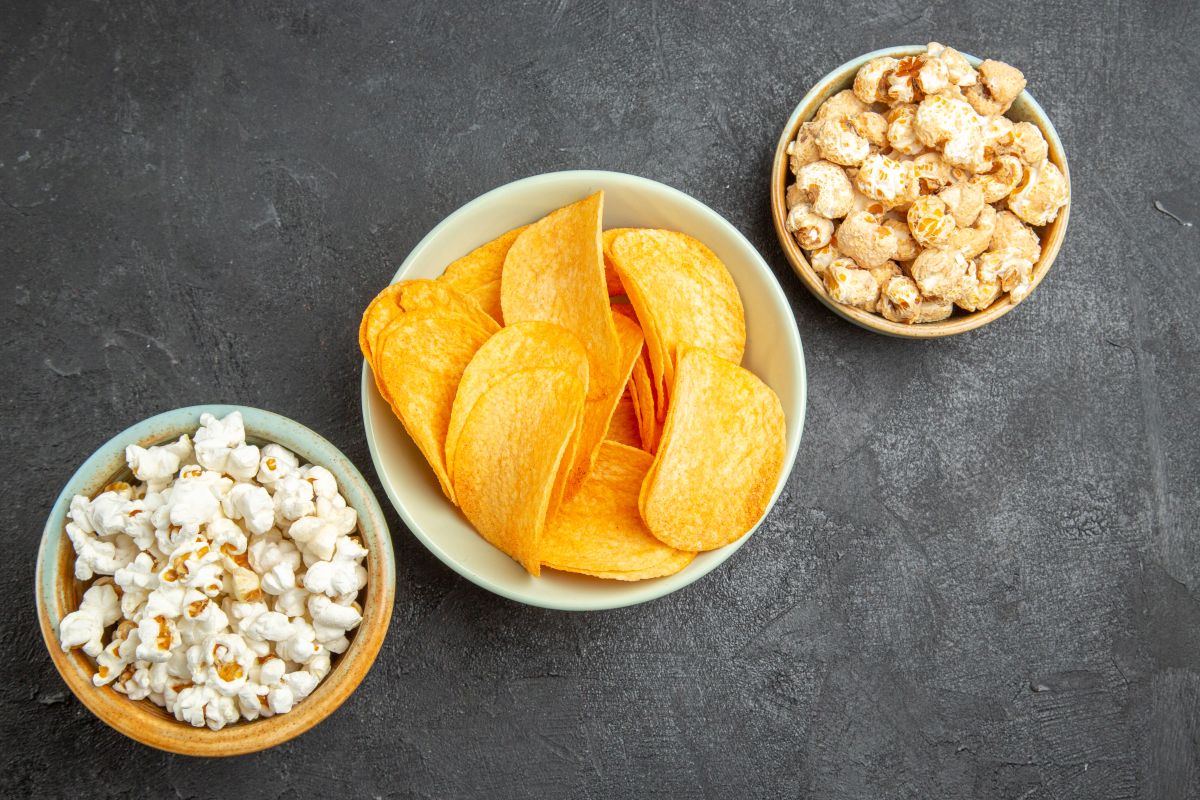
High-sodium foods stress the body by affecting hydration, kidney function, and blood pressure. This disrupts adrenal balance and contributes to elevated cortisol.
Why salty foods raise cortisol:
- Excess sodium prompts fluid retention, which stresses the cardiovascular system.
- Processed salty foods often contain additives that trigger inflammation.
- Most processed salty snacks are also low in protein, fiber, and essential nutrients.
Common salty cortisol triggers:
- Chips
- Instant noodle cups
- Fast food
- Flavored nuts
- Bagged snacks
- Store-bought soups or sauces
If you often feel puffy, bloated, or thirsty after these foods, cortisol may be responding to the imbalance.
6. High-Fat and Fried Foods
Not all fats are harmful. But trans fats and low-quality oils used in restaurants and packaged foods are strongly connected to increased inflammation, which raises cortisol.
Why fried foods trigger cortisol:
- They often contain hydrogenated oils.
- They promote inflammation in the gut and bloodstream.
- They slow digestion, creating physical stress signals.
- They impair insulin sensitivity over time.
Common sources:
- Fast-food fries
- Fried chicken
- Restaurant appetizers
- Packaged baked goods
Inflammation-driven cortisol elevation is one of the most overlooked stress triggers-especially for women struggling with hormonal symptoms.
7. Ultra-Processed Packaged Foods
Ultra-processed foods tend to combine sugar, salt, unhealthy fats, artificial ingredients, and preservatives into one concentrated cortisol-triggering package.
Why they spike cortisol:
- Artificial ingredients increase inflammation.
- They often combine stimulatory effects (salt + sugar + additives).
- They cause blood sugar instability.
- They dull hunger cues and worsen emotional eating.
Examples:
- Frozen microwavable meals
- Candy
- Packaged pastries
- Sugary cereals
- Artificially flavored snacks
- Many diet or “low-fat” foods
Even small amounts can trigger hormonal instability in sensitive individuals.
8. Low-Protein & Skipped Meals
Some triggers aren’t about what you eat-but what you don’t eat. Skipping meals or eating unbalanced plates is one of the biggest cortisol disruptors.
How undereating raises cortisol:
- Cortisol increases to raise blood sugar when food is missing.
- Irregular eating patterns confuse your hormonal rhythm.
- Low protein leads to unstable energy and harder cravings.
Women often skip meals unintentionally-busy mornings, unpredictable schedules, or fatigue can make eating feel secondary. But every skipped meal signals the adrenal system to take over, and cortisol rises as a result.
Hidden Cortisol Triggers Most People Don’t Realize
Some foods appear healthy but can still raise cortisol depending on ingredients, timing, and quantity.
Examples of sneaky cortisol triggers:
- Fruit juices with concentrated fructose
- Yogurts sweetened with syrups
- Granola with hidden sugars
- Restaurant salads drenched in sugary dressings
- “Healthy” protein bars filled with preservatives
- Nut butters sweetened with cane sugar or honey
These foods trick the body due to their health branding-but the hormonal consequences are similar to processed foods.
How to Identify Your Personal Cortisol-Triggering Foods
Everyone’s body is different. While certain foods raise cortisol universally, individual responses vary based on genetics, hormone balance, stress levels, lifestyle, and metabolism.
Signs a food is raising your cortisol:
- Sudden mood swings
- Anxiety shortly after eating
- Extreme post-meal fatigue
- Insomnia or waking up at 2–3 a.m.
- Intense sugar or salt cravings
- Brain fog
- Bloating or digestive discomfort
- Irritability or low patience
How to identify patterns:
- Keep a simple food + symptom journal for 7 days.
- Notice how you feel 30–90 minutes after eating.
- Observe cravings as hormonal communication.
- Pay attention to sleep quality after certain foods.
Your body will tell you what foods don’t support your hormonal balance-you just need a system for listening.
These patterns often compound over time. Women with chronically elevated cortisol typically notice these symptoms alongside cortisol-driven belly fat, since cortisol drives visceral fat storage and worsens the cravings that make dietary changes harder to maintain.
How to Replace Foods That Raise Cortisol
Replacing high-cortisol foods doesn’t require strict rules or deprivation. The goal is better hormonal stability, not perfection.
Balanced swaps for common cortisol triggers:
Simple replacements gradually shift the body into a calmer hormonal state.
For a more complete dietary picture, diet to lower cortisol covers meal timing, specific food combinations, and what to prioritize at each meal to keep cortisol stable across the day.
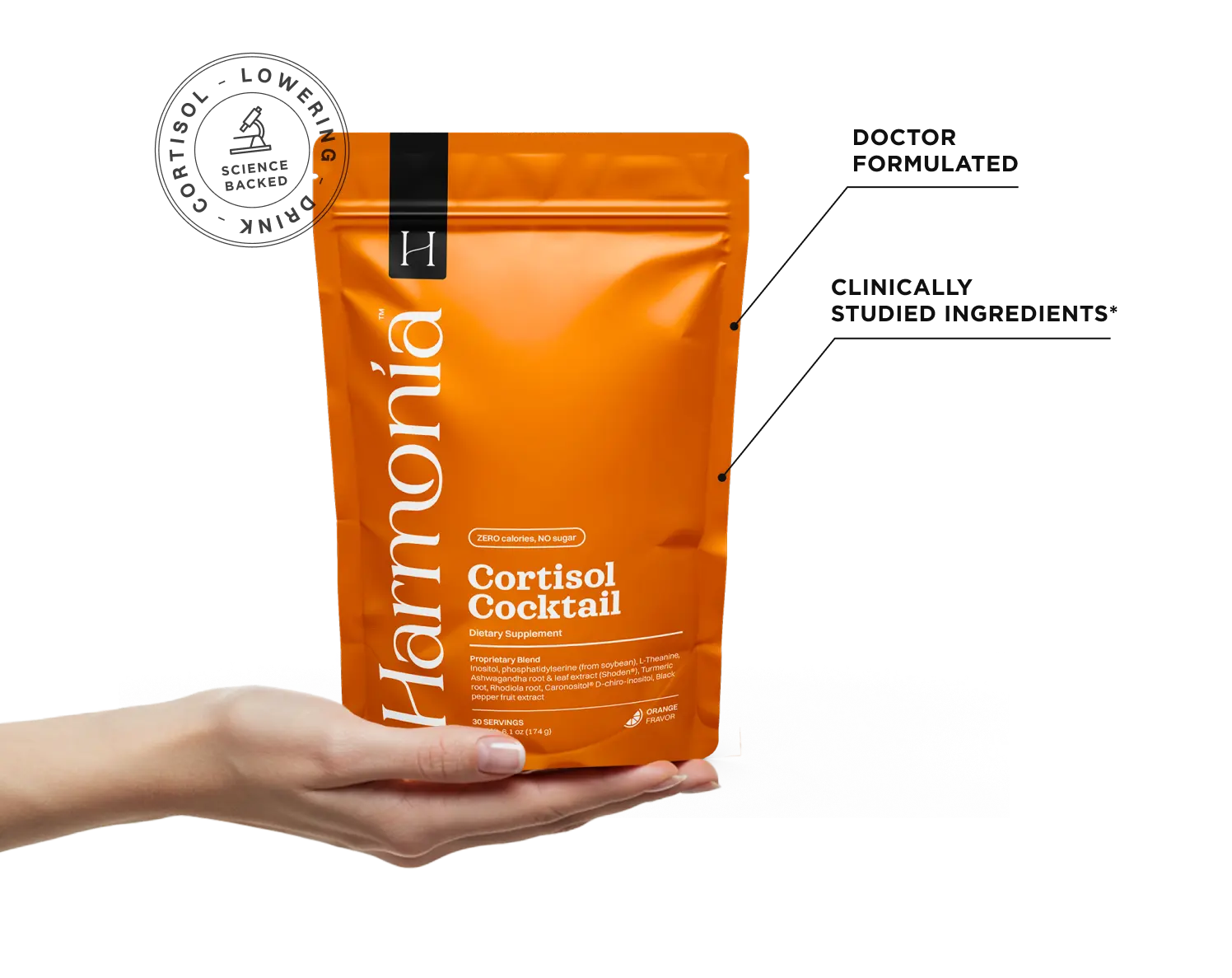
How Harmonia supports cortisol regulation
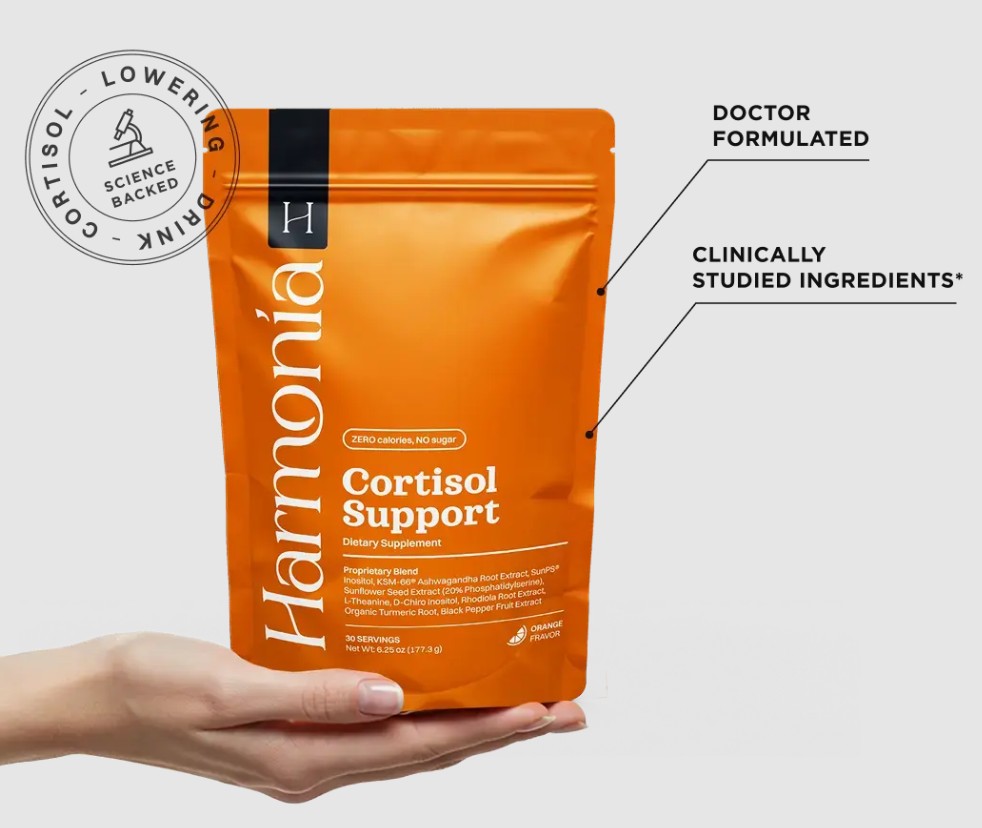
Certain adaptogens and nutrients act on the HPA axis directly, rather than just managing symptoms. KSM-66 Ashwagandha, one of Harmonia's core ingredients, reduced serum cortisol by 27.9% in a double-blind, placebo-controlled trial of 64 adults with chronic stress.
L-theanine, also in the formula, blunts the cortisol spike associated with caffeine, which is relevant if coffee is part of your daily routine.
Phosphatidylserine is the third mechanism worth knowing: it modulates the cortisol response to both physical and psychological stress. Harmonia pairs these adaptogens with magnesium and B vitamins that support baseline adrenal function.
When to Seek Professional Guidance
Most people can manage cortisol through dietary changes, lifestyle habits, and supportive supplements. However, you should speak with a healthcare professional if you experience:
- Persistent insomnia
- Severe anxiety or panic
- Extreme fatigue
- Rapid weight changes
- Frequent dizziness
- Irregular menstrual cycles
- Symptoms related to PCOS or thyroid imbalance
These may indicate deeper endocrine or metabolic challenges that require personalized medical support.
The bottom line
Food doesn't just fuel your body. It tells your stress system how to respond. The categories here, including refined sugar, caffeine, alcohol, trans fats, and ultra-processed ingredients, all push cortisol higher through different mechanisms. You don't need to eliminate them all at once. Shifting one or two categories at a time, starting with sugar and caffeine, gives your adrenal system the clearest signal that the high-alert state is over.
If your symptoms have been pointing toward a disrupted cortisol pattern, you can take the quiz to see whether the Harmonia Cortisol Cocktail fits where you are right now.
Frequently asked questions
Do eggs raise cortisol?
Eggs don't raise cortisol. They're high in protein and contain choline, which supports adrenal and neurological function. The cortisol risk with an egg-based breakfast usually comes from what's served alongside: refined toast, sweetened coffee, or flavored juice can quickly add blood sugar instability to an otherwise stable meal.
Are bananas bad for cortisol?
Bananas aren't bad for cortisol. They contain potassium and vitamin B6, both of which support adrenal function. The natural sugar in a whole banana is buffered by fiber and digests more slowly than refined sugar. Pairing a banana with protein or fat slows absorption further, though for most people it's not necessary.
What is the best breakfast to lower cortisol?
The best breakfast for cortisol combines protein, healthy fat, and slow-digesting carbohydrates. Good examples: eggs with avocado and whole grain toast, Greek yogurt with berries and nuts, or oatmeal with nut butter and seeds. Avoiding high-sugar cereals, sweetened coffee drinks, and fruit juice at breakfast prevents the early glucose spike that sets off a cortisol cascade before noon.
What supplements lower cortisol?
The best-evidenced supplements for cortisol support are ashwagandha (KSM-66 extract, studied at 300–600mg doses), phosphatidylserine, L-theanine, and magnesium glycinate. A full breakdown of what supplements lower cortisol covers each with study populations, doses, and evidence tiers.
What should I avoid if my cortisol is high?
Avoid caffeine before 9:30am, when cortisol is already at its natural daily peak. Skip alcohol in the evening, since it elevates overnight cortisol and blunts the recovery curve. Avoid skipping meals, eating refined carbohydrates at breakfast, and relying on high-sodium processed foods. These are the inputs most consistently linked to pushing already-elevated cortisol higher. Best tea to reduce cortisol covers evidence-backed drink swaps for each of these scenarios.
References
- Buczkowska, M., & Iob, E. (2024). Testing the causal relationship of fat and sugar intake with depression and cortisol: a Mendelian Randomisation study. Translational Psychiatry, 14(1), 368. Link.
- Lane, M. M., Gamage, E., Travica, N., Dissanayaka, T., Ashtree, D. N., Gauci, S., ... & Marx, W. (2022). Ultra-processed food consumption and mental health: a systematic review and meta-analysis of observational studies. Nutrients, 14(13), 2568. Link.
- Sabt, A., Alyafei, F., Alaaraj, N., Hamed, N., Ahmed, S., & Soliman, A. (2025, May). Cortisol response to coffee, tea, and caffeinated drinks: A comparative review of studies. In Endocrine Abstracts (Vol. 110). Bioscientifica. Link.
- Stachowicz, M., & Lebiedzińska, A. (2016). The effect of diet components on the level of cortisol. European Food Research and Technology, 242(12), 2001-2009. Link.
- Andreoli, J., et al. (2025). A systematic review with meta-analysis on the relation between acute stress, alcohol consumption and cortisol levels. Translational Psychiatry. Link.
- Ahlström, B., et al. (2024). Sex differences in binge drinking-related higher morning cortisol levels and in prospective association with future alcohol intake. Alcohol and Alcoholism, 59(5), agae047. Link.