
Losing weight isn’t about eating less-it's about eating smarter. Snacks that keep you full longer can help reduce cravings, stabilize energy, and prevent the afternoon hunger crash that often leads to overeating.
When you reach for nutrient-rich foods that actually satisfy, you naturally improve your eating habits without feeling deprived.
The secret is knowing which snacks support your body’s hunger cues and which ones only create more cravings.
What Makes a Snack a “Weight Loss Snack”?
Not all snacks are created equal. A true weight loss snack does more than simply fill your stomach-it supports the biological factors that influence appetite, cravings, mood, and energy.
The best snacks for weight loss have three important qualities:
1. They keep you full for longer
This is usually achieved through protein, fiber, healthy fats, or a combination of the three. These nutrients slow digestion, stabilize blood sugar, and prevent the rapid hunger spikes that drive overeating.
2. They’re nutrient-dense instead of calorie-heavy
A snack that contains vitamins, minerals, antioxidants, and complex carbohydrates nourishes your body instead of overwhelming it with empty calories.
Nutrient-dense foods keep energy more stable and naturally reduce cravings for sugary or salty foods later in the day.
3. They support consistent energy rather than short bursts
Steady blood sugar makes it easier to eat mindfully. Balanced snacks prevent the spikes and crashes that trigger urgent hunger and emotional eating.
Great weight loss snacks don’t have to be complicated. Instead, they follow a simple formula: protein + fiber + optional healthy fats.
This combination supports fullness, energy, and satisfaction-three essential elements of successful weight management.
Best Weight Loss Snacks
This section provides high-satiety, nutrient-rich snacks that help regulate hunger and support healthier eating patterns throughout the day.
These snack ideas are easy to prepare, budget-friendly, and versatile.
High-Protein Snacks
Protein plays a key role in weight management because it helps regulate appetite, supports muscle maintenance, and keeps you full for longer.
Each of these options offers a satisfying combination of protein and volume.
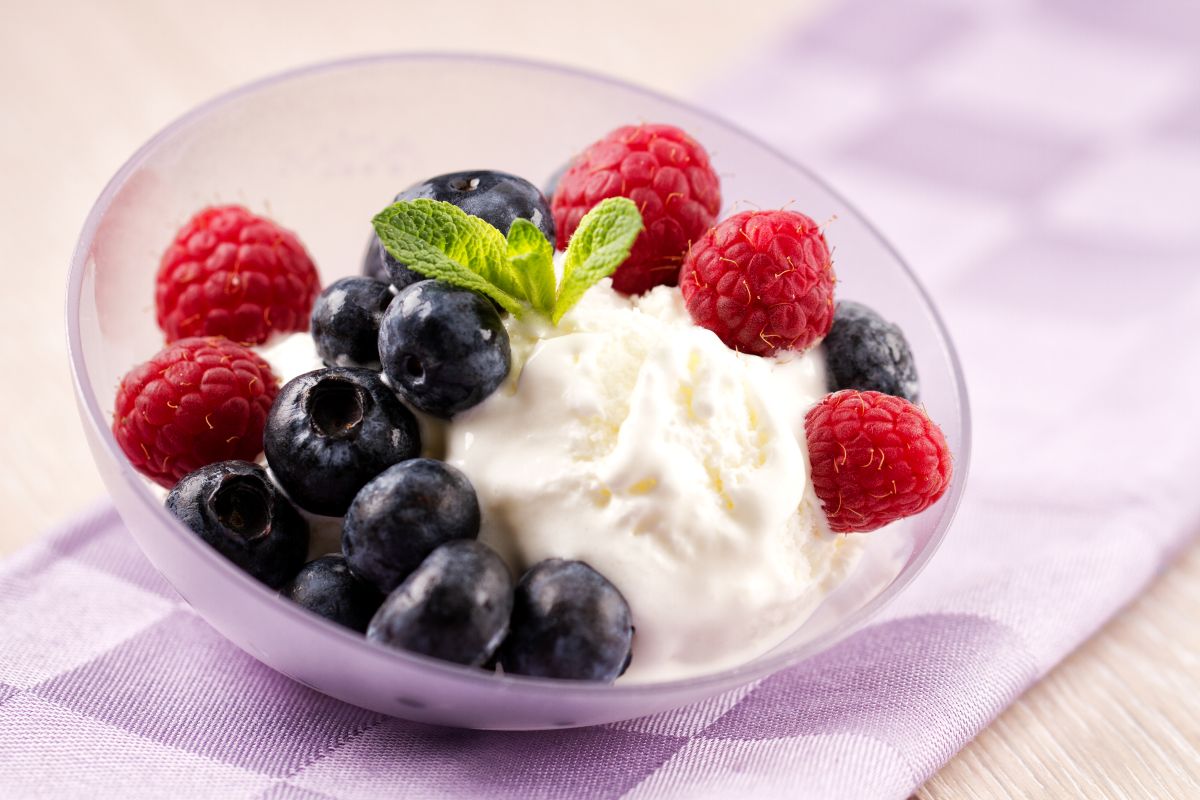
- Greek yogurt with berries: Dense in protein and probiotics, Greek yogurt helps sustain fullness while berries add fiber and antioxidants.
- Cottage cheese: Creamy, versatile, and rich in casein protein, which digests more slowly and helps reduce late-night snacking.
- Turkey roll-ups: Lean turkey slices wrapped around cucumbers or avocado provide protein with minimal prep.
- Hard-boiled eggs: A classic snack loaded with protein, healthy fats, and nutrients that help curb cravings.
- Edamame: A plant-based protein source rich in fiber and naturally low in calories.
Fiber-Rich Snacks
Fiber adds bulk without adding calories, helping you stay full and energized. These snacks help digestion and stabilize hunger between meals.
- Chia pudding: When soaked, chia seeds expand and create a filling gel-like texture. Their fiber slows digestion and keeps energy stable.
- Hummus with raw vegetables: Balanced in protein and fiber, hummus pairs well with crunchy veggies for volume and satisfaction.
- Apple slices with almond butter: The combination of crisp fruit and healthy fats creates a snack that supports fullness and tastes indulgent.
- Roasted chickpeas: Crunchy, savory, and high in fiber, roasted chickpeas are perfect for replacing processed salty snacks.
Low-Calorie, High-Volume Snacks
These snacks help reduce energy intake while still providing a significant feeling of fullness. They are excellent for people who enjoy snacking but want to stay within calorie goals.
- Air-popped popcorn: Whole-grain, high-volume, and customizable without the excess butter.
- Cucumber slices with tzatziki: Refreshing, hydrating, and satisfying thanks to the yogurt-based dip.
- Watermelon cubes: Low in calories but high in volume and hydration.
- Rice cakes with avocado: Light yet satisfying due to the creaminess of avocado and the crunch of the rice cake.
Healthy Fat Snacks
Healthy fats slow digestion and contribute to lasting satiety. Used in moderation, they make weight loss snacks more satisfying and prevent overeating.
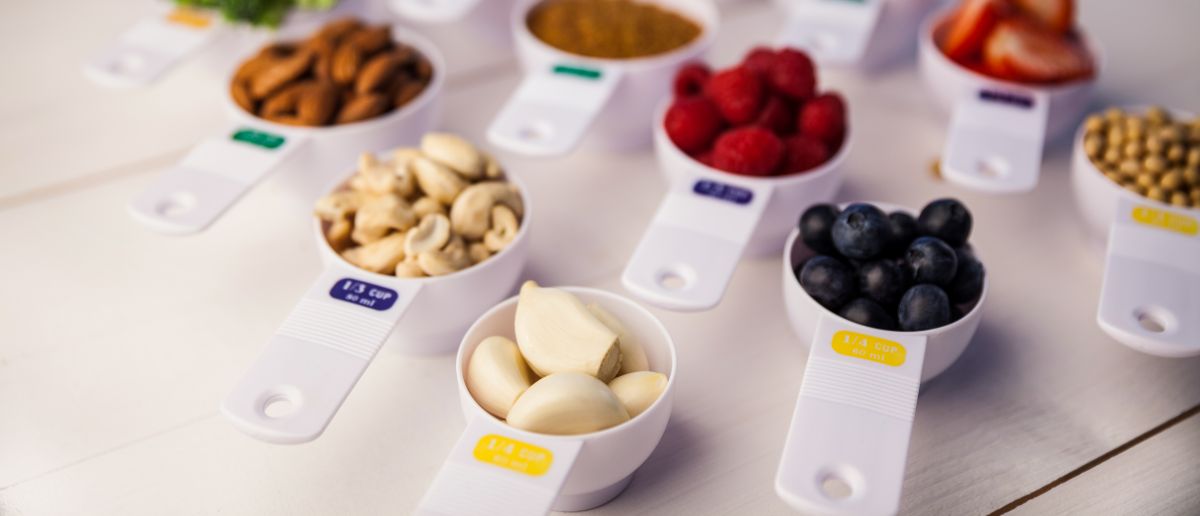
- Mixed nuts or seeds: Portable, nutrient-dense, and filling-best enjoyed in pre-measured portions.
- Olives: A savory, healthy-fat option that helps curb hunger.
- Avocado slices or “boats”: Creamy, rich in fiber, and extremely filling.
- Peanut butter on whole-grain crackers: Combines healthy fats with slow-digesting carbohydrates.
Balanced Snacks (Protein + Fiber + Fat)
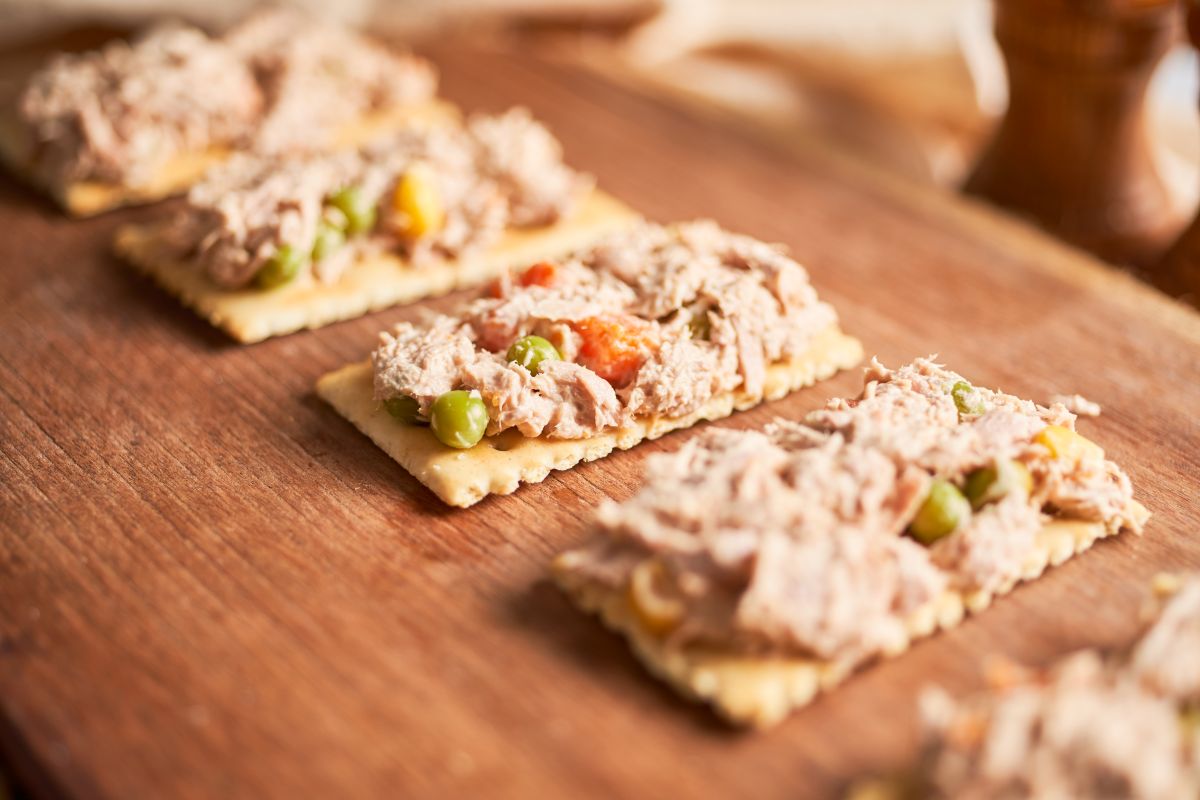
These combinations help stabilize hunger for hours at a time and are some of the best choices overall for weight loss.
- Protein smoothies: Easily tailored with protein powder, berries, or greens for a nourishing, energizing snack.
- Tuna with whole grain crackers: Protein plus complex carbohydrates provide lasting fullness.
- Cottage cheese with pineapple: A high-protein option with natural sweetness and fiber.
- Measured trail mix: A blend of nuts, seeds, and dried fruit that offers protein, healthy fats, and natural carbohydrates.
Snacks for Weight Loss You Can Prep Ahead
Planning ahead ensures that you always have supportive snacks ready, even on busy days. Meal-prepped snacks make it easier to avoid last-minute choices that derail progress.
Snack Boxes
Create a balanced box with a protein source (cheese cubes, turkey slices, hard-boiled eggs), raw veggies, and a handful of nuts or berries.
Jar Snacks
Layer chia pudding, yogurt parfaits, or veggie sticks with hummus for quick grab-and-go options.
Pre-Portioned Nuts or Trail Mix
Portioning nuts prevents overeating while still giving you access to a satisfying, quick snack.
Protein Prep
Cook a batch of hard-boiled eggs or prepare tuna salad for the week.
Make-ahead snacks ensure consistency-one of the most important components of a weight loss strategy.
Snacks to Avoid for Weight Loss (And Why)
Some snacks interfere with hunger signals, elevate cravings, and lead to excess calorie intake. Understanding which snacks to limit can help keep your goals on track.
- Highly Processed Sugary Snacks: Cookies, pastries, candy, and sweetened bars cause blood sugar spikes followed by crashes, which can dramatically increase hunger.
- Sweetened Drinks or Smoothies Disguised as Snacks: Drinks often contain far more calories and sugar than expected, providing minimal fullness.
- Low-Fat or Fat-Free Snacks: Many are stripped of natural fats and loaded with sugar or additives to improve taste. They often increase hunger shortly after eating.
- Processed Salty Snacks: Chips, crackers, and pretzels lack fiber and protein. They’re engineered to be hyper-palatable, making it easy to overeat.
- High-Caffeine “Snack Substitutes”: Certain drinks suppress hunger temporarily but lead to rebound cravings.
Focusing on whole, nutrient-rich snacks helps create a more stable, satisfying eating pattern.
Sample All-Day Weight Loss Snack Plan
This sample plan shows how supportive snacks can fit into a balanced day. Mix and match based on preference.
These options help prevent energy dips and reduce the urge to overeat at meals.
How to Build the Perfect Weight Loss Snack

A simple formula can guide you when choosing snacks:
1. Start with a protein source: Greek yogurt, eggs, tuna, cottage cheese, nuts, and seeds are great foundations for sustained fullness.
2. Add fiber for bulk and digestion: Fruit, vegetables, whole grains, chia seeds, and legumes help slow digestion and stabilize appetite.
3. Include healthy fats when you need more staying power: Nuts, avocado, olive-based dips, and nut butters help create a more satisfying snack.
4. Keep sugar low: Natural sweetness from fruit is supportive; added sugars tend to create cravings rather than reduce them.
5. Add volume with hydrating foods: Water-rich fruits and vegetables make snacks more visually satisfying while keeping calories reasonable.
6. Time your snacks strategically: Snacking every 2–4 hours helps maintain stable energy and prevents excessive hunger before meals.
When snacks follow this structure, they support weight management naturally and sustainably.
How to Pair Harmonia With Snacks for Better Hunger Control & Consistency
Harmonia can complement your snack routine by helping you stay calm, focused, and balanced throughout the day.
While snacks support fullness, energy, and nutrition, Harmonia helps support the internal conditions-especially stress and mood-that influence your ability to make steady, healthy choices.
When taken with morning or midday snacks, Harmonia can complement protein- or fiber-rich foods by supporting clear-headed energy and smoother appetite patterns.
During the afternoon, when cravings and fatigue tend to appear, pairing Harmonia with a nutrient-dense snack may help maintain steadiness so that decisions feel more deliberate rather than reactive.
In the evening, combining it with a light, calming snack can help reinforce a more mindful wind-down routine.
Overall, integrating Harmonia with your snacks is less about replacing food and more about creating a sense of balance that supports consistent choices.
This combination can help reinforce a structured snack routine-one that feels easier to maintain and more in line with long-term weight management goals.
Conclusion
Choosing the right snacks is one of the simplest ways to manage hunger, stabilize energy, and feel more in control of eating decisions. When snacks are built around protein, fiber, healthy fats, and whole foods, they make weight loss feel smoother and more enjoyable.
Planning ahead, avoiding highly processed foods, and choosing balanced combinations all contribute to a healthier relationship with food.
Small changes in your daily snack routine can lead to powerful and sustainable results over time.
Ready to make healthier habits feel easier? Take the quiz to see how Harmonia can support your daily rhythm.
References
- Paddon-Jones, D., Westman, E., Mattes, R. D., Wolfe, R. R., Astrup, A., & Westerterp-Plantenga, M. (2008). Protein, weight management, and satiety. The American journal of clinical nutrition, 87(5), 1558S-1561S. Link.
- Slavin, J. L. (2005). Dietary fiber and body weight. Nutrition, 21(3), 411-418. Link.