
Tea has become one of the most widely used natural tools for weight loss because it influences far more than metabolism.
Many teas help regulate appetite, support better digestion, improve hormonal balance, and reduce inflammation-all of which play major roles in how the body manages fat.
Below, you’ll find a comprehensive guide to the best teas for weight loss, explaining why each works and how to tailor your tea routine to your specific needs.
How Tea Supports Weight Loss: The Science Explained
Several mechanisms make tea an effective weight-loss ally. One of the most studied is thermogenesis: the process where the body increases heat production and burns more calories, particularly from stored fat.
Tea catechins-especially EGCG found in green tea and matcha-are known to increase fat oxidation and encourage the body to convert fat into usable energy.
Tea also supports smoother digestion and helps reduce bloating. Many teas contain natural compounds that promote better gut motility, support beneficial gut bacteria, or reduce digestive inflammation. Since digestion influences everything from cravings to energy, these benefits indirectly support sustainable fat loss.
Another advantage is improved blood sugar balance. When blood sugar spikes and crashes, cravings intensify. Teas like hibiscus, oolong, and black tea help stabilize these fluctuations, promoting steadier hunger cues.
Lastly, tea encourages a calm yet alert mental state. This reduces stress-driven cravings and makes it easier to stay connected to true hunger signals instead of emotional eating.
With these combined effects, tea becomes a daily, enjoyable, and effective tool for supporting weight loss naturally.
Best Tea for Weight Loss: Ranked

1. Green Tea
Green tea remains the most researched weight-loss tea, and its effects go far beyond simple metabolism support. Its richness in EGCG (epigallocatechin gallate) helps increase fat oxidation, meaning your body becomes more efficient at using stored fat as fuel. Green tea also gently raises metabolic rate without overstimulating the nervous system.
Another unique benefit is its impact on visceral fat-the deeper abdominal fat connected to insulin resistance and hormonal imbalance. Regular consumption has been shown to reduce both total body fat and waist circumference.
Green tea also contains L-theanine, an amino acid that produces calm alertness, helping reduce emotional eating and stress-driven snacking. This makes it a powerful morning tea for starting the day focused and energized.
2. Oolong Tea
Oolong sits between green and black tea in processing, giving it a wide spectrum of antioxidants. Research shows it can increase energy expenditure for several hours following consumption, helping elevate fat burning throughout the day.
One of its most valuable benefits is its influence on lipid metabolism, meaning it helps the body break down fats more effectively.
Oolong also appears to support a healthier insulin response, which reduces mid-day blood sugar crashes that often trigger carb cravings.
Many women find oolong especially useful before lunch or as a substitute for afternoon snacks because it promotes stable energy and curbs appetite.

3. Black Tea
Black tea is rich in theaflavins and thearubigins-polyphenols that support metabolic health through gut regulation. These compounds help promote beneficial bacteria that influence how the body processes calories and stores fat.
This gut-metabolism connection has been strongly linked to healthier body weight and reduced inflammation.
Black tea also contains moderate caffeine, providing a clean energy lift that lasts longer than coffee.
For women transitioning away from coffee to reduce cortisol spikes, black tea is an excellent replacement that still supports alertness and fat-burning pathways.
4. White Tea
White tea is the least processed tea, making it particularly rich in delicate antioxidants. It contains compounds that help inhibit adipogenesis-the formation of new fat cells-while promoting lipolysis, the breakdown of stored fats.
Its mild flavor and low caffeine level make it ideal for sipping throughout the day without overstimulation.
White tea is also hydrating and gentle on the stomach, which can support healthy digestion.
For individuals who are sensitive to stronger teas, this is an elegant and effective option for metabolic support.
5. Matcha

Matcha provides one of the strongest metabolic boosts because you consume the entire powdered leaf.
It contains higher concentrations of EGCG than brewed green tea and delivers a clean, sustained energy that enhances focus and reduces mindless snacking.
Matcha also improves thermogenesis, meaning your body burns more calories even at rest. The synergy between its caffeine and L-theanine content results in calm alertness-not the jittery spike associated with coffee.
Many people report that matcha helps reduce late-morning hunger, improves productivity, and stabilizes mood throughout the day.
6. Pu-erh Tea
Pu-erh is a fermented tea with unique digestive and metabolic benefits. Its microbial compounds help break down dietary fats more efficiently, making it especially helpful after meals.
Studies show that pu-erh may support lower triglycerides, improved cholesterol levels, and reduced fat accumulation over time.
The fermentation process also supports gut diversity-an essential factor for weight regulation. Its warm, earthy flavor makes it a grounding tea for those who struggle with post-meal sluggishness or irregular digestion.
7. Ginger Tea
Ginger tea is known for its thermogenic properties, helping the body generate heat and burn calories more effectively.
It supports digestion, reduces bloating, and helps move food through the digestive tract more efficiently.
Ginger’s anti-inflammatory properties are particularly beneficial for women dealing with hormonal fluctuations or cycle-related water retention.
It also supports healthy insulin sensitivity, making it a valuable tea for managing cravings and appetite. Ginger is often used before meals to support digestion or between meals to maintain metabolic rhythm.
8. Peppermint Tea
Peppermint tea is widely used for appetite control. Its aroma and flavor naturally reduce hunger cues, making it easier to navigate cravings.
Peppermint soothes the digestive tract and reduces bloating, creating a flatter, lighter feeling in the stomach.
This tea also supports the parasympathetic nervous system, helping the body shift out of stress mode. Since emotional eating is a major barrier to weight loss, peppermint offers both physical and psychological benefits.
Its caffeine-free nature makes it ideal as a nighttime ritual to prevent late-night snacking.
9. Hibiscus Tea
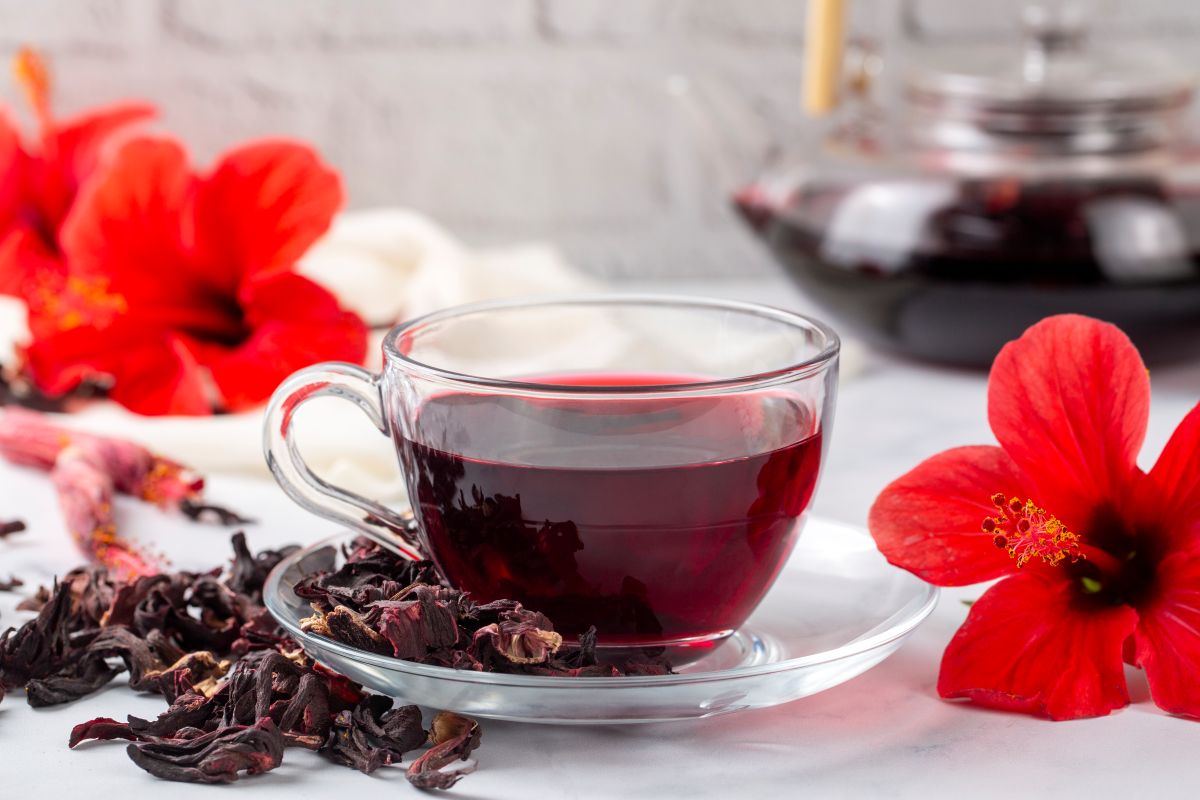
Hibiscus tea supports blood sugar balance by helping stabilize glucose fluctuations that lead to cravings and energy crashes.
It contains compounds like anthocyanins that promote a healthy metabolic profile and may support lower body fat percentages.
It also has a mild diuretic effect, helping reduce excess water retention and bloating-especially useful around the menstrual cycle.
Hibiscus has a tart, refreshing flavor that many people prefer as an iced tea during warmer months.
10. Rooibos Tea
Rooibos tea contains aspalathin, an antioxidant that specifically targets stress hormones like cortisol.
Because elevated cortisol contributes to belly fat, intense cravings, trouble sleeping, and emotional eating, rooibos offers meaningful support for women whose weight struggles are stress-related.
Rooibos is naturally caffeine-free, rich in minerals, and soothing to the nervous system. It’s an excellent evening tea to help wind down, reduce nighttime hunger, and support more restorative sleep-a vital component of metabolic health.
Best Tea for Weight Loss Based on Your Goals
Best Tea Combinations for Faster Weight Loss
Thoughtfully combining teas can enhance their benefits and create more comprehensive metabolic support.
- Green Tea + Ginger: Amplifies fat burning, supports digestion, and enhances thermogenesis.
- Oolong + Rooibos: Combines metabolism-boosting effects with cortisol regulation for fewer stress-driven cravings.
- Matcha + Peppermint: Improves focus, stabilizes energy, and reduces appetite throughout the day.
- White Tea + Hibiscus: Supports antioxidant protection, blood sugar balance, and reduces bloating or water retention.
- Spearmint + Cinnamon: Helps regulate insulin sensitivity, hormonal weight fluctuations, and cycle-related cravings.
How to Use Tea for Weight Loss: Daily Routine for Faster Fat Burning
Harmonia and Weight Loss
Many women experience stubborn weight gain because chronic stress disrupts their appetite, cravings, sleep, and metabolism.
When cortisol remains elevated, the body shifts into fat-storage mode - especially around the midsection. This makes weight loss increasingly difficult, even with healthy eating and regular tea routines.
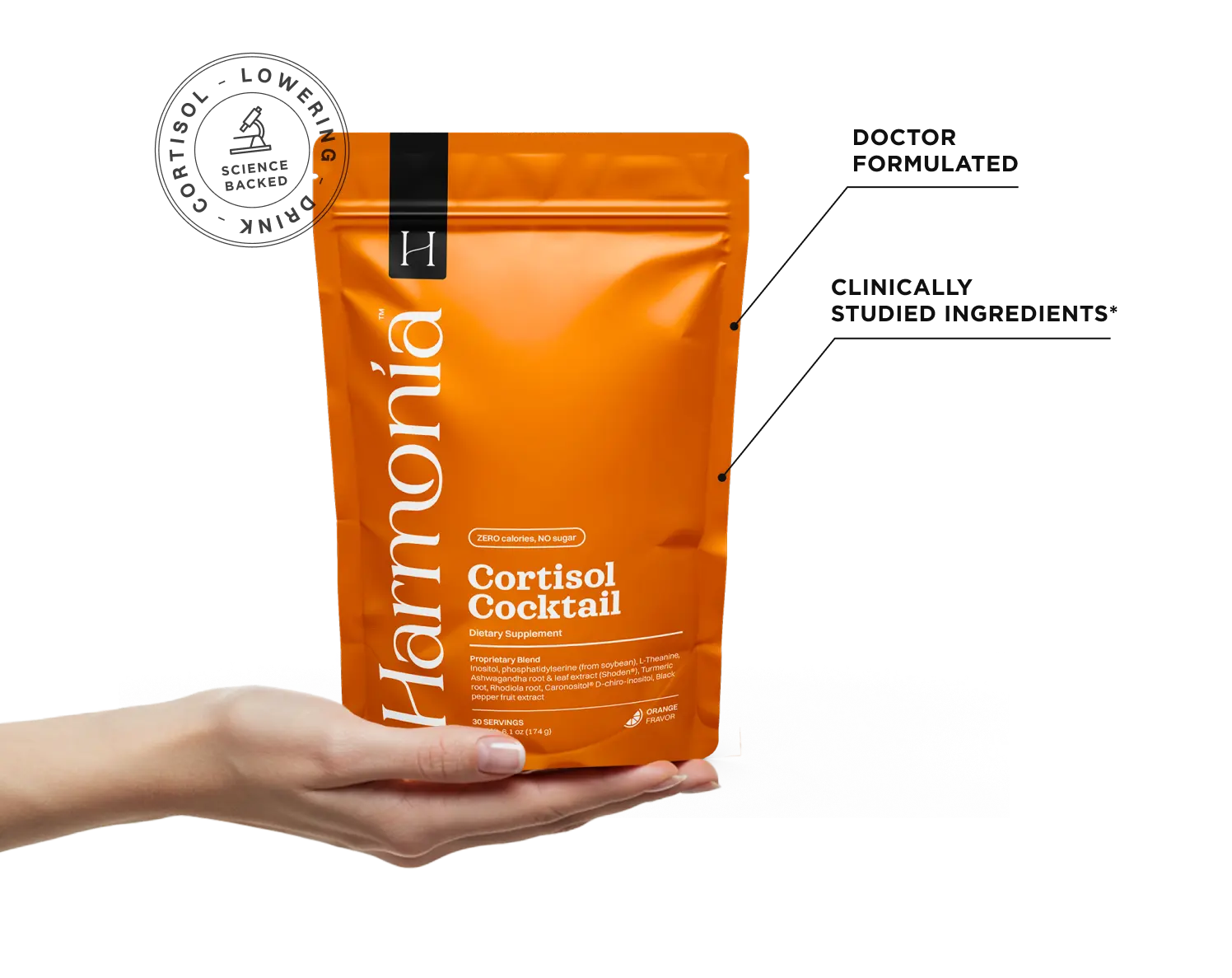
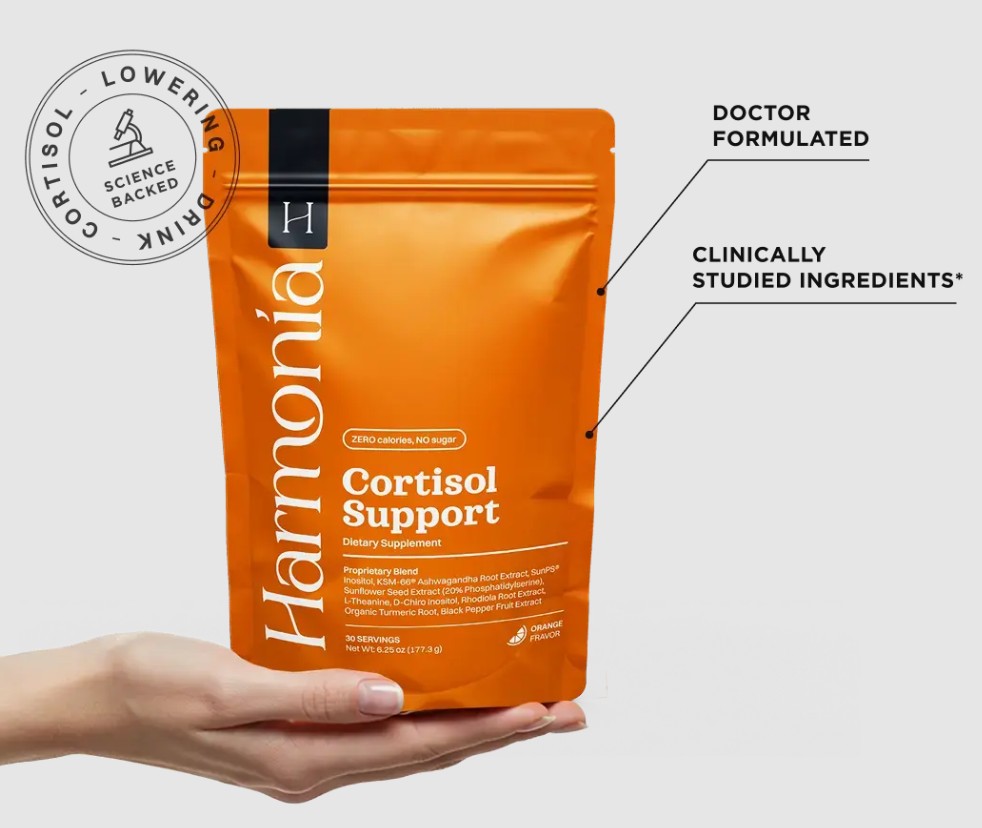
Harmonia helps support this missing piece. Its blend of L-theanine, Ashwagandha, Myo-Inositol, D-Chiro Inositol, Rhodiola, Turmeric, Phosphatidylserine, and essential vitamins and minerals helps calm cortisol, reduce stress-driven cravings, improve sleep quality, and support metabolic balance.
Together, these benefits create a more stable internal environment that makes weight loss feel achievable rather than frustrating.
By pairing a strategic tea routine with Harmonia, women often experience smoother cravings, better energy balance, improved sleep, and more consistent progress toward their weight-loss goals.
Ready to find the routine that works best for your body? Take the Harmonia Quiz and get your personalized stress, sleep, and weight-loss plan in less than a minute.
References
- Diepvens, K., Westerterp, K. R., & Westerterp-Plantenga, M. S. (2007). Obesity and thermogenesis related to the consumption of caffeine, ephedrine, capsaicin, and green tea. American journal of physiology-Regulatory, integrative and comparative physiology. Link.
- He, R. R., Chen, L., Lin, B. H., Matsui, Y., Yao, X. S., & Kurihara, H. (2009). Beneficial effects of oolong tea consumption on diet-induced overweight and obese subjects. Chinese journal of integrative medicine, 15(1), 34-41. Link.
- Horie, H., Ema, K., & Sumikawa, O. (2017). Chemical components of Matcha and powdered green tea. 日本調理科学会誌, 50(5), 182-188. Link.
- Shixian, Q., VanCrey, B., Shi, J., Kakuda, Y., & Jiang, Y. (2006). Green tea extract thermogenesis-induced weight loss by epigallocatechin gallate inhibition of catechol-O-methyltransferase. Journal of medicinal food, 9(4), 451-458. Link.
- Singh, B., & Maurya, N. K. (2024). The cortisol connection: Weight gain and stress hormones. Archives of Pharmacy and Pharmaceutical Sciences, 8(1), 9-13. Link.
- Zhao, M., Wang, T., Zeng, L., Chen, Q., Yang, D., Guan, Y., ... & Ma, Y. (2025). Ripened Pu-erh tea modulates the gut microbiome to enhance metabolic homeostasis and redox-inflammatory balance: A systematic review of core health benefits and mechanisms. Trends in Food Science & Technology, 105448. Link.