Hormones influence nearly every aspect of a woman’s health - from mood and energy to metabolism, sleep, skin clarity, cravings, and menstrual cycles. When hormones fall out of rhythm, the effects are often hard to ignore.
Many women begin noticing recurring symptoms: fatigue that doesn’t improve with rest, irritability, anxiousness, irregular periods, digestive changes, stubborn weight fluctuations, and sleep struggles.
Because of this, the search for hormonal balance tea has become increasingly popular. Herbal teas offer a gentle, natural way to support hormonal harmony by soothing stress, improving sleep quality, calming inflammation, and encouraging healthier cortisol rhythms.
For many women, incorporating the right tea into their daily routine becomes a simple, enjoyable ritual that helps the body return to balance.
What Is Hormonal Balance Tea?
A hormonal balance tea is an herbal blend designed to support the body’s natural hormone-regulating systems.
These teas often contain adaptogenic herbs that help regulate stress hormones, calming herbs that support sleep and emotional balance, and metabolic herbs that influence insulin and inflammation - both of which directly affect hormone health.
Unlike pharmaceutical treatments, these teas do not force hormone levels up or down. Instead, they encourage the systems that influence hormonal regulation - such as the adrenal glands, liver, metabolism, and nervous system - to function more smoothly.
For example:
- Adaptogens like ashwagandha help regulate cortisol, the primary stress hormone.
- Spearmint has been shown to balance androgens, benefiting women with PCOS.
- Ginger, turmeric, and green tea support metabolism and insulin responses.
- Herbs like chasteberry influence progesterone and cycle regularity.
These teas bring together the body’s natural healing mechanisms, making them a gentle but effective option for ongoing hormonal support.
How Herbal Teas Support Hormone Regulation

Hormones shift in response to stress, sleep, nutrition, inflammation, and metabolic changes.
Herbal teas work by influencing these underlying factors rather than directly manipulating hormones themselves.
Here are the main pathways through which herbal teas help women regulate hormones:
Stress & Cortisol Regulation
Chronic stress disrupts nearly every other hormone - progesterone, estrogen, thyroid hormones, insulin, and even sleep hormones like melatonin.
Herbs such as ashwagandha, lemon balm, and chamomile help calm the stress response, supporting a healthier cortisol rhythm.
Improved Sleep Quality
Hormone balance requires restorative sleep. Evening teas with chamomile, lavender, or ashwagandha encourage deeper rest, which in turn improves cortisol balance, ovarian function, and metabolic stability.
Better Blood Sugar and Insulin Balance
High insulin levels affect estrogen dominance, PCOS symptoms, cravings, and weight regulation. Ginger, turmeric, and green tea help keep insulin more stable throughout the day.
Reduced Inflammation
Inflammation influences everything from cycle regularity to menopause symptoms. Herbs like turmeric, ginger, and green tea provide potent antioxidant and anti-inflammatory benefits.
Support for Menstrual and Reproductive Hormones
Some herbs specifically influence reproductive hormones.
- Chasteberry supports progesterone balance and cycle regularity.
- Spearmint helps lower excess androgens often associated with PCOS.

Emotional and Mood Support
Calming teas help regulate neurotransmitters like GABA and serotonin, both of which influence mood, cravings, and emotional resilience.
Together, these benefits form the foundation of what makes herbal teas a reliable tool for hormone harmony.
Top 5 Best Herbal Teas for Hormonal Balance
Below is a deeper, more comprehensive look at the best herbal teas for hormonal balance, including how each one works on a physiological level and which symptoms it’s most effective for.
1. Ashwagandha Tea
Ashwagandha is a powerhouse adaptogen known for its ability to regulate cortisol - the hormone responsible for the body’s stress response.
Elevated cortisol levels disrupt progesterone, estrogen, thyroid hormones, and insulin. By reducing the intensity and frequency of stress spikes, ashwagandha helps restore hormonal harmony from the top down.
Women who drink ashwagandha tea regularly often report feeling calmer, sleeping more deeply, and experiencing fewer stress-related symptoms such as:
- Racing thoughts
- Irritability
- Late-night energy bursts
- Mid-day crashes
Because elevated cortisol is one of the biggest contributors to hormonal imbalance, ashwagandha tea is a foundational tool for women experiencing chronic stress, fatigue, emotional instability, or sleep disturbances.
2. Spearmint Tea
Spearmint tea is especially valuable for women with PCOS or symptoms related to elevated androgens.
Research has shown that drinking spearmint tea regularly can reduce free testosterone levels and improve clinical signs associated with androgen excess.
Women who incorporate spearmint tea often notice clearer skin, reduced hormonal acne, less unwanted facial hair, and more consistent menstrual cycles.
Beyond hormonal support, spearmint tea also offers digestive benefits and a refreshing flavor, making it an easy daily choice.
3. Chasteberry (Vitex) Tea
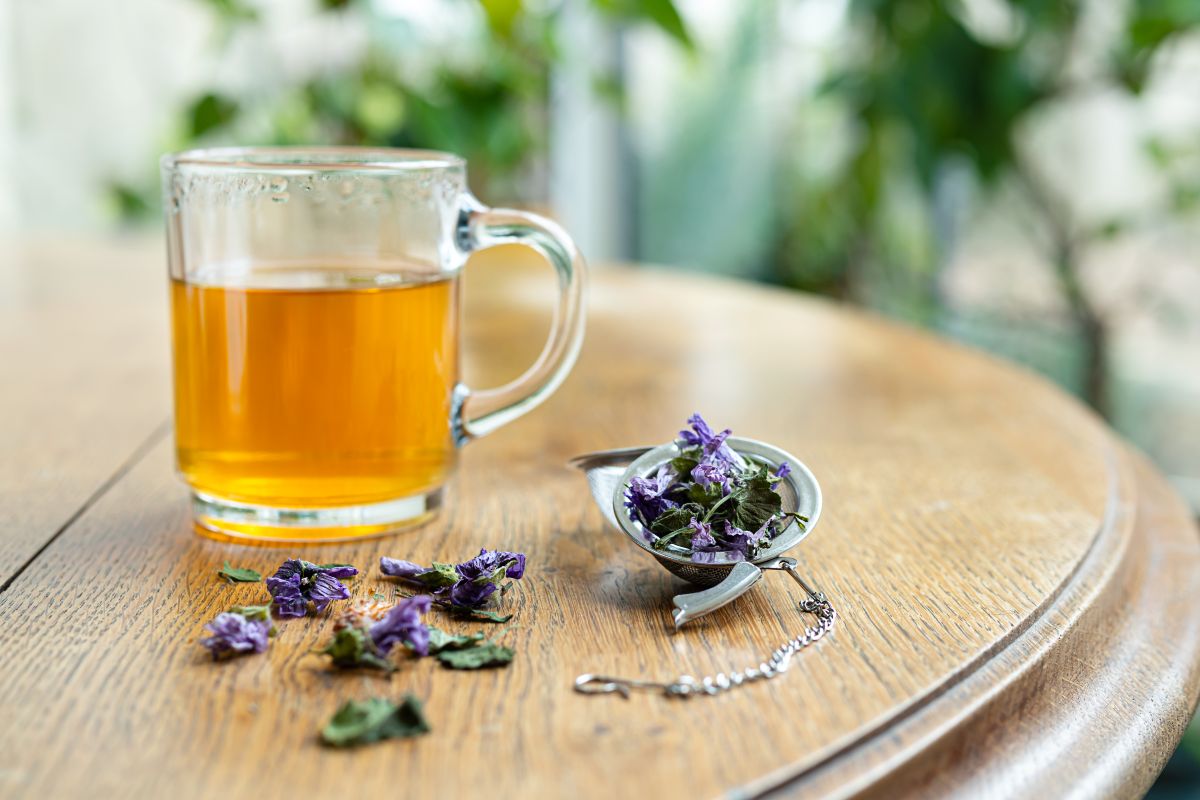
Chasteberry tea has been used for centuries to support reproductive health. It works by influencing the pituitary gland, which regulates luteinizing hormone (LH) and progesterone production.
Women who struggle with PMS, luteal phase defects, irregular cycles, or progesterone deficiencies often find chasteberry to be a game-changing addition to their routines.
This tea is especially supportive for women trying to restore normal menstrual function after periods of stress, hormonal birth control, or chronic cycle irregularities.
4. Green Tea
Green tea contains polyphenols and catechins, particularly EGCG, which support metabolic health, liver function, and inflammation - all essential components of hormone balance.
Green tea helps stabilize blood sugar, which plays a crucial role in managing cravings, mood swings, PCOS symptoms, and weight changes. It also supports liver detoxification pathways that metabolize hormones like estrogen.
Green tea provides gentle, steady energy without the jittery effects of coffee, making it an excellent morning or early afternoon choice for women looking to stay energized while supporting hormone health.
5. Turmeric & Ginger Tea
Turmeric and ginger work together as powerful anti-inflammatory and metabolic herbs.
Hormonal symptoms such as bloating, breast tenderness, cramps, acne, and mood swings often worsen when inflammation is high. This blend helps reduce inflammatory pathways and supports insulin stability.
Women experiencing PMS pain, PCOS inflammation, perimenopausal discomfort, or chronic bloating often find turmeric-ginger tea to be particularly soothing.
Its warming effect on digestion also helps reduce water retention and digestive sluggishness that may worsen hormonal symptoms.
Hormonal Balance Tea for Women: Benefits Across Life Stages
Every woman’s hormonal needs evolve throughout life. The right teas can provide support during transitions from the teen years to menopause and beyond.
PMS and Menstrual Irregularities
Teas like chasteberry, ginger, and spearmint help relieve cramps, mood swings, bloating, and cycle irregularity.
PCOS Support
Spearmint, turmeric, and green tea help address common PCOS concerns such as insulin resistance, inflammation, and androgen excess.
Perimenopause and Menopause

Many women experience sleep problems, irritability, hot flashes, and stress during this time. Ashwagandha, chamomile, and lemon balm help calm the nervous system and support more stable cortisol levels.
Thyroid-Related Symptoms
While tea cannot treat thyroid disorders, calming herbs and anti-inflammatory blends help support the systems affected by thyroid function - energy, mood, and metabolism.
Postpartum Hormone Shifts
Once cleared by a healthcare provider, women may benefit from calming teas that support sleep, stress resilience, and nervous system recovery.
Stress-Driven Hormonal Changes
Women under chronic stress often see cycle changes, fatigue, irritability, cravings, and skin issues. Adaptogenic teas like ashwagandha and rhodiola can help the body adapt and rebalance.
Hormonal balance tea for women is versatile and adaptable, offering support no matter where you are in your hormonal journey.
Cortisol, Stress, and Tea: Why Your Stress Hormone Matters More Than You Think
Cortisol is a central player in hormonal health because it interacts with nearly every other hormone in the body.
When cortisol levels rise too frequently or remain elevated for long periods, the endocrine system begins to prioritize survival over balance. This shift impacts sleep quality, mood, weight regulation, cravings, digestion, and even menstrual function.
High cortisol also decreases progesterone production and interferes with estrogen regulation, which is why chronic stress often shows up as PMS, irregular cycles, shorter luteal phases, heightened anxiety, or worsening perimenopausal symptoms.
Herbal teas that support cortisol balance, such as ashwagandha, chamomile, lemon balm, and rhodiola, help calm the nervous system and reduce the chronic activation of the stress response.
With consistent use, these teas can improve sleep depth, reduce irritability, stabilize emotional responses, and support a healthier daily cortisol curve.
How to Brew and Use Herbal Teas for Maximum Hormone Support
To get the full benefit of hormonal balance teas, quality and consistency matter.
Brewing Tips
- Steep herbal teas for at least 5–10 minutes
- Cover your mug to preserve essential oils
- Use fresh, filtered water for maximum extraction
Timing
- Morning: metabolic teas like green tea, turmeric, or ginger
- Afternoon: spearmint or chasteberry for cycle support
- Evening: ashwagandha, chamomile, or lemon balm for sleep
Most herbal teas work best when consumed daily for several weeks, allowing the body time to adjust.
When Herbal Tea Isn’t Enough
Herbal teas offer powerful support, but they cannot supply the vitamins, minerals, adaptogens, and metabolic nutrients required for comprehensive hormone regulation.
Women experiencing chronic stress, PCOS, menopausal symptoms, insulin resistance, or persistent fatigue often need additional, more targeted support.
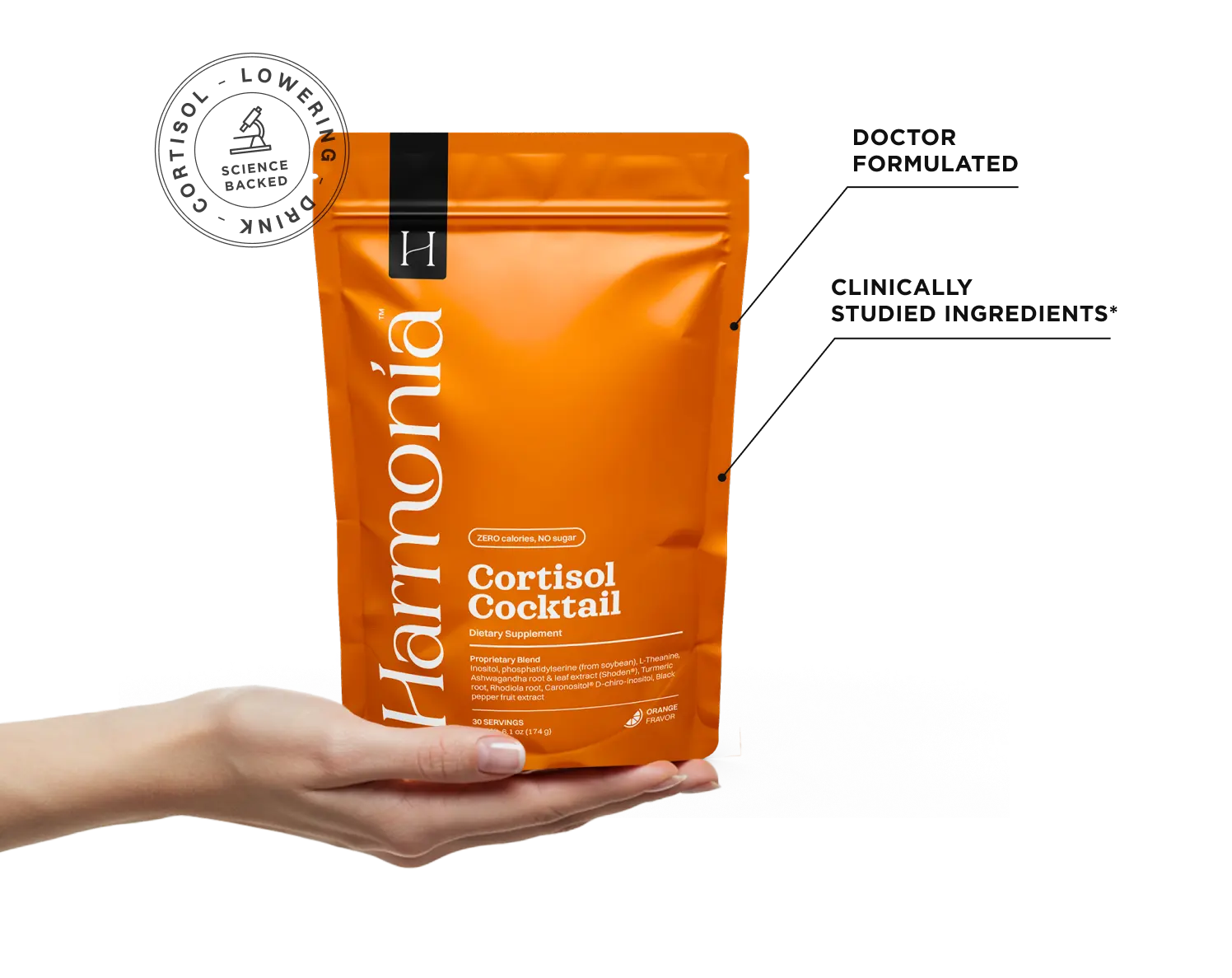
This is where Harmonia becomes a valuable complement to tea-based routines. While tea supports daily rituals and provides calming and anti-inflammatory benefits, Harmonia delivers a clinical-level blend of nutrients that address the deeper drivers of hormonal imbalance.
Together, herbal tea and Harmonia create a supportive foundation that helps women feel more balanced, energized, and emotionally grounded.
Conclusion
Supporting hormonal balance doesn’t have to be complicated. A simple, consistent routine - built around herbal teas, nourishing foods, restorative sleep, and nervous system support - helps the body reset and thrive.
Teas offer a calming, enjoyable way to address stress, inflammation, metabolic balance, and menstrual or menopausal symptoms. And when paired with a comprehensive formula like Harmonia, women often notice deeper improvements in mood, sleep, cravings, energy, and overall hormonal stability.
If you’re looking to understand your symptoms and create a personalized routine, you can take Harmonia’s short quiz to discover the best path toward feeling balanced and energized again.
References
- Abbasi, E., Hajhashemy, Z., Askari, G., & Saneei, P. (2024). Association of Herbal Tea and Follicle-Stimulating Hormone, Anthropometric Parameters, and Fasting Blood Glucose Levels Among Polycystic Ovarian Syndrome Women: A Systematic Review and Meta-Analysis of Clinical Trials. Clinical nutrition research, 13(3), 201. Link.
- Grant, P. (2010). Spearmint herbal tea has significant anti‐androgen effects in polycystic ovarian syndrome. A randomized controlled trial. Phytotherapy research: An international journal devoted to pharmacological and toxicological evaluation of natural product derivatives, 24(2), 186-188. Link.
- Sitorus, H. P., & Silitonga, M. (2025). The Role of cortisol in the stress response. International Journal of Ecophysiology, 7(1), 48-58. Link.