Emotional eating doesn’t come from a lack of willpower. It comes from the body’s chemistry, stress response, and deep-rooted patterns that make food feel like the fastest way to find relief.
Many women experience emotional eating during stressful weeks, hormonal shifts, late evenings, or moments of exhaustion-and it can make weight loss feel frustratingly out of reach.
The good news is that emotional eating can be understood and changed. Once you learn how your brain, hormones, and stress system shape your cravings, you can build healthier patterns that support both emotional well-being and sustainable weight loss.
This guide teaches you how to stop emotional eating, regulate cravings, and build a more peaceful relationship with food-using strategies grounded in psychology, nutrition, hormone science, and nervous-system support.
What Emotional Eating Really Is
Most people think emotional eating is simply “eating when you’re stressed.” But it’s more complex. Emotional eating is a patterned response where the brain uses food-especially sugary, salty, and high-fat foods-to soothe discomfort or fill a moment of overwhelm.
Emotional vs. Physical Hunger
- Physical hunger develops gradually. It improves after eating a balanced meal, and your body gives cues like stomach growling, lower energy, or increased focus on food.
- Emotional hunger appears suddenly. It pushes you toward specific comfort foods and rarely feels satisfied, even after eating. The goal isn’t nourishment-it’s relief, distraction, or emotional regulation.
If you’ve ever walked into the kitchen after a stressful meeting or opened the pantry late at night despite not being hungry, you’ve experienced emotional hunger.
The Brain Pathways Behind Emotional Eating
Emotional eating is deeply tied to the reward centers of the brain:
- Dopamine spikes make comfort food feel like temporary relief.
- Stress activates the amygdala, which signals danger and drives us toward quick-fix comfort.
- The prefrontal cortex goes offline, making decision-making harder and impulsive eating easier.
- Learned associations form over time (“cookies calm me down,” “snacking helps me cope”).
This is why telling yourself “just don’t do it” never works. You’re fighting biology-not discipline.
Why High Cortisol Makes Cravings Worse

Cortisol, the body’s primary stress hormone, is one of the biggest drivers of emotional eating.
When cortisol rises:
- Appetite increases
- Cravings shift toward sugar and carbs (fast energy)
- Impulse control decreases
- Comfort eating becomes more rewarding
Chronic stress leads to a cycle where elevated cortisol creates cravings, and those cravings reinforce emotional eating. Poor sleep, anxiety, PMS, perimenopause, and blood sugar swings add even more fuel to the cycle.
This is one reason so many women find emotional eating worse during the evening: cortisol destabilizes across the day, and by nighttime the body seeks something to take the edge off.
Understanding this link is empowering-because once you regulate stress hormones, cravings naturally become easier to manage.
Signs You’re Emotional Eating - Even If You Don’t Realize It
Many women don’t initially recognize emotional eating patterns because they blend into daily routines. Here are the most common signs:
- Eating when you’re not physically hungry
- Craving very specific comfort foods (chips, chocolate, bread, desserts)
- Eating after stressful interactions or long workdays
- Snacking while overwhelmed, anxious, or bored
- Feeling guilt or frustration after eating
- Losing track of how much you ate
- Eating more emotionally during PMS, anxiety spikes, or sleep-deprived weeks
- Feeling “out of control” around food
If you see yourself in even a few of these examples, you’re not alone. Emotional eating is extremely common-and with the right tools, absolutely manageable.
How to Stop Emotional Eating: Science-Backed Strategies That Actually Work
Stopping emotional eating isn’t about restrictions or rules. It’s about supporting your body, regulating your stress response, and building structure that makes cravings less intense.
The following steps combine behavioral psychology, nutrition science, and hormonal support to help you make real progress.
Step 1: Identify Your Emotional Eating Triggers
You cannot break emotional eating if you don’t know what activates it. Common triggers include:
- Stress
- Overwhelm
- Fatigue
- Boredom
- Anxiety
- Loneliness
- Conflict
- PMS or hormonal shifts
- Blood sugar drops
- Over-restricting food earlier in the day
A useful technique is the Pause & Label Method:
- Pause for 10 seconds before eating.
- Ask, “What am I actually feeling?”
- Label it-stress, frustration, sadness, exhaustion, boredom, anxiety.
- Choose whether you want food or another comfort strategy.
This tiny pause interrupts autopilot eating long enough for clearer choices.
Step 2: Balance Blood Sugar to Reduce Cravings Naturally
Blood sugar swings are one of the biggest, least-discussed reasons emotional eating feels uncontrollable. When glucose drops, the brain panics and demands quick energy-usually sugar or carbs.
Balancing blood sugar reduces emotional cravings significantly.
Key principles:
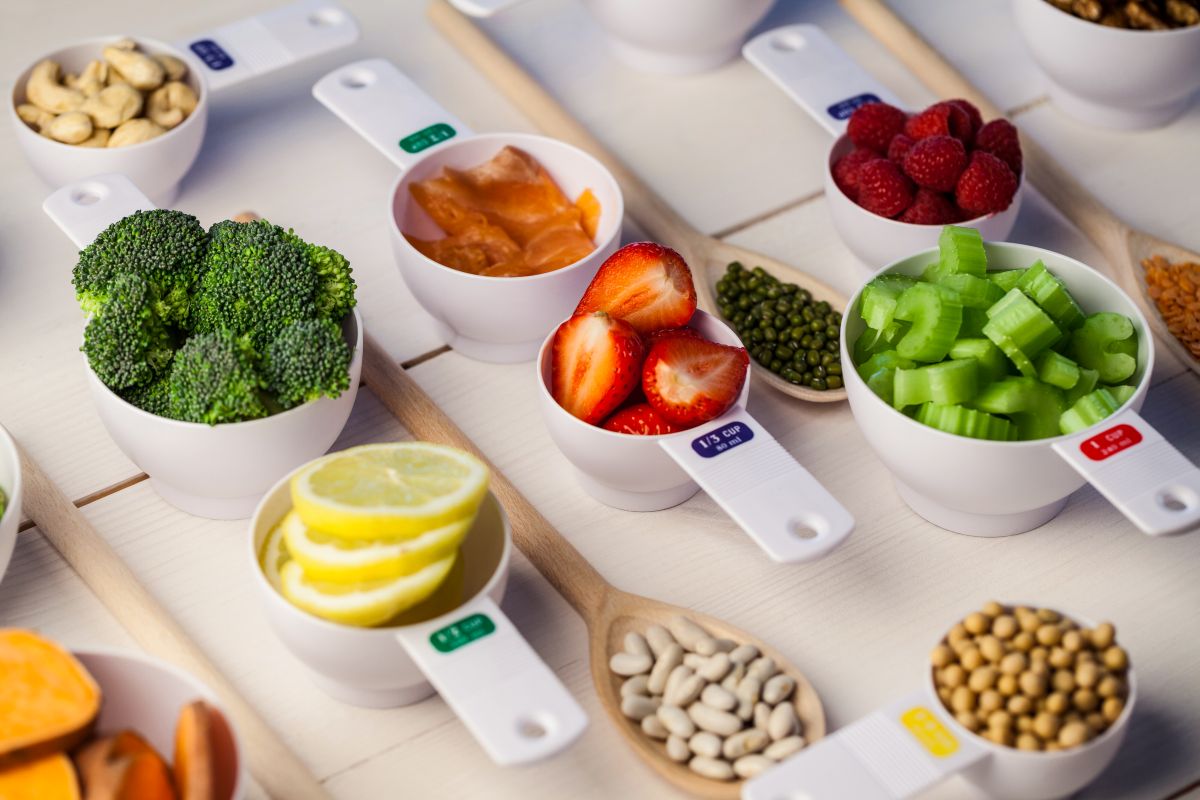
- Eat balanced meals with protein, fiber, and healthy fats.
- Avoid skipping meals, which triggers stress eating.
- Add protein to breakfast to stabilize hunger all day.
- Use “protein-first” eating in moments of cravings or PMS.
Examples of stabilizing snacks:
- Greek yogurt + berries
- Apple + peanut butter
- Hummus + veggies
- Cottage cheese + fruit
- Edamame
- Nuts (pre-portioned)
Step 3: Build a Stress-Reducing Daily Routine
Because emotional eating is stress-driven, reducing daily stress prevents overeating more effectively than sheer discipline.
Simple, powerful routines include:
- 2-minute breathwork between tasks
- Short afternoon walks to release cortisol
- Morning light exposure to regulate hunger and energy
- Five-minute “transition breaks” after work to decompress before dinner
- Quiet nighttime rituals to wind down the nervous system
Stress management doesn't need to be complicated-it just needs to be consistent.
Step 4: Regulate Cortisol to Reduce Emotional Craving Cycles
When cortisol is high or unstable, emotional eating becomes nearly automatic. Women are especially sensitive to cortisol fluctuations, which influence appetite, emotional regulation, and food choices.
Supporting cortisol helps:
- Reduce carb and sugar cravings
- Improve mood and impulse control
- Regulate emotional hunger
- Improve sleep (which lowers next-day cravings)
- Stabilize daily energy
Alongside lifestyle changes, many women find support from nutrients known to influence stress pathways, such as:
- L-theanine for calm focus
- Ashwagandha for stress resilience
- Myo-inositol & D-chiro inositol for cravings, insulin sensitivity, and hormonal balance
- Rhodiola for emotional resilience
- Phosphatidylserine for nighttime cortisol regulation
- Turmeric for inflammation and metabolic support
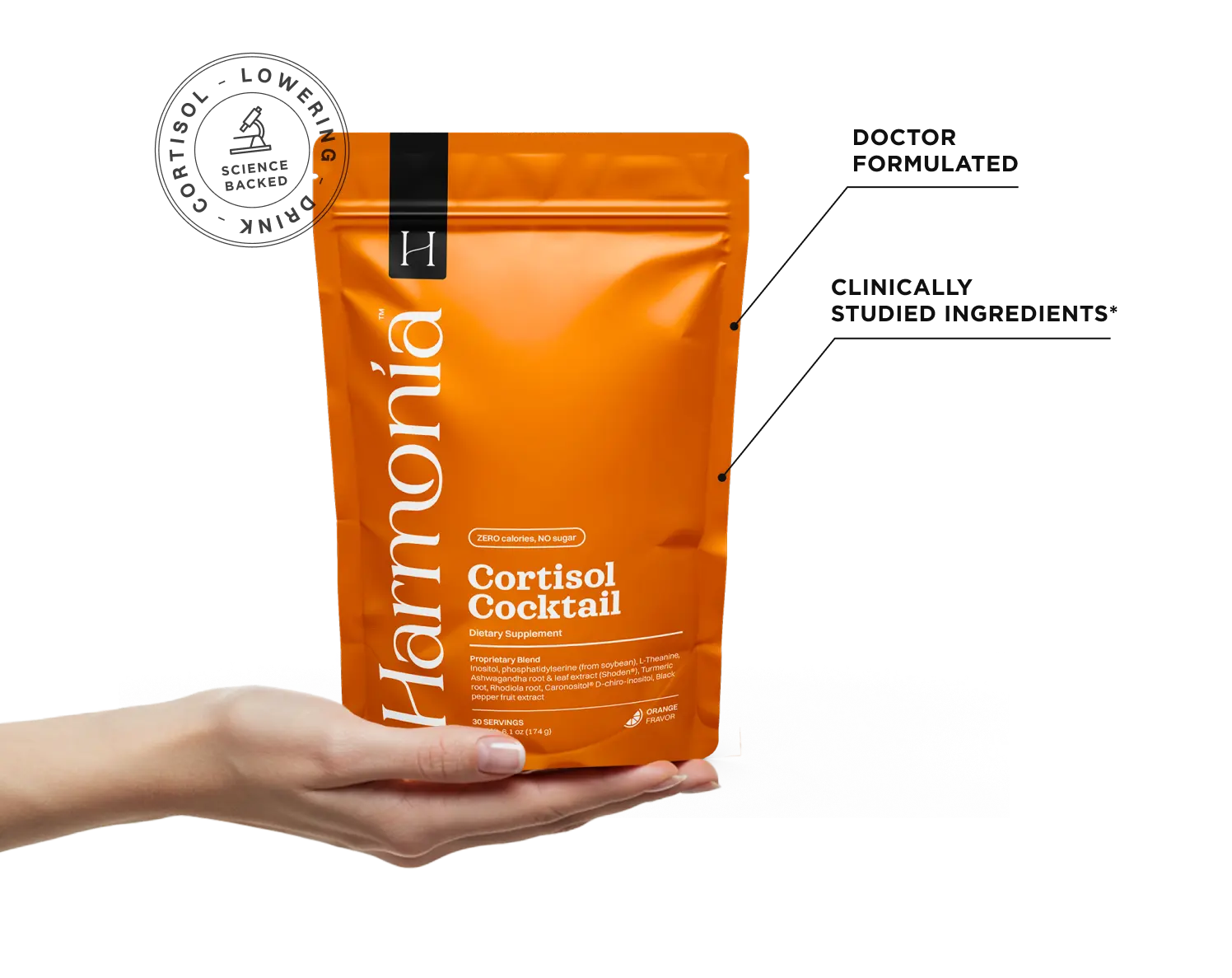
These ingredients are used in comprehensive formulas such as Harmonia, which are designed to help regulate cortisol and support emotional eating patterns.
The key is that nutritional and adaptogenic support works best when paired with daily habits-not as a standalone solution.
Step 5: Replace Emotional Eating With Emotional Regulation
Food often becomes the fastest coping mechanism because it provides immediate relief. The goal is not to eliminate comfort but to diversify it.
Here are effective alternatives to break the cycle:
- Grounding techniques: cold water on hands, slow breathing, weighted blankets
- Sensory regulation: warmth, stretching, soothing scents
- Emotional substitutions: journaling, venting, gentle movement, music
- Somatic tools: shaking, stretching, tapping
- The “90-Second Wave Rule”: emotions naturally peak and fall within 90 seconds-pausing helps cravings pass
Replacing emotional eating isn't about restriction; it's about giving the body the regulation it’s actually craving.
Step 6: Improve Sleep to Reduce Hunger Hormone Dysregulation

Poor sleep makes emotional eating dramatically worse.
When sleep is disrupted, the following shifts occur:
- Ghrelin rises → increased hunger
- Leptin drops → reduced fullness signals
- Cortisol rises → stronger cravings
- Impulse control decreases → more emotional snacking
Sleep is not just rest-it shapes appetite, metabolism, mood, and food decisions.
Ways to improve sleep quality:
- Dim lights 1 hour before bed
- Limit screens before bedtime
- Use a calming nighttime routine
- Support relaxation through breathwork, magnesium, L-theanine, or calming herbal blends
- Create a consistent sleep-wake schedule
Better sleep consistently reduces next-day cravings and emotional eating urges.
Step 7: Build a Supportive Food Environment
Your environment shapes your habits-more than motivation ever will. Strategies that help:
- Move trigger foods out of sight
- Keep balanced snacks accessible
- Pre-portion snacks to avoid mindless overeating
- Do weekly prep of “no-decision meals”
- Avoid grocery shopping when stressed or hungry
- Have default dinners that prevent impulsive choices
A supportive environment reduces emotional eating by making alignment easier than avoidance.
Step 8: Create an Anti-Emotional Eating Nutrition Framework
Emotional eating peaks when you’re under-fueled, tired, or hormonally vulnerable. A strategic nutrition framework helps stabilize your body so emotional hunger doesn't take over.
- Morning strategy: A protein-rich breakfast (20–30g) improves energy, mood, and cravings all day.
- Snack planning: Keep hydrating, protein-bearing snacks available. Many women do best with two small snacks between meals.
- PMS adjustments: Increase protein, magnesium-rich foods, water, and foods high in B-vitamins.
- "High-stress day" meals: When the day is chaotic, rely on simple, nourishing meals such as:
- Eggs + fruit
- Smoothies with protein
- Yogurt bowls
- Rotisserie chicken + veggies
- Rice bowls with protein and greens
Eating regularly prevents the low-energy crashes that trigger emotional cravings.
Conclusion
If emotional eating has felt like a battle you can’t win, take a breath-you’re not failing. Your body has simply been asking for support in ways you may not have recognized.
When stress builds, when sleep is inconsistent, when hormones fluctuate, and when energy crashes hit, turning to food is a natural response. But with the right tools, you can shift these patterns and feel grounded in your choices again.
The combination of nervous-system tools, hormone-friendly eating strategies, consistent rest, and targeted cortisol support makes a powerful difference. Harmonia can be part of that support system.
Its blend of calming, hormone-balancing, and stress-regulating ingredients was created to help women feel calmer in their bodies, more emotionally steady, and less controlled by cravings-so food becomes nourishment rather than a coping mechanism.
If you want help understanding where your emotional eating is coming from and how to support your body more effectively, start with the Harmonia quiz. It’s a compassionate, insightful way to learn what your system needs-and how to create meaningful, sustainable change.
References
- Charbonneau, A. (2010). Stress, mood, eating, and craving (Doctoral dissertation, Carleton University). Link.
- Zerón-Rugerio, M. F., Doblas-Faxeda, S., Diez-Hernández, M., & Izquierdo-Pulido, M. (2023). Are emotional eating and other eating behaviors the missing link in the relationship between inadequate sleep and obesity? A systematic review. Nutrients, 15(10), 2286. Link.