
Waking up with a racing heart, a sense of dread, or anxious thoughts before the sun even rises is more common than you might think. For many people, this pattern of waking up anxious feels overwhelming and sets a negative tone for the entire day. But what if there were a clear biological explanation - one tied directly to your body’s natural hormone rhythm?
This is where cortisol, the “stress hormone,” comes in. While cortisol plays an essential role in waking us up and preparing us for the day, it can become problematic when levels rise too high.
In this article, we’ll explore why cortisol spikes in the morning, the symptoms of high cortisol levels, how morning anxiety develops, and most importantly - effective strategies to lower cortisol naturally.
Can cortisol contribute to early-morning anxiety?
Yes. Cortisol’s normal rise before and shortly after waking may contribute to early-morning anxiety, especially when poor sleep, chronic stress, or an existing anxiety condition has made the body more reactive.
What is Cortisol?
Cortisol is a hormone produced by the adrenal glands. It regulates many vital functions including metabolism, immune response, blood sugar balance, and -most importantly- our body’s stress response. It’s often called the “fight-or-flight” hormone, but cortisol isn’t all bad. In fact, in healthy amounts, it’s essential for survival.
Why is Cortisol Highest in the Morning?

Cortisol isn’t random - it follows the circadian rhythm, which is your body’s internal 24-hour clock. As part of this rhythm, the body experiences a cortisol awakening response (CAR), a sharp increase in cortisol levels within the first 30-60 minutes after waking. A 2025 review in Endocrine Reviews confirms this as a consistent, biologically meaningful feature of a healthy stress axis, not a sign of dysregulation.
This surge helps you:
- Shake off grogginess.
- Boost mental clarity.
- Mobilize stored energy for the day ahead.
So yes, cortisol is naturally highest in the morning, and that’s normal. However, problems arise when this morning rise is too steep, happens too early (such as a cortisol spike at 3am), or stays elevated for too long. In these cases, instead of helping you feel energized, cortisol leaves you wired, anxious, and exhausted.
What Time Does Cortisol Peak?
For most people, cortisol peaks between 6-8 AM. This timing isn’t random - it’s tied to your internal body clock. After peaking, cortisol should gradually decline throughout the day, reaching its lowest levels at night to support restful sleep.
However, lifestyle stress, poor sleep quality, or hormonal imbalances can cause abnormal patterns, like a cortisol spike at 3am or excessively high cortisol in the morning - both of which fuel anxiety and restlessness.
What causes early morning anxiety waking?
Early morning waking with anxiety, typically between 3 and 5 AM, happens because cortisol naturally begins rising around this time. In people with a regulated stress axis, the rise is gradual and doesn't cause disturbance. When the HPA axis is over-sensitized from chronic stress or poor sleep, the body treats this normal hormonal shift as an emergency: heart rate climbs, blood pressure rises, and the mind races before you've formed a single thought.
A 2024 pilot study in PLOS ONE found that anticipated stress, specifically worrying about the following day, directly predicted how large the cortisol awakening response was the next morning. Nighttime anxiety amplifies what your body does at dawn.
When Cortisol Becomes Problematic
Normally, cortisol should provide a healthy burst of energy in the morning. But when your stress response is overactive, it can cause:
- Cortisol spike in the morning that feels like panic.
- Cortisol spike at 3am that wakes you suddenly in the night.
- Cortisol levels that remain high, leaving you tired but wired all day.
Over time, this dysregulation can contribute to insomnia, chronic stress, weight gain, mood swings, and burnout.
Symptoms of High Morning Cortisol

High cortisol in the morning doesn’t just cause mental stress - it affects the whole body.
Mental & Emotional Symptoms
- Sudden morning anxiety or dread.
- Difficulty calming racing thoughts.
- Irritability or mood swings.
- Brain fog or inability to focus.
Physical Symptoms
- Rapid heartbeat or palpitations.
- Sweaty palms or feeling overheated.
- Jaw clenching, teeth grinding, or tension headaches.
- Stomach upset or nausea.
- Energy crash later in the morning despite waking early.
These symptoms of high cortisol levels in the morning often lead people to rely on caffeine or sugar for energy - unfortunately, that only worsens the cycle.
How to Break the Cycle of Morning Anxiety and Lower Cortisol
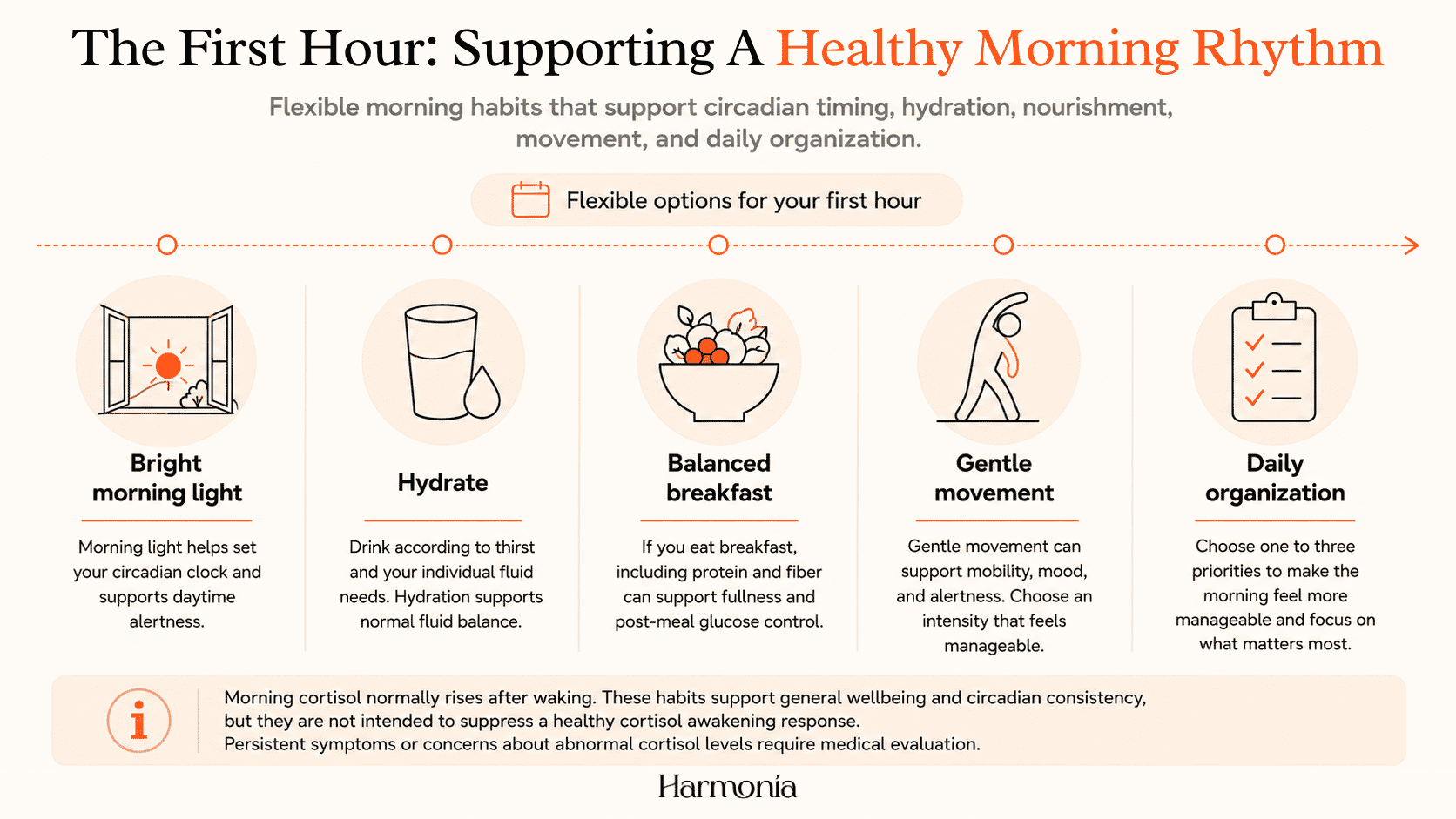
If you often wake with morning anxiety, it can feel like an endless loop: stress raises cortisol, high cortisol fuels anxiety, and anxiety disrupts sleep - leading to another anxious morning. The good news is, with intentional changes, you can interrupt this cycle and bring cortisol back into balance.A 2024 systematic review in Psychoneuroendocrinology confirmed that targeted stress management interventions produce measurable reductions in cortisol.
Here are proven strategies to calm your mornings and reduce cortisol levels naturally:
1. Improve Sleep Hygiene and Bedtime Habits
Cortisol regulation begins the night before. Poor-quality or inconsistent sleep raises the chance of a cortisol spike in the morning. To support healthier rhythms:
- Keep a consistent bedtime and wake-up time, even on weekends.
- Power down screens an hour before bed to reduce blue light exposure.
- Make your bedroom cool, quiet, and dark to promote restorative rest.
- Try calming rituals such as herbal tea, meditation, or light stretching.
2. Start Your Morning Calmly
Instead of rushing into work emails or scrolling social media, give your body signals of safety:
- Breathing techniques like box breathing (inhale 4, hold 4, exhale 4, hold 4).
- Gentle meditation or prayer to ground your thoughts.
- Journaling anxious thoughts so they don’t spiral through your day.
These practices send the message to your nervous system that it doesn’t need to stay in fight-or-flight mode.
3. Choose Gentle Movement Over Intense Workouts
Exercise is healthy, but timing matters. High-intensity workouts early in the morning can spike cortisol further. Instead, start with yoga, stretching, or a short walk to calm the body and release tension without overstimulation.
4. Support Your Body With Nutrition

What you eat - and when you eat it - shapes your cortisol response. To stabilize morning hormones:
- Avoid drinking coffee on an empty stomach, which can spike cortisol.
- Eat a balanced breakfast with protein, healthy fats, and complex carbs.
- Include magnesium-rich foods like leafy greens and potassium-rich foods like bananas to calm the nervous system.
- Stay hydrated with mineral-rich water to replenish electrolytes lost overnight.
For a broader look at which foods reduce cortisol output, the foods that lower cortisol overview covers the most evidence-backed options.
5. Use Adaptogens and Nutrient Support
Certain herbs and nutrients, known as adaptogens, help regulate cortisol by modulating the HPA axis response to stress rather than suppressing cortisol outright.
KSM-66 Ashwagandha is the most studied adaptogen for cortisol reduction. A 2025 systematic review and meta-analysis in BJPsych Open pooled data from 15 randomized controlled trials and found statistically significant reductions in salivary cortisol and anxiety scores with consistent supplementation.
Rhodiola Rosea reduces fatigue under stress and builds stress tolerance without sedation.
Phosphatidylserine modulates the cortisol response directly at the HPA axis. In a double-blind crossover trial, 600 mg per day for 10 days reduced peak cortisol by approximately 35–39% versus placebo.
Magnesium and B vitamins support nervous system function and are commonly depleted under sustained stress, which can worsen both sleep quality and the morning cortisol spike.
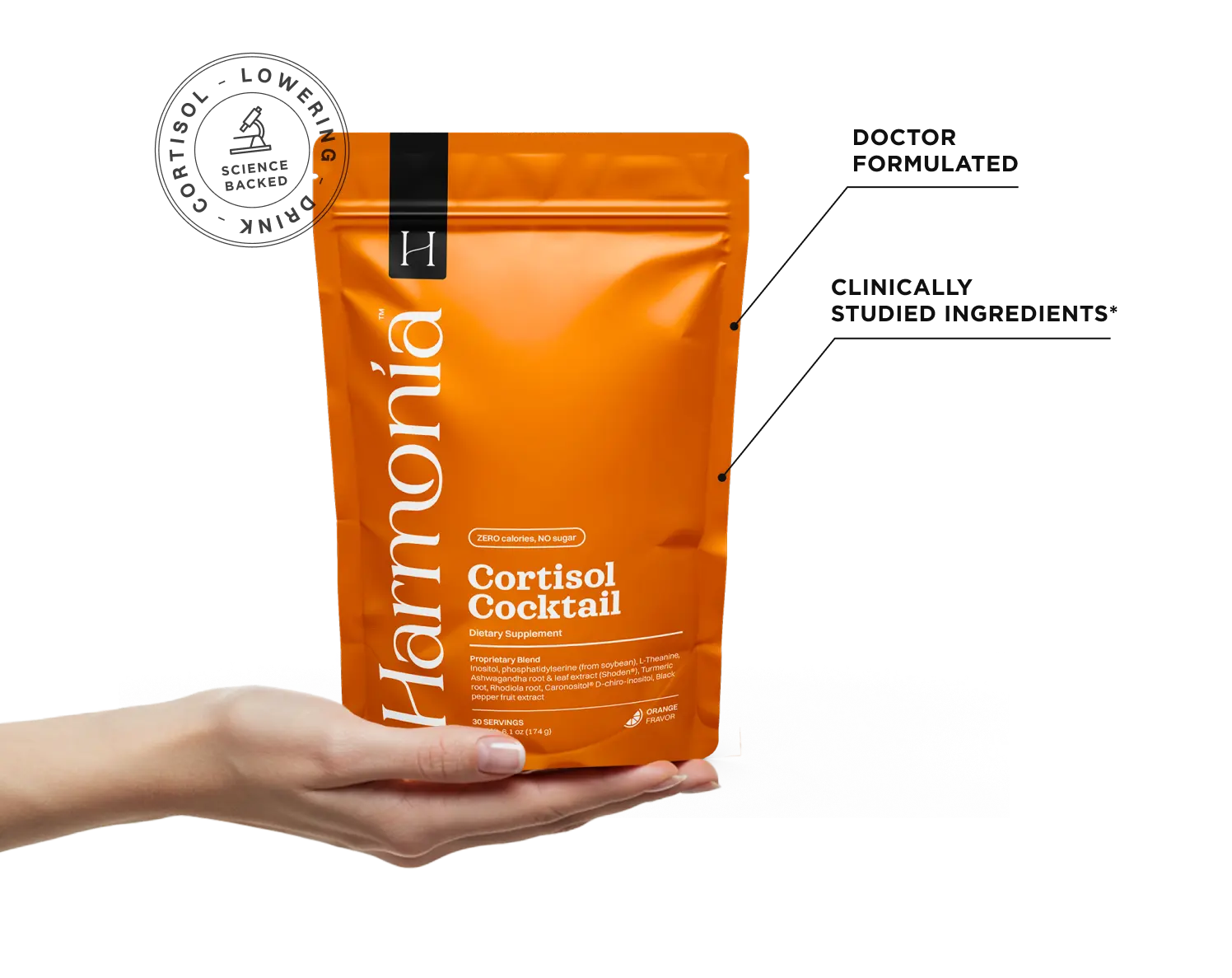
These adaptogens and nutrients are combined in Harmonia's Cortisol Cocktail, a formula built around the HPA axis dysregulation pattern behind morning cortisol anxiety.
6. Reset Your Circadian Rhythm With Morning Light
Your body clock depends on light exposure to align cortisol properly. Getting 10-15 minutes of natural sunlight within an hour of waking helps regulate the cortisol awakening response. This signals to your body when to wake up and when to wind down at night.
7. Manage Stress Throughout the Day
Since morning anxiety is often the result of accumulated stress, lowering overall stress levels is key:
- Take breaks away from screens.
- Step outdoors for fresh air and movement.
- Practice mindfulness or gratitude exercises in the afternoon.
- Avoid stimulants like caffeine late in the day.
By easing stress throughout the day, you reduce the chances of a cortisol spike at night or early morning.
Harmonia: Smart Cortisol Support for Morning Anxiety

Modern living constantly challenges our stress system. Between busy schedules, late-night screen time, processed foods, and hormonal changes, cortisol can stay elevated when it should be winding down.
The result is a pattern many women recognize: restless nights, sudden 3am wake-ups, grogginess, and anxious mornings that feel impossible to shake. Over time, this constant cycle of stress can leave you feeling drained, irritable, and out of balance.
Harmonia was created to address exactly this problem. It’s a smart, plant-based cortisol support drink designed to work with your body’s natural rhythms. Instead of masking symptoms with stimulants or quick fixes, Harmonia helps regulate cortisol itself, making mornings calmer, sleep more restorative, and energy steadier throughout the day.
The formula combines some of the most effective adaptogens and nutrients studied for stress relief and hormone balance. Together, these ingredients create a unique synergy that helps women break free from the cycle of morning anxiety and high cortisol.
If your symptoms have been pointing toward a disrupted cortisol pattern, you can take the quiz to see whether the Harmonia Cortisol Cocktail fits where you are right now.
Frequently asked questions
Why do I wake up at 3 AM with anxiety?
Cortisol begins rising around 2–3 AM as part of its natural daily pattern. In people with a regulated stress system, this rise is gradual. When the HPA axis is over-sensitized from chronic stress or poor sleep, the body treats this normal hormonal shift as an emergency signal: heart rate climbs, blood pressure rises, and the mind starts racing before dawn.
What are the signs of high morning cortisol?
The key signs are waking already on edge: rapid heartbeat before getting out of bed, jaw tension, stomach upset, sweating, and a sense of dread with no identifiable cause. The distinguishing sign is that symptoms arrive before any anxious thought forms, pointing to a hormonal rather than purely psychological trigger.
How do I stop waking up with anxiety every morning?
The most effective approach addresses both sides: reducing cortisol output through consistent sleep timing, morning light exposure, and adaptogen support, while reducing nervous system reactivity through breathing techniques and avoiding caffeine in the first hour after waking.
How long does it take to lower morning cortisol?
With consistent lifestyle changes, most people notice improvement within 2–4 weeks. Ashwagandha studies report significant cortisol reductions after 4–8 weeks at doses of 300–600 mg. Consistent wake times and morning light can begin influencing the cortisol awakening response within 1–2 weeks.
References
- Clow, A., Hucklebridge, F., & Thorn, L. (2010). The cortisol awakening response in context. International review of neurobiology, 93, 153-175. Link.
- Rogerson, O., Wilding, S., Prudenzi, A., & O’Connor, D. B. (2024). Effectiveness of stress management interventions to change cortisol levels: A systematic review and meta-analysis. Psychoneuroendocrinology, 159, 106415. Link.