PCOS mood swings are one of the most frustrating and overlooked symptoms women experience.
While the physical side of PCOS-irregular cycles, acne, weight fluctuations, or insulin resistance-often gets attention, the emotional side is just as real and just as disruptive. Many women describe their PCOS mood swings as “sudden,” “intense,” or “out of nowhere,” even when nothing particularly stressful is happening.
If you’ve ever wondered why you feel irritable one moment, anxious the next, and exhausted shortly after, there’s an explanation. And the good news: you can take meaningful, natural steps to stabilize these patterns.
This guide walks you through the root causes behind PCOS mood swings and the most effective strategies to manage them naturally-without guessing or relying on temporary fixes.
Why Mood Swings Are One of the Most Overlooked PCOS Symptoms
PCOS (Polycystic Ovary Syndrome) affects reproductive hormones, blood sugar regulation, metabolism, and how the body responds to stress.
According to global health estimates, PCOS impacts roughly 6–13% of women of reproductive age, making it one of the most common hormonal conditions worldwide. Even though it’s classified as an endocrine condition, its effects ripple through multiple systems-including the brain.
While symptoms like irregular cycles, ovarian cysts, and weight changes are well-known, emotional symptoms are often underestimated. Many women with PCOS experience:
- Sudden irritability
- Unexplained sadness
- Anxiety or worry
- Low frustration tolerance
- Brain fog
- Emotional sensitivity
- Overwhelm
These are not personality traits. They’re physiological responses caused by hormonal and metabolic imbalances.
PCOS mood swings are often misunderstood-even by women themselves-because they appear inconsistent or triggered by “small things.” But there is nothing random about them. They follow clear hormonal and biochemical patterns.
Recognizing mood shifts as part of PCOS-and not a personal flaw-is the first step toward managing them effectively and compassionately.
What Causes PCOS Mood Swings? The Hormonal Chain Reaction

Mood regulation depends on stable hormones, balanced blood sugar, the right stress response, and a healthy nervous system. PCOS disrupts all of these. Understanding what’s happening internally makes the symptoms far easier to manage.
Here are the main drivers of PCOS mood swings:
Insulin Resistance
Up to 70% of women with PCOS have insulin resistance. When your blood sugar spikes and crashes, your brain struggles to maintain emotional stability. This can cause:
- Irritability
- Mood crashes between meals
- Anxiety
- Emotional eating
- Low energy that intensifies mood swings
Blood sugar and mood are closely connected, and PCOS makes that connection even stronger.
Estrogen Fluctuations
Estrogen levels can fluctuate significantly in PCOS, especially when ovulation is irregular. Estrogen plays a major role in neurotransmitters like serotonin and dopamine. When estrogen is unstable, emotional highs and lows become more pronounced.
Low Progesterone
Many women with PCOS do not ovulate regularly, and if ovulation is inconsistent, progesterone levels remain low. Low progesterone is linked to:
- Anxiety
- Restlessness
- Trouble sleeping
- Irritability
- A shorter emotional fuse
Progesterone is known as the “calming hormone,” and without it, your mood has less built-in support.
Inflammation
PCOS is associated with low-grade inflammation. Inflammation affects the brain’s ability to regulate mood and can contribute to:
- Brain fog
- Lack of motivation
- Mood instability
- Fatigue

Nutrient Deficiencies
Many women with PCOS experience deficiencies in key mood-supporting nutrients such as magnesium, omega-3s, B vitamins, and vitamin D. These deficiencies can make mood swings more intense or more frequent.
All of these factors together create a biochemical environment that can feel chaotic-especially when left unaddressed.
Signs Your Mood Swings May Be Connected to PCOS
Not all mood swings are hormonal, but certain patterns strongly suggest PCOS as the root cause. Common signs include:
- Mood shifts that feel sudden or disproportionate
- Feeling overwhelmed by small stressors
- Anxiety that peaks around irregular cycles
- Irritability when meals are skipped or delayed
- Emotional crashes in the afternoon
- Feeling “not like yourself” during hormonal fluctuations
- Mood instability paired with fatigue, cravings, or poor sleep
- Trouble concentrating or staying emotionally grounded
PCOS mood swings don’t typically follow a predictable monthly pattern, because ovulation can be irregular or missing altogether.
That means the emotional rhythms of a regular cycle-like PMS-may not apply. Your emotional symptoms may appear scattered, but they’re following hormonal signals nonetheless.
If you recognize these patterns, the emotional side of PCOS is likely impacting your day-to-day life-and it’s time to treat mood swings as a real, addressable part of your condition.
How High Cortisol Makes PCOS Mood Swings Worse
The connection between PCOS and cortisol (your main stress hormone) is rarely discussed, but it is one of the biggest contributors to mood instability.
Women with PCOS often experience more stress hormone dysregulation due to:
- Insulin resistance
- Inflammation
- Poor sleep
- Irregular cycles
- Nervous system sensitivity
When cortisol is elevated or fluctuating, your emotional threshold gets smaller. This can lead to:
- Irritability
- Feeling overstimulated
- Racing thoughts
- Trouble relaxing
- Evening restlessness
- Poor sleep quality
- Emotional overwhelm
PCOS also amplifies the “wired but tired” cycle-feeling mentally tired but physically restless. And because cortisol interferes with progesterone, estrogen, and insulin, high stress can worsen your PCOS symptoms across the board.
Managing cortisol is one of the fastest ways to ease emotional instability-and one of the most overlooked strategies for helping women with PCOS feel more regulated and grounded.
Natural Remedies for PCOS Mood Swings (What Actually Works)

When mood swings stem from hormone, stress, and metabolic imbalances, the most effective solutions help bring those systems back into alignment. Natural remedies can be incredibly powerful when they support the root causes.
Adaptogenic Herbs
Adaptogens help the body respond more calmly to stress while balancing cortisol and supporting emotional stability.
- Reduces stress response intensity
- Helps calm anxiety and restlessness
- Supports more balanced mood
- Enhances resilience to emotional stress
- Supports energy and focus
- Helps reduce fatigue-driven irritability
- Supports GABA, serotonin, and dopamine
- Helps promote calm focus
- Reduces stress-induced mood swings
Inositols for Mood, Hormones & Blood Sugar
Myo-Inositol and D-Chiro Inositol are scientifically backed for PCOS and play a major role in mood regulation.
Benefits include:
- Improved insulin sensitivity
- Reduced cravings
- Better energy balance
- More consistent mood
- Support for healthy ovarian function
Together, they create a powerful foundation for hormonal and emotional stability.
Anti-Inflammatory Nutrients
Inflammation influences hormone production and brain chemistry. Reducing it can noticeably improve mood.
Turmeric
- Powerful anti-inflammatory
- Supports hormonal balance
- Helps reduce inflammatory mood symptoms
Omega-3 Fatty Acids
- Improve brain function
- Support neurotransmitter production
- Reduce irritability
Magnesium
- Calms the nervous system
- Supports stress resilience
- Helps improve sleep
Lifestyle Techniques for Mood Stability
While supplements can help internally, lifestyle habits support long-term balance.
Balanced Meals
- Meals with protein + fat + fiber
- Prevent blood sugar crashes that lead to irritability
Gentle Exercise
- Walking
- Pilates
- Strength training
- Low-intensity cardio
These support cortisol balance and mood without overexertion.
Sleep Hygiene
- Consistent bedtime
- Limiting screens before sleep
- Supporting nighttime cortisol decline
Breathwork & Nervous System Support
- Box breathing
- Deep belly breathing
- Grounding techniques
These help calm cortisol spikes quickly and naturally.
Key Vitamins & Minerals for Mood Regulation
Several nutrients play essential roles in supporting emotional balance.
- B Vitamins: support energy and neurotransmitter production
- Vitamin D: improves mood, hormonal regulation, and immune function
- Magnesium: calms the nervous system
- Electrolytes: support steady energy and reduce fatigue
These nutrients are commonly low in women with PCOS and are vital for emotional stability.
Daily Habits That Help Reduce PCOS Mood Swings

Small daily shifts can make PCOS mood swings significantly more manageable.
- Eat regularly: Going too long without food causes blood sugar drops, triggering mood crashes. Eating every 3-4 hours can keep emotions more consistent.
- Limit excessive caffeine: Caffeine spikes cortisol, which can heighten anxiety and irritability in PCOS. Replacing some coffee with calming alternatives like matcha or herbal teas helps steady your mood.
- Get sunlight early in the day: Morning light resets your circadian rhythm, stabilizing cortisol and improving mood, energy, and sleep.
- Move your body gently: Consistent, gentle movement helps regulate blood sugar and stress hormones.
- Practice nervous system regulation: Simple daily practices-such as deep breathing, stretching, or mindful breaks-help reduce cortisol levels throughout the day.
These habits create a foundation for emotional steadiness.
When to Seek Additional Support
Natural remedies can be powerful, but sometimes additional support is necessary. Consider reaching out to a healthcare provider if you experience:
- Mood swings interfering with work or relationships
- Persistent anxiety or sadness
- Trouble sleeping for long periods
- Missed cycles for several months
- Emotional symptoms worsening rather than improving
A supportive care team can help you personalize your plan and rule out other contributing factors.
How Harmonia Supports PCOS Mood Swings Naturally
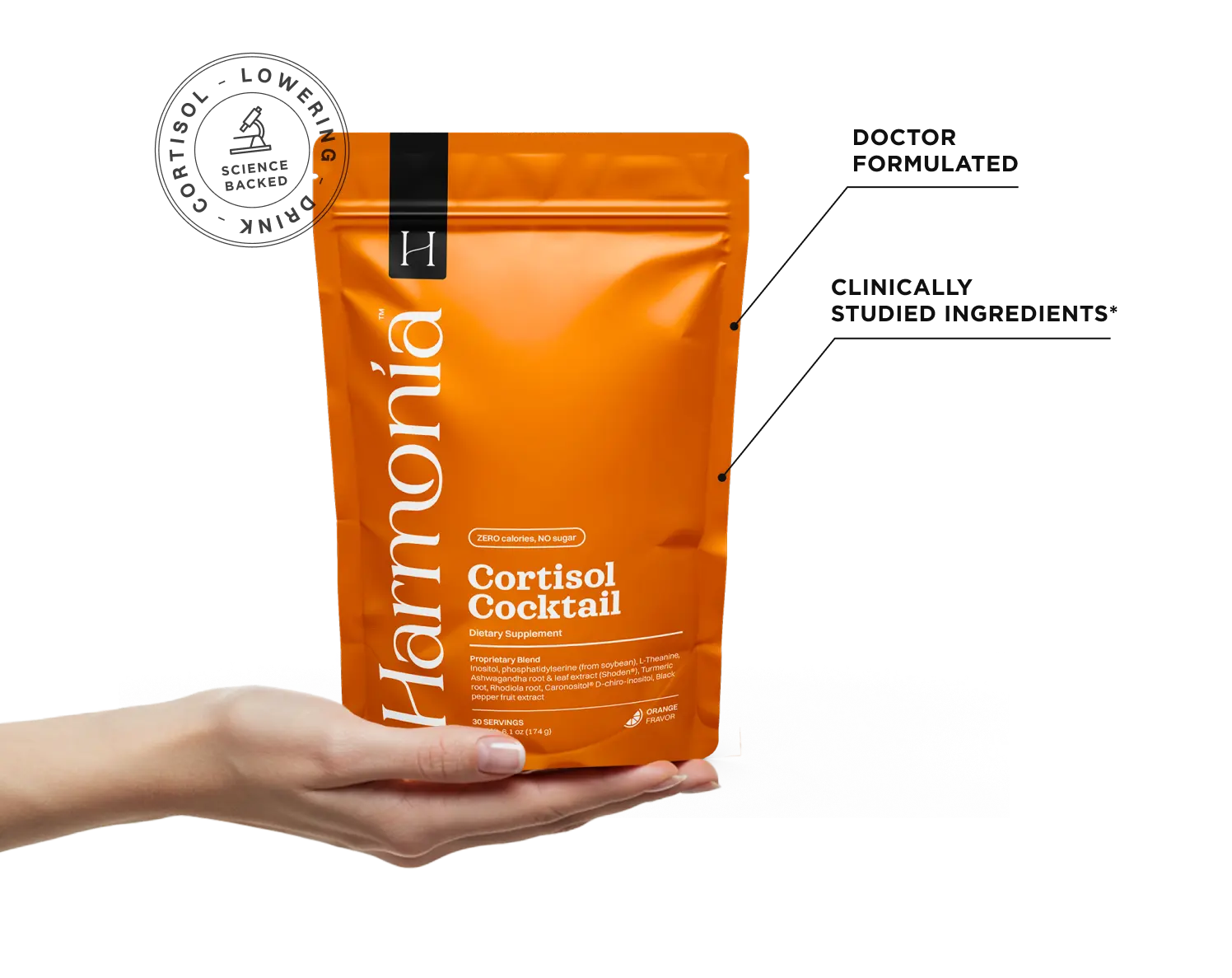
Harmonia is formulated to support the key imbalances driving PCOS mood swings: cortisol dysfunction, blood sugar instability, and stress-related hormonal shifts. Its blend helps promote a calmer emotional baseline, fewer irritability spikes, and better sleep-factors essential for mood stability.
Harmonia includes several targeted ingredients that directly support emotional well-being in women with PCOS:
- Ashwagandha
- L-Theanine
- Myo-Inositol & D-Chiro Inositol
- Rhodiola Rosea
- Phosphatidylserine
Women with PCOS often experience intense emotional fluctuations, and Harmonia helps smooth these patterns by supporting the systems that influence mood.
Many notice less irritability and emotional overstimulation, along with a steadier, more predictable mood throughout the day.
Harmonia fits seamlessly into daily routines and supports mood, energy, and stress resilience-all major pillars of PCOS relief.
Conclusion
PCOS mood swings are real, and they can deeply affect your daily life-but they are also manageable. Understanding the relationship between hormones, stress, inflammation, and blood sugar gives you the power to support your emotional health from the inside out.
Natural remedies, supportive nutrients, lifestyle shifts, and cortisol regulation all work together to create a calmer, more balanced emotional rhythm. With the right tools, you can support your mood, reduce irritation and overwhelm, and feel grounded again.
If you’re ready for personalized support, Harmonia offers a simple daily way to help balance stress hormones, improve emotional resilience, and regulate the hormonal patterns that influence mood.
References
- Havaldar, V. D., Jadhav, N. Y., Shinde, S. S., Mali, S. S., Mali, K. K., Shinde, A. A., & Rajput, R. A. (2024). A review on PCOS: Its causes, symptoms, pathogenesis and management. World, 7(01), 014-021. Link.
- Marshall, J., & Dunaif, A. (2012). Аll women with PCOS should be treated for insulin resistance. Fertil Steril, 97(1), 18-22. Link.
- World Health Organization: WHO & World Health Organization: WHO. Polycystic ovary syndrome. Link.