If you’ve ever felt wired at night, wide awake around 1-3 AM, or mentally overstimulated when you’re supposed to wind down, these are classic signs of a nighttime cortisol spike.
This pattern is extremely common and one of the primary reasons women struggle with sleep, mood, hormonal balance, cravings, and energy-even when they believe they’re “doing everything right.”
Understanding why nighttime spikes happen and how to prevent them is essential for rebalancing your nervous system.
What Is Cortisol?
Cortisol follows a natural daily rhythm, peaking in the morning to help you wake up and gradually declining throughout the day. This curve is essential for mental clarity, metabolism, stable mood, balanced hormones, and restful sleep.
When cortisol is elevated at night, your brain and body stay in a “switched on” state. This disrupts sleep cycles, prevents your nervous system from relaxing, and often leads to emotional instability, cravings, and fatigue the next day.
Knowing how to lower cortisol safely and naturally begins with understanding what disrupts its natural rhythm.
Why Cortisol Spikes at Night?
Nighttime cortisol spikes usually come from multiple factors that accumulate throughout the day and peak after sunset.
Signs You’re Experiencing Nighttime Cortisol Spikes

- Waking up between 1–3 AM
- Feeling alert at night but exhausted in the morning
- Restlessness, heart racing, or night sweats
- Difficulty falling asleep despite fatigue
- Intense nighttime cravings
- Racing thoughts before bed
- Waking unrefreshed even after 7–9 hours
Recognizing these symptoms helps you identify the ways to lower cortisol that will be most effective for your body.
Cortisol Spikes at Night vs. Insomnia
Understanding the difference ensures you choose the correct approach. Sleep aids rarely address cortisol spikes, which is why many people don’t see improvement.
How Cortisol Spikes Affect Hormones, Mood, Weight & Energy
Cortisol isn’t just a sleep disruptor - when it rises at the wrong time, it has a ripple effect across your entire body.
Nighttime cortisol spikes can influence everything from your mood to your hormones, metabolism, cravings, and daily energy levels.
Mood Instability
Nighttime cortisol intensifies emotional reactivity. Irritability, anxiety, and overwhelm become more frequent because the body remains stuck in a stress-response state.
Hormonal Disruption
Cortisol competes with progesterone, affects estrogen metabolism, and worsens insulin sensitivity. This can lead to irregular cycles, worsened PMS, elevated androgens in PCOS, or sleep disruption during perimenopause.
Metabolic Effects
Nighttime cortisol increases cravings, especially for sugar and carbs. Over time, this contributes to belly fat, blood sugar swings, and decreased insulin sensitivity.
Digestive Symptoms
When cortisol rises, the digestive system slows. Bloating, discomfort, and irregular digestion often worsen at night.
Energy Drain
High nighttime cortisol leads to low morning cortisol, making it hard to wake or feel alert. This cycle creates reliance on caffeine, unstable energy, and increasing stress reactivity.
How to Prevent Cortisol Spikes at Night

Below is a more detailed and comprehensive guide to lowering nighttime cortisol-updated with the deeper content you requested.
1. Balance Blood Sugar Throughout the Day
Stable blood sugar prevents cortisol from releasing glucose as an emergency response. Many nighttime cortisol spikes are actually the body correcting a blood sugar dip.
Effective strategies include:
- Prioritizing protein at every meal
- Eating balanced meals every 3–5 hours
- Avoiding high-sugar snacks, especially at night
- Choosing slow-digesting carbohydrates in the evening
A stable glucose curve makes your cortisol curve stable.
2. Build a Predictable, Low-Stimulation Evening Routine
Your body relaxes through repetition. A consistent evening pattern lowers cortisol naturally. Effective wind-down rituals include:
- Warm bath or shower
- Light stretching or mobility work
- Slow diaphragmatic breathing
- Listening to calming sounds
- Reading (instead of screens)
This cues the nervous system to shift from alertness to restoration.

3. Manage Stress Earlier in the Day
Stress that isn't processed during the day shows up at night-this is one of the biggest modern cortisol disruptors.
Midday cortisol-regulating habits include:
- 10-minute walks
- Journaling or emotional check-ins
- Taking breaks rather than pushing through fatigue
- Short breathing or grounding exercises
These reduce the burden on your system after sunset.
4. Reduce Evening Cognitive Load
Nighttime rumination is one of the strongest drivers of cortisol. You can lower cognitive stimulation by:
- Doing a “brain dump” before dinner
- Planning tomorrow’s tasks earlier in the afternoon
- Avoiding conflict-heavy or emotionally charged conversations at night
- Limiting intense TV or news before bed
The mind needs low stimulation to allow cortisol to fall.
5. Correct Light Exposure for a Healthy Cortisol Curve

Light controls cortisol more than people realize. To optimize the natural rhythm:
- Get sunlight within the first hour of waking
- Dim lights after sunset
- Avoid blue light at least 60–90 minutes before bed
- Use warm, low lighting during your evening routine
This reinforces the natural rise-and-fall pattern of cortisol.
6. Adjust Caffeine Timing and Intake
Most people underestimate caffeine’s half-life. For women especially, caffeine metabolism can be slow, keeping cortisol high late into the evening.
For best results:
- Limit caffeine after 12 PM
- Pay attention to hidden sources (green tea, pre-workout, chocolate)
- Reduce caffeine intake across the day if you struggle with sleep
Even small adjustments can dramatically improve nighttime cortisol.
7. Nourish the Stress Response with Targeted Nutrients
Certain nutrients improve cortisol resilience and support the hormonal and nervous system pathways involved in relaxation.
Key ingredients shown to support cortisol balance include:
- L-Theanine
- Ashwagandha
- Myo-Inositol
- D-Chiro Inositol
- Rhodiola Rosea
- Magnesium
- B Vitamins
- Vitamin D
These compounds help regulate stress signaling, support blood sugar, reduce inflammation, and calm the nervous system.
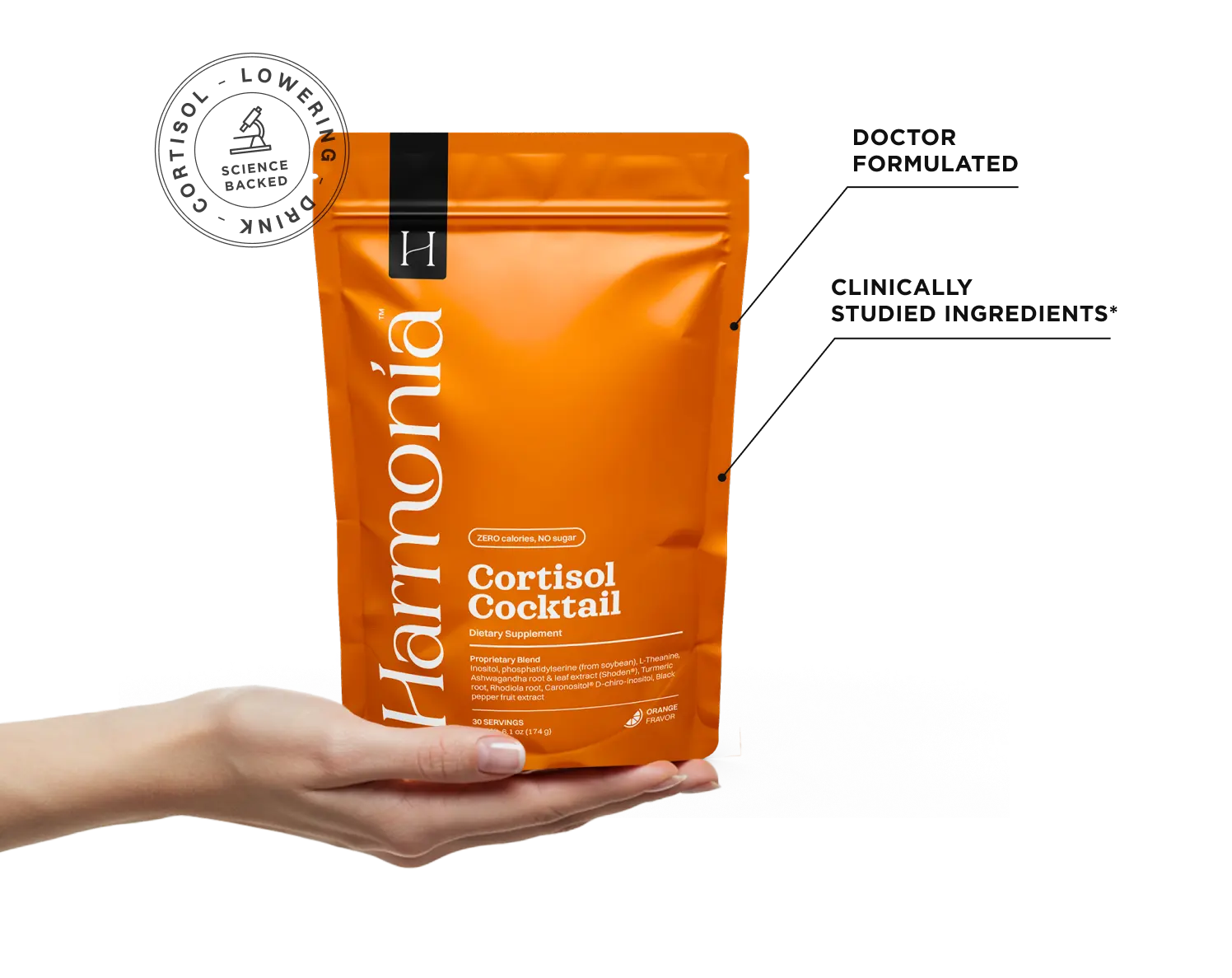
How to Use Harmonia for Optimal Nighttime Cortisol Balance
Harmonia was designed to support women facing high evening cortisol, chronic stress, emotional eating, PCOS symptoms, hormonal imbalances, and sleep disruption.
Its comprehensive formula combines adaptogens, amino acids, anti-inflammatory plant compounds, vitamins, and minerals-each chosen to target different parts of the stress response system.
Taking Harmonia in the afternoon or early evening helps prepare the body for a natural cortisol decline. Many women report improvements such as deeper sleep, fewer 1–3 AM wake-ups, steadier mood, calmer evenings, reduced cravings, and more balanced energy.
Consistent use builds cumulative benefits. When paired with the lifestyle strategies outlined above, Harmonia helps restore cortisol rhythm, improve sleep quality, and support hormonal balance from multiple angles at once.
References
- Devine, J. K., & Wolf, J. M. (2016). Determinants of cortisol awakening responses to naps and nighttime sleep. Psychoneuroendocrinology, 63, 128-134. Link.
- Kandhalu, P. (2013). Effects of cortisol on physical and psychological aspects of the body and effective ways by which one can reduce stress. Berkeley Scientific Journal, 18(1). Link.