Unexplained changes in body weight can be unsettling - especially when they happen without changes in diet or activity. While many people associate anxiety with weight gain or emotional eating, the opposite can also occur.
For a significant number of individuals, anxiety leads to unintentional weight loss, appetite suppression, and disrupted digestion.
We’ll explore how anxiety affects the body, why appetite loss is common, how stress hormones like cortisol are involved, when weight loss becomes a concern, and how restoring nervous system balance can help stabilize weight.
Why Anxiety Affects the Body Beyond Mental Health
Anxiety triggers the same biological pathways as physical danger. When the brain perceives threat - real or perceived - it releases stress hormones that prepare the body for action.
This response is helpful in emergencies, but harmful when it stays switched on for weeks or months.
Chronic anxiety can:
- Reduce hunger signals
- Slow digestion
- Increase muscle tension and restlessness
- Disrupt sleep
- Alter metabolic efficiency
All of these factors can contribute to weight changes over time.
Can Anxiety Cause Weight Loss?
Yes - anxiety can cause weight loss, particularly when it becomes chronic or severe. While short-term stress may temporarily suppress appetite, long-term anxiety can create sustained physiological changes that affect hunger, digestion, metabolism, and energy use.
Anxiety is not just a mental experience. It activates the body’s stress response systems, especially the sympathetic nervous system and the hypothalamic-pituitary-adrenal (HPA) axis.
When these systems remain overactive, the body prioritizes survival over processes like digestion, appetite regulation, and nutrient absorption.
As a result, some people experience gradual or noticeable weight loss without intending to diet or change eating habits.
How Anxiety Leads to Weight Loss

Anxiety-related weight loss usually develops through a combination of mechanisms rather than a single cause.
Appetite Suppression and Reduced Hunger Signals
One of the most common effects of anxiety is loss of appetite. Stress hormones like adrenaline temporarily suppress hunger, while anxiety-related nausea, tightness in the chest, or stomach discomfort can make eating unappealing.
People with anxiety may:
- Forget to eat
- Feel full quickly
- Lose interest in food
- Associate eating with discomfort
Over time, consistent under-eating can lead to gradual weight loss.
Digestive Changes and Gut Sensitivity
Anxiety directly affects the gut through the gut-brain axis. When the nervous system is in fight-or-flight mode, digestion becomes less efficient. Blood flow is diverted away from the digestive tract, slowing stomach emptying and nutrient absorption.
This can lead to:
- Bloating or stomach pain
- Early satiety
- Changes in bowel habits
- Reduced nutrient uptake
Even if calorie intake seems adequate, poor digestion can still contribute to weight loss.

Increased Calorie Burn From Chronic Stress
Chronic anxiety often comes with constant low-level physical activity: pacing, muscle tension, fidgeting, and poor-quality sleep. These increase daily energy expenditure.
In addition, fragmented sleep alters appetite hormones and increases metabolic demand, further contributing to unintentional weight loss.
Cortisol Dysregulation and Metabolic Imbalance
Cortisol, the body’s primary stress hormone, plays a complex role in weight regulation. While elevated cortisol is often linked to weight gain, dysregulated cortisol patterns - especially prolonged elevation followed by depletion - can also contribute to weight loss.
In chronic anxiety:
- Cortisol rhythms may become flattened
- Blood sugar regulation may be impaired
- Muscle breakdown may increase
This metabolic instability can make it difficult to maintain weight.
Anxiety vs Other Causes of Unexplained Weight Loss
Not all unexplained weight loss is caused by anxiety. Differentiating stress-related weight loss from medical causes is essential.
Anxiety-Related Weight Loss
Characteristics often include:
- Gradual onset
- Correlation with stress levels or life events
- Appetite loss, digestive discomfort, or nausea
- Coexisting anxiety symptoms (racing thoughts, restlessness, poor sleep)
Weight may stabilize as anxiety improves.
Medical Causes That Should Be Ruled Out
Persistent or rapid weight loss may signal:
- Thyroid disorders
- Blood sugar dysregulation
- Gastrointestinal conditions
- Inflammatory or autoimmune issues
- Certain infections or medications
Medical evaluation is important when weight loss is unexplained, severe, or accompanied by other concerning symptoms.
Signs Anxiety May Be the Root Cause of Weight Loss

Anxiety is more likely to be contributing to weight loss if you notice:
- Reduced appetite during stressful periods
- Weight changes that fluctuate with anxiety intensity
- Digestive symptoms without a clear diagnosis
- Trouble sleeping or constant nervous energy
- Mental overwhelm, irritability, or persistent worry
Recognizing these patterns can help guide appropriate support.
Can Anxiety Cause Appetite Loss Without Weight Loss?
Yes. Many people experience appetite loss during periods of anxiety without seeing noticeable changes on the scale. This is more common than people realize and often creates confusion or self-doubt, especially when hunger cues don’t match body weight.
Several factors explain why appetite loss doesn’t always translate into weight loss:
- Baseline metabolism: Individuals with slower or more efficient metabolisms may maintain weight even when eating less for short periods.
- Body composition: People with higher muscle mass or existing energy reserves may not lose weight immediately despite reduced intake.
- Stress coping behaviors: Some people unconsciously compensate by choosing more calorie-dense foods, grazing, or drinking calories even when they feel “not hungry.”
- Duration and intensity of anxiety: Short-term or situational anxiety may suppress appetite temporarily without long-term metabolic effects, while chronic anxiety is more likely to impact weight.
Additionally, anxiety often disrupts hunger awareness rather than eliminating caloric intake entirely.
People may skip meals but eat larger portions later in the day, snack absentmindedly, or rely on convenience foods. Others reduce physical activity during anxious periods, which can offset lower food intake.
In these cases, appetite loss is still a signal of nervous system stress, even if weight remains stable. Addressing anxiety early can help prevent longer-term metabolic or nutritional consequences.
When Anxiety-Related Weight Loss Becomes a Concern
Occasional appetite changes during stressful periods are normal and usually resolve once stress levels decrease. However, anxiety-related weight loss becomes concerning when it crosses certain thresholds or begins affecting overall health.
You should pay closer attention if weight loss is:
- Rapid: Losing a noticeable amount of weight over a few weeks without trying
- Persistent: Continuing for months despite efforts to eat adequately
- Accompanied by physical symptoms: Such as fatigue, dizziness, weakness, hair thinning, or frequent illness
- Associated with nutrient deficiencies: Including low iron, B vitamins, magnesium, or protein intake
At this stage, weight loss may no longer be a simple byproduct of anxiety but a sign that the body is struggling to maintain balance.
Prolonged under-eating, poor digestion, or cortisol dysregulation can begin to affect muscle mass, immune function, hormone regulation, and mental clarity.
Importantly, anxiety-related weight loss can also reinforce anxiety itself, creating a cycle where physical depletion worsens stress tolerance and emotional resilience.
When to Talk to a Healthcare Provider

Medical guidance is recommended when weight loss or appetite suppression persists or begins interfering with daily life. A healthcare provider can help determine whether anxiety is the primary driver or if another condition may be contributing.
Seek professional evaluation if:
- Weight loss continues for several weeks or longer without explanation, even if anxiety seems present
- Anxiety interferes with daily functioning, work, relationships, or sleep
- Digestive or hormonal symptoms worsen, such as ongoing nausea, bowel changes, blood sugar instability, or unexplained fatigue
Early evaluation helps rule out medical causes, identify nutrient deficiencies, and prevent complications before they escalate. It also provides reassurance - many people feel significant relief simply knowing their symptoms have a clear explanation and a manageable path forward.
Addressing anxiety-related weight changes early supports both physical recovery and long-term mental well-being, reducing the likelihood of chronic stress patterns becoming ingrained.
How to Stop Anxiety-Related Weight Loss Naturally
Addressing anxiety-related weight loss requires supporting the nervous system, not just increasing calories.
Regulating the Stress Response
Calming the nervous system helps restore normal hunger and digestion. Helpful approaches include:
- Breathwork and mindfulness practices
- Gentle physical activity
- Reducing stimulants
- Establishing predictable routines
The goal is to reduce constant fight-or-flight activation.
Supporting Appetite, Digestion, and Sleep
Sleep is a powerful regulator of appetite and metabolism. Prioritizing sleep quality can improve hunger cues and energy balance.
Nutrition strategies may include:
- Smaller, more frequent meals
- Easily digestible foods
- Eating in calm environments
Consistency matters more than perfection.
Addressing Cortisol and Hormonal Balance
Supporting healthy cortisol rhythms can help stabilize weight. This often involves a combination of lifestyle changes, micronutrient support, and stress-adaptive compounds.
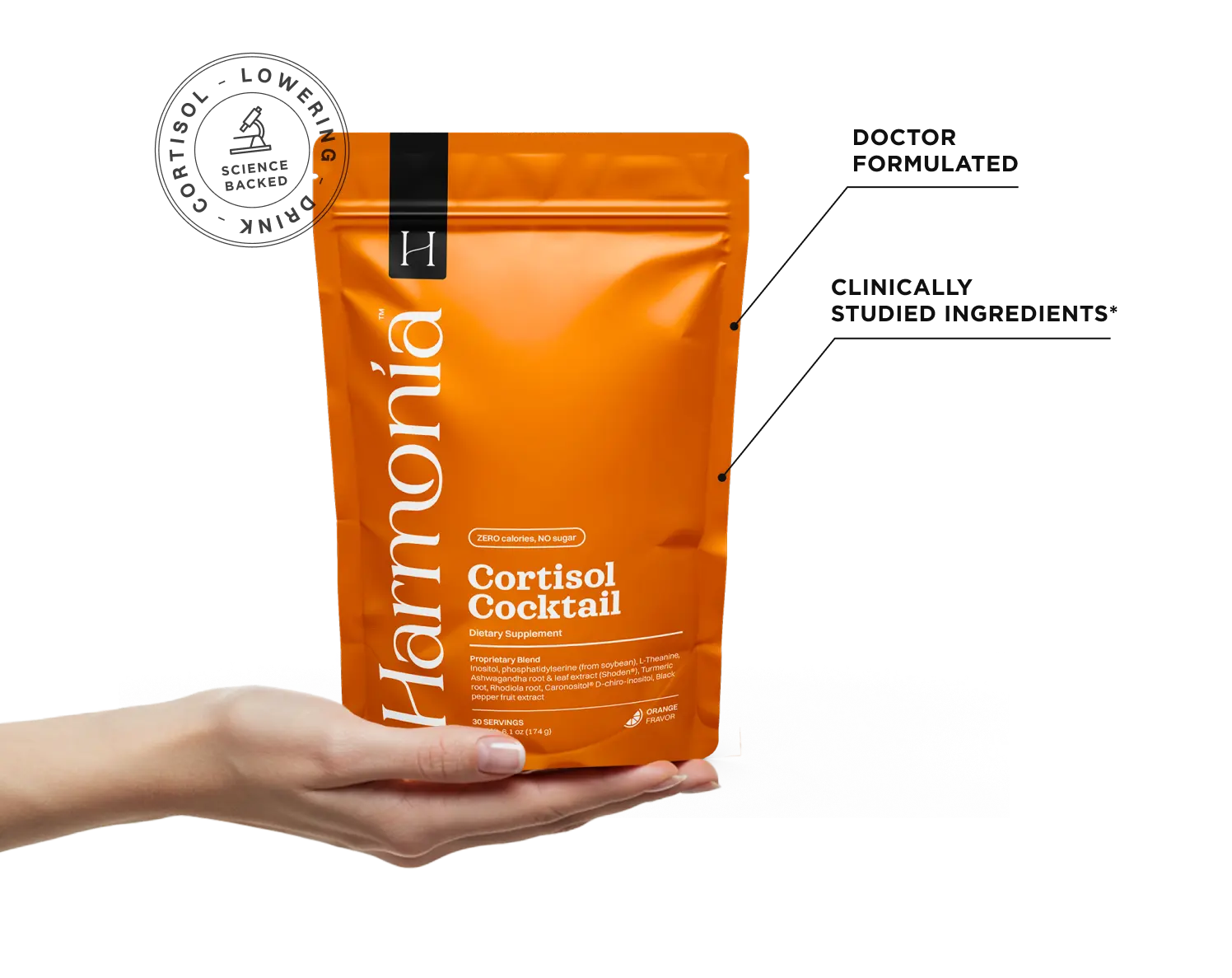
Some people explore comprehensive stress-support formulations like Harmonia, which are designed to support relaxation, emotional balance, sleep quality, and hormonal regulation as part of a broader stress-management approach.
These tools are not substitutes for medical care but can complement lifestyle-based strategies.
Can Reducing Anxiety Help Restore Healthy Weight?
In many cases, yes. As anxiety decreases and the nervous system returns to balance:
- Appetite signals normalize
- Digestion improves
- Sleep becomes more restorative
- Weight often stabilizes naturally
This process takes time. Sustainable recovery focuses on calming the body rather than forcing weight change.
Final Thoughts

Anxiety can absolutely cause weight loss and appetite suppression - sometimes subtly, sometimes significantly. Understanding the connection between stress, the nervous system, and metabolism helps reduce fear and guide effective solutions.
Weight changes driven by anxiety are often reversible, especially when stress is addressed at its root. A combination of medical awareness, nervous system support, sleep optimization, and nutritional consistency creates the best foundation for recovery.
Feeling stuck in a cycle of stress and anxiety? Harmonia is designed to support cortisol balance, relaxation, and hormonal health - helping you reclaim calm, steady energy, and better sleep as part of a sustainable daily routine.
References
- Morris, A. (2019). Anxiety-induced weight loss. Nature Reviews Endocrinology, 15(3), 130-130. Link.