Hair loss during weight loss can feel alarming - especially when you’re making positive changes for your health.
You start eating better, moving more, maybe even feeling lighter and more energetic, only to notice more hair in the shower drain or on your pillow. That naturally leads to the question many people ask: does weight loss cause hair loss, or is something else going on?
The short answer is that weight loss itself is rarely the direct cause. In most cases, hair loss during weight loss is the result of stress on the body, hormonal shifts, or nutritional gaps, particularly when weight loss is rapid or poorly supported.
Understanding why this happens - and how to prevent it - can help you lose weight without sacrificing your hair or overall well-being.
Does Weight Loss Cause Hair Loss? The Short Answer
Yes, hair loss can happen during weight loss - but not because fat loss itself damages hair follicles. Instead, hair shedding is usually triggered by:
- Rapid or extreme calorie restriction
- Increased physical or emotional stress
- Hormonal disruption
- Nutrient deficiencies
When the body perceives weight loss as a stressor, it reallocates resources away from non-essential functions - like hair growth - and toward survival. The result is often a temporary form of hair shedding rather than permanent hair loss.
How Weight Loss Affects the Hair Growth Cycle
To understand why hair loss can appear during dieting or lifestyle changes, it helps to know how hair normally grows.
Hair follicles cycle through three main stages:
- Anagen (growth phase): Hair actively grows for several years
- Catagen (transition phase): Growth slows and the follicle prepares to rest
- Telogen (resting/shedding phase): Hair falls out to make room for new growth
At any given time, most hair should be in the anagen phase. When stress disrupts the body, a larger percentage of follicles shift prematurely into the telogen phase, leading to noticeable shedding.
Rapid weight loss - especially from crash diets or extreme fasting - acts as a biological alarm. The body senses energy scarcity and increases stress hormone production, particularly cortisol.
Elevated cortisol pushes hair follicles out of the growth phase earlier than normal, which is why hair loss often appears weeks or months after weight loss begins.
Telogen Effluvium and Weight Loss–Related Hair Loss

The most common type of hair loss associated with weight loss is telogen effluvium. This condition is characterized by diffuse shedding across the scalp rather than patchy bald spots.
Telogen effluvium can be triggered by:
- Significant calorie reduction
- Rapid fat loss
- Intense exercise without adequate recovery
- Psychological stress related to dieting
Importantly, telogen effluvium is usually temporary. Once the underlying stressor is addressed - whether nutritional, hormonal, or emotional - hair growth can gradually return to normal.
Nutrient Deficiencies That Can Cause Hair Loss During Weight Loss
Weight loss diets often focus heavily on calories while overlooking micronutrients that are essential for hair growth.
Protein Deficiency and Hair Structure
Hair is made primarily of keratin, a protein. When calorie intake drops too low, protein intake is often insufficient as well. The body prioritizes vital organs over hair production, leading to thinning and shedding.
Iron, Zinc, and Biotin Deficiencies
Restrictive eating can reduce intake of:
- Iron, which supports oxygen delivery to hair follicles
- Zinc, essential for follicle repair and growth
- Biotin, which supports keratin production
Even mild deficiencies can contribute to increased shedding over time.
Vitamin D and B Vitamins
Vitamin D plays a role in follicle signaling, while B vitamins support cellular energy production. Low levels - common in people dieting indoors, skipping meals, or under chronic stress - can weaken hair resilience and slow regrowth.

The Stress–Hormone Link Between Weight Loss and Hair Loss
Stress is one of the most overlooked factors in weight loss–related hair loss.
When calorie intake drops or exercise intensity spikes, the body increases production of cortisol, the primary stress hormone. While cortisol is essential in short bursts, chronically elevated levels disrupt:
- Hair growth cycles
- Thyroid hormone activity
- Blood sugar regulation
- Sleep quality
High cortisol keeps the body in a “fight or flight” state, signaling that now is not a safe time to grow hair. This is why people who lose weight through high-stress methods often experience hair shedding - even if their diets appear nutritionally sound on paper.
Hormonal Imbalances That Worsen Hair Loss During Weight Loss
Weight loss can temporarily disrupt multiple hormone systems, especially when stress and under-eating are involved.
Thyroid Hormones
The thyroid regulates metabolism and hair growth. Severe calorie restriction can suppress thyroid function, leading to fatigue, cold sensitivity, and increased hair shedding.
Insulin and Blood Sugar Instability
Erratic eating patterns can cause blood sugar swings, which increase cortisol and inflammatory signaling - both of which negatively affect hair follicles.
Sex Hormones
Changes in estrogen, progesterone, and testosterone levels during weight loss can also influence hair density.
This applies to all genders, particularly during life stages involving hormonal transitions or existing imbalances.
Is Hair Loss From Weight Loss Permanent?
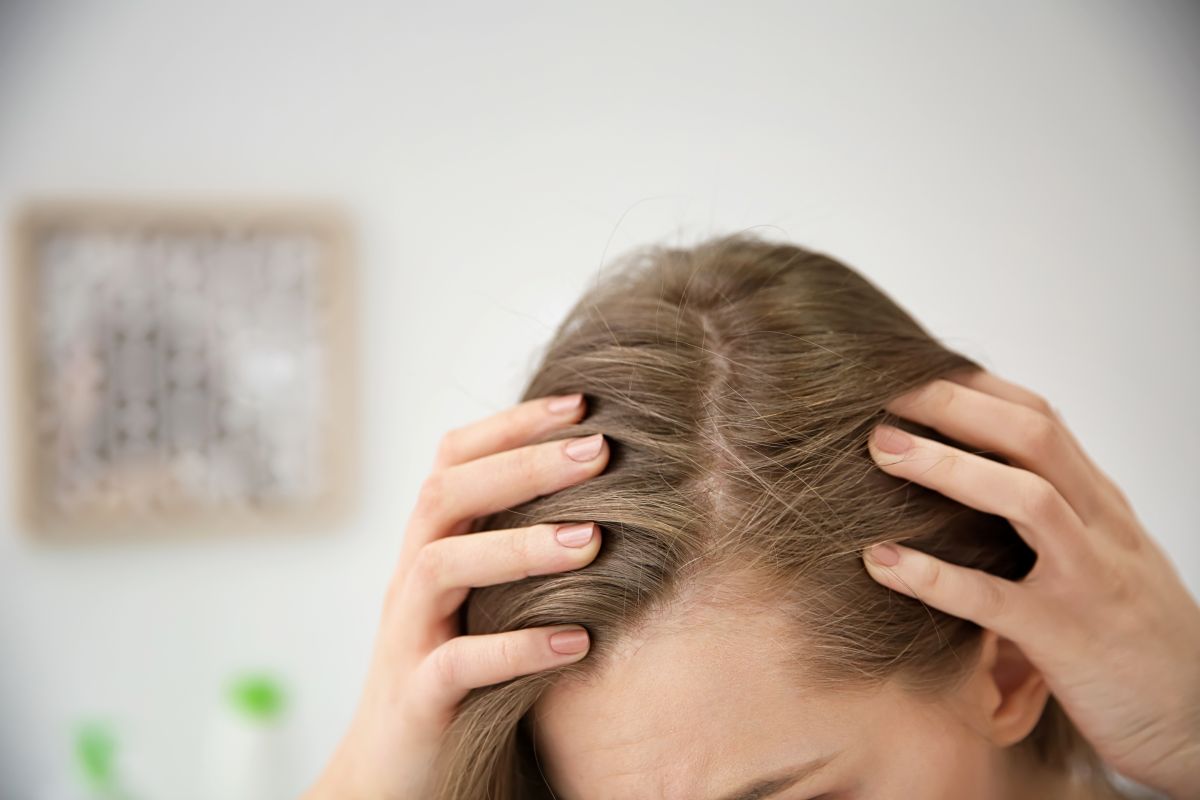
In most cases, no. Hair loss linked to weight loss is usually reversible once the underlying causes are addressed. However, recovery depends on several factors:
- Adequate calorie and protein intake
- Correction of nutrient deficiencies
- Stress reduction and sleep quality
- Hormonal balance
If hair shedding continues despite addressing these areas, medical evaluation may be necessary to rule out thyroid disorders, anemia, or other underlying conditions.
Healthy Weight Loss Tips to Reduce the Risk of Hair Loss
Weight loss does not have to come at the expense of hair health. Sustainable strategies protect both.
Avoid Extreme Calorie Deficits
Gradual weight loss allows the body to adapt without triggering excessive stress responses. Slow, steady progress is far less likely to disrupt hair growth.
Eat Enough Protein and Micronutrients
A balanced intake of protein, vitamins, and minerals supports hair follicles while preserving lean muscle mass during weight loss.
Prioritize Sleep and Recovery
Sleep regulates cortisol, growth hormone, and insulin sensitivity. Poor sleep alone can worsen both hair loss and weight management.
Support Hormonal Balance Alongside Fat Loss
Weight loss plans that focus only on calories and exercise often fail long-term. Supporting hormonal health improves metabolic efficiency and reduces stress-related setbacks.
Products such as Harmonia are designed to complement healthy weight loss routines by helping maintain calmer stress responses and a more stable hormonal environment while lifestyle changes are underway.
When to Seek Medical Support for Hair Loss
While temporary hair shedding during weight loss is common, medical guidance is important if you experience any of the following:
- Sudden or excessive hair loss that occurs rapidly or in large clumps
- Hair shedding that continues for several months without improvement
- Noticeable thinning at the scalp, temples, or crown rather than overall shedding
- Hair loss accompanied by persistent fatigue, weakness, or dizziness
- Unexplained weight changes unrelated to diet or activity
- Hair loss alongside cold sensitivity, brain fog, or difficulty concentrating
- Changes in menstrual cycles, libido, or other signs of hormonal imbalance
- Symptoms of nutrient deficiencies, such as brittle nails or pale skin
- Hair loss occurring with chronic stress, anxiety, or sleep disturbances
- A personal or family history of thyroid disorders, autoimmune conditions, or anemia
Early evaluation can help identify underlying issues such as iron deficiency, thyroid dysfunction, or hormonal imbalances. Addressing these root causes promptly improves the likelihood of hair regrowth and helps prevent long-term complications.
Conclusion

So, does weight loss cause hair loss? Not directly - but the way weight loss is approached makes all the difference. Rapid dieting, chronic stress, and nutritional gaps signal the body to conserve energy, often at the expense of hair growth.
Sustainable weight loss supports the nervous system, hormones, and nutrient intake. When those foundations are in place, hair loss is far less likely to occur - and far more likely to reverse if it does.
If you’re aiming for weight loss that supports your whole body - not just the scale - consider tools that help regulate stress and hormonal balance. Explore how Harmonia fits into a sustainable routine designed to support calm energy, restorative sleep, and overall well-being while you build healthier habits for the long term.
References
- Natarelli, N., Gahoonia, N., & Sivamani, R. K. (2023). Integrative and mechanistic approach to the hair growth cycle and hair loss. Journal of clinical medicine, 12(3), 893. Link.
- Rushton, D. H. (2002). Nutritional factors and hair loss. Clinical and experimental dermatology, 27(5), 396-404. Link.