Understanding where men store fat is essential for achieving sustainable weight loss. Many men follow popular weight loss tips - cutting calories, increasing workouts, or switching diets - yet still struggle with stubborn fat in the same areas.
This frustration usually isn’t due to lack of effort. It happens because fat storage in men is largely controlled by hormones, stress levels, genetics, and lifestyle factors rather than calories alone.
By understanding how and where the male body prefers to store fat, weight loss strategies can be more targeted, effective, and easier to maintain long term.
What Determines Where Men Store Fat?
Before looking at specific body areas, it’s essential to understand why fat goes where it does. The male body stores fat strategically based on survival signals - many of which are hormonal.
Hormones and Fat Distribution in Men
Hormones play the biggest role in male fat storage:
- Testosterone helps regulate muscle mass and fat metabolism. When testosterone levels decline (with age, stress, or poor sleep), fat storage - especially in the abdomen - increases.
- Insulin controls blood sugar and fat storage. Poor insulin sensitivity encourages fat to be stored rather than burned.
- Cortisol, the body’s primary stress hormone, signals the body to store energy - often as abdominal fat - especially during chronic stress.
When these hormones are out of balance, fat loss becomes harder no matter how disciplined diet or exercise may be.
Genetics and Body Type Differences
Genetics influence how fat is distributed. Some men naturally store fat centrally, while others accumulate it more evenly.
Genetics don’t determine whether you can lose fat, but they often determine where fat shows up first and where it lingers longest.
Lifestyle Factors That Influence Fat Storage
Modern habits significantly affect fat storage patterns:
- Chronic psychological stress
- Inconsistent or poor-quality sleep
- Excess alcohol intake
- Ultra-processed, high-sugar diets
- Sedentary routines
These factors elevate cortisol and insulin levels, pushing the body into fat-storage mode rather than fat-burning mode.
Where Do Men Store Fat Most Commonly?

Belly Fat (Abdominal and Visceral Fat)
The abdomen is the most common fat storage area in men. This includes both subcutaneous fat, which lies just under the skin, and visceral fat, which surrounds internal organs.
Visceral fat is particularly concerning because it actively releases inflammatory compounds that interfere with insulin function and increase the risk of metabolic and cardiovascular disease.
Elevated cortisol levels strongly favor visceral fat storage, which explains why stress often leads to weight gain specifically in the midsection. This also explains why abdominal fat is frequently resistant to traditional calorie-cutting approaches.
Chest Fat (Pectoral Area)
Chest fat in men often develops alongside overall weight gain but can also be linked to hormonal imbalance.
As body fat increases, more testosterone is converted into estrogen, which can further promote fat accumulation in the chest area. Reduced muscle mass and chronic stress can worsen this pattern.
Addressing chest fat typically requires improving overall metabolic health rather than focusing on isolated exercises.
Love Handles (Lower Back and Obliques)
Fat stored around the lower back and sides of the waist is one of the most stubborn areas for many men. This region is highly sensitive to cortisol and insulin fluctuations.
Aggressive dieting or overtraining often increases stress hormones, making this fat even harder to lose.
Consistent nutrition, proper recovery, and stress management tend to be far more effective for reducing fat in this area than extreme approaches.
Thighs and Hips (Less Common but Possible)
While less common in men, fat storage in the thighs and hips does occur, especially when insulin resistance or hormonal disruption is present.
This pattern often improves as overall metabolic health and hormone balance improve.
Visceral Fat vs. Subcutaneous Fat
Although both types of fat contribute to body weight, visceral fat and subcutaneous fat behave very differently inside the body.
Understanding these differences helps explain why some fat is more harmful than others and why certain fat deposits respond better to lifestyle and stress-management strategies than simple calorie reduction.
How Stress and Cortisol Impact Where Men Store Fat
Stress has a direct and powerful influence on where men store fat because it activates cortisol, the body’s primary stress hormone.
Cortisol’s role is to help the body respond to perceived threats by increasing available energy. When stress is short-term, this system works effectively.
However, when stress becomes chronic - as it often does with work pressure, financial concerns, poor sleep, or constant digital stimulation - cortisol remains elevated for long periods. In this state, the body is repeatedly signaled to store energy, and the abdomen becomes the preferred storage site due to its high concentration of cortisol receptors.
Elevated cortisol also interferes with other hormones that regulate fat metabolism. It reduces insulin sensitivity, making it easier for excess glucose to be stored as fat rather than used for energy.
At the same time, high cortisol suppresses testosterone production, which further slows fat burning and reduces muscle mass.
This combination explains why men under chronic stress often experience simultaneous weight gain, fatigue, and reduced motivation, even when calorie intake has not significantly increased.
Over time, chronic stress creates a self-reinforcing cycle. Poor sleep caused by elevated cortisol increases hunger hormones and cravings for quick energy foods, while mental fatigue makes consistent exercise and meal planning more difficult.
As abdominal fat accumulates, inflammation increases and hormone signaling becomes even more disrupted. Breaking this cycle requires more than dieting alone; it involves improving sleep quality, managing stress intentionally, and supporting the nervous system so cortisol levels can return to a healthier rhythm and fat storage signals can normalize.
Weight Loss Tips for Men Based on Fat Storage Patterns

Generic weight loss advice often fails because it ignores hormonal context. These strategies work with male physiology rather than against it.
Nutrition Strategies That Target Male Fat Storage
- Prioritize protein to support muscle mass and metabolic rate
- Stabilize blood sugar with balanced meals
- Avoid extreme calorie restriction, which raises cortisol
- Reduce liquid calories and excess alcohol
Consistency matters more than perfection.
Training Approaches That Support Fat Loss
- Resistance training should be the foundation - it improves insulin sensitivity and testosterone signaling
- Moderate cardio supports cardiovascular health, but excessive cardio can raise cortisol
- Recovery days are just as important as training days
Muscle preservation is key for sustainable fat loss.
Sleep and Recovery for Sustainable Weight Loss
Poor sleep increases hunger hormones and reduces testosterone.
Men aiming to lose fat should prioritize:
- 7–9 hours of quality sleep
- Consistent sleep schedules
- Evening routines that lower stress
Sleep is one of the most powerful fat-loss tools available.

Can Hormone Balance Improve Male Fat Distribution?
Improving hormone balance can dramatically change how and where men store fat. When cortisol is regulated, insulin sensitivity improves, and testosterone is supported, fat loss becomes more efficient and sustainable.
This is why stress management strategies, micronutrient sufficiency, and recovery-focused routines play such a central role in long-term weight loss success.
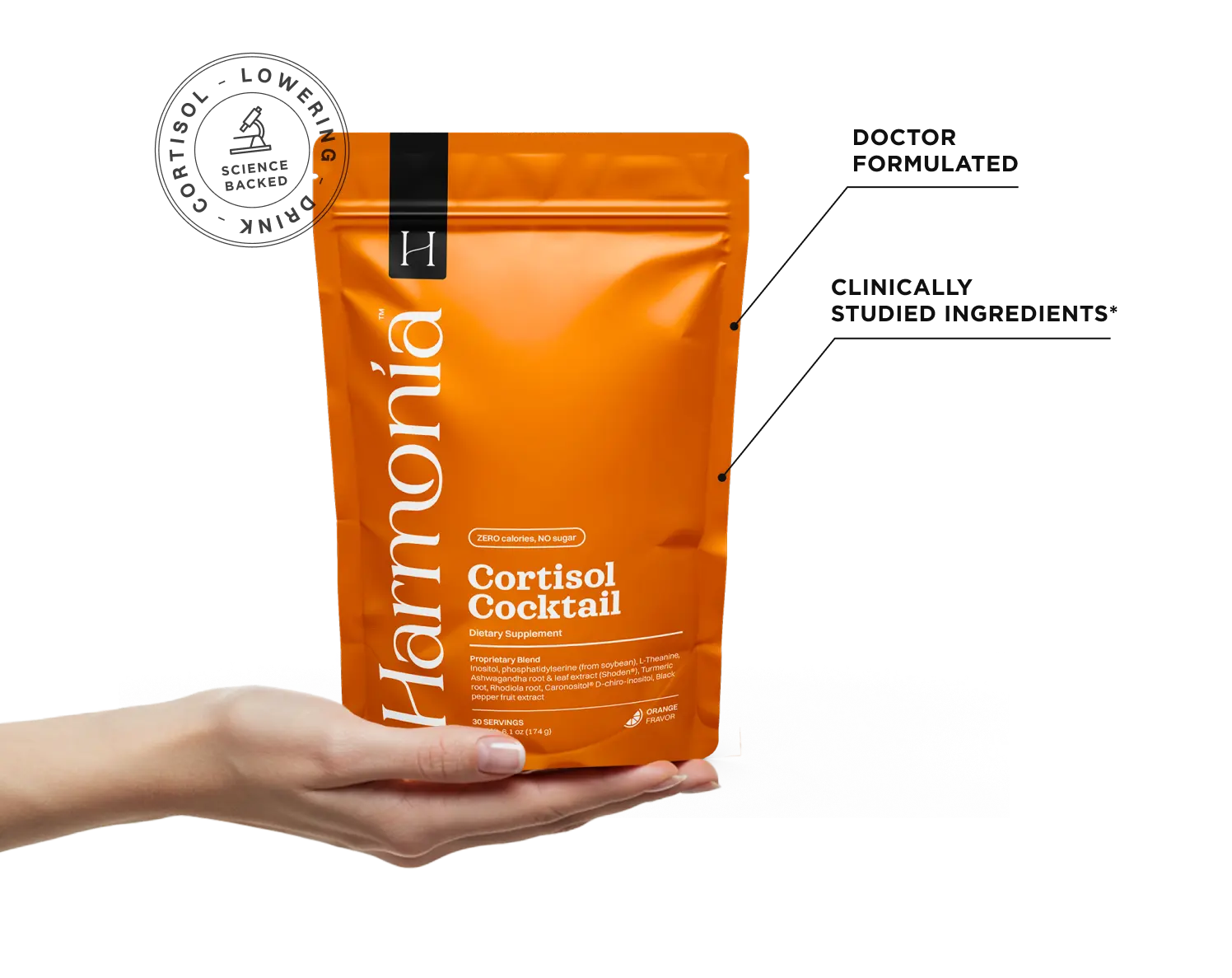
Some men choose to support these efforts with targeted stress-support drinks such as Harmonia, which is formulated to help promote relaxation, improve sleep quality, and support a healthier stress response.
When stress signals are reduced, the body is less likely to prioritize fat storage, especially in the abdominal area.
Such support works best alongside consistent nutrition, movement, and sleep habits rather than as a replacement for them.
When to Seek Professional Support
While many men can improve fat loss and overall health through lifestyle changes alone, there are situations where professional support becomes not only helpful but necessary.
Persistent fat storage - especially around the abdomen - can signal deeper hormonal, metabolic, or stress-related imbalances that are difficult to resolve without guidance.
Working with a qualified healthcare provider, nutrition professional, or hormone specialist can help identify underlying issues early and prevent years of trial-and-error frustration.
You may benefit from professional support if you experience:
- Persistent belly fat despite consistent effort with diet, exercise, and sleep
- Chronic fatigue that does not improve with rest or lifestyle adjustments
- Poor sleep quality, frequent nighttime waking, or feeling unrefreshed in the morning
- Signs of insulin resistance, such as frequent cravings, energy crashes, or difficulty managing blood sugar
- Low motivation, mood changes, or increased irritability that affect daily functioning
- Unexplained weight gain or fat accumulation without significant changes in eating habits
- Difficulty building or maintaining muscle mass despite resistance training
- High stress levels that feel constant or unmanageable
- A history of repeated weight loss plateaus or rebound weight gain
- Symptoms that worsen with age rather than improve
Early intervention often leads to better long-term outcomes by addressing root causes rather than surface-level symptoms.
Identifying hormonal imbalances, sleep disturbances, or metabolic issues sooner can make fat loss more achievable, protect long-term health, and reduce the risk of burnout from ineffective strategies.
Conclusion

Knowing where men store fat - and why - changes how weight loss should be approached. Fat distribution in men is shaped by hormones, stress, sleep, and lifestyle signals, not just calorie intake.
By focusing on stress reduction, hormonal balance, sleep quality, and sustainable habits, weight loss becomes more achievable and easier to maintain. If stress or poor sleep may be affecting your progress, take the Harmonia quiz to explore whether cortisol support could help you move forward more effectively.
References
- Power, M. L., & Schulkin, J. (2008). Sex differences in fat storage, fat metabolism, and the health risks from obesity: possible evolutionary origins. British journal of nutrition, 99(5), 931-940. Link.