Stress has become one of the most common health complaints of modern life, and many people are turning to natural supplements for stress as a complement to lifestyle changes.
While no supplement replaces good sleep, nutrition, and movement, certain botanicals and nutrients have meaningful clinical evidence for reducing stress hormones, calming the nervous system, and improving how the body handles daily pressure.
Whether you are dealing with chronic tension, occasional overwhelm, or stress-related hormonal disruptions, this guide gives you a clear, evidence-informed starting point.
Why Consider Natural Supplements for Stress?
Chronic stress triggers the body's stress control system, causing a sustained release of cortisol that over time disrupts sleep, metabolism, immune function, and hormonal balance.
Natural stress relief supplements work through several pathways: regulating the cortisol response directly, supporting calming brain chemicals, reducing inflammation, and replenishing nutrients that stress depletes.
Understanding these mechanisms helps you choose the right supplement for your specific stress pattern.
1. Ashwagandha
Ashwagandha is arguably the most extensively studied adaptogen for stress and anxiety. A clinical review of ashwagandha and cortisol confirms it can regulate the stress response system, reduce cortisol, and improve resistance to physical and psychological stressors.
Doses of 300 to 600 mg of a standardized extract daily are most commonly studied, with effects emerging in 4 to 8 weeks of consistent use.
Best for fatigue and weight gain. Its role in supporting the body's stress response makes it especially relevant when cortisol levels remain elevated over time.
To understand how stress hormones influence fat storage, particularly around the abdomen, the cortisol and belly fat connection provides useful context.
2. Magnesium
Magnesium is one of the most common nutrient deficiencies in adults, and low levels are strongly associated with heightened anxiety and stress sensitivity. A systematic review found that magnesium supplementation reduces anxiety across multiple trials.
Magnesium supports the nervous system by calming the brain signals that drive anxiety and tension, and by supporting the brain's primary calming chemical. Stress depletes magnesium rapidly, creating a cycle where stress lowers magnesium and lower magnesium makes the stress response harder to regulate.
How this plays out in the body is part of why the relationship between magnesium and cortisol is a key piece of understanding chronic stress.
Commonly used, well-absorbed forms include magnesium glycinate, magnesium malate, and magnesium threonate. Typical doses fall between 200 and 400 mg daily, often taken in the evening to support sleep quality.
3. L-Theanine
L-Theanine is an amino acid found naturally in green tea that promotes relaxed alertness without sedation. It works by increasing relaxed, focused brain wave activity and by supporting calming neurotransmitters in the brain.
It may help reduce subjective stress, support a more balanced cortisol response during acute mental stress, and improve attention under pressure. Often used for racing thoughts, it is frequently paired with caffeine to smooth out stimulant-related jitteriness.
The full range of L-theanine benefits for stress extends beyond just calming, making it a versatile daily addition. Typical doses range from 100 to 200 mg, with effects usually felt within 30 to 60 minutes.

4. Rhodiola Rosea
Rhodiola Rosea is a Scandinavian adaptogen traditionally used to combat fatigue and mental burnout. It activates protective proteins that help cells recover from physical and cognitive stress, and it helps balance key mood-regulating brain chemicals.
A systematic review found that rhodiola is particularly effective for stress-induced exhaustion, where people feel mentally depleted, emotionally flat, and physically drained despite adequate sleep.
One of the fastest-acting adaptogens, with studies showing improvements in fatigue and stress markers within one to two weeks.
Standardized extracts with known levels of its active compounds are most clinically supported. Doses typically range from 200 to 400 mg daily, taken in the morning.
5. Lemon Balm
Lemon balm is a calming herb in the mint family that works primarily by slowing the breakdown of the brain's primary calming chemical, allowing it to remain active for longer.
It is particularly well-studied for reducing acute anxiety, restlessness, and stress-related insomnia.
A systematic review found that lemon balm reliably reduced anxiety and improved mood in adults experiencing mild to moderate stress. It is gentle enough for daily use and combines well with other calming herbs like valerian, passionflower, and chamomile. Doses typically range from 300 to 600 mg of standardized extract.
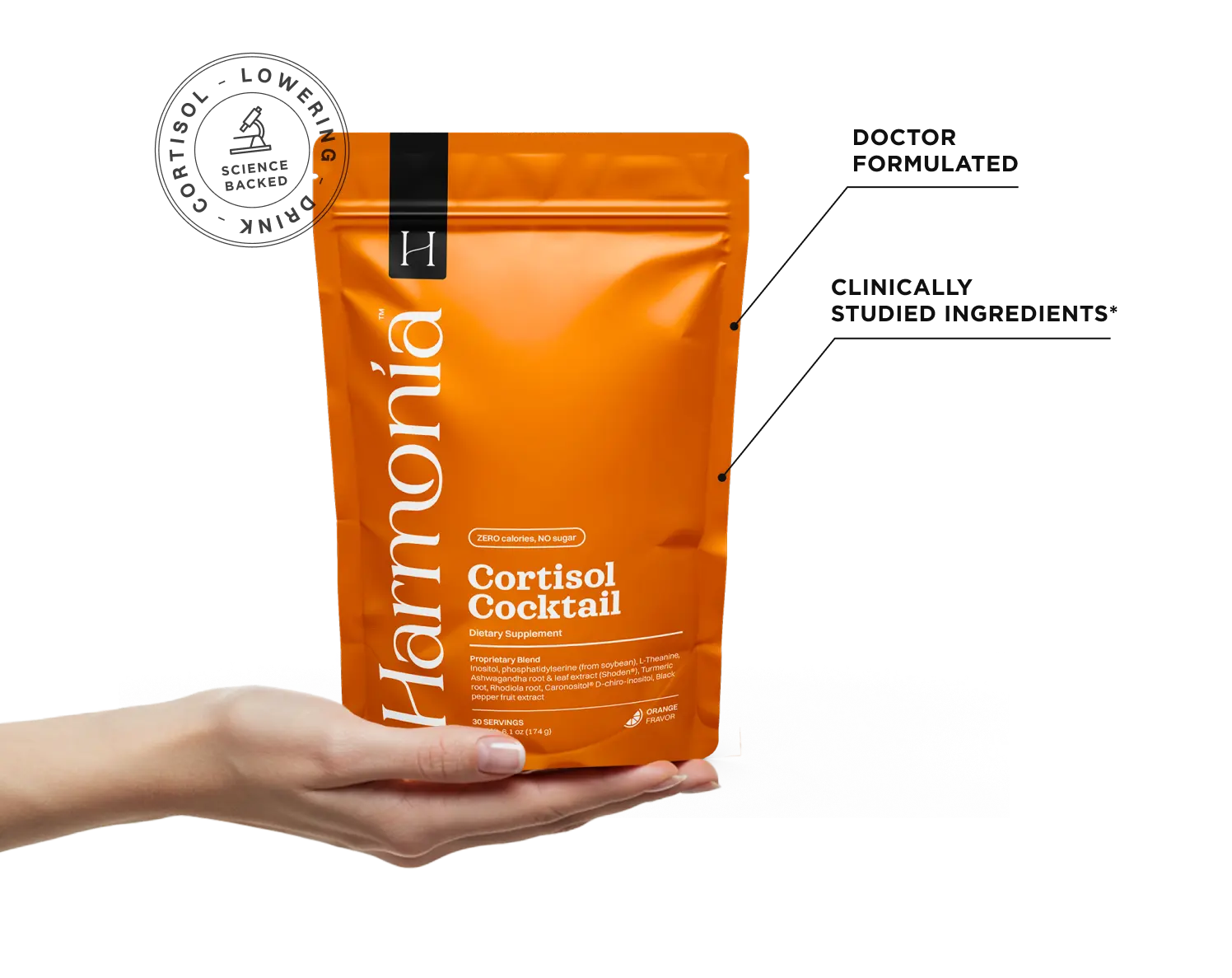
For those who find it impractical to source and manage multiple supplements separately, the Harmonia Cortisol Cocktail is a daily cortisol support drink that brings several of these ingredients together in one step.
Ashwagandha, Rhodiola Rosea, L-Theanine, and Magnesium are each included at clinically relevant levels, designed to work across the cortisol, nervous system, and energy pathways that this article covers.
6. Passionflower
Passionflower has a long history of use as a natural anxiety remedy and has been validated in several clinical trials.
Its primary mechanism involves increasing the brain's calming chemical, producing effects comparable to low-dose anti-anxiety medications in some studies, but without the sedative side effects.
It is especially well-suited for anxiety that involves physical tension, heart palpitations, or difficulty switching off mental chatter at night. Best used during high-demand periods or times of acute life stress rather than as a long-term daily option.
Standard doses range from 250 to 500 mg of dried extract.
7. Valerian Root
Valerian root is most commonly associated with sleep, but its ability to support the brain's calming chemical system also makes it a legitimate supplement for stress and anxiety.
It works similarly to certain anti-anxiety medications but with far less potency and no known dependence risk at normal doses.
It is best suited for stress that manifests as night-time wakefulness, physical tension, or an inability to mentally wind down after a demanding day. Most effective with consistent use over several weeks rather than as a one-off dose.
Standard doses range from 300 to 600 mg taken 30 minutes to two hours before bed.
8. Holy Basil (Tulsi)
Holy basil, also known as tulsi, is one of Ayurveda's primary adaptogenic herbs. A clinical study on holy basil and stress found it lowers fasting blood cortisol, reduces anxiety scores, and improves cognitive function under stress.
It also has meaningful anti-inflammatory properties, which matter because chronic inflammation and chronic stress are deeply intertwined.
Unlike ashwagandha and rhodiola, holy basil also supports healthy blood sugar levels, making it especially relevant for those experiencing stress-related carbohydrate cravings or blood sugar swings linked to prolonged cortisol elevation.
Typical doses range from 300 to 600 mg of standardized extract daily.

9. Phosphatidylserine
Phosphatidylserine is a fatty compound that forms a key part of brain cell membranes and plays a central role in regulating how the body's stress control system produces cortisol.
Clinical studies have found that it significantly reduces the cortisol spike triggered by both physical and psychological stress.
It is particularly valuable for those with an overactive stress response, cognitive stress from heavy mental workloads, or symptoms like irritability, brain fog, and poor recovery. Blunts cortisol spikes directly. Effective doses typically range from 200 to 400 mg daily, often taken with a meal.
10. Saffron
Saffron is one of the more surprising entries on this list, but it has a growing body of rigorous clinical trial evidence.
Its active compounds slow the reuptake of mood-regulating brain chemicals, giving it mild antidepressant and calming effects comparable in some trials to low-dose antidepressants, but with a substantially better side effect profile.
Doses in clinical trials typically range from 28 to 30 mg of standardized extract daily.
How to Choose the Right Supplement for Your Stress Type

Not all stress looks the same, and the best natural supplements for stress depend on your specific symptom pattern.
Cortisol-dominant stress
Weight gain, poor sleep, fatigue, and afternoon crashes tend to point here. Ashwagandha, phosphatidylserine, and holy basil work best for regulating the cortisol response directly.
Recognising the symptoms of cortisol imbalance can help confirm whether this pattern applies to you.
Nervous system hyperactivation
Anxiety, racing thoughts, physical tension, and heart palpitations tend to point here. L-theanine, magnesium glycinate, passionflower, and valerian root target the brain's calming chemical system most effectively.
Burnout and stress-related exhaustion
Mental fatigue, low motivation, and emotional flatness tend to point here. Rhodiola rosea and saffron are the most evidence-supported options for restoring energy and mood when the system is depleted rather than overactivated.
For those dealing with overlapping patterns, where cortisol, nervous system, and burnout symptoms all show up at once, individual supplements often do not address the full picture.
The Harmonia Cortisol Cocktail is a daily drink built specifically for this overlap, combining adaptogens, calming nutrients, and cortisol-regulating ingredients in proportions designed to work across all three patterns simultaneously.
Tips for Getting the Most From Stress Supplements
Consistency matters more than dosage for most natural stress relief supplements. Adaptogens like ashwagandha and rhodiola require at least four to eight weeks of daily use before their full effects are felt, and benefits diminish when supplementation stops.
Build them into a daily routine rather than using them reactively.
Timing also matters. L-theanine and rhodiola work better in the morning or around peak stress periods. Magnesium, valerian, and lemon balm are better suited to evening use for sleep and overnight cortisol management.
Taking adaptogens earlier in the day also prevents any interference with sleep onset.
Finally, supplements work best within a supportive lifestyle. Adequate protein intake, regular movement, reduced caffeine, and consistent sleep timing create the foundation that allows these supplements to do their job more effectively.
Conclusion
The 10 natural supplements for stress covered in this article each address a different dimension of the stress response.
Ashwagandha and phosphatidylserine target the cortisol response directly. Magnesium, L-theanine, passionflower, and valerian support the nervous system's calming pathways. Rhodiola and saffron help restore depleted mood and energy in burnout-type stress. Lemon balm and holy basil offer gentle, versatile support with additional metabolic benefits.
The key is matching the supplement to your stress pattern rather than choosing arbitrarily. If cortisol imbalance, hormonal disruption, and chronic fatigue are your primary concerns, a targeted formula works better than managing multiple supplements separately.
That is the approach behind the Harmonia Cortisol Cocktail, a daily cortisol support drink that brings together the most clinically relevant ingredients in one step.
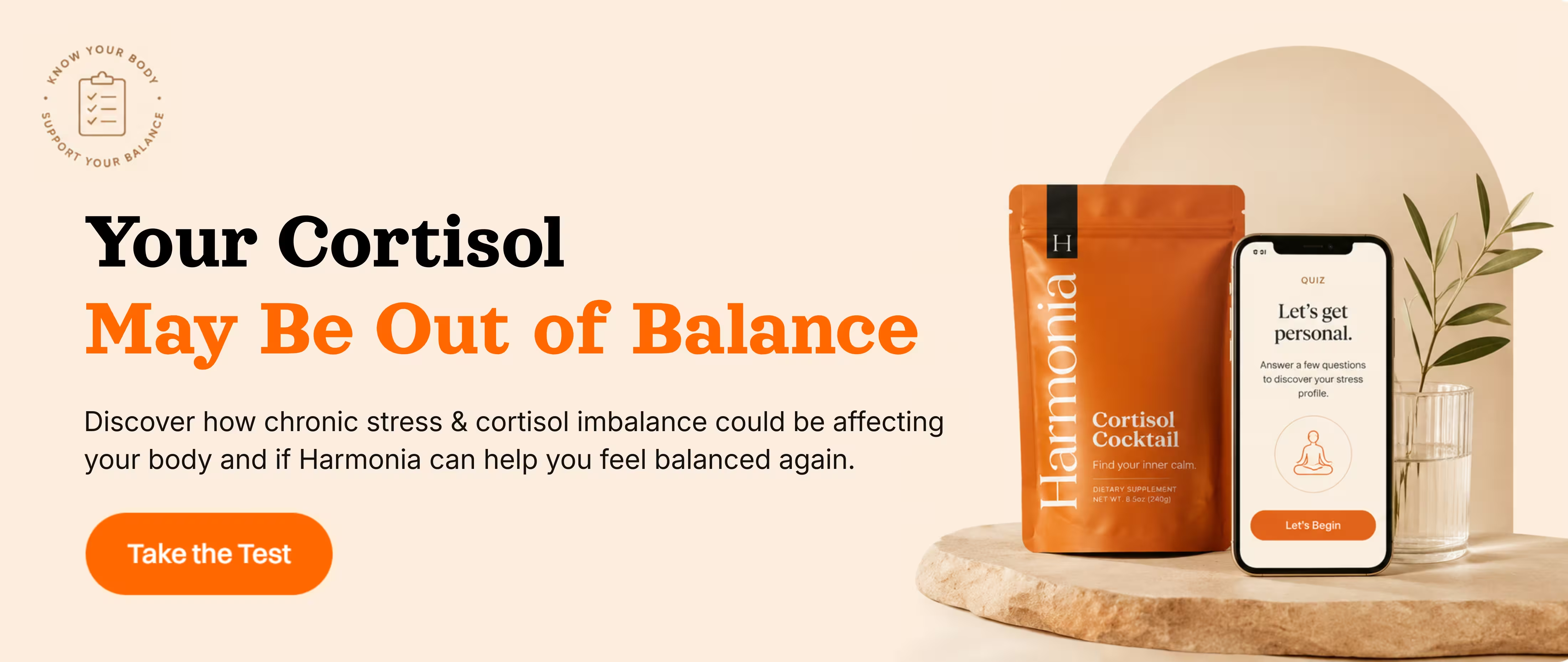
Take the Harmonia quiz to find out which stress pattern your symptoms point to and see how the Harmonia Cortisol Cocktail can help you address it.
Frequently Asked Questions
What are the best natural supplements for stress?
Ashwagandha, magnesium, L-theanine, and rhodiola rosea have the strongest clinical evidence for reducing stress and anxiety. The best choice depends on your specific stress pattern: cortisol-dominant, nervous system hyperactivation, or burnout-type exhaustion.
How long do supplements for stress take to work?
Adaptogens like ashwagandha and rhodiola typically require four to eight weeks of consistent daily use to reach full effect. L-theanine and passionflower work more quickly, with calming effects often noticeable within 30 to 60 minutes of a dose.
Magnesium benefits often appear within one to two weeks.
Are natural stress relief supplements safe?
Most well-studied supplements for stress have favorable safety profiles at recommended doses. Those who are pregnant, breastfeeding, or taking medications should consult a healthcare provider before starting.
Ashwagandha is contraindicated in thyroid conditions and during pregnancy.
Can supplements completely eliminate stress and anxiety?
No supplement eliminates stress entirely, and none are substitutes for addressing the root causes of chronic stress. They work most effectively as part of a broader strategy that includes lifestyle habits, adequate sleep, movement, and addressing psychological stressors directly.
What supplements help with stress-related weight gain?
Ashwagandha, holy basil, and phosphatidylserine are most relevant for stress-related weight gain because they directly target cortisol. Elevated cortisol is a primary driver of abdominal fat accumulation, so reducing cortisol through these supplements may support weight management indirectly.
References
- Gaffney-Stomberg, E., et al. (2025). Withania somnifera (Ashwagandha): supplementation, mechanisms, health benefits. Scientific Reports. Link
- Sarris, J., et al. (2011). Nutritional and herbal supplements for anxiety and anxiety-related disorders: systematic review. Nutritional Neuroscience. Link
- Bystritsky, A., et al. (2008). Rhodiola rosea for physical and mental fatigue: a systematic review. Evidence-Based Complementary and Alternative Medicine. Link
- Hosseini, M., et al. (2021). The effects of lemon balm on depression and anxiety in clinical trials: a systematic review and meta-analysis. Phytotherapy Research. Link
- Mohan Gowda, C. M., et al. (2023). Ocimum tenuiflorum extract: possible effects on the stress response. PLoS One. Link