Stress and cortisol statistics are most helpful when they explain the body you live in: lighter sleep, louder cravings, shorter patience, and a nervous system that takes longer to come down.
These 50 data points show the pattern clearly. Stress is common, women report a heavier burden in several datasets, and long-term cortisol exposure can show up across sleep, mood, weight, brain health, immune function, hormones, skin, and recovery.
Cortisol is useful in physiology. It helps you wake up, mobilize energy, respond to pressure, and regulate inflammation. The trouble starts when the rhythm stays high too often and your body gets fewer chances to reset.
Quick answer
Stress and cortisol statistics in 2026 point to one main pattern: stress is widespread, and chronic stress can show up in measurable sleep, mood, metabolic, immune, brain, and hormone markers.
For women, the data matters because stress often overlaps with caregiving, work pressure, perimenopause, sleep disruption, cravings, and recovery gaps. For the full picture of what cortisol imbalance looks like in practice, cortisol imbalance symptoms covers the most common signs women notice first.
Top 10 stress and cortisol statistics
General stress statistics
General stress statistics show that stress is now a large public health signal, especially when social, economic, and emotional support pressures stack together.
1. 77% of U.S. adults named the future of the nation as a significant source of stress in APA Stress in America 2024, which helps explain why stress can feel heavy even when your personal life looks manageable. Some pressure comes from problems one person cannot solve alone, and your body still carries that load.
2. 73% of U.S. adults named the economy as a significant source of stress in the same national survey. When money pressure touches food, housing, work, and basic safety at once, your body can read the day as higher-stakes before anything big happens.
3. 76% of adults still named the future of the nation as a significant stressor one year later, so the pressure did not fade with one news cycle. That matters for women who feel like the background load never fully turns off.
4. 69% of U.S. adults said they needed more emotional support than they received, up from 65% the year before. Stress gets harder to carry when you are still expected to function, care, decide, plan, and keep everyone else steady.
5. Emotional distress rose from 25.16% to 31.19% between 2009 and 2021 in U.S. emotional distress trends. That puts modern stress inside a bigger emotional load, the kind many people feel before they have language for it.
6. That change equals a 24% relative rise in the same long-term distress dataset. A few percentage points can look small on paper, but across a country it means millions more people carrying strain.
7. 62% of adults across 31 countries said stress affected daily life at least once in the Ipsos global mental health report. Stress is showing up across countries, work systems, family structures, and health systems, which is why generic advice can feel thin.
8. 66% of women globally reported stress, compared with 58% of men, in the same global stress polling. This is one reason women need a more specific conversation around care work, paid work, sleep loss, hormone shifts, and recovery.
9. 40% of Gen Z women said they had felt depressed to the point of sadness or hopelessness several times in the same global mental health report. Younger women are already reporting heavy emotional strain, which can start shaping stress patterns long before midlife.
10. 31% of adults across 31 countries named stress as a main health issue facing their nation in Ipsos health issue polling. Stress now sits inside the health conversation beside mental health, work strain, and chronic disease risk.

Cortisol rhythm statistics
Cortisol works best as a rhythm: higher in the morning, responsive under pressure, then lower as your body moves toward rest. That rhythm is the reason cortisol support should focus on timing, recovery, and repeatable inputs.
Hair, saliva, and serum cortisol answer different questions, so the source and timing matter.
KSM-66 Ashwagandha works on this rhythm at the HPA-axis level: a 60-day randomized trial found a 27.9% serum cortisol reduction versus roughly 7.9% in the placebo group.
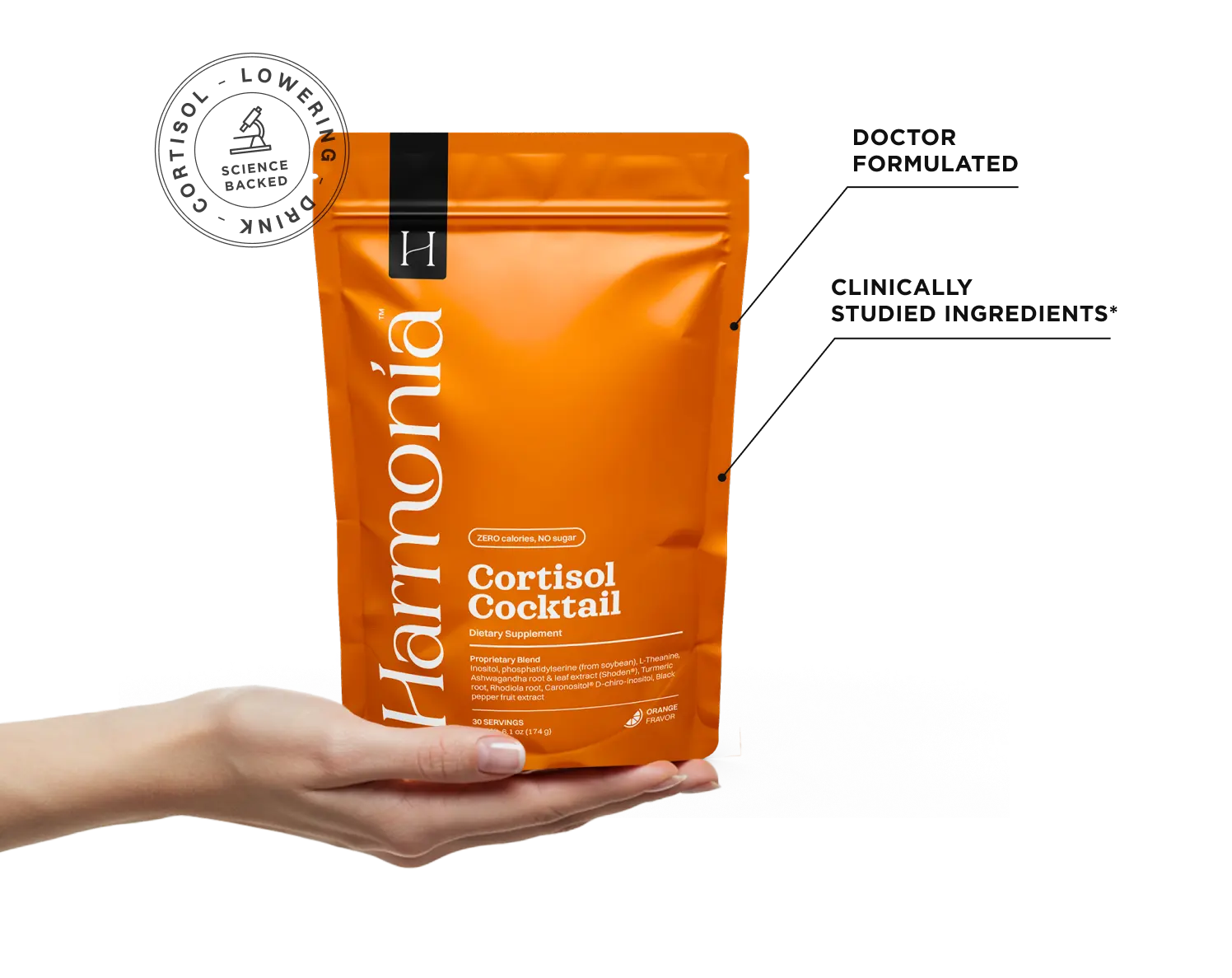
That kind of HPA-axis support is what distinguishes Harmonia from products that rely only on adaptogens without clinical dosing. The Harmonia Cortisol Cocktail includes KSM-66 Ashwagandha alongside L-Theanine, Rhodiola Rosea, and Phosphatidylserine, each chosen for its specific role in the cortisol-rhythm conversation.
11. 90.1% of stressed subjects experienced chronic stress phases in research on chronic stress and cortisol patterns. That kind of phase is easier to understand in months, sleep changes, and daily recovery than in one hard day.
12. Chronically stressed participants had higher resting cortisol than controls in the same research. Resting cortisol matters because the body needs time below high-alert mode to repair, digest, sleep, and think clearly.
13. Hair cortisol concentration reflects longer cortisol patterns than a single blood draw, according to hair cortisol research. For a woman who has felt wired for months, cumulative exposure may match the lived experience better than one lab value.
14. Long-term stress response activation is linked with changes in sleep, digestion, memory, weight regulation, blood pressure, and heart health in Mayo Clinic stress guidance. This is the physiology behind feeling like stress has moved from your mind into your body.
Sleep, mood, and energy statistics
Sleep is one of the clearest places stress shows up because recovery requires the stress system to turn down. For a practical look at what disrupted sleep does to cortisol rhythm over time, cortisol and anxiety explains how the two reinforce each other through the same nervous-system loop.
15. 53% of adults reported disrupted sleep due to stress in an American Academy of Sleep Medicine survey. Waking tired after enough hours still makes sense, because sleep quality can drop before sleep duration looks alarming.
16. 68% of adults reported sleep disruption tied to anxiety in the same survey. An anxious nervous system can make bedtime feel like the first quiet moment of the day, which is often when the mind gets loud.
17. 55% of adults reported sleep disruption tied to depression in the same sleep survey. Low mood and poor sleep can feed each other, which is why recovery needs more than a bedtime rule.
18. 1 in 5 U.S. adults, or 19%, have been told by a healthcare professional that they have a depressive disorder, according to CDC mental health data. Mood symptoms are common enough that stress content should treat them with care.
19. 12.1% of U.S. adults regularly feel worried, nervous, or anxious, according to CDC FastStats mental health data. Regular worry can keep the body scanning for problems even when nothing urgent is happening in the room.
20. 4.8% of U.S. adults regularly have feelings of depression, according to CDC FastStats depression data. Low mood, low energy, and poor sleep can blur together in real life, so symptom patterns deserve clinical context.
21. People with major depressive disorder had higher cortisol than controls in research on depression and cortisol levels. Cortisol belongs in the biology conversation when stress, sleep, and mood shift together.
Workplace stress statistics
Work stress becomes a body issue when demand stays high and recovery keeps shrinking. How to lower cortisol fast covers the acute side of that equation, while adrenal fatigue symptoms can help explain why the physical side of burnout often arrives before the emotional side does.
22. Depression and anxiety cost 12 billion working days every year, according to WHO workplace mental health estimates. That number reflects lost workdays, but the lived version is trying to perform with strained sleep, attention, and energy.
23. Depression and anxiety cost about $1 trillion per year in lost productivity, according to the same global workplace mental health fact sheet. The body and brain have limits, even when the inbox keeps moving.
24. Almost 60% of the world population is in work, according to WHO mental health at work data. Workplace stress touches a huge share of adults, so recovery needs to be treated as daily infrastructure.
25. 54% of Gen Z adults said they felt stressed to the point that they could not go to work in the past year in Ipsos workplace stress findings. This is stress moving from feeling to function.
26. 47% of Millennials reported stress severe enough to keep them from work in the same global age-group data. Many women in this age band are raising families, caring for parents, or moving into higher-responsibility roles at the same time.
Heart, metabolism, and immune statistics
Chronic stress data becomes harder to ignore when cortisol markers travel with cardiovascular, metabolic, immune, and inflammatory patterns.
Phosphatidylserine, one of the ingredients in the Harmonia Cortisol Cocktail, has specific cortisol-response data in both exercise and acute stress settings: an exercise trial found 800 mg lowered cortisol response to intensive cycling by 30% and resistance training by 20%.
27. The CARDIA chronic stress study followed 3,401 adults over 20 years. Long follow-up matters because stress-related health patterns often build slowly.
28. Chronic stress lasting six months or more across five life domains independently predicted cardiovascular events in CARDIA. A stressful week and a stressful half-year can ask very different things from the body.
29. A Swedish hair cortisol cohort included 4,821 adults. This gives the cortisol-cardiometabolic link a larger population frame than small lab studies.
30. Higher hair cortisol was associated with hypertension in the Swedish cohort. Blood pressure belongs in the stress conversation because the body raises cardiovascular readiness under threat.
31. Higher hair cortisol was associated with high cholesterol in the same cohort. Stress can press on metabolic patterns through sleep, appetite, inflammation, and liver signaling.
32. Higher hair cortisol was associated with type 2 diabetes in the same cardiometabolic dataset. Cortisol interacts with glucose regulation, which is why blood sugar steadiness matters in stress support.
33. Higher hair cortisol was associated with atrial fibrillation in the same research. Heart rhythm, sleep, stimulants, and stress load can cluster in real life, especially during long high-pressure seasons.
34. Higher cortisol was associated with a five-fold odds ratio for acute myocardial infarction in one study. This is association data, but it keeps cortisol in the cardiovascular risk conversation.
35. Chronic stress can reduce antibody production, according to a review on stress and immune function. Feeling run down after a long stressful stretch has a plausible immune pathway.
36. Chronic stress can impair T-cell function in the same immune review. Immune resilience depends on sleep, food, connection, medical care, and enough recovery time.
37. Chronic stress can shift cytokine signaling toward inflammation. This is one reason stress can feel physical through soreness, flares, slower recovery, or lower tolerance for extra demands.
38. Allostatic load research links repeated stress exposure with hypercortisolemia, inflammatory cytokines, higher blood pressure, overweight, and insulin resistance. The useful phrase is cumulative wear: the body pays attention to repeated signals.
Brain health and aging statistics
Brain health statistics matter because cortisol-sensitive systems overlap with memory, sleep, threat detection, and emotion regulation.
39. A Neurology cortisol study included 2,231 healthy middle-aged adults. This age range is relevant for women who feel sharper stress effects before old age begins.
40. Participants with higher cortisol performed worse on memory and cognitive tests in the same study. Brain fog under stress has a biological context, which is why motivation is a poor explanation for every foggy day.
41. Higher cortisol was linked with lower brain volume, especially in women. This makes midlife stress recovery a brain-health topic for women.
42. A review on cortisol and brain structure found higher serum cortisol was negatively related to hippocampal volume. The hippocampus is involved in memory and stress regulation, which helps explain why chronic stress can feel cognitive.
43. A 2025 Framingham Heart Study analysis included 305 cognitively unimpaired adults with a mean age of 39.6. This pushes the cortisol-brain conversation earlier into adulthood than many readers expect.
44. Higher midlife cortisol was associated with increased amyloid deposition about 15 years later in that Framingham analysis. This finding belongs in the take-recovery-seriously category when stress has lasted for years.
45. The cortisol-amyloid association was strongest in postmenopausal women. This is why women-specific cortisol data deserves its own space in the article.
46. A longitudinal telomere study followed 411 healthy adults aged 54 to 76. Telomere research is one way scientists study biological aging under stress.
47. Cortisol responders in that telomere study had faster telomere attrition equal to about two years of faster biological aging. The number varies by person, but it shows that stress responsiveness can track with cellular aging markers.
48. Women with the highest perceived stress in the PNAS caregiver stress study had telomeres shorter by at least the equivalent of one decade of additional aging compared with low-stress women. Caregiving stress is body stress, which many midlife women know before any study confirms it.
Weight, hormones, skin, and social stress statistics
These are the patterns many women search for at night: weight shifts, cravings, cycle changes, skin flares, and loneliness. For a deeper look at how cortisol specifically drives abdominal fat storage, cortisol belly fat covers why it happens and what the physiology behind it looks like.
49. The UCL hair cortisol and obesity study included 2,527 men and women aged 54 and older. This is a useful midlife dataset because it measured hair cortisol alongside weight, BMI, and waist circumference.
50. Higher hair cortisol was associated with larger waist circumference, higher body weight, and higher BMI in the same study. Stress-related weight patterns often involve sleep, appetite, insulin, and recovery at the same time, which is why a restriction-only plan can feel harder when stress is high.
Additional data
Stress and appetite: stress eating and cortisol reactivity research found high cortisol reactors consumed more calories, sweet foods, and high-fat foods after stress, which helps explain why cravings can feel louder after high-pressure days.
Stress and reproductive signaling: a 2023 review on stress hormones and ovarian signaling found that stress hormones can disrupt communication between the brain and ovaries, including ovulation and progesterone signaling.
Stress and fertility timing: a female fecundity study found stress was associated with a lower probability of conception during the fertile window. New cycle or fertility changes still deserve clinical context.
Stress and skin: if stress tends to show up on your face first, cortisol and anxiety explains how the nervous-system loop between stress and inflammatory skin responses works.
Social stress: the U.S. Surgeon General advisory reported that loneliness increased premature death risk by 26% and social isolation increased it by 29%, which makes connection part of the stress conversation.
HPA-axis stress: research on loneliness and HPA-axis activation links chronic loneliness with cortisol and inflammatory cytokine patterns.
.jpg)
Cortisol support evidence
Intervention evidence is most helpful when it names the ingredient, dose, population, and measured outcome.
KSM-66 Ashwagandha has human trial data: a randomized trial found a 27.9% serum cortisol reduction over 60 days versus about 7.9% in placebo.
A later ashwagandha systematic review found reduced stress and anxiety with a statistically meaningful cortisol reduction at eight weeks.
L-theanine has stress-task and daily-use data. One stress-task trial measured salivary cortisol after a stressor, while a 28-day trial using 400 mg daily found changes in perceived stress, sleep quality, and cognitive attention.
Phosphatidylserine also has cortisol-response data. An exercise trial found 800 mg lowered cortisol response to intensive cycling by 30% and resistance training by 20%, while an acute stress trial studied 400 mg daily in people with chronically high stress.
Recovery-based movement has measured cortisol data too. A 2025 yoga cortisol meta-analysis of 44 randomized controlled trials ranked yoga first among exercise modalities for cortisol reduction.
The bottom line
Your stress response is measurable, and it can show up in sleep, mood, weight patterns, immune resilience, brain health, hormones, skin, and recovery. Start with the pattern that disrupts your day most, then choose the smallest repeatable support step that fits your actual life.
If sleep is the first domino, protect sleep timing. If cravings or crashes come first, steady meals earlier in the day and look at the stress load around those changes.
The Harmonia Cortisol Cocktail brings together KSM-66 Ashwagandha, L-Theanine, Rhodiola Rosea, Phosphatidylserine, Myo-Inositol, Magnesium, and B vitamins, each targeting a specific node in the HPA-axis conversation: stress signaling, nervous-system calm, sleep support, blood sugar steadiness, and recovery.
If the patterns in this data sound familiar, take the Harmonia quiz to see whether the Cortisol Cocktail fits where you are right now.
References
- American Academy of Sleep Medicine. (2024). Stress, anxiety and depression survey shows mental health conditions disrupt a majority of Americans’ sleep. Link
- American Psychological Association. (2024). Stress in America 2024: A nation in political turmoil. Link
- American Psychological Association. (2025). Stress in America 2025: A crisis of connection. Link
- Centers for Disease Control and Prevention. (2026). Mental health data: Conditions and care. Link
- Centers for Disease Control and Prevention. (2026). FastStats: Mental health. Link
- Chandrasekhar, K., Kapoor, J., & Anishetty, S. (2012). A prospective, randomized double-blind, placebo-controlled study of safety and efficacy of ashwagandha root extract. Indian Journal of Psychological Medicine. Link
- Epel, E. S., Blackburn, E. H., Lin, J., et al. (2004). Accelerated telomere shortening in response to life stress. Proceedings of the National Academy of Sciences. Link
- Ipsos. (2024). Ipsos World Mental Health Day report. Link
- Mayo Clinic. (2023). Chronic stress puts your health at risk. Link
- McEwen, B. S., and related allostatic load literature. (2015). Allostatic load and mechanisms of stress-related disease. Link
- Ouanes, S., Popp, J., et al. (2023). High cortisol, brain structure, and memory performance: Review evidence. Link
- Smyth, N., Hucklebridge, F., Thorn, L., Evans, P., & Clow, A. (2013/2015). Hair cortisol as a marker of long-term cortisol exposure. Link
- Sundin, J., et al. (2024). Hair cortisol concentration and cardiometabolic disease in a Swedish cohort. Link
- University College London. (2017). Long-term stress linked to higher levels of obesity. Link
- U.S. Department of Health and Human Services. (2023). Our epidemic of loneliness and isolation: The U.S. Surgeon General’s advisory. Link
- World Health Organization. (2022). Mental health at work. Link
- Yoga cortisol meta-analysis. (2025). Exercise modalities and cortisol reduction: Systematic review and network meta-analysis. Link
- L-theanine stress-task trial. (2021). Effects of L-theanine on stress and cortisol response. Link
- L-theanine 28-day trial. (2024). L-theanine, perceived stress, sleep quality, and cognitive attention. Link
- Phosphatidylserine exercise trial. (1990). Effects of phosphatidylserine on cortisol response to intensive exercise. Link
- Phosphatidylserine acute stress trial. (2014). Phosphatidylserine and ACTH/cortisol responses under acute stress. Link
- Stress hormones and ovarian signaling review. (2023). Stress hormone signaling and ovarian function. Link
- Female fecundity study. (2010). Stress and probability of conception during the fertile window. Link
- CARDIA chronic stress study. (2024). Chronic stress and cardiovascular events over 20 years. Link
- Neurology cortisol study. (2018). Serum cortisol, cognition, and brain volume in middle-aged adults. Link
- Framingham Heart Study analysis. (2025). Midlife cortisol and later amyloid deposition. Link
- Longitudinal telomere study. (2017). Cortisol response, telomere length, and telomere attrition in older adults. Link
- Stress and immune function review. (2024). Acute and chronic stress effects on immune function. Link
- Ashwagandha systematic review. (2025). Ashwagandha supplementation, stress, anxiety, and cortisol outcomes. Link
- van der Valk, E. S., et al. (2018). Stress and obesity: Are there more susceptible individuals? Link