Feeling constantly exhausted, overwhelmed, or unlike yourself - even after doing “all the right things” - is more common than many women realize.
For a growing number of women, these experiences are often described as adrenal fatigue symptoms, a term widely used to explain the effects of long-term stress on energy, mood, sleep, and hormonal balance.
While adrenal fatigue is not a formal medical diagnosis, it reflects a very real pattern of symptoms linked to chronic stress, cortisol imbalance, and nervous system overload.
Understanding how these symptoms show up in females is a crucial first step toward reclaiming energy, mental clarity, and emotional resilience.
What Is Commonly Meant by “Adrenal Fatigue”?
The term adrenal fatigue is commonly used in wellness and functional health settings to describe a state where the body struggles to adapt to prolonged stress.
Rather than referring to a failure of the adrenal glands themselves, it typically reflects chronic stress exposure that disrupts normal cortisol patterns.
Cortisol is the body’s primary stress hormone. Under healthy conditions, cortisol rises in the morning to promote alertness and gradually declines throughout the day to support relaxation and sleep.
However, when stress is ongoing - emotional, physical, or environmental - this rhythm can become disrupted.
Many women use the term adrenal fatigue because it accurately captures how they feel:
- Drained yet wired
- Overstimulated but exhausted
- Functional on the outside, depleted on the inside
Importantly, this concept is distinct from medically recognized adrenal diseases such as Addison’s disease or Cushing’s syndrome, which require clinical diagnosis and treatment.
Adrenal fatigue symptoms, by contrast, tend to be functional, stress-related, and lifestyle-driven.
Adrenal Fatigue Symptoms in Females
The symptoms associated with adrenal fatigue often develop gradually and can be easy to dismiss at first.
Over time, however, they tend to compound - affecting physical energy, emotional stability, cognitive function, and metabolic health.
Persistent Fatigue That Doesn’t Improve With Rest
One of the most defining adrenal fatigue symptoms in females is unrelenting tiredness. This is not the kind of fatigue that resolves after a good night’s sleep or a relaxing weekend.
Women may notice:
- Difficulty waking up, even after 7–9 hours of sleep
- Feeling sluggish or heavy throughout the day
- Sudden energy crashes in the afternoon
- Reliance on caffeine to function
This fatigue often feels disproportionate to activity levels and can persist despite healthy eating or exercise.
Difficulty Handling Stress

As stress accumulates, emotional resilience tends to decline. Situations that once felt manageable may suddenly feel overwhelming.
Common experiences include:
- Feeling easily overstimulated or emotionally reactive
- Increased anxiety or nervous tension
- Irritability or impatience
- A constant sense of pressure or urgency
Many women describe feeling “on edge” without being able to identify a clear cause.
Sleep Problems and Non-Restorative Sleep
Sleep disturbances are closely tied to adrenal fatigue symptoms. Even when women get enough hours in bed, sleep quality is often poor.
Typical patterns include:
- Trouble falling asleep due to racing thoughts
- Waking between 2–4 a.m. and struggling to fall back asleep
- Light, restless sleep
- Waking up feeling unrefreshed
Because sleep is when cortisol should naturally decline, disrupted sleep further worsens the stress response - creating a difficult cycle.
Brain Fog and Poor Concentration
Cognitive symptoms are common but frequently overlooked. Chronic stress affects neurotransmitters, blood sugar stability, and nervous system regulation, all of which influence mental clarity.
Women may experience:
- Difficulty focusing or multitasking
- Forgetfulness
- Reduced motivation
- Mental fatigue that worsens throughout the day
This “brain fog” can impact productivity, confidence, and emotional well-being.
Cravings, Blood Sugar Swings, and Weight Changes
Stress hormones play a direct role in appetite regulation and metabolism. As a result, adrenal fatigue symptoms often include changes in eating behavior and body composition.
Common signs include:
- Strong cravings for sugar or refined carbohydrates
- Feeling shaky or irritable when meals are delayed
- Energy dips after eating
- Stubborn weight gain, particularly around the midsectio
These symptoms are not about lack of willpower - they are often driven by cortisol’s effect on blood sugar and insulin signaling.

Hormonal Symptoms Often Seen Alongside Adrenal Fatigue in Women
In females, stress hormones and reproductive hormones are deeply interconnected. When cortisol demand increases, the body often shifts resources away from estrogen and progesterone production to prioritize survival.
This hormonal trade-off explains why adrenal fatigue symptoms in females frequently overlap with menstrual and mood-related concerns.
Irregular Cycles and Hormonal Imbalance
Women may notice:
- Changes in cycle length or flow
- Skipped or delayed periods
- Worsening PMS symptoms
- Increased sensitivity to stress during the luteal phase
Even when hormone levels fall within “normal” lab ranges, women may still experience symptoms if cortisol is interfering with hormonal signaling.
Mood Changes and Low Motivation
Beyond anxiety and irritability, adrenal fatigue can present as emotional flatness or lack of drive.
This may include:
- Feeling detached or unmotivated
- Reduced enjoyment in activities once found pleasurable
- Increased emotional sensitivity
- Mood swings without clear triggers
These shifts are often misunderstood as purely psychological, when they are frequently rooted in physiological stress overload.
What Are the Signs of Adrenal Gland Problems in Females?

Because adrenal fatigue symptoms overlap with other conditions, it’s important to understand when symptoms may signal true adrenal gland dysfunction.
Signs that warrant medical evaluation include:
- Extreme weakness or unexplained weight loss
- Low blood pressure or dizziness upon standing
- Persistent nausea or abdominal pain
- Darkening of the skin
- Severe fatigue that worsens rapidly
Women experiencing these symptoms should consult a healthcare professional to rule out conditions such as adrenal insufficiency, thyroid disorders, anemia, or autoimmune disease.
Adrenal fatigue symptoms, by contrast, tend to develop slowly and are often linked to lifestyle stressors rather than structural adrenal damage.
Lifestyle Factors That May Worsen Adrenal Fatigue Symptoms
Modern routines often unintentionally reinforce stress patterns, especially for women balancing work, family, and personal responsibilities.
Factors that commonly worsen symptoms include:
- Inconsistent sleep schedules
- Excess caffeine or stimulant use
- Over-exercising without adequate recovery
- Skipping meals or restrictive dieting
- Constant digital stimulation
Addressing these contributors is often just as important as adding supportive strategies.
Find the complete list of adrenal fatigue foods to avoid here.
Supporting the Body’s Stress Response Naturally
While there is no single solution for adrenal fatigue symptoms, supporting the nervous system and stress response consistently can lead to meaningful improvement over time.
Nervous System Support and Daily Recovery
Daily practices that signal safety and calm to the nervous system are foundational. These may include:
- Gentle movement instead of high-intensity workouts
- Regular sleep and wake times
- Breathing exercises or mindfulness
- Reducing evening stimulation
Consistency matters more than intensity.
Nutrient and Adaptogenic Support
Chronic stress increases the body’s demand for key nutrients involved in energy production and neurotransmitter balance. Nutrients commonly depleted by stress include magnesium, B vitamins, vitamin C, and certain amino acids.
Adaptogenic plant extracts have also gained attention for their ability to help the body adapt to stress more efficiently. When thoughtfully combined, these nutrients can support relaxation, emotional balance, and overall resilience.
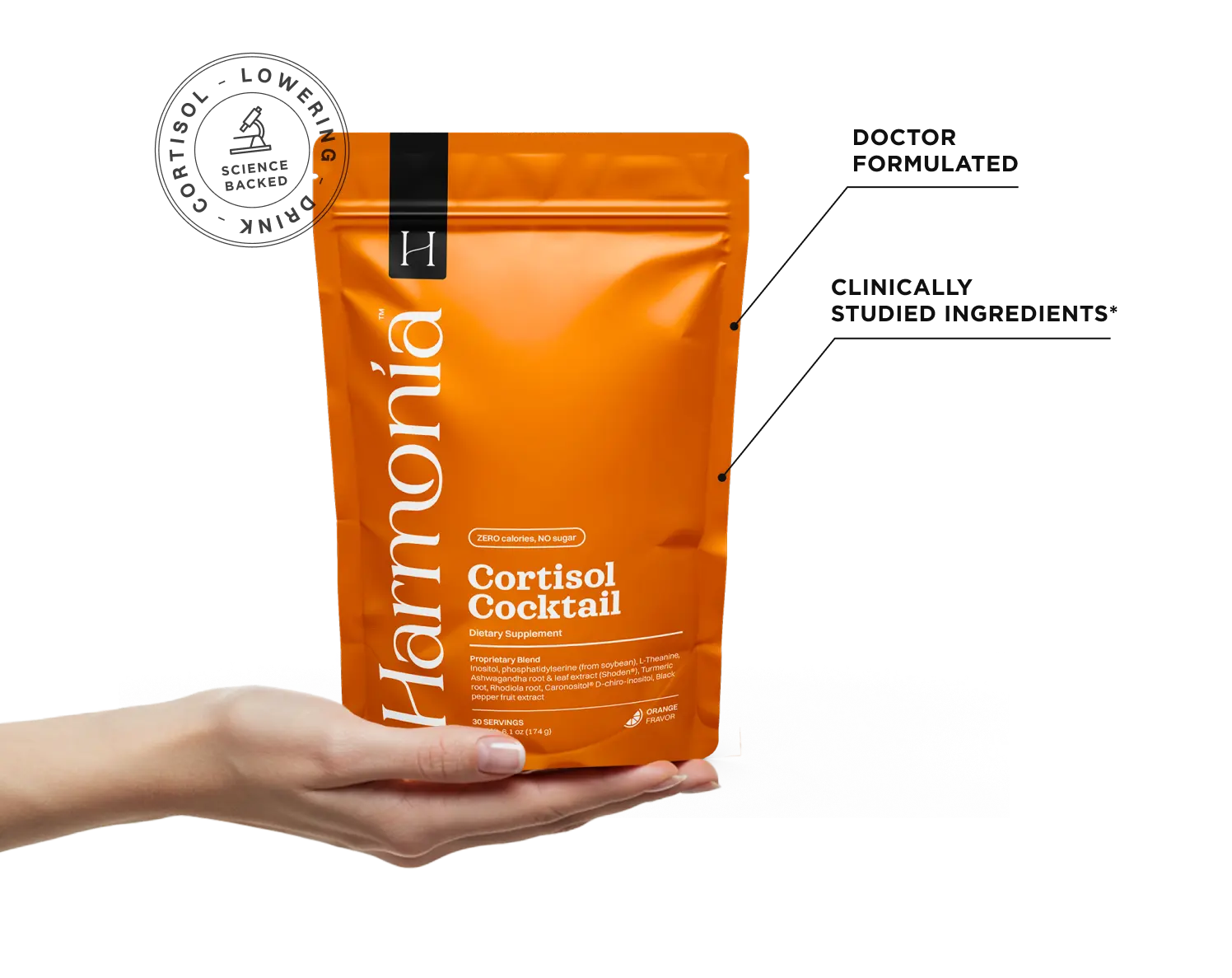
Harmonia is formulated as a daily cortisol-support drink that blends adaptogenic extracts, calming amino acids, and essential nutrients to help promote relaxation, improve sleep quality, and support hormonal balance - particularly for women navigating chronic stress and fatigue.
Used alongside lifestyle changes, it offers a convenient way to support the body’s stress response without overstimulation.
When to Seek Medical Support
Even when symptoms appear stress-related, professional guidance is important if:
- Symptoms persist despite lifestyle changes
- Fatigue interferes with daily functioning
- Menstrual changes become severe or prolonged
- There is a history of thyroid, autoimmune, or metabolic conditions
A healthcare provider can help rule out underlying issues and guide appropriate testing or treatment.
Conclusion

Adrenal fatigue symptoms in females are common, real, and often rooted in prolonged stress rather than personal failure. Persistent fatigue, sleep disruption, mood changes, cravings, and hormonal irregularities are signals - not weaknesses - that the body needs support.
By understanding these symptoms early and responding with sustainable lifestyle strategies, nervous system care, and targeted nutritional support, many women are able to restore energy, clarity, and emotional balance over time.
If chronic stress has been shaping how you feel day after day, incorporating a daily support tool like Harmonia may help reinforce your efforts. Designed to support relaxation, improve sleep quality, and promote hormonal balance, Harmonia can be a simple yet effective addition to a long-term approach to stress resilience and overall well-being.
Take the next step toward feeling balanced again - support your stress response consistently and give your body the support it’s been asking for.
References
- Vaughan, E. D. (2004). Diseases of the adrenal gland. Medical Clinics, 88(2), 443-466. Link.