You've seen the posts. The glowing pitcher. The artfully sliced cucumber. The bold overlay text promising a flatter stomach by the end of the week.
Maybe you've tried it. Maybe you're skeptical. Maybe you're somewhere in the middle, hoping someone will just give you a straight answer.
So here it is: detox water for weight loss can genuinely support your goals. But not because it "flushes toxins" or "burns fat while you sleep."
Quick answer
Detox water supports weight loss by replacing high-calorie drinks, improving hydration before meals to reduce calorie intake, and delivering specific bioactive compounds (particularly in ACV and green tea recipes) that affect blood sugar and fat metabolism. No recipe "flushes toxins." The benefit is real, but the mechanism is different from what most people expect.
What these recipes actually do is more practical. Once you understand the real mechanisms, you'll know exactly which ones are worth making and why. I'll give you 7 recipes, plus the honest science behind each one.
What "Detox Water" Actually Does for Weight Loss
Let's get the myth out of the way first, because it matters.
Your body is not full of toxins waiting to be flushed by a cucumber. No drink can "detox" you. That claim exists because it sells things, not because it's accurate.
But here's what these drinks can genuinely do.
They help you drink more water, and that alone can affect how much you eat. One randomized trial found that drinking 500ml of water 30 minutes before a meal reduced calorie intake by around 13% in obese older adults.
Your kidneys also need adequate hydration to support lipolysis, which is how your body converts stored fat into usable energy. Chronic dehydration slows that process down.
They also replace drinks that actually have calories in them. Most people don't realize how many calories come from beverages: juice, sweetened coffee, sodas, flavored drinks. The average ranges from 300 to 500 liquid calories per day.
Switch those to weight loss drinks like infused water, and you've created a real caloric deficit without touching your meals.
And some specific ingredients have genuine research behind them. Not all of them, and not in the doses most recipes contain. But I'll flag the ones that hold up and explain the mechanism.
7 Detox Water for Weight Loss Recipes

1. Apple Cider Vinegar Lemon Water
Best for: blood sugar regulation, appetite control
Ingredients:
- 1 tablespoon raw, unfiltered apple cider vinegar
- Juice of half a lemon
- 500ml cold water
- Optional: a pinch of cayenne, a few mint leaves
How to make: Combine everything in a glass or bottle. Stir well. Drink in the morning or before a meal. Never skip diluting it. Undiluted apple cider vinegar is harsh on tooth enamel.
This is the best-evidenced recipe on this list. A 2018 randomized controlled trial with 175 participants found that 30ml of apple cider vinegar daily over 12 weeks produced statistically significant reductions in body weight, BMI, waist circumference, and triglycerides.
The active compound is acetic acid, which slows gastric emptying, reduces post-meal blood sugar spikes, and appears to support insulin sensitivity.
The effect is real and it is also modest: roughly 1–2kg over 12 weeks, in people who were also following a reduced-calorie diet. This is a useful tool, not a shortcut. But that's true of every tool in nutrition.
2. Cucumber Mint Water
Best for: hydration, reducing water retention, an easy soda swap
Ingredients:
- 1/2 cucumber, thinly sliced
- 8–10 fresh mint leaves
- 1 litre water
- Optional: a squeeze of lemon
How to make: Add cucumber and mint to a pitcher. Refrigerate for at least 2 hours. The longer it steeps, the better the flavor.
Cucumber contains silica and antioxidants, but the dose from a few slices steeped in water is quite small. I won't pretend this is doing something clinical.
What cucumber mint water does well is make plain water interesting enough that people actually drink it. That's the whole game here.
More water means better hydration, which reduces the cortisol-driven water retention that makes the scale creep up during stressful weeks. It also replaces whatever you were reaching for instead.
Mint genuinely supports digestion and reduces bloating from gas. If post-meal bloating is part of your concern, this is a good evening drink.
3. Lemon Ginger Water
Best for: digestion, anti-inflammatory support, blood sugar
Ingredients:
- 1 lemon, sliced
- 1–2 inches fresh ginger, thinly sliced
- 1 litre water
- Optional: a few slices of fresh turmeric root
How to make: Add ginger and lemon to a pitcher with cold water. For a stronger flavor, steep overnight in the fridge. For a warming version, simmer ginger in water for 10 minutes, cool slightly, then add lemon slices.
Lemon water for weight loss gets more credit than the evidence supports when the claims are about lemon specifically.
The citrus flavonoids (hesperidin and eriocitrin) show promising effects on glucose metabolism and fat accumulation in some studies, but mostly in animal models or at clinical doses much higher than what you get from infused water.
Ginger is the stronger player here. Studies using 1–3g of powdered ginger per day show thermogenic effects and reductions in fasting blood glucose.
The dose in infused water is lower than that, but ginger also has well-supported anti-inflammatory and anti-nausea properties that benefit overall digestive health. Cold or hot, this is a genuinely useful drink.
4. Cinnamon Apple Water
Best for: blood sugar balance, afternoon cravings
Ingredients:
- 1 apple, thinly sliced
- 2 cinnamon sticks
- 1 litre water
- Optional: vanilla bean pod
How to make: Add apple slices and cinnamon sticks to a pitcher. Refrigerate for at least 4 hours. This one is significantly better the next day. Make it the night before.
Cinnamon has genuine blood sugar evidence behind it. A meta-analysis of 10 randomized controlled trials found that cinnamon supplementation reduced fasting blood glucose by an average of 24 mg/dL.
The dose in steeped cinnamon sticks is lower than supplement form, but there is real compound extraction happening enough to make this a meaningfully better choice than sweetened drinks for anyone managing cravings around blood sugar fluctuations.
This is a particularly good option for the mid-afternoon window when energy crashes and most people reach for something sweet.

5. Green Tea Citrus Water
Best for: metabolism support, antioxidants, a coffee alternative
Ingredients:
- 2 green tea bags (cold-brewed overnight, or brewed and cooled)
- Juice of 1 orange
- Sliced grapefruit rounds
- 500–750ml water
- Serve over ice
How to make: Cold brew 2 green tea bags in 500ml water overnight in the fridge. Add citrus and serve. If you prefer a lighter flavor, dilute with extra water.
Green tea is the best-evidenced drink in the weight loss category. The compound EGCG (epigallocatechin gallate), combined with natural caffeine, increases fat oxidation and energy expenditure.
A meta-analysis of 11 studies on green tea and weight loss found that green tea extracts significantly reduced body weight compared to controls. The effects are consistent across multiple trials, which is more than you can say for most "metabolism-boosting" claims in the wellness space.
The orange and grapefruit add polyphenols, vitamin C, and citrus flavonoids. More importantly, they make this drink genuinely enjoyable as a cold afternoon alternative to coffee with sugar. And that habit swap is where a lot of the real benefit lives.
If you're trying to cut back on high-sugar beverages or build healthier habits around what you drink each day, these easy weight loss drink recipes you can make at home can fit naturally alongside this approach.
6. Watermelon Mint Water
Best for: hydration, post-workout recovery, hot-weather drinking
Ingredients:
- 2 cups fresh watermelon, cubed
- 10–12 fresh mint leaves
- 1 litre water
- Optional: a squeeze of lime
How to make: Muddle the watermelon slightly before adding it to the water to release more juice. Add mint. Steep for 1–2 hours and strain if you prefer a clearer drink.
Watermelon contains L-citrulline, an amino acid that supports nitric oxide production and blood flow. It's well-studied for exercise recovery and reducing muscle soreness.
In the context of weight loss, better recovery means you can move more, more consistently. That compounds over time.
Watermelon is also 92% water, which makes this one of the most hydrating recipes on the list. And the natural sweetness makes it a much easier soda replacement than plain water for people who genuinely love sweet drinks.
7. Spearmint Grapefruit Water
Best for: hormone balance, anti-androgen support, people with PCOS
Ingredients:
- 6–8 sprigs fresh spearmint
- 1/2 grapefruit, sliced
- 1 litre water
- Optional: a fresh rosemary sprig
How to make: Add spearmint and grapefruit to a pitcher. Refrigerate for 2–4 hours. Strain before drinking if preferred.
This is the only recipe on this list designed specifically with hormonal weight challenges in mind, so it earns a slightly longer explanation.
Spearmint has anti-androgenic properties supported by two small but well-designed randomized controlled trials. One found that twice-daily spearmint tea significantly reduced free testosterone in women with PCOS.
Elevated androgens contribute to the particular pattern of weight gain and fat distribution that many people with PCOS experience. Spearmint doesn't replace medical treatment, but it's a real mechanism and not one you'll find in most recipe articles.
Grapefruit contains naringenin, a flavonoid with preliminary evidence for improving insulin sensitivity.
The dose in infused water is modest, and grapefruit interacts with certain medications (including some statins and birth control), so check with your healthcare provider if that's relevant to you.
If PCOS-related weight challenges aren't part of your picture, this is still a refreshing, zero-calorie drink worth making. The hormone angle is a bonus.
How to build a drink habit that actually sticks
A recipe list doesn't change anything on its own.
What moves the needle is what you replace. If you currently drink two glasses of juice, two sodas, or two sweetened coffees a day, replacing them with any of the drinks on this list could reduce your daily intake by 300–600 calories.
Over a week, that's a meaningful deficit, without changing a single meal to get there.
The recipes here are designed to be enjoyable enough to stick with. That is genuinely the most important variable.
When stress is elevated and unmanaged, progress stalls even when habits look good on paper. Cravings for sugar and ultra-processed foods increase. Fat tends to accumulate around the midsection. Insulin signaling gets disrupted. Water retention keeps the scale flat.
Replacing sugary drinks with infused water can support hydration, cravings, and calorie reduction. But if stress, poor sleep, and hormone-related cravings are part of the pattern, hydration alone may not address the whole picture.
If you want to understand which foods are working for and against you at the same time, the guide to 15 powerful foods that lower cortisol pairs well with this approach. And if you're trying to build an evening routine that supports fat loss overnight, what to eat at night to lose belly fat is worth reading alongside it.
.jpg)
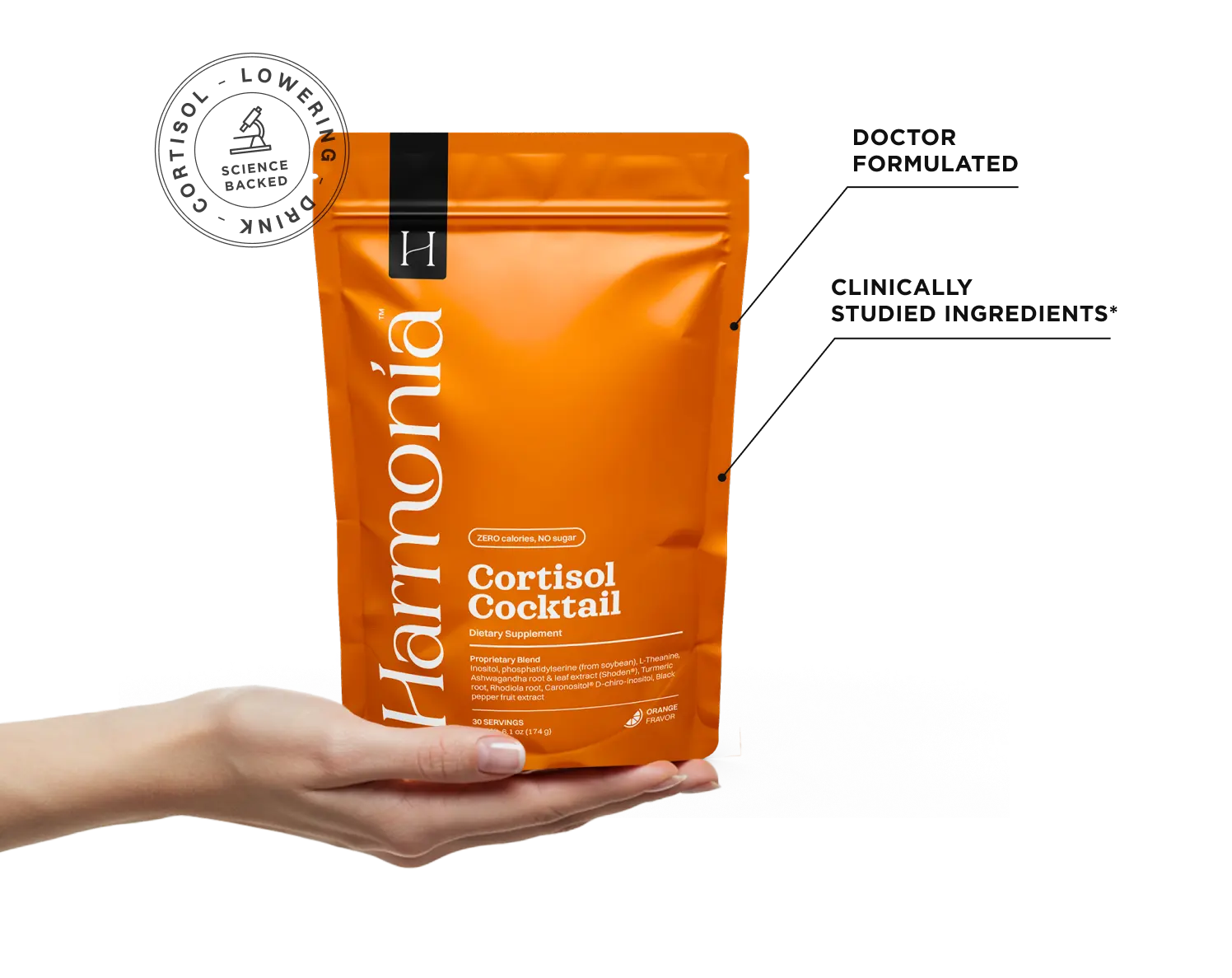
For anyone dealing with stress-related weight challenges, Harmonia is a cortisol cocktail formulated to address the hormonal side of this pattern. It combines the adaptogens Ashwagandha and Rhodiola Rosea with Myo-Inositol to support cortisol balance and insulin sensitivity together.
The infused water habits in this list work well alongside that approach, serving as one piece of a broader, more sustainable picture.
The Bottom Line
None of these recipes will flush toxins from your body or trigger rapid fat loss overnight. What they will do is give you a low-calorie, evidence-informed drink habit that replaces higher-calorie options, supports your body's actual processes, and is sustainable enough to stick with.
Start with one recipe this week. Drink it daily.
And if stress, hormones, or persistent cravings are making weight loss harder than your habits should explain, take the Harmonia quiz to see how the cortisol cocktail can support your weight loss goals.
Frequently Asked Questions
Does detox water actually burn fat?
Water supports fat metabolism by enabling lipolysis, the process your body uses to break down stored fat for energy. Adequate hydration is genuinely important for that process. But no drink "burns fat" on its own.
The mechanism in infused water is mostly the hydration itself, plus specific bioactive compounds in certain recipes (particularly ACV and green tea). The "burn fat" framing is marketing shorthand for a more nuanced and honest story.
How much detox water should I drink per day?
Aim for 1.5–2 litres of total fluid daily, which can include infused water. If you're replacing high-calorie drinks, even 500ml to 1 litre of infused water per day makes a meaningful difference. Drink enough that your urine is pale yellow and you feel well-hydrated.
When is the best time to drink infused water for weight loss?
The strongest evidence points to drinking 500ml of water 30 minutes before meals to reduce calorie intake. Morning is also a practical time, particularly for ACV water, which helps stabilize blood sugar before you eat. That said, the best time is whenever you'll actually drink it consistently.
Which detox water recipe should I start with?
Start with apple cider vinegar lemon water if blood sugar or appetite control is your main concern — it has the strongest direct evidence. If you want something easier to drink daily without adjustment, cucumber mint water or lemon ginger water are more approachable and still effective as high-calorie drink replacements.
Can I drink these recipes while pregnant or breastfeeding?
Most of these are safe, but a few caveats. High therapeutic doses of ginger are not recommended during pregnancy, though small amounts in food and drink are generally considered fine. Grapefruit can interact with certain medications including some birth control formulations.
Large amounts of spearmint tea are also not recommended during pregnancy. When in doubt, check with your healthcare provider before adding new drink habits during pregnancy or while nursing.
What's the best detox water for a flat belly?
It depends on what you mean by “flat belly.” If the goal is reducing digestive bloating, cucumber mint water and lemon ginger water are usually the most effective options. For fat loss specifically, apple cider vinegar water has the strongest direct evidence behind it.
And if stress-related water retention is part of the issue, any of the recipes here can help because the hydration itself is what supports the process.
References
- Davy, B. M., Dennis, E. A., Dengo, A. L., Wilson, K. L., & Davy, K. P. (2008). Water consumption reduces meal energy intake in older adults. Journal of the American Dietetic Association, 108(7), 1236–1239. Link
- Grant, P. (2010). Spearmint herbal tea has significant anti-androgen effects in polycystic ovarian syndrome: A randomized controlled trial. Phytotherapy Research, 24(2), 186–188. Link
- Hursel, R., Viechtbauer, W., & Westerterp-Plantenga, M. S. (2009). The effects of green tea on weight loss and weight maintenance: A meta-analysis. International Journal of Obesity, 33(9), 956–961. Link
- Khezri, S. S., Saidpour, A., Hosseinzadeh, N., & Amiri, Z. (2018). Beneficial effects of Apple Cider Vinegar on weight management, visceral adiposity index and lipid profile in overweight or obese subjects receiving restricted calorie diet: A randomized clinical trial. Journal of Functional Foods, 43, 95–102. Link
- Magistrelli, A., & Chezem, J. C. (2012). Effect of ground cinnamon on postprandial blood glucose concentration in normal-weight and obese adults. Journal of the Academy of Nutrition and Dietetics, 112(11), 1806–1809. Link