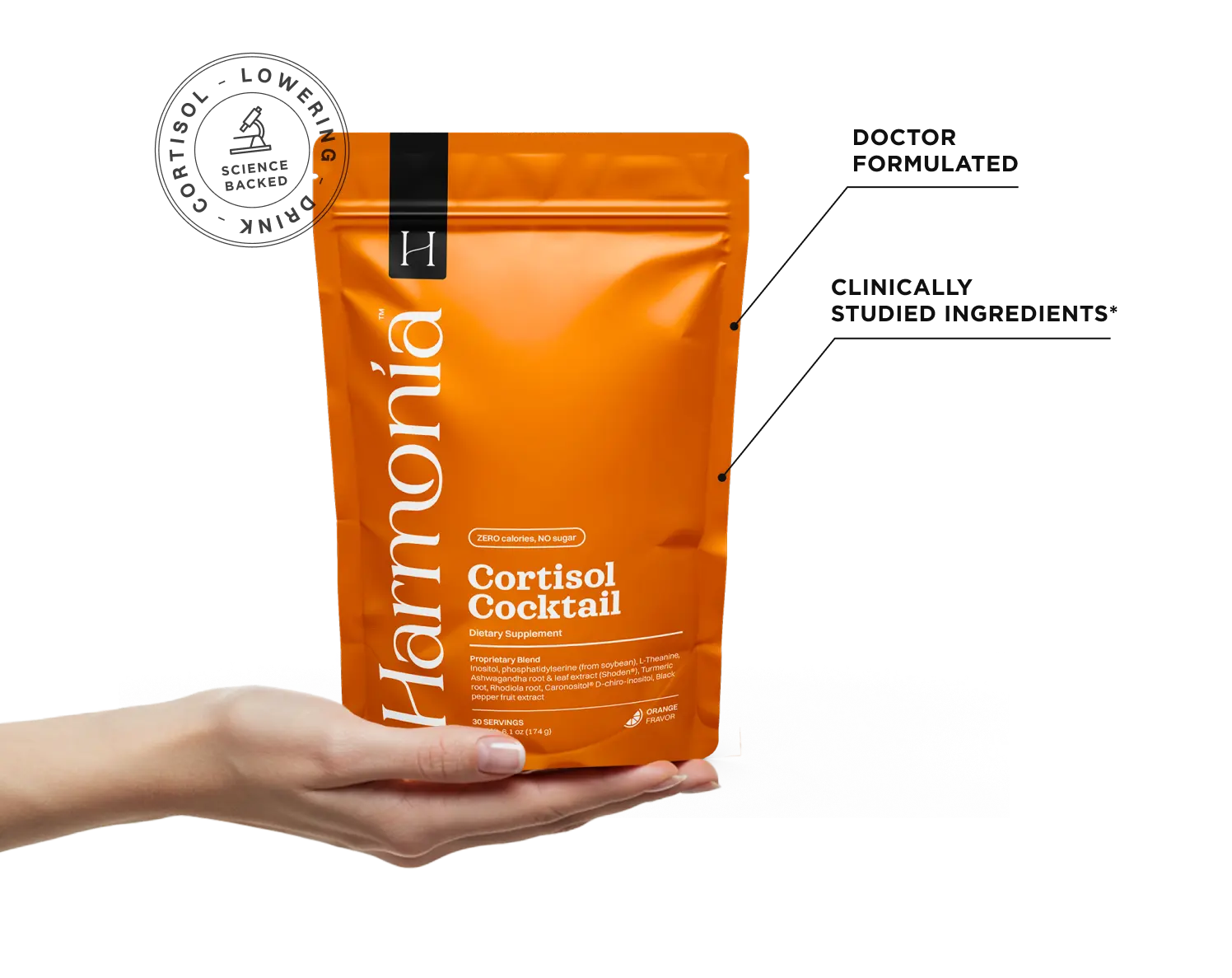
Menopause weight loss supplements work best when they target what's actually driving the problem: cortisol dysregulation, insulin resistance, disrupted sleep, and low-grade inflammation. Weight loss during menopause is one of the most commonly reported struggles among women in their 40s, 50s, and beyond.
Even when diet and exercise habits stay the same, many women suddenly notice weight - especially belly fat - becoming harder to lose and easier to gain. The biology here is specific, and understanding it is what makes the difference between supplements that address symptoms and ones that address causes.
Shifts in estrogen, progesterone, cortisol, and insulin sensitivity all contribute to metabolic changes that make midlife weight management uniquely difficult. Below, we explore the science behind these changes and highlight the most researched supplements that support midlife metabolic health.
How Menopause Affects Weight: The Hormonal Science Explained
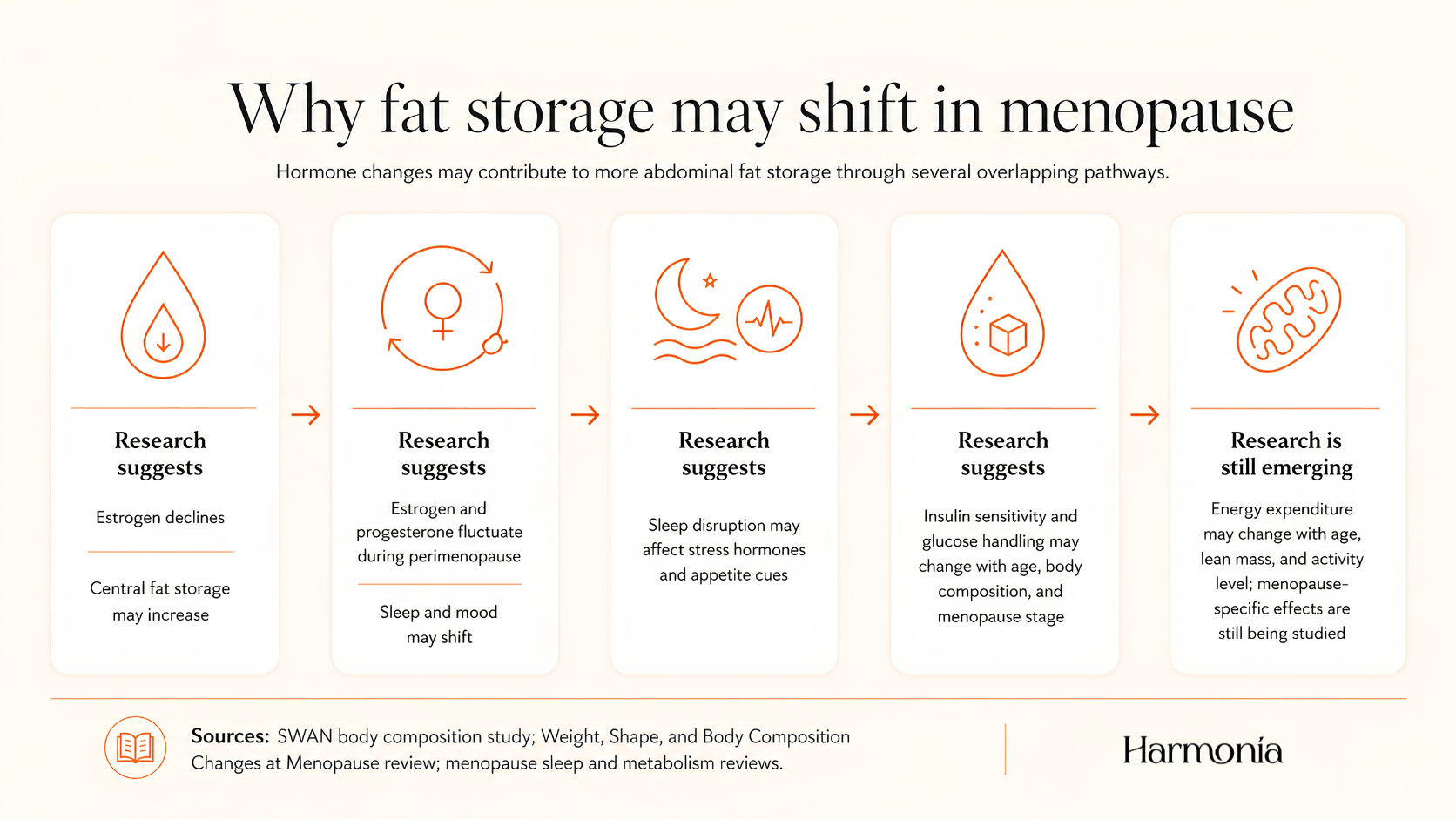
Weight gain during menopause is not random. It follows predictable physiological patterns driven by interconnected hormonal shifts:
Estrogen Decline
Estrogen influences fat distribution, insulin sensitivity, and metabolism. As levels fall, the body becomes more prone to:
- Central fat storage
- Higher blood sugar
- Increased inflammation
This is why belly fat often becomes the primary site of gain during perimenopause even when total calorie intake hasn't changed.
Progesterone Decrease
Lower progesterone affects mood, sleep quality, and fluid retention. Poor sleep and increased irritability contribute to emotional eating and fatigue-driven inactivity.
Cortisol Dysregulation
With age and hormonal disruption, cortisol becomes harder to regulate. Elevated cortisol increases visceral fat storage, raises appetite, disrupts sleep architecture, and drives cravings for sugar and refined carbohydrates, the same cortisol-driven weight retention pattern that makes stress and belly fat so hard to separate.
Insulin Resistance Increase
Midlife is a time when many women unknowingly begin struggling with insulin sensitivity. This makes weight loss difficult even when eating “normally.”
Thyroid Interaction
Thyroid hormones can become less efficient as estrogen declines. Subclinical shifts like cold hands, fatigue, and stubborn weight are common and often go undiagnosed for years. Addressing cortisol and insulin often improves thyroid hormone conversion indirectly, which is part of why comprehensive hormonal support tends to produce better results than targeting one system alone.
The Best Evidence-Backed Supplements for Menopause Weight Loss
Below are the most researched, effective supplements that support weight management during menopause.
1. Adaptogens for Cortisol Balance
Ashwagandha
In a randomized, double-blind, placebo-controlled trial in postmenopausal women, ashwagandha and shatavari extracts dose-dependently reduced menopause symptom scores, improved vascular function, and reduced bone resorption markers over 12 weeks.
During menopause, cortisol often becomes elevated, contributing to belly fat, cravings, and poor sleep. Ashwagandha helps stabilize cortisol rhythms, making the body more resilient to stress.
Rhodiola Rosea
Rhodiola acts on the HPA axis to reduce stress-induced fatigue without stimulant effects. Women experiencing burnout or brain fog often respond to it through the same HPA axis adaptation that makes it useful for cortisol-driven exhaustion specifically.
2. Inositols (myo-inositol and D-chiro inositol)
Inositols are second messengers in insulin receptor signaling. Myo-inositol and D-chiro inositol work together to improve insulin sensitivity, stabilize energy levels, and reduce appetite spikes driven by blood sugar swings. Women with PCOS, insulin resistance, or midlife metabolic slowdown often respond particularly well to inositol supplementation. Better insulin function typically supports easier fat loss and fewer cravings.
These benefits are why inositols are included in comprehensive formulas like Harmonia, which focus on supporting hormonal balance and metabolic health during menopause.

3. L-Theanine
L-theanine is a calming amino acid found naturally in green tea. It helps regulate neurotransmitters like GABA, dopamine, and serotonin, improving mood stability and reducing stress-driven eating.
L-theanine promotes relaxation without drowsiness, making it useful for moments of overwhelm or nighttime restlessness.
Many women notice reduced emotional cravings and better sleep, both of which directly support weight management habits.
4. Anti-Inflammatory & Metabolic Support Compounds
Turmeric (curcumin) and black pepper extract
Curcumin directly inhibits NF-kB and other pro-inflammatory pathways. As estrogen declines, systemic inflammation tends to rise, impairing insulin sensitivity and promotes visceral fat storage. Curcumin supports healthy insulin signaling and lipid metabolism. Black pepper extract (piperine) increases curcumin bioavailability by up to 20-fold.
This is also why stimulant-based supplements tend to backfire during menopause because the caffeine raises cortisol, which feeds the same inflammatory pathway curcumin is working to calm.
5. Vitamins & Minerals

Vitamin D
Vitamin D functions as a hormone, binding to nuclear receptors that regulate fat cell metabolism, insulin sensitivity, and mood. Deficiency is extremely common in women over 40 and is independently associated with increased visceral fat accumulation and lower energy.
Magnesium
Magnesium deficiency is common in perimenopausal women and worsens with chronic stress. Adequate levels support nervous system relaxation, sleep onset, blood sugar regulation, and muscle recovery. Poor sleep alone raises ghrelin and reduces leptin sensitivity. Magnesium's sleep benefit also has a direct appetite regulation effect.
B Vitamins (B6, B12, Folate)
These vitamins are essential for energy production, cognitive function, and hormone synthesis.
Stress quickly depletes B vitamins, and low levels contribute to fatigue, irritability, and slower metabolism.
Chromium
Chromium helps stabilize blood sugar and reduce cravings for sweets and refined carbohydrates.
It supports insulin sensitivity, making it especially helpful for midlife women experiencing increased abdominal fat.
Potassium
Potassium supports hydration, muscle function, and metabolic efficiency. It also helps counteract bloating and fluid retention that often worsen during menopause.
6. Phosphatidylserine
Phosphatidylserine modulates the cortisol response at the HPA axis level. Evening cortisol spikes are one of the most consistent drivers of late-night cravings, restlessness, and disrupted sleep in menopausal women.
By supporting a calmer nervous system, phosphatidylserine helps the body shift into a restful state, improving sleep quality and reducing emotional eating. Better sleep is strongly correlated with easier weight loss.
Types of menopause weight loss supplements
Do menopause weight loss supplements actually work?
Menopause weight loss supplements aren't magic solutions. Research in the Journal of Women's Health found that women over 40 achieve better outcomes when supplementation addresses cortisol balance, sleep quality, blood sugar stability, reduced inflammation, and appetite hormone regulation, rather than forcing calorie deficit alone.
These benefits help women stick to healthy routines more consistently, sustain stable energy, and reduce emotional eating. Supplements work best when combined with consistent sleep, balanced meals, and regular movement.
Matching Supplements to Your Menopause Symptoms

Safety and side effects
Most menopause weight loss supplements are well tolerated at standard doses. A few considerations worth knowing:
- Women with thyroid conditions should use iodine-containing supplements cautiously and discuss with their physician
- Those sensitive to stimulants should avoid caffeine-based thermogenic products
- Women on medications for blood sugar, thyroid function, or depression should consult their provider before starting new supplements
- Dose and quality matter: look for formulas that disclose exact ingredient amounts rather than proprietary blends
Harmonia’s Cortisol Cocktail: How It Supports Menopause Weight Loss Naturally
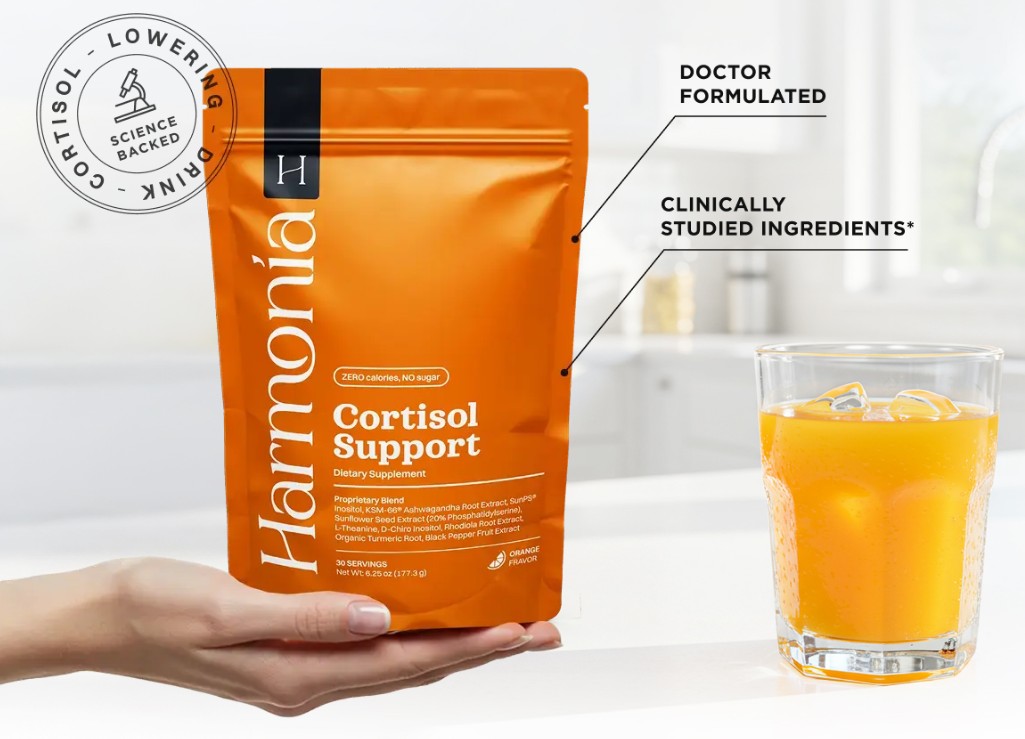
Harmonia's Cortisol Cocktail brings together ashwagandha, rhodiola, myo-inositol, D-chiro inositol, phosphatidylserine, magnesium, L-theanine, turmeric, and B vitamins in a single daily formula.
The formula is built around the mechanism: cortisol balance first, then insulin signaling, then sleep quality. This sequence matters because supporting the stress response makes the metabolic interventions more effective.
The formula targets the adrenal-cortisol axis through the same adrenal cocktail benefits that have the most consistent evidence for cortisol reduction in women.
Conclusion
Menopause weight gain follows a predictable hormonal pattern, and the supplements most likely to help are the ones that address that pattern directly. Cortisol regulation, insulin sensitivity, sleep quality, and inflammation are the four levers. The research is clearest for ashwagandha, inositols, magnesium, and curcumin.
If your symptoms have been pointing toward disrupted cortisol or hormonal imbalance, you can take the quiz to see whether the Harmonia Cortisol Cocktail fits where you are right now.
References
- Davis, S. R., Castelo-Branco, C., Chedraui, P., Lumsden, M. A., Nappi, R. E., Shah, D., ... & Writing Group of the International Menopause Society for World Menopause Day 2012. (2012). Understanding weight gain at menopause. Climacteric, 15(5), 419-429. Link.
- Geller, S. E., & Studee, L. (2005). Botanical and dietary supplements for menopausal symptoms: what works, what does not. Journal of women's health, 14(7), 634-649. Link.
- Pingali, U., Nutalapati, C., & Wang, Y. (2025). Ashwagandha and Shatavari Extracts Dose-Dependently Reduce Menopause Symptoms, Vascular Dysfunction, and Bone Resorption in Postmenopausal Women: A Randomized, Double-Blind, Placebo-Controlled Study. Journal of Menopausal Medicine, 31(1), 21. Link.