PCOS belly fat is one of the most frustrating and misunderstood symptoms of polycystic ovary syndrome.
Many women feel like they are doing everything “right” - eating less, exercising more, cutting carbs - yet the weight around their midsection refuses to budge. That experience is not a failure of willpower. It is usually a reflection of deeper hormonal and metabolic imbalances.
Understanding why this happens is the first step toward effective PCOS weight loss. Instead of focusing solely on calories, women with PCOS need a strategy that supports insulin sensitivity, stress resilience, sleep quality, and hormone balance simultaneously.
When those foundations improve, reducing abdominal fat becomes far more achievable.
Why PCOS Causes Belly Fat
PCOS belly fat does not appear randomly. It develops because multiple hormonal systems are out of sync. Addressing one without the others often produces slow or inconsistent results.
Let’s break down the primary drivers.
Insulin Resistance and Abdominal Fat Storage
Insulin resistance is one of the most common features of PCOS. When cells become less responsive to insulin, the pancreas produces more of it. Chronically elevated insulin signals the body to store fat, particularly in the abdominal region.
High insulin also increases hunger and carb cravings. Many women with PCOS notice intense cravings for refined carbohydrates or experience energy crashes after meals. That cycle of blood sugar spikes and crashes reinforces fat storage and makes PCOS weight loss feel nearly impossible.
Insulin resistance also influences ovarian hormone production. Elevated insulin can increase androgen levels, which further contributes to central fat accumulation. This is why improving insulin sensitivity is often the cornerstone of reducing PCOS belly fat.
Practical strategies to improve insulin response include:
- Eating protein with every meal
- Pairing carbohydrates with fiber and healthy fats
- Strength training to increase muscle glucose uptake
- Walking for 10–15 minutes after meals
- Supporting insulin function with nutrients like chromium and inositols
Myo-inositol and D-chiro inositol have been widely studied for their ability to improve insulin signaling in women with PCOS. By enhancing how cells respond to insulin, they help reduce fat storage signals and stabilize energy levels.
Elevated Cortisol and Chronic Stress

Cortisol is often overlooked in discussions about PCOS belly fat. Chronic stress - whether emotional, physical, or metabolic - raises cortisol levels. Elevated cortisol increases abdominal fat storage, particularly visceral fat surrounding internal organs.
When stress remains high for extended periods, the body shifts into a protective state. It conserves energy and stores fat more readily. Sleep often becomes fragmented, which further elevates cortisol and increases appetite the following day.
High cortisol is also linked to emotional eating. Stress can reduce impulse control and increase cravings for high-calorie comfort foods. Over time, this creates a pattern where stress drives both hormonal fat storage and increased calorie intake.
Managing stress is not optional in a PCOS weight loss plan. It is foundational. This includes:
- Consistent sleep timing
- Daily nervous system regulation practices
- Limiting excessive caffeine
- Supporting calming neurotransmitters
Adaptogenic herbs and calming nutrients can help support a healthier stress response. L-theanine, ashwagandha, rhodiola rosea, and phosphatidylserine may help support cortisol balance while promoting calm focus and improved sleep quality.
Estrogen and Progesterone Imbalance
PCOS is characterized by disrupted ovulation, which can alter the balance between estrogen and progesterone. When ovulation is irregular, progesterone levels may decline. This shift can influence mood, sleep, and metabolic regulation.
Estrogen dominance patterns may also contribute to fluid retention and fat distribution changes. Hormones do not operate independently. When reproductive hormones are out of balance, they influence insulin sensitivity, thyroid function, and stress physiology.
Supporting hormone balance requires more than a single supplement. It requires addressing:
- Nutrient sufficiency (B vitamins, magnesium, vitamin D)
- Blood sugar stability
- Stress reduction
- Inflammation control
When progesterone and estrogen begin to stabilize, many women notice improved energy, more regular cycles, and gradual changes in body composition.
Poor Sleep and Circadian Disruption
Sleep is one of the most powerful metabolic regulators in the body. Even if total sleep time appears adequate, poor quality sleep can worsen insulin resistance and increase hunger hormones like ghrelin.
Women with PCOS frequently report difficulty falling asleep, waking during the night, or feeling unrefreshed in the morning. Chronic stress contributes to this pattern. Elevated evening cortisol interferes with melatonin production, making deep sleep harder to achieve.
Sleep deprivation increases cravings, lowers willpower, and reduces insulin sensitivity the next day. It becomes a reinforcing cycle: poor sleep leads to higher cortisol and blood sugar instability, which then makes sleep even more fragmented.
Improving sleep quality often produces noticeable improvements in energy, mood, and appetite regulation within weeks. Supporting the nervous system and reducing nighttime stress signals can be a powerful lever in reducing PCOS belly fat.
Why Traditional Dieting Fails for PCOS Belly Fat
Many women with PCOS attempt aggressive calorie restriction in an effort to lose abdominal fat quickly. While short-term weight loss may occur, it often plateaus or reverses. This is because extreme dieting can increase stress hormones and slow metabolic function.
Excessive cardio can further elevate cortisol, especially when paired with insufficient calories. Over time, the body adapts by conserving energy and increasing hunger signals. This leads to frustration and sometimes binge-restrict cycles.
Stimulant-heavy fat burners may temporarily suppress appetite, but they often worsen anxiety, disrupt sleep, and raise cortisol. These effects counteract long-term PCOS weight loss efforts.
Instead of extreme restriction, a sustainable approach focuses on metabolic repair:
- Stabilize blood sugar
- Lower chronic stress
- Improve sleep consistency
- Build lean muscle
- Support hormone balance
When these foundations are in place, fat loss becomes a byproduct of improved metabolic health rather than forced deprivation.
The Most Effective PCOS Weight Loss Strategy

Sustainable PCOS weight loss requires a multi-layered approach. Targeting only one hormone rarely produces lasting change.
1. Stabilize Blood Sugar First
If you want to reduce PCOS belly fat, blood sugar stability has to be your starting point. When glucose levels spike and crash throughout the day, insulin stays elevated - and high insulin signals your body to store fat, especially around the abdomen.
The goal is not extreme carb restriction. The goal is steady energy and controlled insulin release.
Start by building meals around protein and fiber:
- Prioritize protein at every meal (20–30 grams when possible). Protein reduces hunger hormones, increases satiety, and helps prevent overeating later.
- Add fiber-rich carbohydrates like vegetables, berries, legumes, or whole foods. Fiber slows glucose absorption and prevents sharp blood sugar spikes.
- Pair carbs with healthy fats to further stabilize digestion and energy levels.
Frequent snacking - especially on refined carbohydrates - keeps insulin elevated all day. Instead, aim for structured meals spaced 3–4 hours apart. This gives insulin time to decline between eating windows and improves metabolic flexibility.
You can also reinforce blood sugar control nutritionally. Ingredients such as:
- Chromium: Supports insulin signaling
- Magnesium: Improves glucose metabolism
- Myo-inositol and D-chiro inositol: Enhance insulin sensitivity in women with PCOS
When blood sugar becomes more stable, cravings typically decrease within a few weeks. Energy improves. Afternoon crashes become less common. And most importantly, the hormonal signal to store abdominal fat begins to quiet down.
2. Lower Chronic Stress and Cortisol
Daily stress management is not optional for reducing PCOS belly fat. Even small practices done consistently can lower baseline stress levels.
Examples include:
- Morning sunlight exposure
- Breathwork or meditation
- Limiting late-night screen exposure
- Prioritizing 7–9 hours of sleep
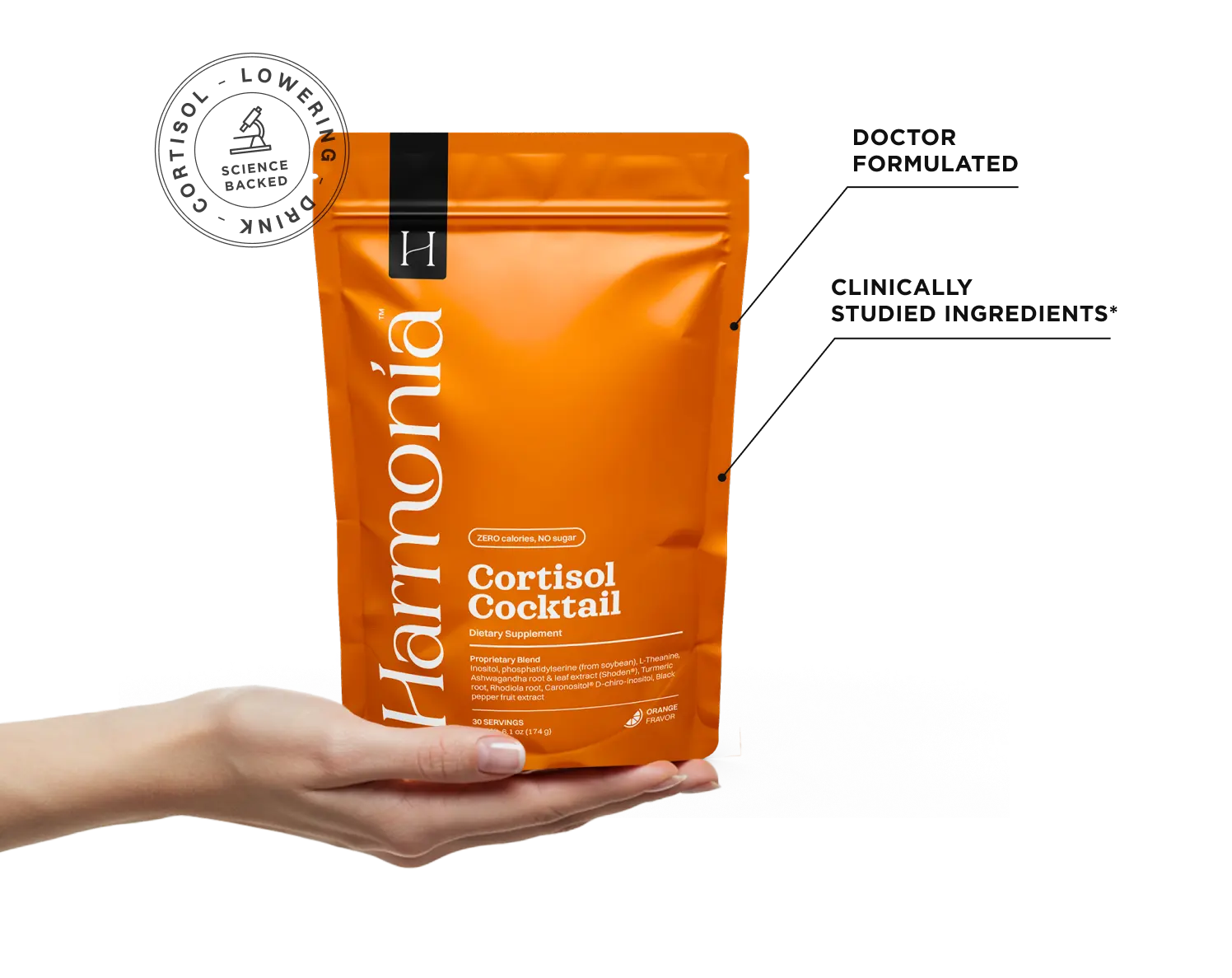
Nutritional support can also reinforce these efforts. Harmonia, for example, combines adaptogens, calming amino acids, and essential vitamins designed to support healthy cortisol rhythm, stress resilience, and sleep quality.
By addressing stress and insulin together, it complements lifestyle changes rather than replacing them.
3. Improve Insulin Sensitivity Through Movement
Exercise for PCOS is not about burning the most calories. It’s about improving how your body handles glucose. When insulin sensitivity improves, your body stores less fat and uses energy more efficiently.
One of the most effective strategies is resistance training. Building muscle changes your metabolism in a meaningful way. Muscle tissue acts as a storage site for glucose, pulling sugar out of the bloodstream and reducing the amount of insulin required.
Benefits of resistance training include:
- Increased muscle mass, which improves glucose uptake
- Better metabolic flexibility (your ability to switch between burning carbs and fat)
- Improved resting metabolic rate
- Greater long-term fat loss potential
You don’t need extreme workouts. Two to three sessions per week using bodyweight, resistance bands, or weights is enough to make measurable progress.
Another powerful but often overlooked tool is walking after meals. A simple 10–15 minute walk can:
- Lower post-meal glucose spikes
- Reduce insulin demand
- Improve digestion
- Support steady energy levels
This small habit, done consistently, can significantly improve blood sugar control over time.
The key principle is sustainability. Consistency matters more than intensity. Short bursts of extreme effort followed by burnout will not improve insulin sensitivity long term. Moderate, repeatable movement habits will.

4. Support Hormone Balance With Targeted Nutrition
Micronutrient deficiencies are common in women with PCOS. Supporting adequate intake of:
- Vitamin D
- Magnesium
- B vitamins
- Folate
- Vitamin B12
- Anti-inflammatory compounds like turmeric
can enhance overall hormonal communication.
Some of the best weight loss supplements for PCOS are those that address multiple pathways at once - insulin, cortisol, inflammation, and mood.
A comprehensive blend such as Harmonia includes inositols for insulin function, adaptogens for stress resilience, L-theanine for calming neurotransmitters, turmeric for metabolic support, and essential vitamins and minerals to reinforce hormonal balance.
This type of multi-pathway support aligns with how PCOS actually functions in the body.
Common Mistakes That Make PCOS Belly Fat Worse
Many women with PCOS work incredibly hard to lose weight, yet unknowingly follow strategies that make abdominal fat more stubborn.
The issue is not effort - it’s direction. PCOS belly fat is hormonally driven, and certain common habits can unintentionally worsen insulin resistance, elevate cortisol, and slow metabolic progress.
Here are the most common mistakes that can make PCOS belly fat harder to reduce:
- Severely restricting calories: Extreme dieting may produce short-term weight loss, but it often increases cortisol and slows metabolic rate. The body interprets aggressive restriction as stress, which can reinforce fat storage - particularly in the abdominal area.
- Skipping meals regularly: Long gaps without balanced nutrition can destabilize blood sugar in some women with PCOS, leading to cravings, overeating later, and increased insulin fluctuations.
- Ignoring chronic stress: Persistent anxiety, poor sleep, emotional overwhelm, and high mental load keep cortisol elevated. Chronic cortisol exposure signals the body to store fat centrally and can disrupt reproductive hormone balance.
- Relying on excessive caffeine: Using coffee or stimulants to push through fatigue may worsen adrenal stress and sleep disruption, making insulin resistance more difficult to manage.
- Doing only cardio without strength training: Cardio burns calories, but muscle builds metabolic resilience. Without resistance training, insulin sensitivity improvements may be limited. Muscle tissue is essential for better glucose control.
- Overtraining without adequate recovery: High-intensity workouts every day can increase inflammation and cortisol if recovery, sleep, and nutrition are insufficient.
- Neglecting micronutrient intake: Deficiencies in magnesium, vitamin D, B vitamins, and chromium can impair insulin signaling and hormonal balance. Exercise alone cannot correct nutrient gaps.
- Focusing only on exercise while ignoring sleep: Poor sleep worsens insulin resistance, increases hunger hormones, and elevates cortisol. Without improving sleep quality, fat loss becomes significantly harder.
PCOS is a whole-body condition. Addressing only calories or workouts while ignoring stress, sleep, insulin, and nutrient status leaves the underlying drivers untouched. Sustainable progress comes from supporting the entire hormonal system, not just increasing effort.
Final Thoughts

PCOS belly fat is not a reflection of laziness or lack of discipline. It is a hormonal signal that insulin, cortisol, sleep, and reproductive hormones are out of balance. Addressing those systems directly creates the conditions for sustainable fat loss.
PCOS weight loss becomes more achievable when you stabilize blood sugar, reduce chronic stress, improve sleep, build muscle, and support micronutrient sufficiency. Instead of fighting your body, the goal is to work with it.
If stress, cravings, poor sleep, and stubborn abdominal fat feel interconnected, supporting cortisol and insulin together may help restore balance. Harmonia was designed as a multi-pathway cortisol-support blend to complement nutrition and movement habits while promoting calmer energy, improved sleep quality, and hormonal support.
References
- Xu, Y., & Qiao, J. (2022). Association of insulin resistance and elevated androgen levels with polycystic ovarian syndrome (PCOS): a review of literature. Journal of healthcare engineering, 2022(1), 9240569. Link.