Does HIIT increase cortisol? Yes - but that’s not necessarily a bad thing.
A systematic review and meta-analysis found that cortisol significantly increases immediately after HIIT, remains elevated for up to 60 minutes, then drops below baseline within 2 to 3 hours and normalizes by 24 hours.
HIIT is intense by design, and this temporary spike helps your body mobilize energy and adapt to the stress of training. In a well-structured routine, cortisol rises and falls as it should.
The issue isn’t the increase - it’s when intensity, frequency, and overall life stress exceed your ability to recover.
Understanding that balance is what allows you to get results from HIIT without the fatigue, sleep disruption, or stalled progress linked to chronically elevated cortisol.
What Is HIIT?
High-intensity interval training alternates short bursts of maximum effort with periods of lower-intensity recovery or rest. A typical HIIT workout might include 30 seconds of sprinting followed by 90 seconds of walking, repeated for 15 to 30 minutes total.
This training style produces remarkable efficiency. You achieve significant cardiovascular and metabolic benefits in less time compared to traditional steady-state cardio. HIIT improves insulin sensitivity, increases fat burning, builds cardiovascular capacity, and preserves muscle mass better than moderate-intensity continuous training.
Popular HIIT formats include sprint intervals, cycling sprints, burpees, jump squats, battle ropes, and circuit training combining multiple exercises. The defining characteristic involves pushing yourself to near-maximum effort during work intervals.
Does HIIT Increase Cortisol?

Research consistently demonstrates that HIIT cortisol levels spike during and immediately after training sessions. This represents normal, expected physiology rather than pathology.
Exercise intensity directly correlates with cortisol response. Research shows cortisol release is proportional to exercise intensity, with high-intensity workouts triggering a stronger HPA-axis stress response.
Does HIIT raise cortisol more than moderate exercise? Absolutely. The greater metabolic demand and physical stress signal your adrenal glands to release cortisol, helping mobilize energy and manage the acute challenge.
This acute cortisol elevation serves important functions during HIIT:
- Mobilizes glucose and fatty acids for fuel
- Reduces inflammation from tissue stress
- Maintains blood pressure during intense effort
- Supports recovery processes after training
- Enhances memory consolidation of the training stimulus
The temporary spike represents adaptive stress helping your body handle training demands. Problems arise when this acute response becomes chronic through excessive training volume, inadequate recovery, or combination with other life stressors.
Short-Term vs. Long-Term Cortisol Effects
Understanding the timeline of cortisol and exercise clarifies when HIIT helps versus harms hormonal balance.
Immediate Response (During and After HIIT)
Cortisol rises sharply during HIIT sessions, peaking immediately post-workout. Levels remain elevated for approximately 60 minutes before declining. By 2 to 3 hours post-exercise, cortisol drops below baseline. Normal rhythm restores within 24 hours in well-recovered individuals.
This pattern reflects healthy acute stress response. Your body recognizes physical challenge, mobilizes resources to meet demand, then returns to baseline once the stressor resolves.
Chronic Training Effects
The long-term relationship between HIIT workouts and cortisol becomes more nuanced. Studies suggest that although HIIT increases cortisol during exercise, it can reduce cortisol response to future stressors, indicating improved stress resilience and adaptation.
Regular HIIT training may teach your body to handle stress more efficiently. The repeated exposure to controlled physical stress builds resilience, potentially dampening cortisol responses to daily life stressors.
The key difference lies in recovery adequacy. Sufficient rest between sessions allows cortisol to normalize completely. Insufficient recovery creates chronically elevated baseline cortisol that accumulates over time.
When HIIT Becomes Problematic for Cortisol
Is HIIT bad for cortisol? Not inherently, but certain circumstances transform beneficial stress into harmful chronic elevation.
Excessive Training Volume
Too many HIIT sessions weekly prevents full cortisol recovery between workouts. Baseline levels gradually rise as your HPA axis remains persistently activated.
Most people tolerate 2 to 3 HIIT sessions weekly with adequate recovery. More frequent training often pushes cortisol chronically higher, especially in already stressed individuals.
Inadequate Recovery Time
Recovery encompasses more than just rest days. Sleep quality, nutrition adequacy, and overall life stress all impact how fully you recover from training.
Insufficient sleep prevents cortisol normalization. Poor nutrition deprives your body of resources needed for repair. High life stress combined with training stress overwhelms adaptive capacity.
Training While Already Stressed
HIIT adds physical stress to whatever psychological and emotional stress you already carry. Your body cannot distinguish between work stress, relationship difficulties, and sprint intervals.
If your baseline cortisol already runs high from chronic life stress, adding intense exercise may exceed your adaptive capacity. Understanding how high-intensity workouts and overtraining can increase cortisol levels helps recognize when training becomes counterproductive.
Combining HIIT with Severe Calorie Restriction
Cutting calories aggressively while doing HIIT creates compounding stress. Your body interprets calorie deficit as potential starvation, elevating cortisol to preserve energy stores.
Adding intense training on top of this metabolic stress pushes cortisol even higher. This combination often backfires, making fat loss more difficult despite increased effort.
Ignoring Warning Signs
Your body provides feedback when cortisol dysregulation develops. Persistent fatigue, sleep disturbances, increased injuries, mood changes, and training plateaus all signal excessive stress.
Pushing through these warnings rather than adjusting training worsens hormonal disruption. Listening to your body prevents minor imbalances from becoming serious problems.
How to Do HIIT Without Chronically Elevating Cortisol

Strategic implementation allows you to enjoy HIIT benefits while managing do HIIT workouts increase cortisol concerns.
Limit HIIT Frequency
Restrict true HIIT sessions to 2 to 3 times weekly maximum. This provides sufficient stimulus for adaptation while allowing complete cortisol recovery between sessions.
On other days, choose moderate-intensity steady-state cardio, strength training, or active recovery like walking or yoga. Varying training intensity prevents chronic HPA axis activation.
Prioritize Recovery
Recovery deserves equal attention to training. Sleep 7 to 9 hours nightly in a dark, cool room. Eat adequate calories to fuel training and recovery. Manage life stress through meditation, social connection, and boundaries.
Consider recovery indicators like resting heart rate, heart rate variability, sleep quality, and mood. Declining metrics suggest you need additional rest before your next HIIT session.
Time HIIT Appropriately
Morning HIIT aligns with natural cortisol peaks, potentially minimizing rhythm disruption. Your cortisol naturally rises upon waking, so adding training stress feels more physiologically appropriate.
Late evening HIIT may interfere with the natural cortisol decline needed for quality sleep. Finish intense training at least 3 to 4 hours before bedtime when possible.
Support Cortisol Regulation
Implement strategies that help manage training-induced cortisol elevation. Proper post-workout nutrition replaces depleted glycogen and supports recovery.
Consume protein and carbohydrates within 30 to 60 minutes after HIIT. This combination helps lower cortisol while supporting muscle repair and glycogen restoration.
Explore natural ways to lower cortisol and support recovery after workouts through hydration, herbal support, and stress management practices.
Cycle Training Intensity
Periodization alternates higher and lower training intensity across weeks or months. This prevents chronic stress accumulation while still providing progressive overload.
Plan 2 to 3 weeks of higher-intensity training followed by 1 week of reduced volume and intensity. This allows full recovery and hormonal normalization periodically.
Monitor Individual Response
Track how you feel and perform rather than following generic programs. Some people tolerate more HIIT than others based on genetics, stress levels, sleep quality, and overall health.
Warning signs that HIIT volume exceeds your recovery capacity include:
- Persistent fatigue despite adequate sleep
- Declining performance in workouts
- Increased resting heart rate
- Sleep disturbances or insomnia
- Mood changes, irritability, or anxiety
- More frequent injuries or illness
- Loss of menstrual periods in women
- Stubborn weight gain despite training
Adjust training volume downward when these symptoms appear rather than pushing through them.
Alternatives to Excessive HIIT
If cortisol dysregulation develops despite strategic HIIT implementation, alternative training approaches support fitness without excessive hormonal stress.
Moderate-Intensity Steady-State Cardio
Does cardio increase cortisol as dramatically as HIIT? No, moderate-intensity continuous training produces smaller cortisol elevations that resolve more quickly.
Activities like brisk walking, easy cycling, or light jogging provide cardiovascular benefits without triggering intense stress responses. This works particularly well when recovering from overtraining or managing high life stress.
Strength Training
Resistance training offers remarkable metabolic and body composition benefits without the cortisol spike of HIIT. While heavy lifting does raise cortisol acutely, the elevation typically remains lower than with intense cardio intervals.
Focus on compound movements like squats, deadlifts, and presses. These build strength and muscle while supporting metabolic health.
Low-Intensity Movement
Walking, gentle yoga, swimming, or tai chi provide movement benefits without significant cortisol elevation. These activities can be performed daily without overwhelming recovery capacity.
Low-intensity movement supports circulation, manages stress, and maintains activity patterns while allowing hormonal systems to recover.
Comprehensive Hormonal Support
.webp)
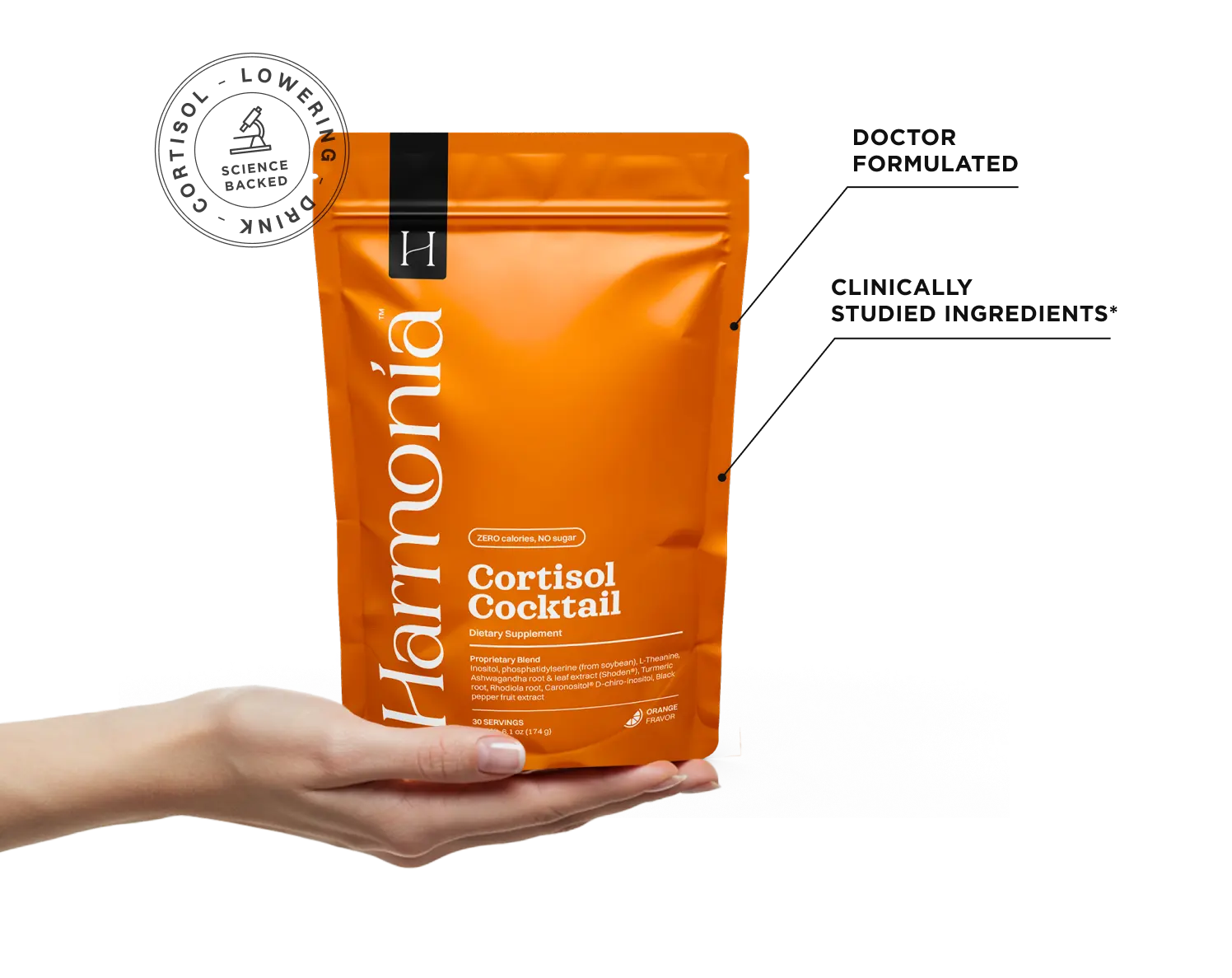
Harmonia is formulated to support healthy cortisol regulation, making it particularly valuable for active people managing training stress alongside life demands.
The blend includes ashwagandha, clinically shown to reduce cortisol by up to 27–30% in stressed adults. This adaptogen helps your body manage physical training stress more effectively.
Rhodiola rosea builds stress resilience and prevents burnout from multiple stressors. L-theanine promotes calm focus without drowsiness. Magnesium supports nervous system function, muscle recovery, and sleep quality.
Myo-inositol and D-chiro inositol improve insulin sensitivity, helping your body utilize nutrients effectively for training recovery. These compounds support metabolic health often challenged by intense exercise.
By targeting stress-related pathways and providing comprehensive nutritional support, Harmonia helps active people manage cortisol effectively. When stress hormones stay balanced despite training demands, you're more likely to experience benefits without burnout.
Why Harmonia Works for Active People
- Supports healthy cortisol regulation during intense training
- Helps reduce physical and mental stress from workouts
- Improves recovery and muscle repair
- Promotes calm focus without drowsiness
- Supports metabolic health and insulin sensitivity
- Enhances sleep quality and nervous system function
- Builds resilience against training-related burnout
Supporting healthy cortisol regulation while training requires consistency. A daily routine combining targeted supplementation with strategic training, quality sleep, and stress management produces the best results.
For Best Results, Combine Harmonia With:
- Structured training and rest days
- 7–9 hours of quality sleep
- Balanced nutrition with adequate protein
- Stress management techniques
- Proper hydration and recovery habits
Ready to support your body during training? Take the Harmonia quiz to discover if this formula fits your needs.
Conclusion
Does HIIT increase cortisol? Yes, acutely during and immediately after training. This temporary elevation represents normal adaptive stress helping your body meet physical demands.
The critical question isn't whether do high intensity workouts increase cortisol but whether this elevation becomes problematic. Properly implemented HIIT with adequate recovery may improve stress resilience over time. Excessive volume without sufficient rest creates chronic cortisol elevation that undermines health.
Strategic HIIT implementation balancing training stimulus with recovery capacity provides remarkable benefits. Listen to your body's feedback. Adjust volume and intensity based on performance, sleep, mood, and energy rather than arbitrary programs.
Your training should enhance life quality, not diminish it through hormonal disruption. Finding your optimal balance allows you to enjoy HIIT benefits while maintaining healthy cortisol regulation.
FAQs About HIIT and Cortisol
Does HIIT increase cortisol levels?
Yes, does HIIT increase cortisol is well-established. Research shows cortisol significantly increases during HIIT, remains elevated for up to 60 minutes, then drops below baseline within 2 to 3 hours. This acute elevation represents normal stress response. Problems arise when excessive training volume without adequate recovery creates chronic elevation.
Is HIIT bad for cortisol?
Is HIIT bad for cortisol depends on implementation. Strategic HIIT (2 to 3 sessions weekly with adequate recovery) may improve stress resilience over time. Excessive volume, inadequate rest, or combining HIIT with severe calorie restriction and high life stress creates problematic chronic cortisol elevation.
Does HIIT raise cortisol more than other exercise?
Yes, does HIIT raise cortisol more than moderate-intensity exercise. Cortisol release correlates directly with exercise intensity. HIIT triggers stronger HPA-axis stress responses than steady-state cardio. However, the acute spike during training differs from chronic elevation causing health problems.
How can I do HIIT without increasing cortisol long-term?
Manage HIIT workouts and cortisol by limiting frequency to 2 to 3 sessions weekly, prioritizing sleep and recovery, timing workouts appropriately (morning preferred), supporting post-workout nutrition, cycling training intensity periodically, and monitoring individual response. Adjust volume downward if warning signs appear.
Does cardio increase cortisol like HIIT?
Does cardio increase cortisol? Yes, but typically less than HIIT. Moderate-intensity steady-state cardio produces smaller cortisol elevations that resolve more quickly. Does cardio raise cortisol depends on intensity, duration, and individual recovery capacity. Lower-intensity options provide cardiovascular benefits without excessive hormonal stress.
Can HIIT help reduce stress over time?
Research suggests HIIT and cortisol may have long-term benefits. Although HIIT increases cortisol during exercise, it can reduce cortisol response to future stressors, indicating improved stress resilience. However, results vary based on training volume, recovery adequacy, fitness level, and baseline stress. Excessive HIIT worsens rather than improves stress management.