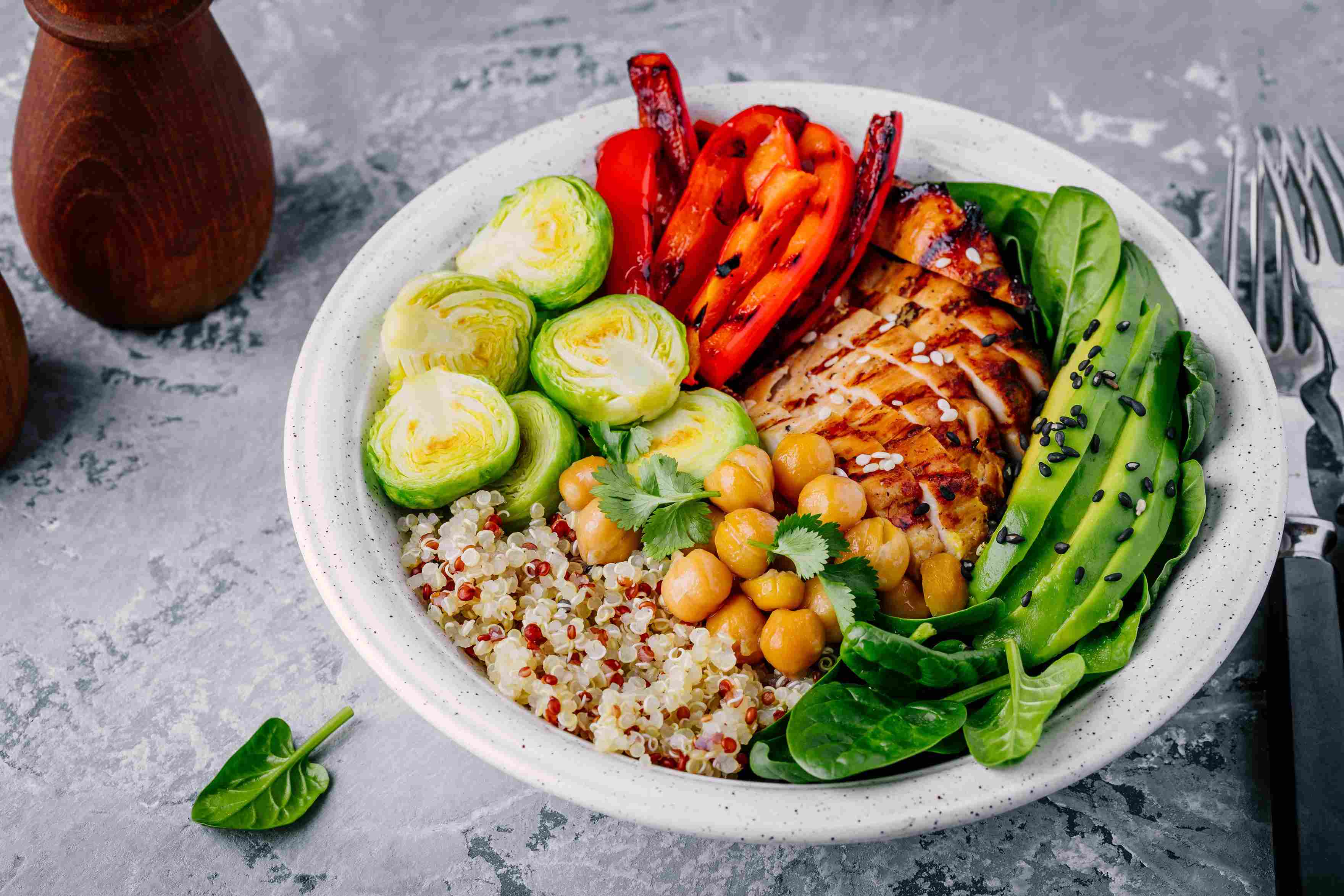

Eating for PCOS is not about restriction. It is about understanding what your body actually needs and building meals that work with your hormones rather than against them.
The challenge with most general diet advice is that it was not designed for the PCOS metabolic environment: insulin resistance, elevated androgens, disrupted hunger signals, and a body that stores fat more readily in response to blood sugar spikes.
These 10 PCOS recipes for weight loss are built differently. Each one is designed to stabilize blood sugar, support insulin sensitivity, deliver adequate protein for muscle maintenance, and reduce the inflammatory load that worsens PCOS symptoms.
What Makes a Recipe PCOS-Friendly for Weight Loss?
Before diving into the recipes, it helps to understand the principles behind a PCOS diet for weight loss. Every recipe below follows the same core framework.
Protein at Every Meal
Protein slows glucose absorption, supports satiety, and preserves lean muscle mass. Women with PCOS benefit from 25 to 35 grams of protein per meal to counter the appetite dysregulation that high insulin and androgen levels create.
Fiber-Rich, Low-Glycemic Carbohydrates
High-glycemic carbohydrates spike insulin rapidly. Replacing refined carbs with fiber-rich alternatives reduces insulin demand, stabilizes energy, and supports fat metabolism over time.
Anti-Inflammatory Fats
Chronic low-grade inflammation is a hallmark of PCOS and worsens both insulin resistance and androgen production.
A study on protein and metabolic health in women found that adequate protein alongside anti-inflammatory dietary patterns supports better body composition and hormonal outcomes.
What you eat directly affects how your hormones behave.
Minimal Refined Sugar and Processed Carbohydrates
Sugar and refined carbohydrates cause the fastest and steepest insulin spikes in a PCOS body. Whole food carbohydrate sources that release glucose gradually keep both insulin and cortisol lower throughout the day.
Supporting PCOS Weight Loss Beyond the Plate
Even with a well-structured PCOS diet, many women find that results plateau. Dietary changes alone often do not address cortisol, which is one of the key hormonal drivers keeping weight stuck.
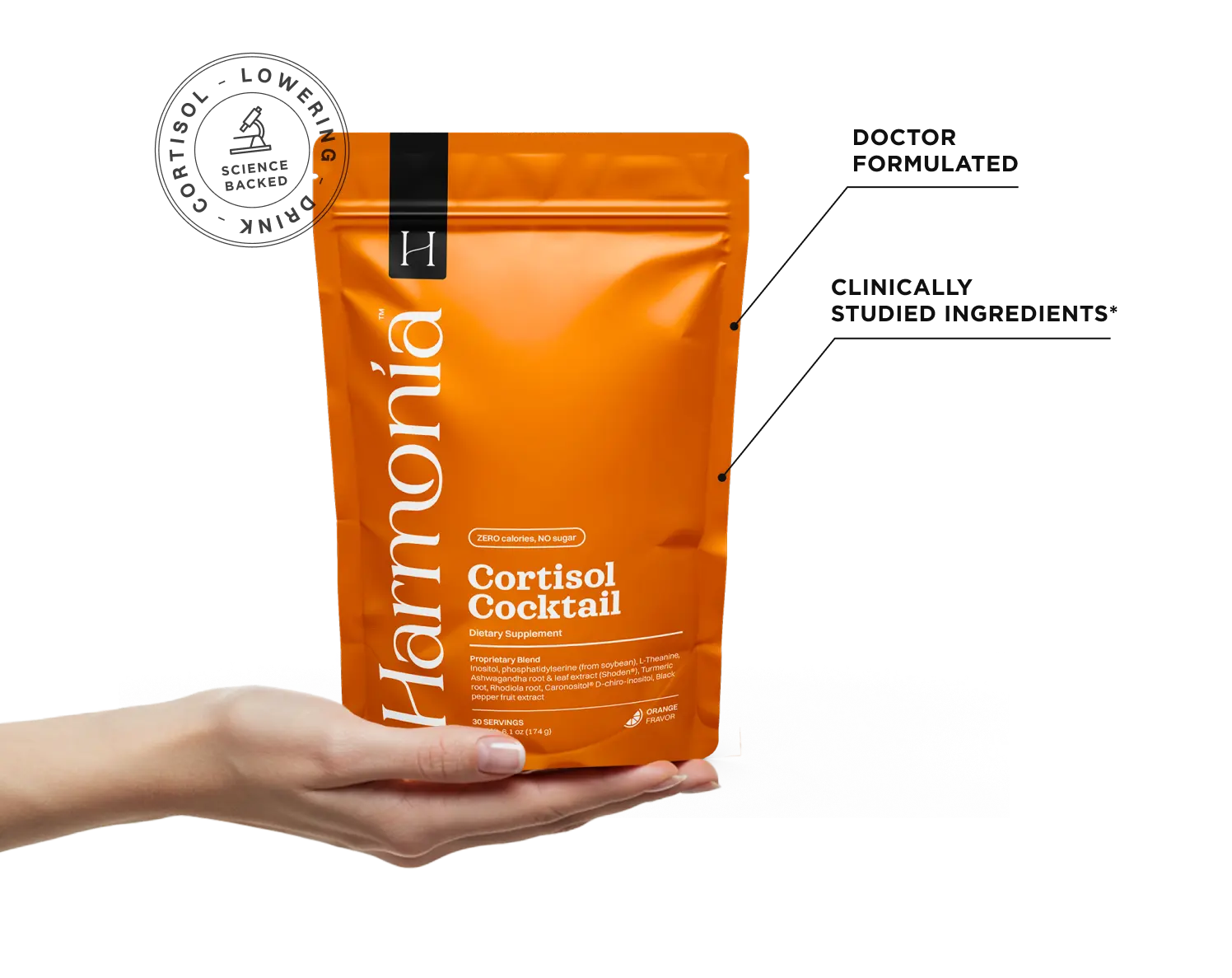
The Harmonia Cortisol Cocktail is a daily cortisol support drink that combines Myo-Inositol and D-Chiro Inositol at the clinically studied 40:1 ratio with Ashwagandha and Rhodiola Rosea to address both insulin resistance and cortisol-driven hormonal disruption.
For a deeper look at how PCOS weight resistance works at a hormonal level, the guide on how to lose weight with PCOS covers the mechanisms that diet alone often cannot fully resolve.

10 Easy PCOS Recipes for Weight Loss
1. Salmon and Avocado Power Bowl
Why it works: Salmon delivers omega-3 fatty acids that reduce PCOS-related inflammation and support healthier testosterone levels. Paired with avocado and served over cauliflower rice, this bowl provides sustained satiety without an insulin spike.
Serves: 1 | Prep: 10 min | Cook: 12 min
Ingredients
- 150g salmon fillet
- Half an avocado, sliced
- 2 cups cauliflower rice
- 1 cup mixed leafy greens
- Half a cucumber, sliced
- 1 tablespoon olive oil, 1 tablespoon lemon juice, salt, pepper, dill
Instructions
- Season salmon with salt, pepper, and dill. Pan-fry in olive oil over medium-high heat for 4 to 5 minutes per side.
- Saute cauliflower rice in a dry pan for 3 to 4 minutes until lightly golden.
- Arrange greens, cauliflower rice, cucumber, and avocado in a bowl. Flake salmon over the top and drizzle with lemon juice.
2. Greek Yogurt and Berry Breakfast Parfait
Why it works: Full-fat Greek yogurt delivers 20 to 25 grams of protein per serving, which helps prevent the blood sugar crash that comes from skipping breakfast.
Berries are among the lowest-glycemic fruits, and flaxseed adds plant compounds that gently support estrogen balance.
Serves: 1 | Prep: 5 min | Cook: None
Ingredients
- 180g full-fat plain Greek yogurt
- Half cup mixed berries (blueberries, strawberries, raspberries)
- 1 tablespoon ground flaxseed, 1 tablespoon chia seeds
- Small handful of walnuts (about 15g)
- Light drizzle of raw honey (optional)
Instructions
- Spoon Greek yogurt into a bowl or jar.
- Top with berries, flaxseed, chia seeds, and walnuts. Add a light drizzle of honey if desired.
- Eat immediately or refrigerate overnight as a grab-and-go option.
3. Turmeric Chicken and Lentil Soup
Why it works: Lentils are high in both protein and fiber, producing a slow and sustained glucose release that is ideal for PCOS.
Turmeric contains curcumin, a compound that has been shown to reduce the kind of low-grade inflammation that worsens PCOS symptoms over time.
Serves: 3 to 4 | Prep: 10 min | Cook: 30 min
Ingredients
- 300g chicken breast, diced
- 1 cup red lentils, rinsed
- 1 onion diced, 3 garlic cloves minced
- 1 can diced tomatoes (400g), 1 litre low-sodium chicken stock
- 1 tsp turmeric, 1 tsp cumin, half tsp smoked paprika
- 1 tablespoon olive oil, salt, pepper, fresh coriander to serve
Instructions
- Saute onion in olive oil for 3 to 4 minutes, add garlic and cook for 1 more minute. Add spices and stir for 30 seconds.
- Add chicken, lentils, tomatoes, and stock. Bring to a boil, then simmer for 25 minutes until lentils are soft.
- Season to taste and serve topped with fresh coriander.
4. Egg and Spinach Frittata with Feta
Why it works: Eggs are a complete protein source that stabilize blood sugar and support satiety for hours. Spinach provides magnesium, a mineral that is commonly low in women with PCOS and plays a direct role in how well the body responds to insulin.
Serves: 2 to 3 | Prep: 5 min | Cook: 18 min
Ingredients
- 6 large eggs
- 2 large handfuls fresh spinach
- 60g feta cheese, crumbled
- Half red onion thinly sliced, 1 tablespoon olive oil
- Salt, pepper, dried oregano
Instructions
- Preheat the oven to 190C. Saute onion in olive oil for 3 minutes, add spinach and cook until wilted.
- Whisk eggs with salt, pepper, and oregano. Pour over vegetables and scatter feta on top.
- Cook on stovetop 2 minutes until edges set, then bake 10 to 12 minutes until centre is firm.
5. Chickpea and Roasted Vegetable Salad with Tahini Dressing
Why it works: Chickpeas combine protein and fiber in a single ingredient, producing one of the lowest glycemic responses of any legume.
Tahini provides healthy fat and calcium alongside plant compounds that support the body's natural estrogen metabolism.
Serves: 2 | Prep: 10 min | Cook: 25 min
Ingredients
- 1 can chickpeas (400g), drained and rinsed
- 1 zucchini, 1 red capsicum, 1 small red onion, diced
- 2 tablespoons olive oil, 1 tsp cumin, salt and pepper
- Rocket or mixed greens to serve
- Tahini dressing: 2 tbsp tahini, 1 tbsp lemon juice, 1 garlic clove, 2 to 3 tbsp water, salt
Instructions
- Preheat the oven to 200C. Toss chickpeas and vegetables with olive oil, cumin, salt, and pepper. Roast 22 to 25 minutes until golden.
- Whisk together all dressing ingredients until smooth, adding water to reach a pourable consistency.
- Arrange greens in a bowl, top with roasted chickpea mix, and drizzle with tahini dressing.

Why These Recipes Work Better with Hormonal Support
The recipes above reduce insulin spikes, lower inflammation, and provide the nutrients most depleted in women with PCOS. But food alone addresses only part of the equation.
When cortisol is elevated alongside insulin resistance, the hormonal environment continues to promote fat storage even when dietary choices are well-calibrated. Harmonia is a daily drink that supports this by combining inositols for insulin sensitivity with adaptogens that help regulate the cortisol response.
For more context on how stress and hormones interact in PCOS, understanding the full range of hormonal imbalance symptoms in females provides a useful lens for understanding how these systems connect.
6. Turkey and Black Bean Stuffed Capsicums
Why it works: Ground turkey is a lean, high-protein meat that supports muscle maintenance and satiety. Black beans provide resistant starch, which feeds beneficial gut bacteria and produces a slow, steady glucose release rather than a spike.
Serves: 2 | Prep: 10 min | Cook: 30 min
Ingredients
- 2 large capsicums, halved and deseeded
- 250g lean ground turkey
- Half can black beans (200g), drained
- Half cup diced tomatoes
- 1 tsp cumin, half tsp smoked paprika, half tsp garlic powder, salt and pepper
- Fresh coriander and lime to serve
Instructions
- Preheat the oven to 190C. Brown turkey in a pan over medium heat. Add spices and tomatoes and cook for 3 to 4 minutes, then stir in black beans.
- Place capsicum halves on a baking tray and fill each with the turkey mixture.
- Bake 20 to 25 minutes until capsicums are tender. Serve topped with coriander and lime.
7. Overnight Oats with Cinnamon, Chia, and Almond Butter
Why it works: Oats contain beta-glucan, a soluble fiber that slows how quickly food leaves the stomach and reduces blood sugar peaks after eating. Cinnamon has been shown in multiple clinical trials to meaningfully improve how well the body responds to insulin, which is particularly relevant for women with PCOS.
Serves: 1 | Prep: 5 min plus overnight
Ingredients
- Half cup rolled oats
- Three-quarter cup unsweetened almond milk
- 1 tbsp chia seeds, 1 tbsp almond butter, half tsp cinnamon
- Half cup berries to top
Instructions
- Combine oats, almond milk, chia seeds, and cinnamon in a jar. Stir well, cover, and refrigerate overnight.
- In the morning, stir and top with almond butter and berries.
8. Baked Cod with Roasted Broccoli and Quinoa
Why it works: Cod is a good source of selenium, a mineral that supports thyroid function and is often low in women with PCOS.
Broccoli contains compounds that help the liver process and clear excess estrogens, and quinoa is a complete protein grain with a lower blood sugar impact than rice or pasta.
Serves: 2 | Prep: 10 min | Cook: 25 min
Ingredients
- 2 cod fillets (about 150g each)
- 2 cups broccoli florets
- Half cup dry quinoa, cooked per packet instructions
- 2 tablespoons olive oil, 2 garlic cloves minced, zest and juice of 1 lemon
- Salt, pepper, dried thyme
Instructions
- Preheat the oven to 200C. Toss broccoli with 1 tablespoon olive oil, salt, and pepper. Roast 20 to 22 minutes.
- Mix remaining olive oil with garlic, lemon zest, and thyme. Spoon over cod fillets on a lined tray and bake for 12 to 15 minutes.
- Serve cod and broccoli over cooked quinoa with lemon juice squeezed over everything.
9. Tofu and Edamame Stir-Fry with Brown Rice
Why it works: Firm tofu provides complete plant-based protein alongside plant compounds that may help moderate androgen activity.
Ginger in the sauce supports digestion and has anti-inflammatory properties, while brown rice provides complex carbohydrates that release energy gradually.
Serves: 2 | Prep: 10 min | Cook: 15 min
Ingredients
- 300g firm tofu, pressed and cubed
- 1 cup shelled edamame, 1 medium carrot julienned, 1 cup sugar snap peas
- 2 tbsp tamari, 1 tbsp sesame oil, 1 tsp grated ginger, 2 garlic cloves minced
- 1 cup cooked brown rice, sesame seeds and spring onion to garnish
Instructions
- Heat sesame oil in a wok over medium-high heat. Cook tofu for 4 to 5 minutes until golden. Add garlic and ginger and stir for 30 seconds.
- Add carrot, snap peas, and edamame and stir-fry 3 to 4 minutes until tender-crisp. Pour tamari over and toss to coat.
- Serve over brown rice and garnish with sesame seeds and spring onion.
10. Cinnamon Almond Smoothie with Protein
Why it works: This smoothie is designed as a blood-sugar-stable meal replacement rather than a typical high-sugar blended drink.
Protein powder and almond butter prevent a glucose spike from the banana, and cinnamon actively supports how well insulin receptors work with each serving.
Serves: 1 | Prep: 5 min | Cook: None
Ingredients
- 1 cup unsweetened almond milk
- Half a frozen banana
- 1 scoop vanilla protein powder (about 25g protein)
- 1 tbsp almond butter, 1 tbsp ground flaxseed, half tsp cinnamon
- Small handful of ice
Instructions
- Add all ingredients to a blender.
- Blend on high for 30 to 45 seconds until smooth and creamy. Consume within 10 minutes for the best texture.

Building a PCOS Diet Around These Recipes
These healthy recipes for weight loss are most effective as part of a structured approach rather than isolated choices. The following principles help you build a full PCOS diet using these recipes as a foundation.
A PCOS menu planning guide from Young Women's Health shows how structuring weight loss meals around regular protein-anchored eating patterns helps women with PCOS manage blood sugar, reduce cravings, and support hormonal balance throughout the day.
Eat Protein at Every Meal Without Exception
Every recipe above delivers 20 grams of protein or more per serving. Protein is the most important macronutrient for managing PCOS-related appetite dysregulation, preserving muscle mass, and stabilizing blood glucose.
Do Not Go Longer Than 4 to 5 Hours Without Eating
Extended gaps between meals cause blood glucose to drop, which triggers a cortisol release that further disrupts hormonal balance. Distributing meals and protein-rich snacks across the day keeps glucose stable and cortisol lower.
Prioritize Anti-Inflammatory Cooking Oils and Fats
Olive oil, avocado oil, and the fats from fatty fish, nuts, and seeds actively lower the inflammatory markers that drive PCOS symptoms. A clinical review of dietary patterns in women found that anti-inflammatory dietary patterns produce consistently better metabolic and weight outcomes in women with hormonal conditions including PCOS.
Build Meals Around Vegetables First
Non-starchy vegetables should make up the largest portion of the plate at most meals. They are high in fiber, micronutrients, and water content while contributing minimal glucose load.
This naturally produces the macro balance PCOS needs without precise calorie counting.
Making Your PCOS Weight Loss Efforts Count
Consistently preparing PCOS recipes for weight loss is a meaningful step. But cortisol remains the hidden variable that determines whether dietary efforts translate into visible results.
When cortisol stays elevated, it promotes deep belly fat storage, worsens insulin resistance, and disrupts the appetite hormones that control hunger and fullness in ways that make overeating more likely even with the best dietary intentions.
The Harmonia Cortisol Cocktail addresses this layer directly, supporting cortisol regulation alongside insulin sensitivity so that the nutrition work you are doing can actually produce results.
Understanding the connection between cortisol and belly fat explains why the midsection is the most resistant area for women with both elevated insulin and elevated cortisol.
Conclusion
The 10 PCOS recipes for weight loss in this article share a common design philosophy: stabilize blood sugar, deliver adequate protein, reduce inflammatory load, and make eating for hormonal health straightforward rather than complicated.
A well-structured PCOS diet is not about eating less. It is about eating in a way that works with your hormonal environment rather than against it.
These recipes give you a practical starting point for building weight loss meals that support insulin sensitivity, muscle preservation, and reduced inflammation alongside your broader hormonal health strategy.
If you have been doing everything right with food but still feel like your hormones are working against you, take the Harmonia quiz to find out how the cortisol cocktail can support what you are already doing and whether it is a good fit for where you are right now.
Frequently Asked Questions
What foods should women with PCOS avoid for weight loss?
The most important foods to reduce are refined carbohydrates, processed snack foods high in refined oils, sugary drinks, and high-sugar foods that cause rapid insulin spikes.
Dairy and gluten are worth reducing for women who notice they worsen individual symptoms, though the evidence for universal avoidance is not definitive.
How many meals a day should women with PCOS eat?
Three balanced meals and one to two protein-rich snacks is the most evidence-supported pattern for PCOS.
This structure keeps blood glucose stable throughout the day and prevents the cortisol spikes that accompany long gaps between eating.
Can PCOS recipes for weight loss also improve hormonal balance?
Yes. The same dietary principles that support weight loss also improve hormonal balance directly.
Reducing insulin reduces androgen stimulation in the ovaries, which lowers testosterone and improves ovulation frequency. Anti-inflammatory fats and cruciferous vegetables support estrogen metabolism and liver detoxification.
Is a low-carb diet the best approach for PCOS weight loss?
Low-carbohydrate approaches can produce meaningful improvements in insulin resistance and androgen levels in women with PCOS.
However, the most consistent evidence points to carbohydrate quality rather than strict quantity as the primary driver of outcomes. Fiber-rich, low-glycemic carbohydrates from legumes, vegetables, and whole grains are well-tolerated by most women with PCOS.
References
- Young Women's Health. PCOS menus and meal planning guide. Boston Children's Hospital. Link
- Bea, J. W., et al. (2024). Dietary macronutrient quality, body composition, and metabolic health in women. Nutrients. Link
- Bauer, J., et al. (2015). Evidence-based recommendations for optimal dietary protein intake in older people. Journal of the American Medical Directors Association. Link
- Barrea, L., et al. (2021). Source and amount of dietary fiber in relation to PCOS. Nutrients, 13(5), 1544. Link