Chronic stress has become one of the most common health challenges of modern life. Whether it comes from work pressure, constant screen exposure, poor sleep, or emotional overload, prolonged stress keeps cortisol - the body’s primary stress hormone - elevated. Over time, high cortisol disrupts sleep, mood, metabolism, focus, and overall well-being.
Somatic exercises offer a powerful, science-supported way to lower cortisol naturally by working directly with the nervous system. Unlike intense workouts or purely mental stress-reduction techniques, somatic exercises use gentle, intentional movement and body awareness to help the brain recognize safety and calm.
The result is a measurable reduction in stress signals and a more balanced cortisol rhythm.
What Are Somatic Exercises?
Somatic exercises are slow, mindful movements designed to reconnect the brain with the body. The word somatic comes from the Greek soma, meaning “the living body.” These exercises emphasize internal sensation rather than external performance.
Unlike traditional exercise, somatic movement is not about burning calories, building muscle, or pushing physical limits. Instead, it focuses on:
- Awareness of muscle tension and release
- Gentle, controlled motion
- Breathing and sensory feedback
- Re-educating the nervous system
Somatic exercises work by improving communication between the brain and muscles. Over time, they help release deeply held tension patterns that often develop during periods of chronic stress.
When the body learns to let go of these patterns, the nervous system shifts out of fight-or-flight mode, allowing cortisol levels to decrease naturally.
Why Somatic Exercises Help Lower Cortisol Naturally
Cortisol rises when the nervous system perceives danger, urgency, or overload. In modern life, those signals are often psychological rather than physical - deadlines, notifications, lack of recovery, and emotional stress all keep the stress response switched on.
Somatic exercises address this problem at its root by activating the parasympathetic nervous system, the part of the body responsible for rest, digestion, recovery, and repair.
Key mechanisms include:
- Nervous system regulation: Slow, controlled movement tells the brain that the body is safe.
- Reduced muscle guarding: Chronic stress causes muscles to stay partially contracted. Releasing this tension reduces stress signaling.
- Improved vagus nerve tone: Many somatic movements gently stimulate the vagus nerve, which helps lower cortisol and promote calm.
- Breath–movement coordination: Coordinated breathing enhances relaxation and stabilizes stress hormones.
Because somatic exercises work from the body upward rather than forcing the mind to “relax,” they are especially effective for people who feel constantly tense, restless, or unable to fully unwind.
7 Somatic Exercises to Lower Cortisol at Home

These exercises require no equipment and can be done at home in as little as 10–20 minutes. Move slowly, stay comfortable, and focus on how your body feels rather than how it looks.
1. Body Scanning with Breath Awareness
This foundational somatic practice increases awareness of tension and promotes deep relaxation.
How to do it:
- Lie down or sit comfortably.
- Close your eyes and take slow, deep breaths.
- Starting at the feet, mentally scan upward through the body.
- Notice areas of tightness without trying to change them.
- With each exhale, imagine tension gently melting away.
Why it helps:
Body scanning reduces mental overstimulation and sends calming signals to the nervous system, which helps lower cortisol.
When to use it:
Before sleep, after stressful events, or anytime you feel overwhelmed.
2. Somatic Pandiculation (Gentle Contract and Release)
Pandiculation involves gently contracting a muscle group and slowly releasing it, retraining the brain to let go of excess tension.
How to do it:
- Gently contract a muscle group (for example, shoulders or legs).
- Hold the contraction for a few seconds.
- Slowly release while exhaling.
- Pause and notice the sensation of relaxation.
Why it helps:
This technique resets chronic tension patterns that keep stress hormones elevated.
When to use it:
Morning or evening, or during breaks from sitting.

3. Pelvic Tilts for Nervous System Regulation
Pelvic tilts link spinal movement with breath, creating a calming feedback loop for the nervous system.
How to do it:
- Lie on your back with knees bent.
- Inhale and gently arch your lower back.
- Exhale and flatten your lower back into the floor.
- Move slowly and smoothly for several minutes.
Why it helps:
This movement reduces lower-body tension and promotes parasympathetic activation.
When to use it:
After long periods of sitting or before bedtime.
4. Slow Neck and Shoulder Somatic Rolls
Stress commonly accumulates in the neck and shoulders, contributing to headaches and mental fatigue.
How to do it:
- Sit upright with relaxed posture.
- Slowly roll your shoulders forward and backward.
- Gently tilt your head side to side without forcing the stretch.
- Move slowly and breathe deeply.
Why it helps:
Releasing tension in these areas reduces stress signaling to the brain.
When to use it:
During work breaks or after stressful conversations.
5. Constructive Rest Position

This restorative posture allows the nervous system to fully disengage from stress.
How to do it:
- Lie on your back with knees bent and feet flat on the floor.
- Rest your arms comfortably by your sides.
- Close your eyes and breathe naturally for 5–15 minutes.
Why it helps:
Constructive rest lowers cortisol by encouraging deep muscular and neurological relaxation.
When to use it:
In the evening or whenever you need a reset.
6. Side-Lying Spinal Somatic Movements
These gentle movements encourage spinal mobility while calming the nervous system.
How to do it:
- Lie on your side with knees bent.
- Slowly rotate your upper body open and closed.
- Move within a comfortable range and breathe deeply.
Why it helps:
This exercise enhances vagal tone and releases stored tension along the spine.
When to use it:
Before bed or after physical fatigue.
7. Grounding Foot Awareness Exercise
Grounding helps reduce mental overload by reconnecting attention with physical sensation.
How to do it:
- Stand or sit with feet flat on the floor.
- Focus attention on the sensation of your feet touching the ground.
- Slowly shift weight from one foot to the other.
- Breathe slowly for several minutes.
Why it helps:
Grounding interrupts stress loops and reduces cortisol during anxious moments.
When to use it:
During emotional stress or mental overwhelm.
How Often Should You Do Somatic Exercises to Lower Cortisol?
Consistency matters more than duration. Even short sessions can create meaningful changes when practiced regularly.
General guidelines:
- Frequency: Daily or at least 4–5 times per week
- Session length: 5–20 minutes
- Best approach: Start small and build gradually
Signs that somatic exercises are helping regulate cortisol include:
- Improved sleep quality
- Reduced anxiety and irritability
- Fewer energy crashes
- Better focus and emotional resilience
Best Time of Day to Do Somatic Exercises for Lower Cortisol
Somatic exercises can be effective at any time, but timing them strategically enhances results.
- Morning: Helps prevent early stress spikes and supports calm focus
- Afternoon: Reduces accumulated tension and mental fatigue
- Evening: Promotes relaxation and prepares the body for sleep
Listening to your body’s stress signals is key. Many people benefit from short sessions spread throughout the day rather than one long practice.
Supporting Somatic Exercises with Nutrition and Lifestyle Habits

While somatic exercises calm the nervous system, cortisol balance also depends on proper nutritional support. Chronic stress depletes key nutrients involved in stress regulation, neurotransmitter production, and sleep quality.
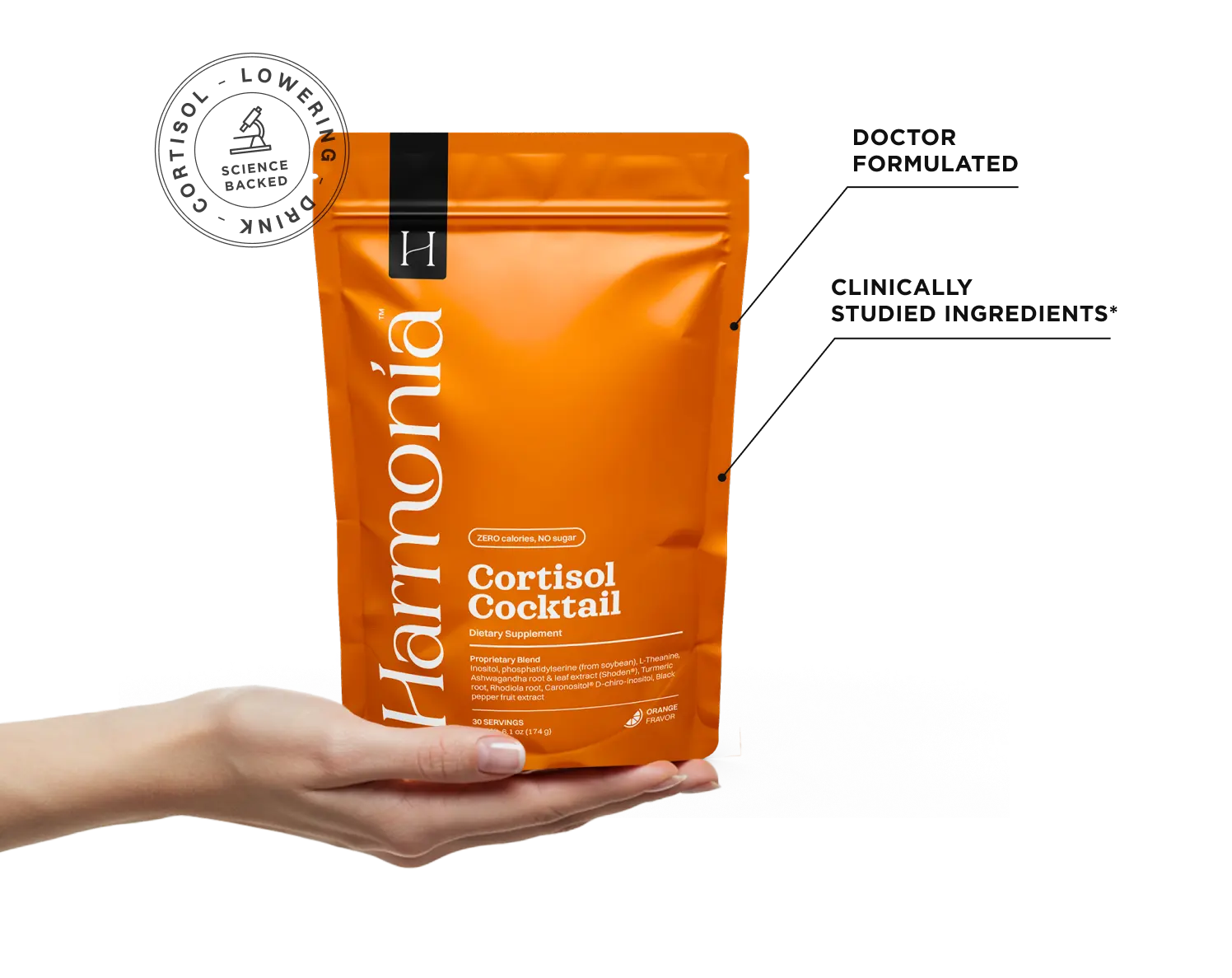
Supporting the body with calming nutrients, adaptogens, and minerals can enhance the effectiveness of somatic practices. Products like Harmonia fit naturally into a stress-management routine.
Harmonia is designed to complement nervous system regulation by providing a blend of researched ingredients that support relaxation, mood balance, sleep quality, and cortisol regulation. When combined with daily somatic exercises, proper hydration, and consistent sleep habits, nutritional support can help reinforce the body’s shift out of chronic stress mode.
Rather than replacing lifestyle practices, Harmonia works best as part of a broader approach focused on nervous system balance and recovery.
Who Benefits Most from Somatic Exercises to Lower Cortisol?
Somatic exercises are suitable for most people, especially those who:
- Experience chronic stress or burnout
- Struggle with poor sleep or restless nights
- Feel mentally overstimulated or tense
- Experience stress-related energy crashes
- Want a gentle, sustainable way to relax
Because they are low-impact and adaptable, somatic exercises are accessible regardless of fitness level.
Common Mistakes That Prevent Cortisol Reduction
Avoiding these common pitfalls helps maximize results:
- Moving too fast or forcing relaxation
- Treating somatic exercises like workouts
- Practicing inconsistently
- Ignoring sleep, hydration, and nutrition
- Expecting instant results instead of gradual change
Somatic work is most effective when approached patiently and consistently.
Conclusion
Lowering cortisol is not about doing more - it’s about teaching the body that it is safe to rest. Somatic exercises provide a practical, evidence-based way to calm the nervous system, release stored tension, and restore balance from the inside out.
By practicing gentle, mindful movement regularly and supporting your body with proper nutrition and recovery, you create the conditions for cortisol to regulate itself naturally.
If you’re ready to enhance the benefits of somatic exercises and support your body’s stress response from multiple angles, consider adding Harmonia to your daily routine.
Its carefully selected ingredients are designed to work alongside calming practices to promote relaxation, balanced energy, and better sleep - helping you stay consistent on your path to lower cortisol and improved well-being.
References
- Dedovic, K., Duchesne, A., Andrews, J., Engert, V., & Pruessner, J. C. (2009). The brain and the stress axis: the neural correlates of cortisol regulation in response to stress. Neuroimage, 47(3), 864-871. Link.