Polycystic Ovary Syndrome (PCOS) affects millions of women worldwide and is one of the most common hormonal disorders during reproductive years.
Symptoms can range from irregular menstrual cycles and acne to excess hair growth, cravings, mood swings, and difficulty managing weight.
Because PCOS is complex and varies from woman to woman, many people look beyond conventional approaches and search for supportive, natural options.
One remedy that continues to gain attention is spearmint tea for PCOS. This herbal tea is often recommended for hormonal balance, particularly for women dealing with elevated androgens.
But how effective is it really, and where does it fit into a sustainable PCOS routine?
What Is Spearmint Tea?
Spearmint tea is made from the leaves of the spearmint plant (Mentha spicata). It has been used traditionally for digestive comfort, mild relaxation, and overall wellness.
Unlike peppermint, spearmint contains a unique profile of plant compounds that may interact differently with hormones.
Key characteristics of spearmint tea include:
- Naturally caffeine-free
- Mild, refreshing flavor
- Rich in polyphenols and flavonoids
- Traditionally used for digestive and hormonal support
It’s important not to confuse spearmint with peppermint. While both are members of the mint family, peppermint does not appear to have the same anti-androgenic effects that make spearmint tea especially relevant for PCOS.
Why Spearmint Tea Is Popular for PCOS
PCOS is not a single-condition disorder. It involves a combination of hormonal imbalance, metabolic dysfunction, and nervous system stress. Many women experience symptoms such as:
- Irregular or absent periods
- Acne and oily skin
- Excess facial or body hair (hirsutism)
- Cravings and blood sugar swings
- Fatigue and low mood
Because of this complexity, there is no one-size-fits-all solution. That’s why lifestyle strategies and gentle interventions like tea for PCOS are so popular - they are accessible, affordable, and easy to maintain over time.
Spearmint tea, in particular, stands out due to its potential influence on androgen levels, which play a key role in many PCOS symptoms.
How Spearmint Tea May Help with PCOS Symptoms

Spearmint Tea and Androgen Levels
One of the most discussed benefits of spearmint tea for PCOS is its potential effect on androgens. Women with PCOS often have higher-than-normal levels of hormones such as testosterone, which can contribute to acne, hair thinning on the scalp, and unwanted hair growth.
Research suggests that regular consumption of spearmint tea may help:
- Lower free testosterone levels
- Reduce the effects of excess androgens
- Support clearer skin and reduced hirsutism over time
While spearmint tea is not a hormone treatment, its gentle influence on androgen activity makes it appealing as a supportive strategy.
Effects on Hormonal Balance
PCOS involves disrupted communication between the brain, ovaries, and adrenal glands. This can affect estrogen and progesterone balance, leading to irregular cycles and symptoms that fluctuate month to month.
Spearmint tea may help indirectly by:
- Supporting overall hormonal signaling
- Reducing mild stress-related hormonal interference
- Promoting a calmer internal environment for hormonal regulation
It’s important to note that results vary. Some women notice improvements within weeks, while others experience subtler changes or none at all.
Spearmint Tea and Menstrual Regularity
Irregular periods are a hallmark of PCOS. While spearmint tea alone is unlikely to “fix” cycle irregularity, some studies suggest it may contribute to improved hormonal patterns when used consistently.
Possible benefits include:
- Supporting ovulatory signaling
- Reducing hormonal volatility
- Encouraging more predictable cycles in some women
That said, menstrual regularity is influenced by many factors, including insulin sensitivity, sleep quality, and stress levels.
Spearmint Tea for Mood, Cravings, and Daily Stress
Although spearmint tea is best known for hormonal support, it may also help with symptoms that often accompany PCOS, such as irritability, cravings, and mental fatigue.
Spearmint has mild calming properties that may:
- Support emotional balance
- Reduce stress-driven cravings
- Promote relaxation without sedation
This makes it an appealing evening or post-meal tea, especially for women who notice PCOS symptoms worsen during periods of stress.

What Does Science Say About Spearmint Tea for PCOS?
Several small clinical studies have explored spearmint tea’s effects on hormonal markers in women with PCOS. The most consistent findings include:
- Reduced free testosterone levels
- Improved subjective symptoms related to excess androgens
- No major adverse effects when consumed in moderate amounts
However, limitations exist. Many studies are short-term, involve small sample sizes, and do not account for lifestyle variables such as diet or sleep.
In practical terms, this means spearmint tea should be viewed as a supportive tool, not a cure. It works best as part of a consistent routine rather than as a quick fix.
How to Use Spearmint Tea for PCOS
How Much Spearmint Tea Should You Drink?
Most studies use 1–2 cups per day, brewed from dried spearmint leaves. This amount is generally considered safe for most women.
Consistency matters more than quantity. Drinking spearmint tea daily for several weeks is more effective than sporadic use.
Best Time of Day to Drink Spearmint Tea
There is no single “best” time, but common options include:
- Morning: for hormonal support without caffeine
- Afternoon: to help curb stress-related cravings
- Evening: to promote relaxation and wind down
Because spearmint tea is caffeine-free, it is suitable for evening use.
Possible Side Effects and Who Should Avoid Spearmint Tea

Spearmint tea is generally well tolerated, but it’s not suitable for everyone. Potential considerations include:
- Digestive sensitivity in large amounts
- Hormonal sensitivity in rare cases
- Pregnancy and breastfeeding (consult a healthcare provider)
- Interactions with hormone-related medications
As with any herbal approach, moderation and personalization are key.
Is Spearmint Tea the Best Tea for PCOS?
Many women search for the best tea for PCOS, but the truth is that PCOS presents differently in each person.
Spearmint tea may be especially helpful if your symptoms are driven by:
- Elevated androgens
- Acne or unwanted hair growth
- Stress-related hormonal imbalance
However, if insulin resistance, fatigue, or poor sleep are your primary concerns, other teas - or additional strategies - may be more effective.
Other Beneficial Tea for PCOS (Alternatives to Spearmint)
Green Tea
Green tea is rich in antioxidants and may support:
- Insulin sensitivity
- Metabolic health
- Inflammation balance
It contains caffeine, so timing matters.
Cinnamon Tea
Cinnamon tea is often used to help:
- Stabilize blood sugar
- Reduce post-meal cravings
- Support metabolic balance
This can be particularly helpful for PCOS-related insulin resistance.
Licorice Root Tea
Licorice root may influence hormone metabolism, but it should be used cautiously and not long-term without guidance.
Chamomile Tea
Chamomile supports relaxation and sleep quality, which indirectly benefits hormonal balance and PCOS symptom management.
When Tea Alone Isn’t Enough for PCOS Symptoms
While tea for PCOS can be helpful, many women find that herbal approaches alone don’t fully address symptoms like:
- Persistent cravings
- Poor sleep quality
- Chronic stress and fatigue
- Emotional eating
PCOS often involves stress-hormone dysregulation that affects appetite, mood, and energy. In these cases, daily nutritional and adaptogenic support can complement gentle habits like drinking spearmint tea.
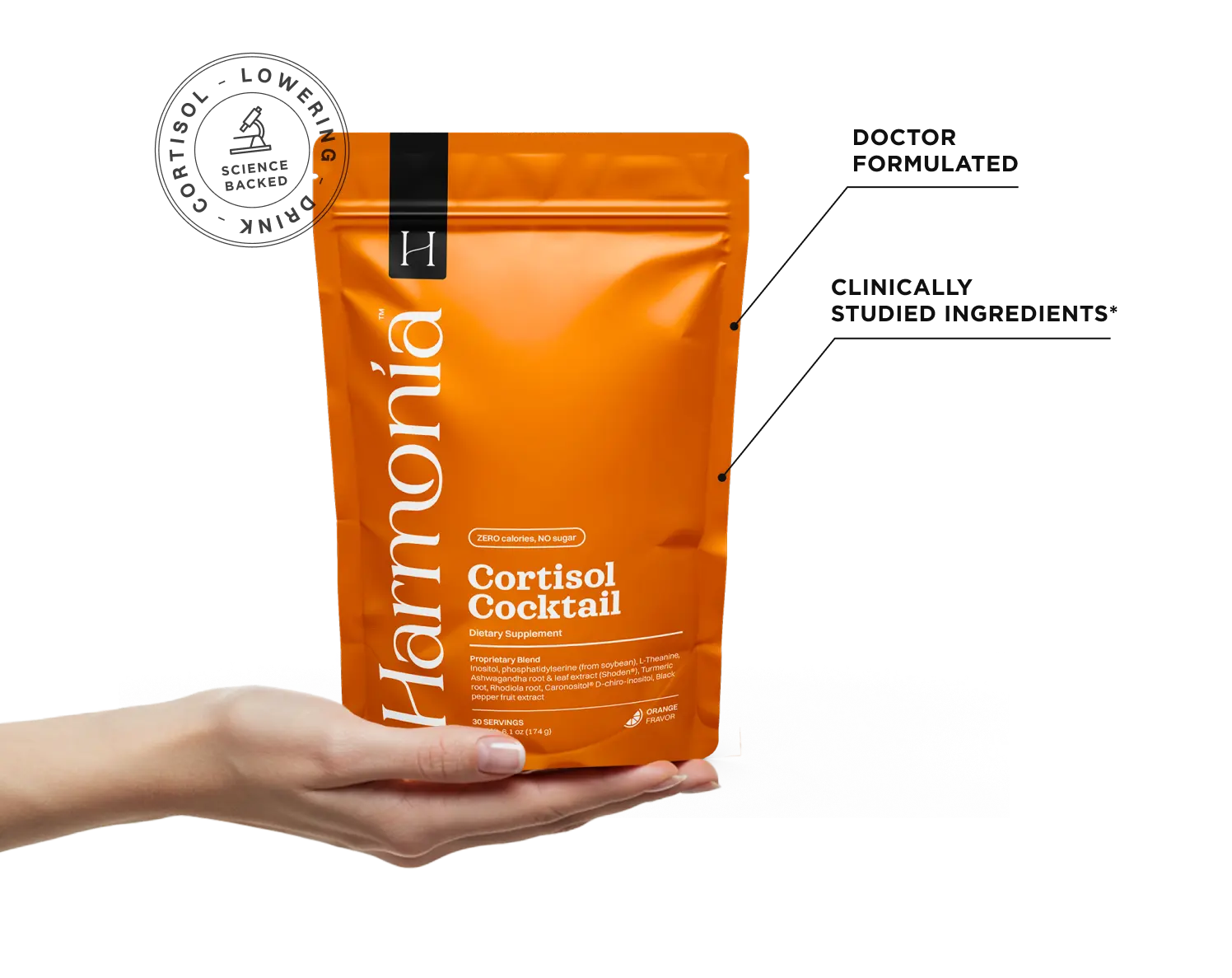
This is where products like Harmonia fit naturally into a routine. Designed as a cortisol-supporting drink, Harmonia combines calming nutrients, adaptogens, and inositols to support hormonal balance, stress resilience, and cravings - areas that many women with PCOS struggle with alongside androgen-related symptoms.
Rather than replacing tea, Harmonia works as a daily foundation - supporting the hormonal environment so complementary tools like spearmint tea can be even more effective.
Conclusion

Spearmint tea for PCOS is a simple, low-risk option that may support hormonal balance - particularly for women dealing with elevated androgens, acne, or unwanted hair growth. While it is not a cure and results vary, consistent use may offer meaningful benefits over time.
That said, PCOS is rarely addressed by a single strategy. Tea can be a helpful starting point, but sustainable progress often comes from layering supportive habits that address stress, cravings, sleep, and overall hormonal regulation.
If your PCOS symptoms are closely tied to stress, poor sleep, emotional eating, or hormonal imbalance, consider pairing gentle habits like spearmint tea with Harmonia. Its thoughtfully formulated blend is designed to support cortisol balance, relaxation, and hormonal well-being - helping you build a routine that works with your body, not against it.
Taking a consistent, supportive approach is often the key to feeling more balanced, energized, and in control of your PCOS journey.
References
- Donnelly, R. (2017). Anti-Androgenic Effects of Spearmint Tea (Mentha Spicata). Link.
- Goswami, P. K., Khale, A., & Ogale, S. (2012). Natural remedies for polycystic ovarian syndrome (PCOS): a review. Int J Pharm Phytopharmacol Res, 1(6), 396-402. Link.
- World Health Organization: WHO & World Health Organization: WHO. (2026). Polycystic ovary syndrome. Link.