Stress follows you everywhere, from work demands that never stop to family responsibilities that keep piling up. Your mind races at night when you desperately need sleep. You've tried meditation apps and breathing exercises, but stress keeps winning.
Stress relief supplements offer evidence-backed tools for managing your body's stress response. Rather than simply masking symptoms, quality supplements support the biological systems affected by chronic stress. Research demonstrates certain nutrients can significantly reduce cortisol levels and improve how you handle daily pressures.
A randomized, double-blind, placebo-controlled trial found that ashwagandha significantly reduced stress scores and lowered serum cortisol levels in adults experiencing chronic stress. These measurable changes translate to real improvements in how you feel and function.
Understanding which supplements for stress have scientific support helps you choose effective options rather than wasting money on unproven products.
What Happens to Your Body During Chronic Stress
Stress triggers a complex cascade of hormonal and physiological responses. Your hypothalamic-pituitary-adrenal (HPA) axis activates, releasing cortisol to help you handle perceived threats.
In short bursts, this system works beautifully. Cortisol mobilizes energy, sharpens focus, and prepares your body for action. Problems arise when stress becomes chronic and cortisol stays elevated continuously.
Persistent high cortisol creates widespread effects:
- Disrupted sleep patterns and insomnia
- Weakened immune function and frequent illness
- Blood sugar instability and increased diabetes risk
- Digestive problems and gut inflammation
- Anxiety, depression, and mood swings
- Memory problems and difficulty concentrating
- Weight gain, particularly around the midsection
- Hormonal imbalances affecting reproduction
Your body needs support to restore balance when stress becomes overwhelming. Stress management supplements work by modulating cortisol production, supporting neurotransmitter balance, or providing nutrients depleted by chronic stress.
10 Best Supplements for Stress

Research identifies specific nutrients and compounds that effectively support your stress response. These evidence-backed options address different aspects of how stress affects your body.
1. Ashwagandha
This adaptogenic herb leads the list for good reason. Multiple clinical trials demonstrate ashwagandha's remarkable ability to reduce both perceived stress and biological stress markers.
A systematic review of 22 clinical trials published in 2026 found that ashwagandha significantly improved stress, anxiety, and depression outcomes across diverse populations.
The herb works by modulating your HPA axis and reducing cortisol production. Most studies use 300 to 600 mg daily of standardized extract. Benefits typically appear within 6 to 8 weeks of consistent use.
Many people notice improvements in sleep quality, energy levels, and emotional resilience. Ashwagandha also supports thyroid function and hormonal balance, addressing multiple systems affected by chronic stress.
2. Magnesium
This essential mineral deserves recognition as one of the most important anti stress vitamins despite technically being a mineral. Magnesium participates in over 300 enzymatic reactions, many involving stress response and neurotransmitter function.
Stress depletes magnesium stores rapidly, creating a vicious cycle. Low magnesium worsens stress response, which further depletes levels. Supplementation breaks this pattern.
Research shows magnesium:
- Calms the nervous system by regulating neurotransmitters
- Reduces cortisol production
- Improves sleep quality and duration
- Eases anxiety and promotes relaxation
- Supports healthy blood pressure
Magnesium glycinate offers excellent absorption without digestive side effects. Take 300 to 400 mg daily, preferably in the evening to support sleep. Many people notice improved sleep within the first week.
3. L-Theanine
This amino acid found naturally in tea leaves promotes relaxation without causing drowsiness. Research suggests 200 to 400 mg daily of L-theanine may reduce stress and anxiety in short-term situations, though studies show inconsistent results for long-term anxiety treatment.
L-theanine increases alpha brain wave activity associated with relaxed alertness. It also influences GABA, dopamine, and serotonin levels in your brain. These neurotransmitters regulate mood, focus, and stress response.
The supplement works particularly well for situational stress like presentations, difficult conversations, or overwhelming days. Many people combine L-theanine with caffeine to get energy without jitters.
4. Rhodiola Rosea
This adaptogenic herb helps your body adapt to physical and emotional stress. Rhodiola works differently than ashwagandha, making them complementary rather than redundant.
Research demonstrates rhodiola:
- Reduces mental fatigue and burnout
- Improves cognitive performance under stress
- Supports physical endurance
- Balances cortisol without suppressing it completely
- Enhances mood and reduces irritability
Typical dosing ranges from 200 to 600 mg daily of standardized extract. Take rhodiola in the morning or early afternoon as it can be mildly stimulating for some people.
The herb shines for stress-related exhaustion and brain fog. Many people describe feeling more resilient and capable of handling challenges without becoming overwhelmed.
5. B-Vitamin Complex
B vitamins function as essential cofactors in energy production and neurotransmitter synthesis. Stress increases your body's demand for these nutrients while simultaneously depleting stores.
Key B vitamins for stress include:
- B1 (Thiamine): Supports nervous system function and mood regulation
- B5 (Pantothenic Acid): Essential for adrenal hormone production
- B6 (Pyridoxine): Required for serotonin and GABA synthesis
- B9 (Folate): Supports neurotransmitter production and mood
- B12 (Cobalamin): Critical for energy, focus, and emotional wellbeing
A quality B-complex provides all eight B vitamins in balanced ratios. Look for methylated forms (methylfolate, methylcobalamin) for better absorption. These stress vitamins work best when taken with food.
6. Omega-3 Fatty Acids
EPA and DHA from fish oil support brain health and reduce inflammation worsened by chronic stress. Your brain contains high concentrations of omega-3 fatty acids essential for proper neurotransmitter function.
Research shows omega-3 supplementation:
- Reduces anxiety symptoms
- Improves mood and emotional regulation
- Protects against stress-induced brain inflammation
- Supports healthy cortisol response
- Enhances cognitive function under pressure
Aim for 1,000 to 2,000 mg combined EPA and DHA daily from high-quality fish oil. Choose products tested for mercury and other contaminants. The vitamins for anxiety benefits become noticeable after 6 to 12 weeks of consistent use.
7. Vitamin D
This hormone-like nutrient influences mood, immune function, and stress response. Deficiency is widespread and worsens stress-related symptoms significantly.
Low vitamin D levels correlate with increased anxiety, depression, and difficulty handling stress. Supplementation improves mood and resilience, particularly during winter months when sun exposure decreases.
Most people need 2,000 to 4,000 IU daily to maintain optimal levels. Get your levels tested to determine appropriate dosing. Aim for blood levels between 40 to 60 ng/mL for best mental health support.
8. Holy Basil (Tulsi)
This adaptogenic herb from Ayurvedic medicine supports stress management through multiple pathways. Holy basil helps normalize cortisol while protecting against stress-induced damage.
Studies demonstrate benefits including:
- Reduced anxiety and stress symptoms
- Improved stress-related metabolic markers
- Better cognitive function and memory
- Protection against oxidative stress
- Balanced blood sugar under stress
Holy basil works well as tea or standardized extract. Typical dosing uses 300 to 600 mg daily. The herb tastes pleasant and can be enjoyed as a calming evening ritual.
9. Phosphatidylserine
This phospholipid supports brain cell membranes and helps regulate cortisol release. Research shows phosphatidylserine particularly benefits stress-induced cortisol elevation.
The supplement helps:
- Blunt excessive cortisol response to stress
- Improve cognitive performance under pressure
- Support memory and mental clarity
- Reduce stress-related anxiety
- Enhance athletic recovery from training stress
Studies typically use 300 to 800 mg daily. Effects accumulate over several weeks of consistent use. Athletes and high performers often find this stress support supplement particularly valuable.
10. GABA
Gamma-aminobutyric acid serves as your brain's primary inhibitory neurotransmitter. It counterbalances excitatory signals, promoting calm and relaxation.
Some debate exists about whether supplemental GABA crosses the blood-brain barrier effectively. However, many people report noticeable relaxation effects. GABA may also influence gut-brain communication and reduce stress through this pathway.
Typical doses range from 250 to 750 mg. Take GABA on an empty stomach for better absorption. Effects often appear within 30 to 60 minutes, making it useful for acute stress situations.
Combination Supplements for Enhanced Benefits
.webp)
A randomized clinical trial is currently evaluating combinations of ashwagandha, magnesium, L-theanine, and rhodiola for stress reduction and better sleep. These combinations target multiple pathways simultaneously.
This growing research interest reflects what many integrative practitioners observe. Combining complementary stress relief supplements often produces better results than single ingredients alone.
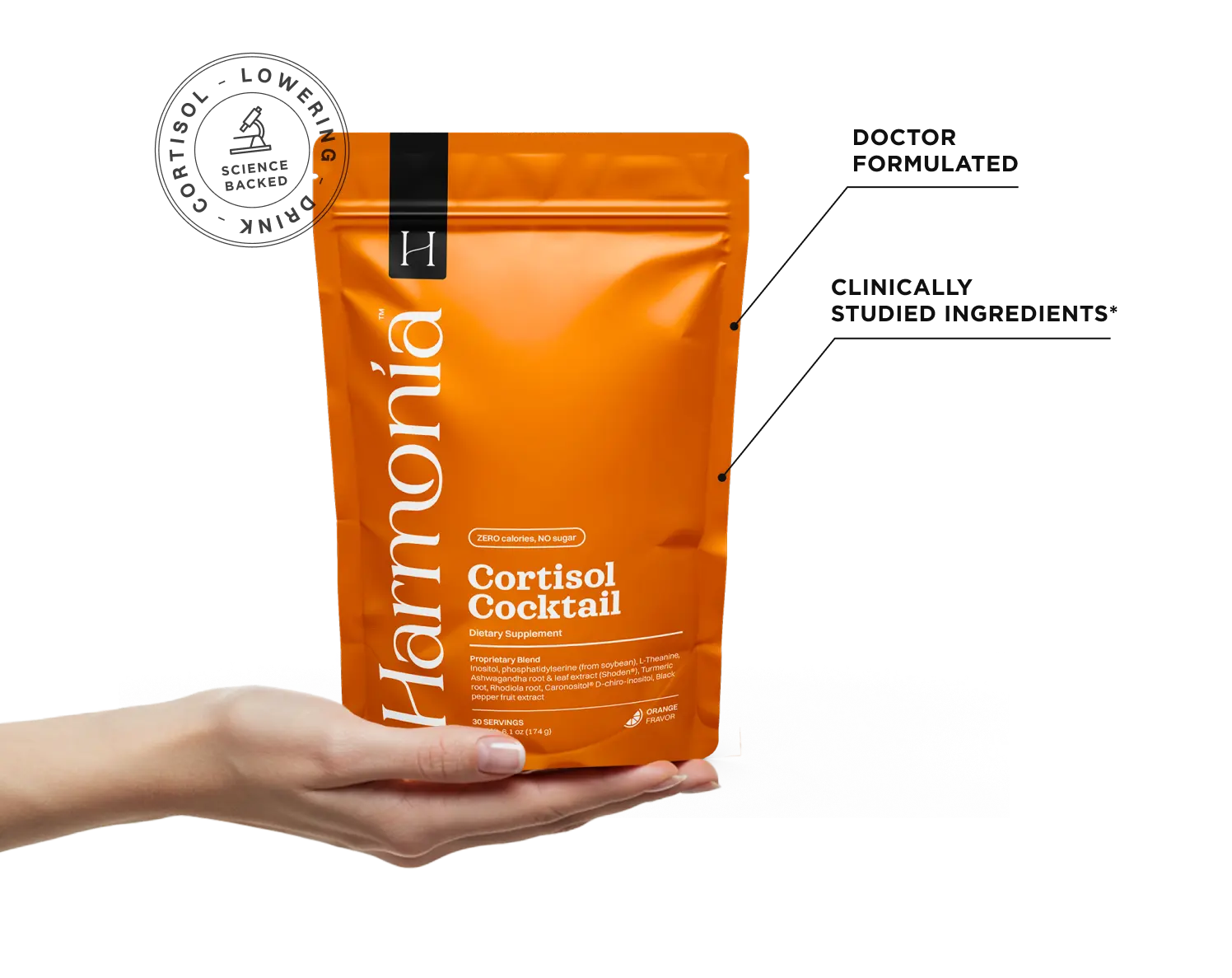
Harmonia exemplifies this comprehensive approach. The formula combines ashwagandha, rhodiola, L-theanine, magnesium, and additional supportive nutrients in one convenient daily drink.
By targeting stress-related pathways through multiple mechanisms, Harmonia helps support people experiencing symptoms of chronic stress. The synergistic blend addresses cortisol regulation, neurotransmitter balance, and metabolic support simultaneously.
When stress hormones stabilize and nutrient deficiencies resolve, many notice improvements in energy, sleep, mood, and resilience within 6 to 8 weeks.
Supporting your stress response requires consistency. A daily routine combining targeted supplementation with stress management practices produces the best long-term results.
Ready to address stress comprehensively? Take the Harmonia quiz to discover if this formula fits your needs.
How to Choose Quality Stress Supplements
Not all supplements deliver what their labels promise. Quality varies dramatically between brands. These guidelines help you select effective products.
Look for Standardized Extracts
Herbs like ashwagandha and rhodiola should specify standardization to active compounds. For ashwagandha, look for at least 5% withanolides. Rhodiola should contain 3% rosavins and 1% salidrosides.
Standardization ensures consistent potency between batches. You get the same benefits demonstrated in research studies.
Choose Third-Party Tested Products
Independent testing verifies that supplements contain what labels claim without harmful contaminants. Look for certifications from NSF, USP, or ConsumerLab.
This matters particularly for products manufactured overseas or by smaller companies with less stringent quality control.
Consider Bioavailable Forms
Nutrient forms significantly affect absorption. Choose methylated B vitamins (methylfolate, methylcobalamin) over synthetic forms. Select magnesium glycinate or threonate rather than oxide.
Better absorption means lower doses achieve therapeutic effects. You get more benefit per dollar spent.
Start with Single Ingredients
When beginning supplementation, start with individual nutrients rather than complex formulas. This helps you identify which vitamins that help with stress work best for your unique biochemistry.
Once you've established tolerance and effectiveness, comprehensive formulas offer convenience without sacrificing results.
Lifestyle Factors That Enhance Supplement Effectiveness
Stress management supplements work best alongside supportive lifestyle practices. These habits create the foundation for lasting stress resilience.
Prioritize Sleep Quality
Aim for 7 to 9 hours nightly in a dark, cool, quiet room. Establish consistent sleep and wake times. Avoid screens for at least one hour before bed.
Quality sleep allows your body to restore balance disrupted by daily stress. Many stress supplements improve sleep, creating a positive feedback loop.
Practice Stress Reduction Techniques
Daily meditation, yoga, deep breathing, or time in nature supports your nervous system. Even 10 minutes creates measurable cortisol reductions.
Combining these practices with best adrenal fatigue supplements for stress recovery amplifies benefits beyond either approach alone.

Balance Blood Sugar
Eat regular meals combining protein, healthy fats, and fiber-rich carbohydrates. Avoid refined sugars and excessive caffeine that create blood sugar swings.
Stable glucose prevents stress hormone spikes triggered by hypoglycemia. This makes managing stress significantly easier.
Move Your Body Regularly
Moderate exercise reduces stress hormones while improving mood through endorphin release. Walking, yoga, swimming, or dancing all provide benefits.
Avoid excessive high-intensity training when already stressed. This additional physical stress can worsen cortisol dysregulation.
Build Supportive Relationships
Social connection powerfully buffers stress effects. Spend time with people who energize rather than drain you. Set boundaries with relationships that create unnecessary stress.
Strong social support makes challenges feel more manageable and provides perspective during difficult times.
Conclusion
Managing chronic stress requires addressing multiple factors simultaneously. Stress relief supplements backed by research offer powerful tools for supporting your body's stress response systems.
From ashwagandha's proven cortisol-lowering effects to magnesium's nervous system support, these nutrients help restore balance disrupted by relentless pressure. Understanding which vitamins for stress have solid scientific backing prevents wasting money on ineffective products.
For comprehensive stress support, consider Harmonia, which combines multiple evidence-backed ingredients in one convenient formula.
Combining quality supplements with stress management practices, adequate sleep, balanced nutrition, and regular movement creates comprehensive support. Consider natural supplements that support hormone balance and reduce stress as part of your overall wellness strategy.
Small, consistent actions compound into significant improvements over time. Your stress response can become more resilient with appropriate support.
FAQs About Stress Relief Supplements
What are the best supplements for stress?
The best supplements for stress backed by research include ashwagandha (300-600 mg daily), magnesium glycinate (300-400 mg), L-theanine (200-400 mg), rhodiola rosea (200-600 mg), B-vitamin complex, omega-3 fatty acids (1,000-2,000 mg EPA/DHA), and vitamin D (2,000-4,000 IU). Comprehensive formulas combining multiple ingredients often work best.
Do stress relief supplements really work?
Yes, quality stress relief supplements with research backing demonstrate measurable benefits. Clinical trials show ashwagandha significantly reduces stress scores and cortisol levels. Magnesium, B vitamins, and omega-3s also have solid evidence supporting stress management benefits. Results vary individually, but most people notice improvements within 6 to 8 weeks.
What vitamins help with stress and anxiety?
Vitamins that help with stress include B-complex vitamins (particularly B6, B9, and B12), vitamin D, and vitamin C. While technically a mineral, magnesium functions as a crucial anti stress vitamin. These nutrients support neurotransmitter production, adrenal function, and nervous system regulation essential for managing stress and anxiety.
Can I take stress supplements every day?
Yes, most stress management supplements are designed for daily use and work best with consistent supplementation. Adaptogens like ashwagandha and rhodiola, minerals like magnesium, and vitamins require regular intake to maintain therapeutic blood levels. Follow dosing guidelines and consider cycling some supplements periodically.
How long does it take for stress supplements to work?
Timeline varies by supplement type. Some like L-theanine and GABA work within 30 to 60 minutes for acute stress. Magnesium often improves sleep within a week. Adaptogens like ashwagandha typically require 6 to 8 weeks for full benefits. B vitamins and omega-3s show optimal effects after 8 to 12 weeks of consistent use.
Are there any side effects of stress relief vitamins?
Quality stress relief vitamins and supplements generally have minimal side effects when properly dosed. Some people experience mild digestive upset, particularly with magnesium. Adaptogens occasionally cause initial drowsiness or mild headaches as your body adjusts. Start with lower doses and increase gradually. Consult healthcare providers if taking medications.