Cortisol is highest in the first 30 to 45 minutes after waking, a surge known as the Cortisol Awakening Response. Peak levels typically occur between 7:00 and 8:30 AM, reaching approximately 400 nmol/L before declining by more than 85 percent to around 50 nmol/L by midnight. Understanding when cortisol is highest throughout the day reveals a great deal about how the body manages energy, stress, metabolism, and sleep.
Cortisol is one of the body's primary signalling chemicals, rising and falling on a precise daily schedule that influences nearly every system in the body.
When this rhythm functions well, you feel energised in the morning, focused through the day, and ready to wind down by evening.
When it goes off track due to chronic stress, poor sleep, or lifestyle habits, the consequences reach far beyond fatigue. This guide walks through the science of cortisol levels throughout the day, what drives each phase, and what you can do to support a healthy pattern.
What Controls Your Cortisol Levels?
Cortisol is produced by the adrenal glands, which sit just above the kidneys, and its release is governed by a feedback loop involving the hypothalamus and pituitary gland in the brain.
Together, these structures send chemical signals to the adrenal glands instructing them to produce more or less cortisol depending on the body's needs.
The timing of cortisol release is regulated by the body's internal circadian clock, a master pacemaker in the brain that is primarily set by light and darkness. This is why your cortisol pattern closely follows the solar cycle.
Light entering the eyes in the morning activates this internal clock, triggering a cascade that increases cortisol production. As evening arrives and light fades, the clock suppresses cortisol output and allows melatonin to rise instead.
When Is Cortisol Highest During the Day?
.png)
Cortisol follows a highly predictable daily curve. The pattern is consistent across the population, with individual timing varying slightly based on sleep schedule and whether you are naturally a morning or evening person.
The Morning Peak: The Cortisol Awakening Response
The highest point of cortisol in any given day occurs shortly after waking. According to research on the cortisol circadian rhythm, cortisol reaches its peak secretion between 7:00 and 8:30 in the morning, while its lowest point occurs between 2:00 and 4:00 AM.
This morning peak includes a distinct surge within the first 30 to 45 minutes after waking, known as the Cortisol Awakening Response, during which cortisol levels can rise by 50 to 100 percent above baseline.
Think of it as the body's built-in ignition system, mobilising glucose for energy and priming the immune and cardiovascular systems for the demands of the coming day.
Interestingly, anticipation drives a larger morning surge. People who expect an early start or a demanding day show a higher cortisol rise that morning, suggesting the brain begins preparing the body even before the alarm sounds.
A blunted or delayed CAR, where the morning spike is muted, is one of the earliest indicators of HPA axis dysregulation. Research on the cortisol awakening response consistently shows it is sensitive to sleep quality, psychological burden, and the anticipated demands of the coming day.
Sleep debt of even a few nights can measurably blunt the morning surge, with documented effects on daytime alertness, mood, and immune response. This makes the CAR a useful window into adrenal health. When the morning spike begins to flatten, it often precedes the fatigue, low motivation, and immune vulnerability that people associate with burnout.
Mid-Morning to Afternoon: Gradual Decline
After the morning peak, cortisol remains relatively elevated through the late morning, typically until around 10:00 to 11:00 AM, supporting sustained alertness, cognitive performance, and immune function.
During this phase, cortisol helps regulate blood sugar by converting stored energy into usable glucose and by moderating how well cells respond to insulin.
By early afternoon, cortisol had begun its gradual descent. The familiar afternoon energy dip, the one many people reach for caffeine to address, is in large part a direct consequence of this normal hormonal decline.
If you frequently rely on afternoon caffeine, understanding how caffeine interacts with cortisol can help explain why it often disrupts your wind-down process later in the day.
Evening and Night: Cortisol at Its Lowest
By the time evening arrives, cortisol levels have dropped significantly, and they continue to fall through the night. A study on overnight cortisol levels found that cortisol drops below 50 nmol/L around midnight compared to a morning peak of approximately 399 nmol/L. That is a fall of more than 85 percent over the course of the day.
This evening's low is essential. It allows melatonin to rise undisturbed, which is a prerequisite for quality sleep. Low overnight cortisol enables recovery. Tissue repair, immune restoration, and hormonal recovery all depend on it.
When cortisol remains elevated into the evening due to stress, late-night screen exposure, or irregular sleep schedules, these restorative processes are significantly impaired.
Persistent elevated evening cortisol is also one of the more common reasons people describe feeling wired but physically exhausted at bedtime. For people experiencing this, identifying what drives cortisol spikes at night is often the first practical step toward restoring the overnight low that recovery depends on.
Why Your Cortisol Timing Matters for Health
The shape of the cortisol curve throughout the day, high in the morning and low at night, is not merely a biological curiosity.
A systematic review of diurnal cortisol patterns found that a flattened or dysregulated pattern is associated with increased fatigue, impaired immune function, metabolic disruption, and elevated risk of mood disorders.
A healthy, steep slope where the gap between morning peak and evening low is pronounced is consistently linked to better energy, stronger cognitive performance, and healthier long-term metabolic outcomes.
People with a flat or inverted pattern often experience persistent fatigue regardless of how much sleep they get, difficulty concentrating, and increased susceptibility to illness.
A flat curve affects everything. Weight regulation, mood stability, and hormonal balance are all downstream of it.
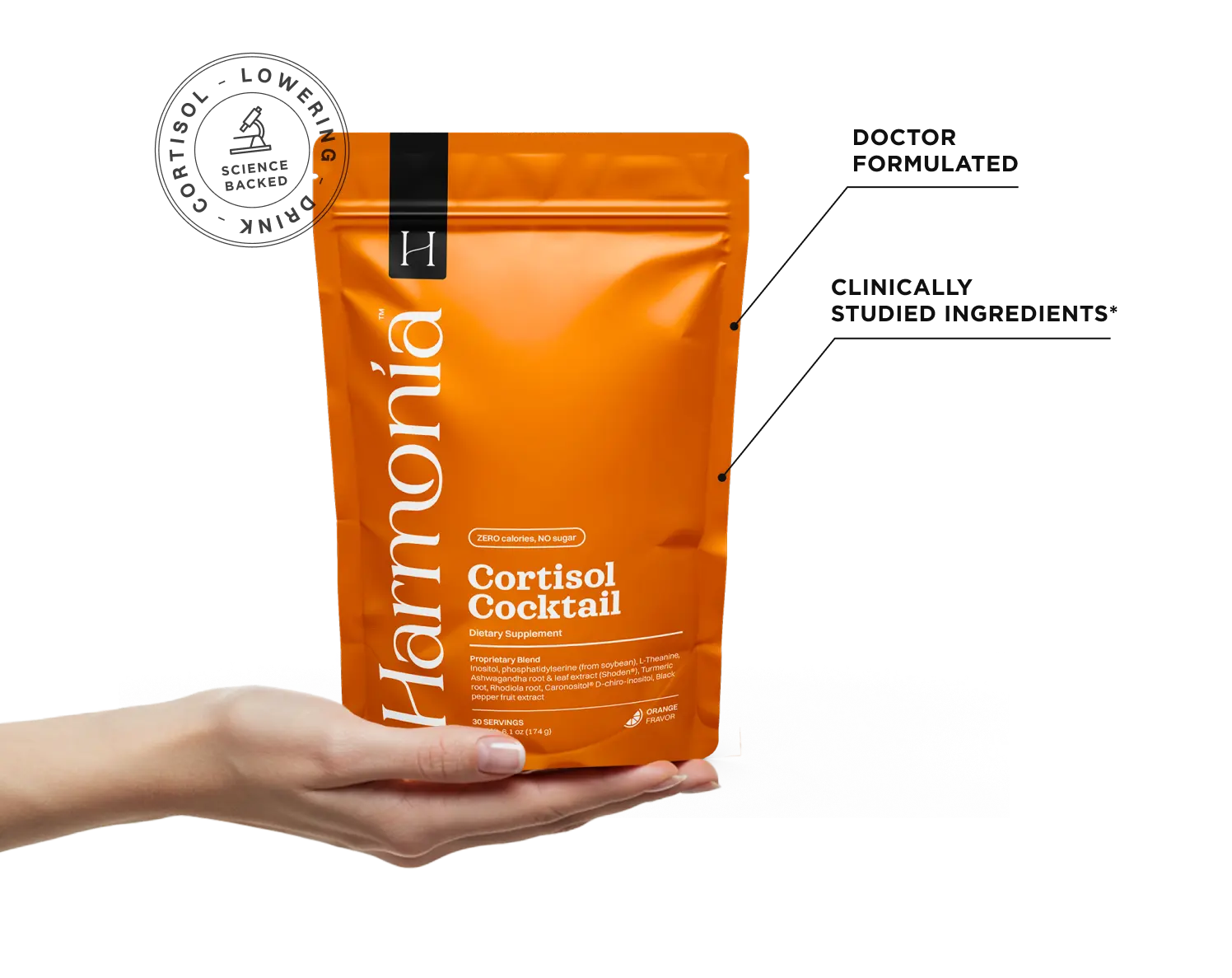
For those experiencing a flattened or dysregulated cortisol slope, the Harmonia Cortisol Cocktail is a daily cortisol support drink formulated specifically to help restore the natural gap between the morning peak and the evening low, supporting the rhythm your body is designed to follow.
Cortisol patterns in women
When is cortisol highest in women?
For women, the morning peak follows the same pattern as the general population, with peak levels between 7:00 and 8:30 AM. But throughout the month, the menstrual cycle adds another layer.
A 2020 meta-analysis in Frontiers in Endocrinology found that circulating cortisol is measurably higher during the follicular phase, the first two weeks of the cycle, than during the luteal phase that follows ovulation. Among the women studied, 73% in the follicular phase showed a strong cortisol response to acute stress, compared to 32% in the luteal phase.
This means women experience cortisol peaks at two levels: the daily morning surge that affects all adults, and a monthly elevation driven by the follicular phase. The same stressor can feel meaningfully more intense in the first half of the cycle. The cortisol response is amplified during this phase, even when the external demand is identical.
This is also why stress during the follicular phase can have an outsized effect on cycle regularity, energy, and mood compared to the same stressor encountered in the luteal phase.
Approaching the luteal phase, cortisol reactivity generally softens, though sleep disruption during this phase can still prevent the evening decline. For women navigating perimenopause or irregular cycles, these monthly fluctuations often become less predictable as estrogen changes affect how the HPA axis calibrates its output.

What Disrupts the Cortisol Circadian Rhythm?
A well-regulated cortisol rhythm can be disrupted by a wide range of lifestyle and environmental factors. Recognising these is the first step to protecting or restoring a healthy pattern.
Chronic Stress
Sustained psychological or physical stress keeps the body's stress control system in a state of prolonged activation, elevating cortisol outside its natural peak window and blunting its ability to decline at night.
Over time, this leads to the kind of persistent, low-grade dysregulation that many people dealing with chronic stress begin to recognise as their cortisol imbalance symptoms.
Poor Sleep or Irregular Sleep Schedules
The cortisol curve is anchored to your sleep-wake timing. Irregular bedtimes, insufficient sleep, or sleeping at misaligned times, as in shift work, shift the curve out of phase with the light-dark cycle.
A few irregular nights can measurably flatten the cortisol slope for the days that follow.
Excessive or Mistimed Exercise
High-intensity exercise raises cortisol acutely. Morning or early afternoon exercise typically works with the body's natural cortisol pattern, while high-intensity training late in the evening can delay the cortisol decline and disrupt sleep onset.
Late-Night Screen Exposure
Blue light from screens suppresses melatonin but also delays the evening cortisol decline by keeping the circadian clock in a daytime state.
Reducing screens before bed is one of the most effective interventions for restoring evening cortisol rhythm. Sixty to ninety minutes is a meaningful target.
Alcohol and Stimulants
Alcohol consumed in the evening may lower initial cortisol but can cause a rebound elevation in the early hours of the morning, disrupting the overnight low. Caffeine consumed after 2:00 PM can similarly interfere with natural descent.
Nutritional Deficiencies
Magnesium, Vitamin C, and B vitamins play documented roles in adrenal function and cortisol regulation. Chronic deficiency in any of these can blunt the adrenal glands' ability to follow a healthy secretion pattern.
For those looking to address these nutritional gaps alongside lifestyle changes, the Harmonia Cortisol Cocktail combines magnesium, Vitamin C, and B vitamins with evidence-based adaptogens in a single daily formulation.
How to Support a Healthy Cortisol Pattern
_11zon.jpeg)
Restoring or maintaining a well-regulated cortisol rhythm doesn't require dramatic intervention.Restoring or maintaining a well-regulated cortisol rhythm does not require dramatic intervention. Consistent daily habits matter most. They have the most significant and lasting impact on how the body's stress control system performs.
Morning light exposure is one of the single most effective ways to anchor cortisol timing. Getting natural daylight into your eyes within 30 minutes of waking, even on an overcast day, sends a strong signal to the brain's internal clock that synchronises the entire day's cortisol curve.
Pair this with a consistent wake time, and the morning peak becomes sharper and more reliable within days.
Sleep consistency matters as much as sleep duration. Going to bed and waking at the same time every day, including weekends, prevents the gradual desynchronisation of the cortisol rhythm from the light-dark cycle.
For those experiencing persistent cortisol dysregulation, particularly elevated stress levels, afternoon crashes, or difficulty winding down at night, understanding the relationship between cortisol and anxiety is a useful place to start before exploring nutritional support.
Adaptogenic ingredients such as Ashwagandha, Rhodiola Rosea, and Phosphatidylserine have clinical evidence supporting their role in moderating the stress response.
The Harmonia Cortisol Cocktail combines these with L-Theanine, Myo-Inositol, and Magnesium in a single daily drink formulated to support lower cortisol, more stable energy across the day, and better sleep at night.
Conclusion
Cortisol is highest in the first 30 to 45 minutes after waking, reaching its daily peak between 7:00 and 8:30 AM before beginning a gradual decline that reaches its lowest point around midnight.
This rhythm governs energy, immune function, metabolism, cognitive performance, and sleep quality across every 24-hour cycle.
When the cortisol rhythm is disrupted by chronic stress, poor sleep, irregular schedules, or nutritional gaps, the effects ripple across the whole body. Restoring it begins with consistent daily habits: morning light, regular sleep timing, and managing stimulant and screen exposure.
For persistent imbalance, targeted nutritional support using evidence-based adaptogens can provide meaningful additional benefit.
Understanding when cortisol is highest and why is the foundation for making choices that genuinely support your body's natural rhythm.
If your cortisol symptoms have been pointing toward a disrupted daily pattern, you can take the quiz to see whether the Harmonia Cortisol Cocktail fits where you are right now.
Frequently Asked Questions
When is cortisol highest during the day?
Cortisol is highest in the first 30 to 45 minutes after waking, a response known as the Cortisol Awakening Response.
Peak secretion typically occurs between 7:00 and 8:30 AM in people who wake at a conventional time, before beginning a gradual decline through the rest of the day.
What time is cortisol lowest?
Cortisol reaches its daily low point around midnight to 2:00 AM. At this point, levels drop to a fraction of the morning peak, which allows melatonin to rise and essential overnight repair and restoration to take place.
Does cortisol spike at night?
In a healthy cortisol rhythm, cortisol does not spike at night. However, chronic stress, late-night screen use, caffeine, or alcohol can prevent the normal evening decline, leaving cortisol artificially elevated.
This is one of the most common drivers of difficulty falling asleep despite feeling mentally tired.
Why do cortisol levels go up in the morning?
The morning rise in cortisol is driven by the brain's internal clock, which receives light signals from the eyes and activates the body's stress control system accordingly.
The surge mobilises glucose, primes immune function, and raises alertness, effectively preparing the body for the physiological demands of waking life.
How can I tell if my cortisol rhythm is off?
Common signs of a dysregulated cortisol pattern include difficulty waking in the morning even after adequate sleep, a second wind of energy late at night, persistent afternoon crashes, and elevated anxiety or irritability without a clear cause.
A full overview of these warning signs is covered in our guide to recognizing cortisol imbalance symptoms.
What foods lower cortisol?
Foods that lower cortisol in the published literature include oily fish, leafy greens, fermented foods, dark chocolate, and green tea. They reduce cortisol through multiple mechanisms: omega-3 fatty acids buffer the acute stress response, magnesium from leafy greens supports adrenal recovery, and polyphenols dampen the low-grade inflammation that keeps cortisol chronically elevated.
When is cortisol highest in women?
In women, cortisol peaks at two levels. The daily morning surge, which reaches its highest point in the first 30 to 45 minutes after waking, affects all adults. But across the month, women also experience higher baseline cortisol reactivity during the follicular phase. A 2020 meta-analysis found that 73% of women in the follicular phase showed a strong cortisol stress response, compared to 32% in the luteal phase that follows ovulation.
Can you reset your cortisol rhythm?
Yes. The cortisol rhythm is highly responsive to behavioural inputs. Consistent wake times, morning light exposure, reduced late-night screen use, and stress management practices can meaningfully reshape the cortisol curve within days to weeks.
For faster or more complete restoration, adaptogenic nutritional support offers an evidence-based complement to lifestyle changes.
References
- Kalafatakis, K., et al. (2022). Cortisol on circadian rhythm and its effect on the cardiovascular system. International Journal of Molecular Sciences, 22(6). Link
- Debono, M., et al. (2012). Replication of cortisol circadian rhythm: new advances in hydrocortisone replacement therapy. Therapeutic Advances in Endocrinology and Metabolism, 3(1). Link
- Adam, E. K., et al. (2017). Diurnal cortisol slopes and mental and physical health outcomes: a systematic review and meta-analysis. Psychoneuroendocrinology, 83. Link
- Hamidović, A., et al. (2020). Higher circulating cortisol in the follicular vs. luteal phase of the menstrual cycle: a meta-analysis. Frontiers in Endocrinology, 11. Link