Ashwagandha may help reduce anxiety symptoms, especially when ongoing stress is part of the picture. Human studies have found improvements in anxiety and stress scores after several weeks of regular use.
It is not an instant calming remedy, and the results do not apply equally to every type of anxiety. Most studies have used standardized ashwagandha extracts rather than plain root powder, and the dose, extract, and people being studied vary considerably.
For someone whose anxiety feels closely tied to ongoing stress, tension, worry, or difficulty winding down, the evidence is encouraging. Ashwagandha has its strongest research behind stress support, with anxiety benefits adding another potentially useful layer.
Ashwagandha for anxiety at a glance
Human studies give a useful picture of what to expect, especially when anxiety symptoms overlap with ongoing stress. The main questions are whether it helps, how long trials run, which preparation was used, and how the supplement fits your routine.
What human studies show about ashwagandha and anxiety
The overall picture is promising.
Randomized trials have reported improvements in anxiety measures in adults with chronic stress, people with mild-to-moderate anxiety symptoms, and a small group with generalized anxiety disorder.
The studies do not all answer exactly the same question, so it is important to look at who participated and which form of ashwagandha they used.
What larger reviews show
When researchers combine results across multiple trials, the same general pattern appears.
A 2022 meta-analysis of 12 randomized trials found lower anxiety and stress scores with ashwagandha.
A 2024 review of 9 randomized trials involving 558 participants also found improvements in anxiety and perceived stress, along with lower serum cortisol.
More recently, a 2026 meta-analysis of 22 randomized trials again found overall improvements in anxiety and stress outcomes.
That makes the evidence more convincing than if the benefit came from one unusually positive trial. What is less clear is exactly how much improvement the average person should expect, or which extract and dose is best.
How are stress, cortisol, and anxiety connected?
Stress and anxiety often overlap, but they are not the same thing.
Stress usually describes feeling overloaded, under pressure, or unable to switch off. Anxiety tends to involve symptoms such as worry, fear, tension, or a sense that something is wrong even when there is no immediate threat.
Cortisol is another piece of the picture. It is a hormone involved in the body's stress response, which is why researchers sometimes measure it alongside anxiety and stress scores. The physiology behind how cortisol and anxiety are connected helps explain why these outcomes often appear together in ashwagandha studies.
In the 2012 chronic-stress trial, participants taking ashwagandha had a larger reduction in serum cortisol than those taking placebo. The 2019 Shoden trial also found lower morning cortisol alongside improvements on an anxiety measure.
This does not mean lowering cortisol automatically removes anxiety. It suggests that ashwagandha may influence both the body's stress response and how some people experience stress-related anxiety.
How long does ashwagandha take to work for anxiety?
Several weeks is the most realistic expectation based on current research.
Many of the positive trials lasted around 6 to 8 weeks. The 2012, 2019, and 2023 studies each followed participants for about 60 days, and the NIH evidence summary describes many stress and anxiety studies in a similar range.
One small generalized anxiety disorder trial found greater improvements with ashwagandha as early as week 2, with further improvement by week 6. That suggests some people may notice a change earlier, but the broader evidence still supports judging the effect over several weeks rather than several days.
Does ashwagandha work immediately?
Probably not in the way people often mean when they ask this question.
Ashwagandha is generally studied as a daily supplement, not as something taken when anxiety suddenly spikes.
The positive trials do not show that one dose can stop an active panic attack or immediately calm severe anxiety.
If anxiety is severe, new, causing panic attacks, or interfering with everyday life, it is worth getting proper clinical support. The National Institute of Mental Health has an overview of anxiety disorders and evidence-based treatment options.
What doses have been studied for anxiety?
There is no single ashwagandha dose proven to be best for anxiety.
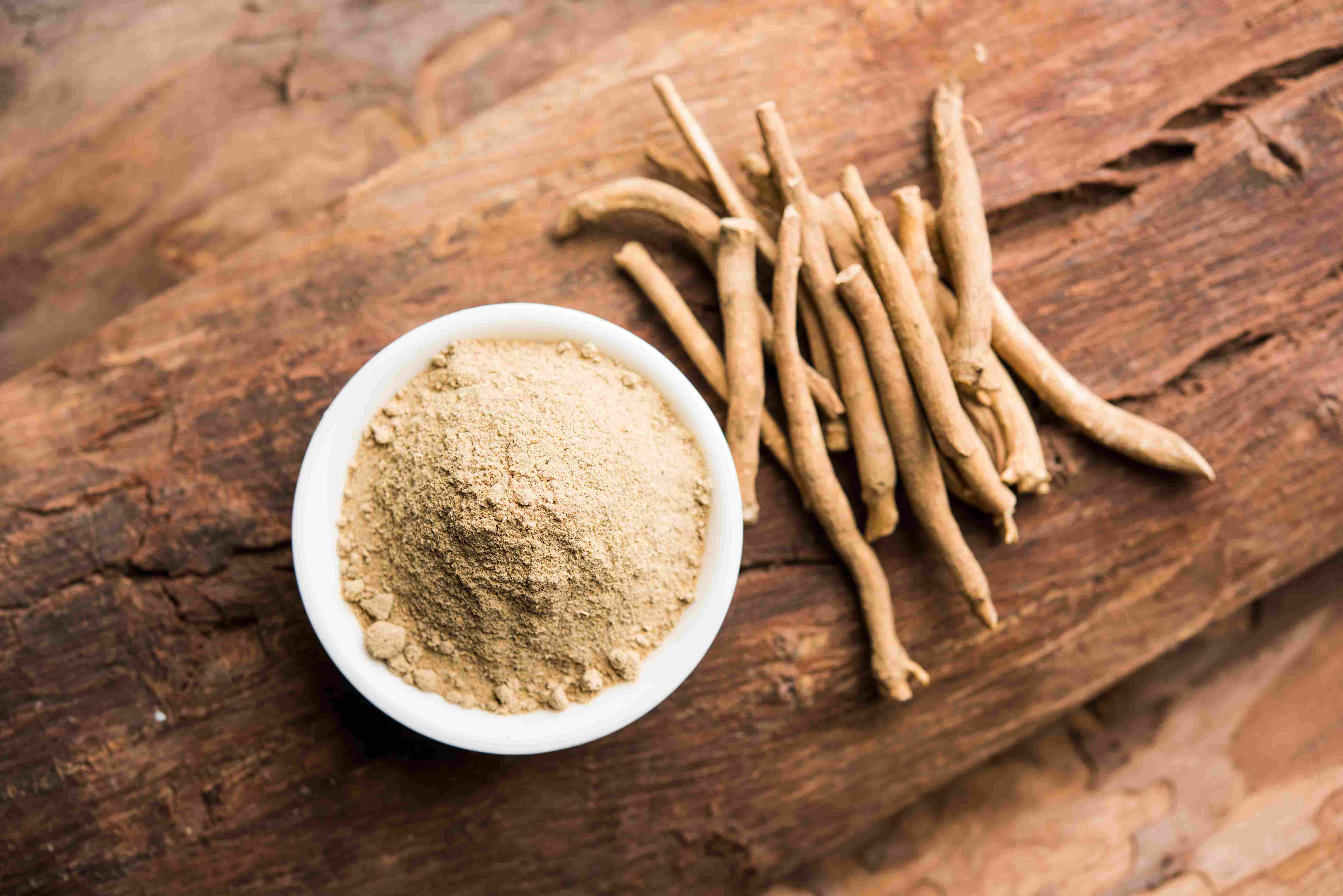
One reason is that different extracts can vary substantially in concentration and preparation. A 240 mg dose of a concentrated extract is not necessarily weaker than 600 mg of another product.
The NIH review of ashwagandha clinical studies includes standardized extract doses ranging from about 240 to 1,250 mg per day, along with much larger amounts of whole-root preparations.
What did individual trials use?
Examples from human research include:
- 240 mg/day of Shoden
- 500 mg/day of root extract with 5 mg piperine
- 600 mg/day of a concentrated root extract
- 1,000 mg/day of root extract used alongside SSRIs in a small generalized anxiety disorder trial
Those amounts belong to specific products and study designs. They should not be treated as universal dosing instructions.
One 2023 placebo-controlled trial used 500 mg of root extract with 5 mg piperine once nightly for 60 days. Because piperine was part of the intervention, the result applies to that particular combination rather than ashwagandha alone.
That is also why how ashwagandha and black pepper differ matters when comparing combination products with standalone extracts.
Why standardized extracts matter
Names such as KSM-66, Shoden, and Sensoril refer to different standardized ashwagandha preparations.
They can differ in the part of the plant used, concentration, standardization, and the doses tested in human studies. That means their milligram amounts should not be compared as though they are interchangeable.
A named extract makes it easier to connect what is on a product label with the research behind it. The Harmonia Cortisol Cocktail uses KSM-66 ashwagandha in a caffeine-free formula, so research using KSM-66 is the closest match when looking specifically at that ingredient.
Does ashwagandha make you sleepy?
It can.
Some people notice drowsiness after taking ashwagandha, while others can use it during the day without feeling sleepy.
Current NCCIH safety guidance lists drowsiness as a possible short-term effect.
If a product consistently makes you sleepy, taking it later in the day may be more practical, as long as that fits the product's serving directions.

Feeling sleepy and sleeping better are not the same thing
Drowsiness is an immediate side effect or tolerability issue.
Sleep research looks at different outcomes, such as how quickly someone falls asleep, how long they sleep, how often they wake, and how rested they feel after regular use.
The evidence on whether ashwagandha makes you sleepy explains that distinction in more detail.
For someone using ashwagandha because stress or anxiety makes it difficult to wind down, both questions may matter.
Morning or night: when should you take it?
Research has not established one best time of day for anxiety.
Some studies used once-nightly dosing, while others divided the dose across the day.
If ashwagandha makes you drowsy, evening may feel more comfortable. If it does not, timing may matter less. The instructions for the specific extract remain more useful than a universal morning-versus-night rule.
Ashwagandha safety and side effects
Ashwagandha is generally well tolerated by many adults in short-term studies.
Possible side effects include:
- drowsiness
- stomach upset
- diarrhea
- vomiting
Medication interactions and health conditions
The NCCIH ashwagandha safety guidance advises avoiding ashwagandha during pregnancy and breastfeeding.
Extra caution is also recommended for people with thyroid or autoimmune conditions, around surgery, and when taking medications that affect:
- sedation
- blood sugar
- blood pressure
- seizures
- immune function
- thyroid hormone levels
Direct studies of specific combinations, such as ashwagandha with alprazolam or amphetamine/dextroamphetamine, are limited. If you take prescription medication, a clinician or pharmacist can assess the exact combination rather than relying on a general online interaction list.
Liver and thyroid considerations
Rare liver-related reactions have been reported.
A 2026 scoping review of reported liver injury identified 25 patients across 13 reports or case series. Most recovered after stopping the supplement and receiving supportive care.
These reports do not tell us how frequently liver injury occurs among everyone who uses ashwagandha, but they are still worth knowing about.
Ashwagandha may also affect thyroid hormone levels. People with thyroid conditions or those taking thyroid medication should discuss regular use with their clinician. The same applies to people with significant liver disease.
Do you need to cycle ashwagandha?
There is no established requirement to cycle ashwagandha on and off.
Many clinical studies use it every day for several weeks. Research has not shown that a specific pattern, such as taking it for several weeks and then stopping for a fixed period, is necessary for effectiveness or safety.
If you plan to use it regularly, the exact extract, serving amount, medications, and your health history matter more than following a generic cycling schedule found online.
Where ashwagandha fits in Harmonia

Ashwagandha has a clear role in Harmonia: helping support the body's response to ongoing stress.
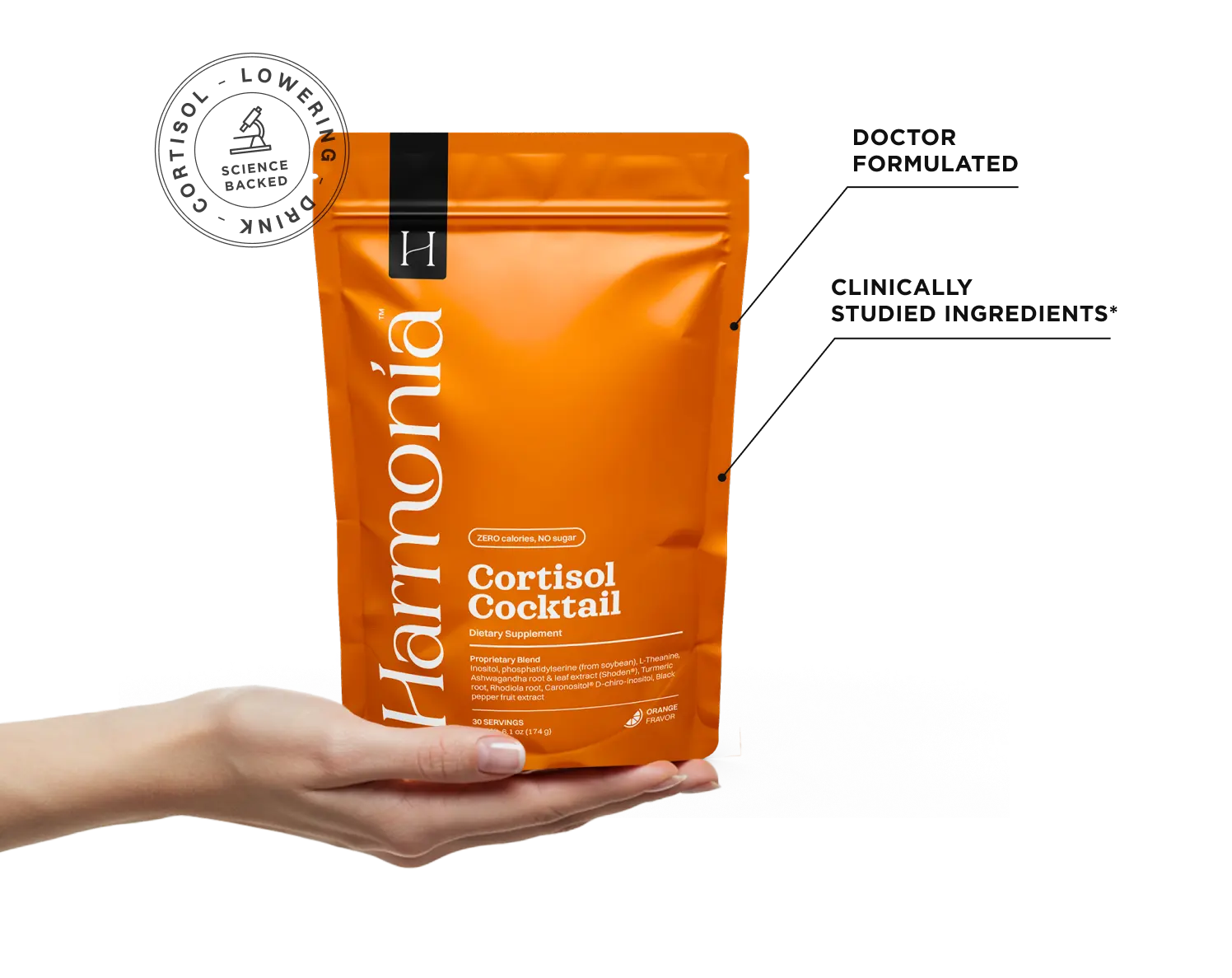
The Harmonia Cortisol Cocktail uses KSM-66 ashwagandha, a standardized root extract with human research behind its role in stress support. That makes it particularly relevant when worry, tension, poor sleep, or difficulty winding down seem closely connected to everyday stress.
Ashwagandha is not the only ingredient in the formula. The Harmonia Cortisol Cocktail ingredient list also includes L-theanine for calm focus, Rhodiola rosea for stress-related fatigue, magnesium for normal nervous-system function, phosphatidylserine for stress-response and cognitive support, and inositols involved in insulin and hormone signaling.
The idea is to support the broader stress picture rather than treat anxiety as one isolated symptom. KSM-66 provides the multi-week ashwagandha-based stress support, while the surrounding ingredients address other ways ongoing stress can affect focus, energy, and day-to-day functioning.
The bottom line
Ashwagandha may help reduce anxiety symptoms, particularly when those symptoms overlap with ongoing stress.
The best evidence comes from standardized extracts used regularly for several weeks. Multiple randomized trials and meta-analyses have found improvements in anxiety or stress scores, although the exact benefit varies by extract, dose, and population.
It is better thought of as gradual stress support than as an immediate anxiety treatment, and it should not replace appropriate care for panic attacks, severe anxiety, or an anxiety disorder.
For women looking for KSM-66 within a broader caffeine-free stress-support formula, the Harmonia Cortisol Cocktail combines it with ingredients selected for calm focus, stress-related fatigue, nervous-system support, and related stress-response pathways.
If stress keeps showing up in your sleep, focus, energy, or day-to-day routine, you can take the Harmonia quiz to see whether the Cortisol Cocktail fits what you are experiencing.
Frequently asked questions
Does ashwagandha work for panic attacks?
No good clinical evidence shows that ashwagandha can stop an active panic attack. The positive research uses regular supplementation over several weeks rather than one dose taken during sudden panic symptoms.
Can ashwagandha make anxiety worse?
Worsening anxiety is not established as a common, predictable effect in current federal safety guidance. If you notice new or stronger anxiety after starting a supplement, review the product, amount, other medicines, caffeine or stimulants, sleep, and possible medical causes with a clinician or pharmacist.
Is ashwagandha or L-theanine better for anxiety?
There is no good head-to-head evidence showing that one is universally better. Ashwagandha has more multi-week research around stress physiology and anxiety scales, while L-theanine is usually studied through different stress, relaxation, and attention outcomes.
How long does ashwagandha take to work for anxiety?
Most human trials assess changes after several weeks of regular use, often around 6 to 8 weeks. Some studies measured earlier improvement, but the evidence does not establish one exact onset time for every extract or person.
Can women take ashwagandha?
Many women can take ashwagandha, and women are included in mixed-sex stress and anxiety trials. Current guidance advises avoiding it during pregnancy and breastfeeding and recommends medical guidance for thyroid or autoimmune conditions and certain medication combinations.
Can you take ashwagandha every day?
Daily use is common in clinical trials, which typically follow participants for several weeks. Whether ongoing daily use fits you depends on the exact extract, serving amount, medications, and health history.
Do you need to cycle ashwagandha?
Research has not established a required cycling schedule. Fixed on-and-off routines are common online, but clinical evidence does not show that one specific pattern is necessary for benefit or tolerability.
References
- National Institutes of Health, Office of Dietary Supplements. Ashwagandha: Is it helpful for stress, anxiety, or sleep? Health Professional Fact Sheet. Accessed August 2026. Link
- National Center for Complementary and Integrative Health. Ashwagandha: Usefulness and Safety. Updated 2026. Link
- National Institute of Mental Health. Anxiety Disorders. Link
- Arumugam V, Vijayakumar V, Balakrishnan A, et al. (2024). Effects of Ashwagandha (Withania somnifera) on stress and anxiety: A systematic review and meta-analysis. Explore. 20(6):103062. Link
- Akhgarjand C, Asoudeh F, Bagheri A, et al. (2022). Does Ashwagandha supplementation have a beneficial effect on the management of anxiety and stress? A systematic review and meta-analysis of randomized controlled trials. Phytotherapy Research. 36(11):4115-4124. Link
- Alsanie SA, Alhodieb FS, Askarpour M. (2026). Effects of ashwagandha (Withania somnifera) on mental health in adults: A systematic review and dose-response meta-analysis of randomized controlled trials. Complementary Therapies in Medicine. 97:103325. Link
- Chandrasekhar K, Kapoor J, Anishetty S. (2012). A prospective, randomized double-blind, placebo-controlled study of safety and efficacy of a high-concentration full-spectrum extract of ashwagandha root in reducing stress and anxiety in adults. Indian Journal of Psychological Medicine. 34(3):255-262. Link
- Lopresti AL, Smith SJ, Malvi H, Kodgule R. (2019). An investigation into the stress-relieving and pharmacological actions of an ashwagandha extract: A randomized, double-blind, placebo-controlled study. Medicine. 98(37):e17186. Link
- Majeed M, Nagabhushanam K, Mundkur L. (2023). A standardized Ashwagandha root extract alleviates stress, anxiety, and improves quality of life in healthy adults by modulating stress hormones: Results from a randomized, double-blind, placebo-controlled study. Medicine. 102(41):e35521. Link
- Fuladi S, Emami SA, Mohammadpour AH, Karimani A, Manteghi AA, Sahebkar A. (2021). Assessment of the efficacy of Withania somnifera root extract in patients with generalized anxiety disorder: A randomized double-blind placebo-controlled trial. Current Reviews in Clinical and Experimental Pharmacology. 16(2):191-196. Link
- McIntyre D, Nguyen P, Kim Y, Meyer B, Salloum M. (2026). Ashwagandha (Withania somnifera)-associated liver injury: A scoping review of clinical characteristics and safety considerations. Cureus. 18(5):e109764. Link