Black coffee has long been promoted as a simple, low-calorie tool for weight loss. It’s inexpensive, widely available, and often praised for its metabolism-boosting effects.
Many people drink it first thing in the morning hoping it will help burn fat, suppress appetite, or accelerate results. But does black coffee for weight loss truly work - or is it just a short-term stimulant masking deeper metabolic issues?
The reality is more nuanced. Black coffee can support certain aspects of fat loss, particularly energy and performance. However, it does not directly cause weight loss on its own.
Sustainable progress depends on sleep quality, stress regulation, insulin sensitivity, calorie balance, and overall metabolic health.
Why Is Black Coffee So Popular for Weight Loss?
Low-Calorie and Appetite-Suppressing
One reason coffee for weight loss is so popular is simple: black coffee contains almost zero calories. Unlike sugary lattes or flavored drinks, plain coffee won’t significantly impact your daily calorie intake.
Replacing high-calorie beverages with black coffee can reduce overall caloric consumption. For some people, this swap alone contributes to gradual weight loss. Over weeks and months, small daily calorie reductions compound into measurable results.
Caffeine may also temporarily suppress appetite. Some individuals report feeling less hungry after drinking coffee, especially in the morning. This is partly due to caffeine’s effect on appetite-regulating hormones and the nervous system.
However, appetite suppression is typically short-lived. Once caffeine levels drop, hunger may return - sometimes more intensely than before.
Caffeine and Metabolic Boost
Caffeine is a stimulant that increases alertness and activates the central nervous system. When consumed, it triggers the release of adrenaline, which prepares the body for activity.
This stimulation can slightly increase thermogenesis - the process by which your body burns calories to produce heat. Studies suggest caffeine may raise metabolic rate by 3–11% for a few hours after consumption.
Coffee can also enhance exercise performance. Improved endurance and energy may lead to more effective workouts, which indirectly supports weight loss.
That said, these metabolic boosts are modest and temporary. The body builds tolerance to caffeine over time, reducing its fat-burning effects.
How Black Coffee Affects Your Metabolism

Caffeine and Fat Oxidation
When you drink black coffee, caffeine stimulates adrenaline release. Adrenaline signals fat cells to break down stored fat into free fatty acids. This process is called lipolysis.
On the surface, this sounds like direct fat burning. However, releasing fat from fat cells is not the same as losing fat. Those fatty acids must be burned through physical activity or calorie deficit; otherwise, they can be re-stored.
In active individuals, caffeine before exercise may increase fat oxidation during workouts. In sedentary individuals, the impact is significantly smaller.
Caffeine’s fat-mobilizing effect works best when combined with:
- Strength training
- Moderate cardiovascular exercise
- A balanced calorie intake
Without these, black coffee weight loss results tend to be minimal.
Temporary Increase in Energy Expenditure
Caffeine increases energy expenditure by stimulating the sympathetic nervous system. This leads to a temporary rise in heart rate and metabolic rate.
The increase is most noticeable in people who do not regularly consume caffeine. Regular coffee drinkers often develop tolerance, meaning the metabolic impact decreases over time.
This is one reason relying solely on black coffee for weight loss often leads to diminishing returns. What works in the first few weeks may not produce the same effect months later.
Long-term fat loss requires consistent habits - not temporary metabolic spikes.
Blood Sugar and Insulin Response
Coffee’s impact on blood sugar is complex. In some individuals, caffeine may slightly increase blood glucose levels, especially when consumed on an empty stomach.
For people with stable insulin sensitivity, this effect is usually minor. However, individuals with insulin resistance may experience more noticeable blood sugar fluctuations.
These fluctuations can:
- Increase cravings
- Trigger energy crashes
- Lead to overeating later in the day
Stable blood sugar regulation plays a significant role in sustainable weight loss. Coffee alone cannot correct insulin imbalances.
Does Black Coffee Actually Lead to Weight Loss?
Black coffee can support weight loss indirectly, but it does not cause it.
Weight loss ultimately depends on maintaining a calorie deficit while preserving muscle mass and supporting metabolic health.
Many people misinterpret short-term water loss or appetite suppression as long-term fat loss. Over time, without foundational lifestyle changes, progress often stalls.
The Hidden Side of Black Coffee for Weight Loss
Caffeine stimulates the release of cortisol - the body’s primary stress hormone. Cortisol plays an important role in regulating energy and alertness. In moderation, this response is normal and healthy.
However, chronically elevated cortisol levels can interfere with weight loss. High cortisol can:
- Increase abdominal fat storage
- Trigger carb cravings
- Disrupt sleep quality
- Elevate anxiety
- Increase emotional eating
When someone relies heavily on caffeine to compensate for fatigue or stress, cortisol may remain elevated throughout the day.
Over time, high cortisol can interfere with weight loss, especially around the midsection.
Coffee, Stress, and Hormonal Balance
Weight loss is not just about calories. Hormones regulate hunger, metabolism, fat storage, and energy.
Chronic stress elevates cortisol. Elevated cortisol impacts insulin sensitivity, sleep cycles, and appetite hormones like ghrelin and leptin.
If someone drinks multiple cups of black coffee daily while already under stress, the added stimulation may amplify hormonal imbalance.
This does not mean coffee is harmful for everyone. But individuals who experience:
- Anxiety after caffeine
- Afternoon crashes
- Sleep disturbances
- Persistent belly fat despite dieting
may benefit from addressing stress regulation alongside dietary changes.
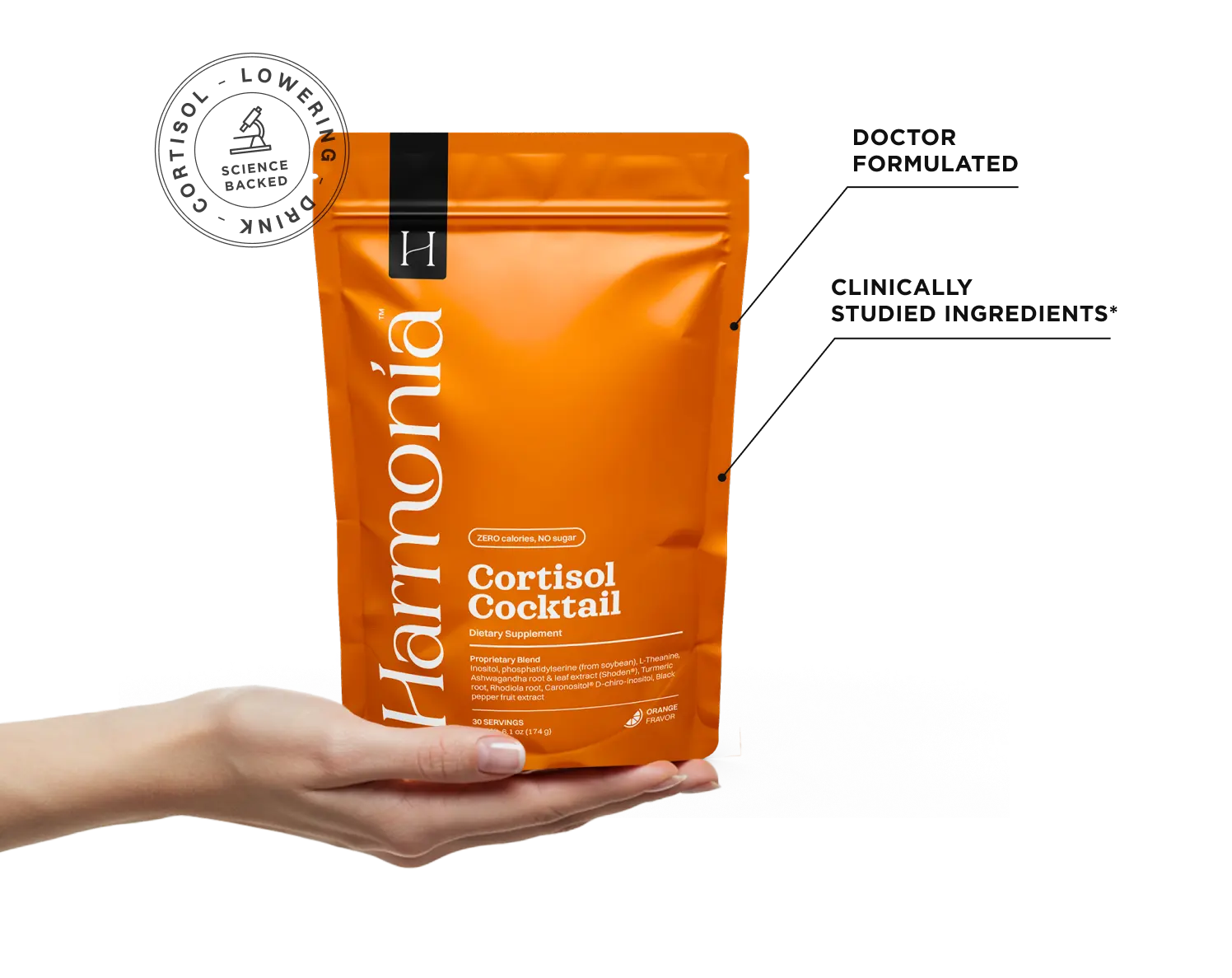
Supporting cortisol balance can have a deeper metabolic impact than increasing caffeine intake. Harmonia’s Cortisol Cocktail combines ingredients studied for their role in stress resilience, insulin support, and sleep quality - all critical factors influencing sustainable weight loss.
When Black Coffee Helps - And When It Backfires

Black Coffee May Help If
- You sleep 7–9 hours consistently
- You tolerate caffeine well
- You use it strategically before workouts
- You do not rely on it to mask fatigue
- You maintain stable blood sugar
In these cases, black coffee can be a useful tool. It enhances performance, improves focus, and supports calorie control when used intentionally.
Black Coffee May Backfire If
- You drink it to push through exhaustion
- You experience anxiety or jitteriness
- You struggle with emotional eating
- You have high stress levels
- You notice poor sleep after consumption
- You depend on multiple cups daily
In these situations, caffeine may increase stress load rather than support weight loss.
Some individuals notice that reducing caffeine improves sleep quality and stabilizes appetite, which in turn enhances fat loss consistency.
The Bigger Picture of Sustainable Weight Loss
Sustainable weight loss requires more than metabolic stimulation. It depends on:
- Calorie balance
- Muscle preservation
- Stable blood sugar
- Adequate sleep
- Hormonal regulation
- Stress management
Sleep plays a critical role. Poor sleep increases hunger hormones and reduces insulin sensitivity. Even a few nights of disrupted sleep can increase cravings for high-carb foods.
Stress management is equally important. Chronic stress shifts the body into a protective state where fat storage becomes more likely.
Nutritional balance matters as well. Protein intake supports muscle retention. Strength training improves insulin sensitivity. Consistent habits create compounding results.
While black coffee can fit into a weight loss plan, it should not be the primary strategy.

Final Verdict
Black coffee can support weight loss - but it is not a magic solution.
It may enhance workout performance, slightly boost metabolism, and reduce calorie intake when replacing sugary beverages. However, its effects are temporary and modest.
Overreliance on caffeine can elevate stress hormones, disrupt sleep, and increase cravings - all of which can undermine progress.
If you’re serious about sustainable weight loss, focus on:
- Consistent calorie balance
- Strength training
- High-quality sleep
- Blood sugar stability
- Stress regulation
Take the next step toward sustainable weight loss by supporting your metabolism from the inside out. Take the Harmonia quiz today and discover if cortisol support is right for you.
References
- dePaula, J., & Farah, A. (2019). Caffeine consumption through coffee: Content in the beverage, metabolism, health benefits and risks. Beverages, 5(2), 37. Link.