Intermittent fasting promises weight loss, improved metabolism, and better health. You started with enthusiasm, following a 16:8 schedule faithfully. However, instead of feeling energized, you experience anxiety, poor sleep, and stubborn weight that won't budge.
Your body might be responding to fasting as a stressor, elevating cortisol beyond healthy levels. This creates a frustrating paradox where the practice meant to improve health actually worsens hormonal balance.
Understanding cortisol and fasting helps you determine whether this eating pattern supports or sabotages your well-being. Research shows cortisol rises immediately after fasting begins and continues to increase during longer fasts. Multi-day fasting can significantly elevate cortisol levels.
Does fasting increase cortisol? Yes, especially in the short term. However, this doesn't mean fasting is inherently harmful or that you must abandon it entirely. Learning how to reduce cortisol while fasting allows you to gain benefits while minimizing stress hormone elevation.
Understanding Cortisol and Fasting
Cortisol serves as your body's primary stress hormone, regulating metabolism, blood sugar, inflammation, and your stress response. It follows a natural daily rhythm with levels peaking in the morning and declining throughout the day.
Fasting triggers cortisol release through multiple pathways. As blood glucose drops, your body perceives a potential energy shortage. The adrenal glands release cortisol to mobilize stored glucose and maintain blood sugar stability.
This represents normal, adaptive physiology in short bursts. Cortisol helps you access energy despite not eating. Problems arise when fasting duration or frequency creates chronic cortisol elevation that disrupts hormonal balance.
Does Fasting Increase Cortisol?
A systematic review found that fasting significantly increased serum cortisol levels across 13 studies involving 357 participants. This reflects activation of the body's stress response through the HPA axis.
The cortisol increase serves physiological purposes during fasting:
- Maintains blood glucose through gluconeogenesis
- Preserves muscle tissue by prioritizing fat burning
- Sharpens mental focus and alertness
- Mobilizes energy stores for cellular function
Does fasting raise cortisol? Yes, consistently across research. However, the magnitude and consequences depend on multiple factors including fasting duration, individual stress levels, sleep quality, and overall health status.
Understanding how long fasting windows and low blood sugar can trigger cortisol spikes helps you make informed decisions about fasting protocols.
How Fasting Affects Cortisol Rhythm

Beyond simply raising cortisol levels, fasting cortisol disrupts the natural daily pattern your body relies on. A clinical study found that 24-hour fasting changed cortisol rhythm, including earlier peak timing and approximately 11% higher amplitude.
This rhythm disruption matters significantly. Your body coordinates numerous processes around predictable cortisol fluctuations. When fasting shifts these patterns, it can affect:
- Sleep quality and circadian rhythm alignment
- Energy levels throughout the day
- Hunger and satiety hormone regulation
- Immune system function
- Mood stability and stress resilience
Short-term rhythm changes might not cause problems. Chronic disruption from excessive fasting potentially creates cumulative hormonal imbalance.
Does Fasting Lower Cortisol? The Nuanced Answer
You've likely encountered conflicting information about intermittent fasting and cortisol. Some sources claim fasting reduces stress hormones while others warn it increases them.
A systematic review of time-restricted eating found that cortisol shifts occur in all fasting protocols, but results are mixed and sometimes contradictory depending on timing and method.
Does fasting lower cortisol? Sometimes, depending on multiple variables:
When Fasting May Lower Cortisol
- After an adaptation period of several weeks
- With moderate fasting windows (12 to 14 hours)
- When combined with stress management practices
- In people with relatively low baseline stress
- When sleep quality remains high
- With proper nutrient timing around fasting periods
When Fasting Likely Raises Cortisol
- During initial weeks before adaptation
- With extended fasting windows (18+ hours)
- In already stressed or overtrained individuals
- When combined with calorie restriction
- With poor sleep quality or inadequate recovery
- In women during certain menstrual cycle phases
The key lies in implementing fasting thoughtfully rather than following rigid protocols regardless of individual response.
Who Should Avoid Fasting Due to Cortisol
Certain populations face higher risks of problematic cortisol elevation from intermittent fasting. These groups should approach fasting cautiously or avoid it entirely.
Women with Hormonal Imbalances
Female hormones interact closely with cortisol. Women with PCOS, thyroid disorders, or irregular menstrual cycles often experience worsened symptoms from fasting-induced cortisol elevation.
The stress of fasting can suppress ovulation, worsen PMS symptoms, and disrupt cycle regularity. Many women notice these effects disappear when they modify or eliminate fasting protocols.
People with High Baseline Stress
If you already experience chronic stress from work, relationships, or life circumstances, fasting adds another stressor. Your body cannot distinguish between fasting, emotional stress, and physical challenges.
Chronic high cortisol from multiple sources compounds health problems rather than solving them. Address primary stressors before adding fasting to your routine.
Those with Sleep Disturbances
Poor sleep elevates cortisol. Fasting also raises cortisol. Combining both creates excessive stress hormone burden that impairs health despite good intentions.
Prioritize sleep quality before implementing fasting. Once sleep improves consistently, you can experiment with time-restricted eating if desired.
Individuals with Eating Disorder History
Fasting can trigger disordered eating patterns in susceptible individuals. The rigid rules and food restriction may activate unhealthy relationships with eating.
If you have any eating disorder history, work with qualified healthcare providers before attempting fasting protocols. Your mental health takes priority over potential metabolic benefits.
How to Reduce Cortisol While Fasting

If you choose to continue fasting despite potential cortisol elevation, specific strategies minimize stress hormone spikes while preserving benefits.
Choose Appropriate Fasting Windows
Start with gentler protocols rather than aggressive approaches. A 12-hour overnight fast (7 PM to 7 AM) provides metabolic benefits without extreme stress.
Does intermittent fasting increase cortisol? Less so with moderate windows. Gradually extend fasting duration only if you feel well and show positive indicators like stable energy, good sleep, and regular cycles.
Avoid fasting windows exceeding 16 hours unless you have significant experience and monitor your response carefully. Longer fasts dramatically increase cortisol for most people.
Time Your Eating Window Strategically
Breaking your fast earlier in the day better aligns with natural cortisol rhythms. Eating between 7 AM and 3 PM supports circadian biology more than eating from noon to 8 PM.
Morning cortisol peaks normally to energize you for the day. Supporting this natural rhythm with food intake prevents excessive elevation. Late eating disrupts evening cortisol decline needed for quality sleep.
Experiment with different timing to find what feels best for your individual physiology. Track energy, sleep, mood, and other biomarkers rather than following arbitrary rules.
Prioritize Protein and Nutrient Density
When you eat, choose foods supporting stable blood sugar and providing nutrients for stress management. Understanding why stabilizing blood sugar is key to lowering cortisol naturally influences food selection.
Include adequate protein at each meal to prevent blood sugar crashes that spike cortisol. Aim for 25 to 30 grams per meal from quality sources.
Choose nutrient-dense whole foods over processed options. Vegetables, fruits, whole grains, healthy fats, and quality proteins provide vitamins and minerals needed for healthy stress response.
Avoid breaking your fast with refined carbohydrates or sugary foods. These create blood sugar swings that trigger additional cortisol release.
Manage Stress Through Other Channels
Since fasting acts as a physical stressor, minimize other stress sources during fasting periods. Practice daily stress management techniques to prevent cumulative cortisol elevation.
Meditation, deep breathing, gentle movement, time in nature, and adequate social connection all reduce cortisol. Even 10 minutes daily creates measurable improvements.
Consider whether fasting during high-stress periods makes sense. Taking breaks from fasting during particularly challenging life phases prevents overwhelming your stress response system.
Support Sleep Quality Religiously
Quality sleep becomes even more critical when fasting. Prioritize 7 to 9 hours nightly in a dark, cool room with consistent timing.
Avoid late-night eating, even within your eating window. Finish meals at least 3 hours before bed to support sleep quality and overnight cortisol regulation.
Consider sleep-supporting supplements like magnesium glycinate (300 to 400 mg) taken 1 to 2 hours before bed. This mineral calms the nervous system without causing morning grogginess.

Monitor Your Individual Response
Track biomarkers beyond just weight to assess how fasting affects you. Important indicators include:
- Energy levels throughout the day
- Sleep quality and feeling refreshed upon waking
- Menstrual cycle regularity and PMS symptoms
- Mood stability and stress resilience
- Digestive function and appetite cues
- Exercise performance and recovery
- Skin quality and hair health
If multiple indicators worsen despite following fasting protocols properly, the approach may not suit your physiology. No eating pattern works universally for everyone.
Alternatives to Aggressive Fasting
If extended fasting consistently elevates your cortisol problematically, gentler approaches might better support your goals.
Circadian-Aligned Eating
Simply aligning eating with daylight hours provides metabolic benefits without extreme restriction. Eat within a 12-hour window during daylight, finishing dinner by early evening.
This supports natural cortisol rhythms without triggering stress responses from prolonged fasting. Most people tolerate this approach well regardless of stress levels.
Regular Meal Timing
Eating at consistent times daily supports cortisol regulation even without fasting windows. Your body thrives on predictability and rhythm.
Three balanced meals at regular intervals prevents blood sugar crashes that spike cortisol. This stability often improves stress management better than fasting for some individuals.
Targeted Supplementation
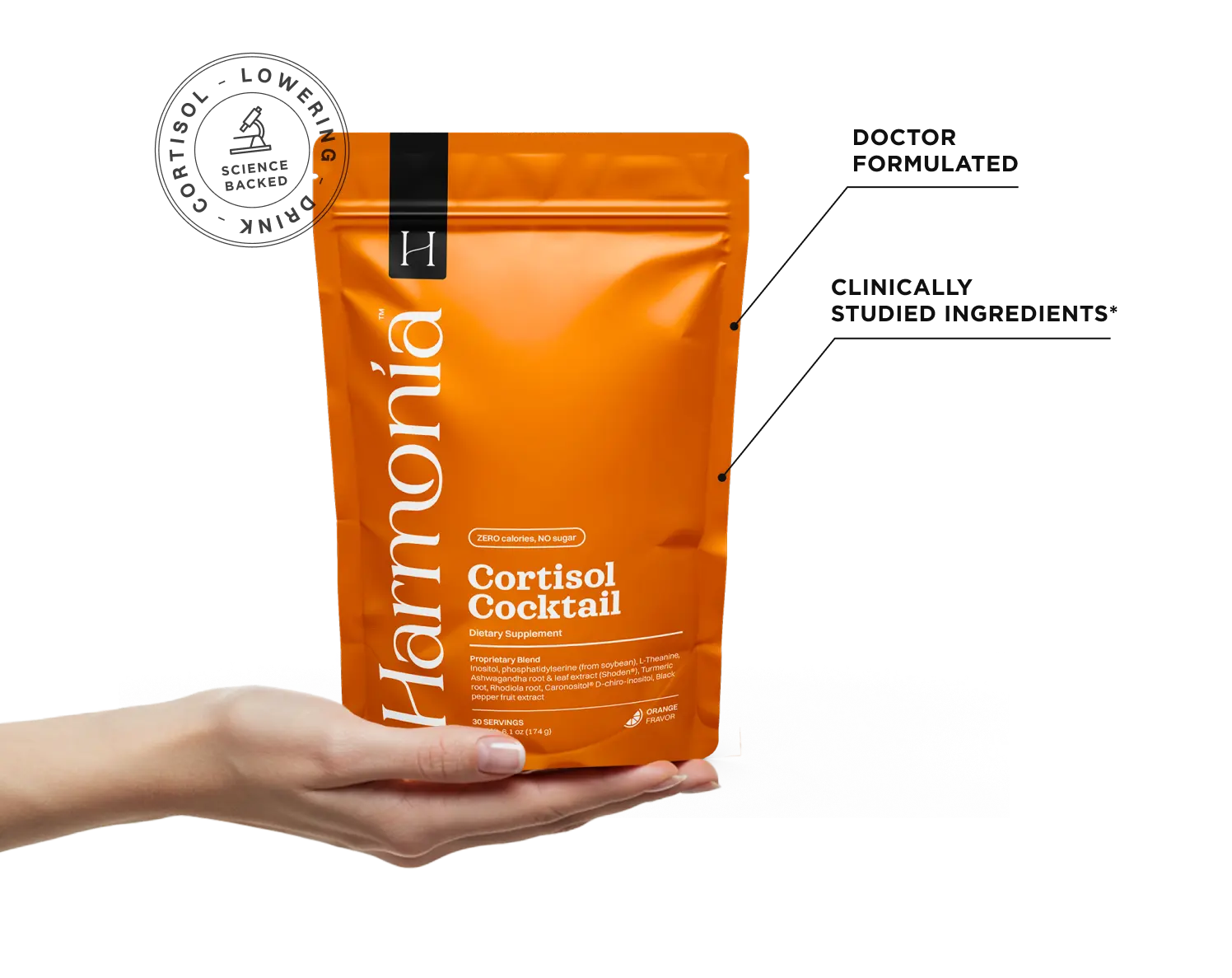
Harmonia is formulated to support healthy cortisol regulation through evidence-backed ingredients, making it particularly valuable for those managing stress while fasting.
The blend includes ashwagandha, clinically shown to reduce cortisol by up to 27–30% in stressed adults. This adaptogen helps your body manage the physical stress of fasting more effectively.
Rhodiola rosea builds stress resilience and prevents burnout from multiple stressors. L-theanine promotes calm focus without drowsiness. Magnesium supports nervous system function and sleep quality.
Myo-inositol and D-chiro inositol improve insulin sensitivity, addressing blood sugar regulation that fasting challenges. These compounds help stabilize glucose levels and reduce cortisol spikes from hypoglycemia.
By targeting stress-related pathways and providing comprehensive nutritional support, Harmonia helps people who choose to fast manage cortisol more effectively. When stress hormones stay balanced despite fasting, you're more likely to experience benefits without negative consequences.
Supporting healthy cortisol regulation while fasting requires consistency. A daily routine combining targeted supplementation with stress management, quality sleep, and strategic eating timing produces the best results.
Ready to support your body during fasting? Take the Harmonia quiz to discover if this formula fits your needs.
Conclusion
How to reduce cortisol while fasting involves strategic timing, adequate nutrition, stress management, quality sleep, and honest assessment of individual response. Fasting and cortisol share a complex relationship that varies significantly between individuals.
The key lies in approaching fasting as one tool among many rather than a rigid protocol everyone must follow. Listen to your body's signals. Prioritize overall wellbeing over adherence to trends.
If fasting consistently elevates cortisol beyond healthy levels despite modifications, gentler approaches may better support your goals. No single eating pattern works universally for everyone.
FAQs About Cortisol and Fasting
Does fasting increase cortisol?
Yes, does fasting increase cortisol is well-established in research. Fasting triggers cortisol release to maintain blood glucose and mobilize energy stores. A systematic review found fasting significantly increased cortisol levels across multiple studies. The elevation serves normal physiological purposes but can become problematic with excessive fasting duration or frequency.
Does intermittent fasting raise cortisol levels?
Does intermittent fasting increase cortisol? Yes, particularly during initial adaptation and with longer fasting windows. However, moderate time-restricted eating (12 to 14 hours) typically causes less cortisol elevation than extended fasts. Individual responses vary based on baseline stress, sleep quality, and overall health status.
Does fasting lower cortisol over time?
Does fasting lower cortisol in the long term? Results are mixed. Some research shows cortisol normalizes after adaptation periods, while other studies demonstrate persistent elevation. Factors influencing outcomes include fasting duration, timing, individual stress levels, and sleep quality. Well-timed moderate fasting may support cortisol balance in some people.
How can I reduce cortisol while fasting?
How to reduce cortisol while fasting involves choosing moderate fasting windows (12 to 14 hours), timing eating earlier in the day, prioritizing protein and nutrient density, managing stress through meditation and relaxation techniques, supporting quality sleep, staying hydrated, and monitoring individual response. Consider cyclical fasting rather than daily restriction.
Should women fast if they have high cortisol?
Women with already elevated cortisol from chronic stress, hormonal imbalances, or poor sleep should approach fasting cautiously. Fasting cortisol elevation compounds existing problems for many women, disrupting menstrual cycles and worsening symptoms. Address primary stressors before adding fasting. Some women do better with regular meal timing.
What's the best fasting schedule for cortisol management?
The best intermittent fasting cortisol management approach uses moderate windows (12 to 14 hours), earlier eating times (finishing by early evening), and cyclical patterns (fasting 3 to 5 days weekly rather than daily). Align fasting with circadian rhythms and, for women, consider menstrual cycle phases. Individual response varies significantly.