_11zon.jpeg)

If you have been doing everything right and the scale still will not budge, you are not imagining things. Weight loss after menopause is genuinely harder than it was in your 30s, and the reasons are biological, not a matter of willpower.
Understanding what changed inside your body is the first step to working with your hormones instead of against them.
This article breaks down why menopause weight gain happens, what the research says about reversing it, and practical weight loss tips you can start applying today. Whether you are newly postmenopausal or have been struggling for years, there is a clear path forward.
Why Weight Loss After Menopause Is Different
The hormonal changes of menopause do not just affect your cycle. They reshape your entire metabolism.
Estrogen levels drop from roughly 100 to 250 pg/mL during reproductive years to around 10 pg/mL after menopause, and that decline has wide-reaching metabolic consequences.
Studies confirm that estrogen deficiency and fat storage are directly linked, shifting fat accumulation from the hips and thighs toward the abdomen.
This central fat pattern is metabolically more dangerous than surface fat and is linked to higher rates of insulin resistance, cardiovascular disease, and metabolic syndrome.
At the same time, the loss of estrogen reduces lean muscle mass and lowers the rate at which your body burns calories at rest.
Because muscle tissue burns roughly three times more calories than fat at rest, losing it means you need fewer calories to maintain your weight, even before any lifestyle changes.
The result is a shrinking caloric margin that makes both weight gain easier and weight loss harder.
The Role of Cortisol in Menopausal Weight Gain
_11zon.jpeg)
Cortisol raises blood sugar during stress, triggering insulin release. With chronic elevation, this leads to insulin resistance and increased fat storage, particularly around the abdomen.
This is what sits behind the pattern of cortisol-driven belly fat, where weight becomes resistant to typical approaches like calorie restriction alone.
Cortisol also breaks down muscle tissue for energy and disrupts appetite-regulating hormones, increasing cravings for sugar and refined carbohydrates while slowing metabolism.
Sleep disruption, hot flashes, and night sweats compound the problem. Poor sleep raises the hunger hormone and suppresses the satiety signal, which means menopause-related sleep issues directly increase appetite and caloric intake.
Managing sleep is not optional during this phase of weight management.
The Best Diet for Weight Loss After Menopause
There is no single best diet for weight loss that works universally, but the research does point to a few consistent principles that are especially effective for postmenopausal women.
These center on managing insulin, preserving muscle, and supporting hormonal health through food.
Prioritize Protein at Every Meal
Dietary protein is the most important macronutrient for postmenopausal women aiming to lose fat while preserving muscle. Aim for at least 25 to 30 grams of protein per meal from sources like eggs, fish, poultry, Greek yogurt, legumes, and lean meat.
Higher protein intake increases satiety, raises the energy cost of digestion, and signals the body to preserve lean mass during a caloric deficit.
Many people focusing on weight loss focus heavily on reducing calories without thinking about protein distribution. Losing muscle while losing fat slows metabolism further, making long-term maintenance harder.
Reduce Refined Carbohydrates and Added Sugar
As insulin sensitivity declines after menopause, refined carbohydrates and added sugar can lead to sharper blood sugar spikes and increased fat storage.
Shifting toward fiber-rich vegetables, legumes, and whole grains helps stabilize blood sugar, reduce cravings, and support overall metabolic function.
If you find yourself regularly reaching for sweets or starchy foods, it may not be just a habit. Hormonal shifts, particularly elevated cortisol, drive these patterns.
Understanding why carb cravings intensify after menopause offers deeper insight into the underlying signals influencing hunger and energy regulation.
Consider a Mediterranean or Whole-Foods Pattern
The Mediterranean diet consistently performs well in studies of postmenopausal women. Its emphasis on olive oil, fatty fish, vegetables, fruits, legumes, and nuts supports heart health, reduces inflammation, and provides plant compounds that may gently support hormonal balance.
It is also sustainable long-term, which matters because maintenance is the real challenge after menopause.
Exercise Strategies That Actually Work After Menopause

Exercise is the most effective non-hormonal intervention available for menopause weight loss. Research shows that exercise offsets the metabolic effects of estrogen loss, including reduced deep belly fat, improved insulin sensitivity, and better energy efficiency in fat cells.
Strength Training Is Non-Negotiable
Resistance training is the highest-priority exercise for women after menopause. Lifting weights or using resistance bands 2 to 3 times per week builds and preserves lean muscle mass, which in turn raises your resting metabolic rate.
More muscle means more calories burned at rest every single day, creating a sustainable metabolic advantage that cardio alone cannot provide.
Research on postmenopausal women shows that resistance training reduces visceral fat even without significant changes in total body weight, and improves insulin sensitivity, bone density, and balance. Begin with compound movements like squats, rows, and pressing patterns, and increase resistance progressively over time.
Cardio: Walking and Zone 2 Training
You do not need intense cardio to lose belly fat after menopause. Moderate-intensity, steady-state exercise such as brisk walking, cycling, or swimming can be highly effective for reducing visceral fat and improving cardiovascular health. Aim for 150 to 200 minutes per week of consistent movement.
The debate around walking versus running for weight loss comes down to what best supports your energy levels, recovery, and long-term consistency. Both are effective when done regularly.
Do Not Overlook Daily Movement
The calories burned through fidgeting, standing, and incidental movement throughout the day, known as NEAT, can account for 300 to 500 calories per day. Studies on menopausal women show a measurable drop in spontaneous activity that contributes to weight gain independent of formal exercise.
Standing desks, walking meetings, and taking stairs all add up significantly over time.

Sleep, Stress, and Hormonal Weight Loss
Two factors that often go overlooked in weight loss tips for menopausal women are sleep quality and chronic stress. Both have direct hormonal effects on appetite, fat storage, and energy regulation.
Sleep and Its Direct Impact on Weight
Chronic sleep deprivation raises the hunger hormone, lowers the satiety signal, increases cortisol, and promotes cravings for high-calorie foods. Research directly links poor sleep to menopausal weight gain during the menopausal transition.
Prioritize 7 to 9 hours of sleep by keeping a consistent schedule, cooling your bedroom, limiting screen exposure before bed, and addressing night sweats if they are disrupting your rest.
Even modest sleep improvements tend to reduce cravings and improve daytime energy within days.
Managing Stress for Hormonal Balance
Elevated cortisol from chronic stress is one of the most underestimated contributors to postmenopausal weight gain. High cortisol suppresses thyroid function, disrupts blood sugar regulation, and signals the body to store fat in the abdominal region.
Stress management is a metabolic intervention, not just a wellness recommendation.
Evidence-based practices include daily mindfulness, gentle yoga, somatic breathwork, time outdoors, and setting consistent boundaries around your schedule.
Recognizing the physical signs of cortisol imbalance can help you understand how your body is responding to stress and where support may be needed.
Reducing caffeine, especially in the afternoon, can also lower cortisol reactivity and improve sleep quality simultaneously. Many women in midlife are surprised by how much cutting afternoon coffee improves their sleep and reduces belly fat over time.
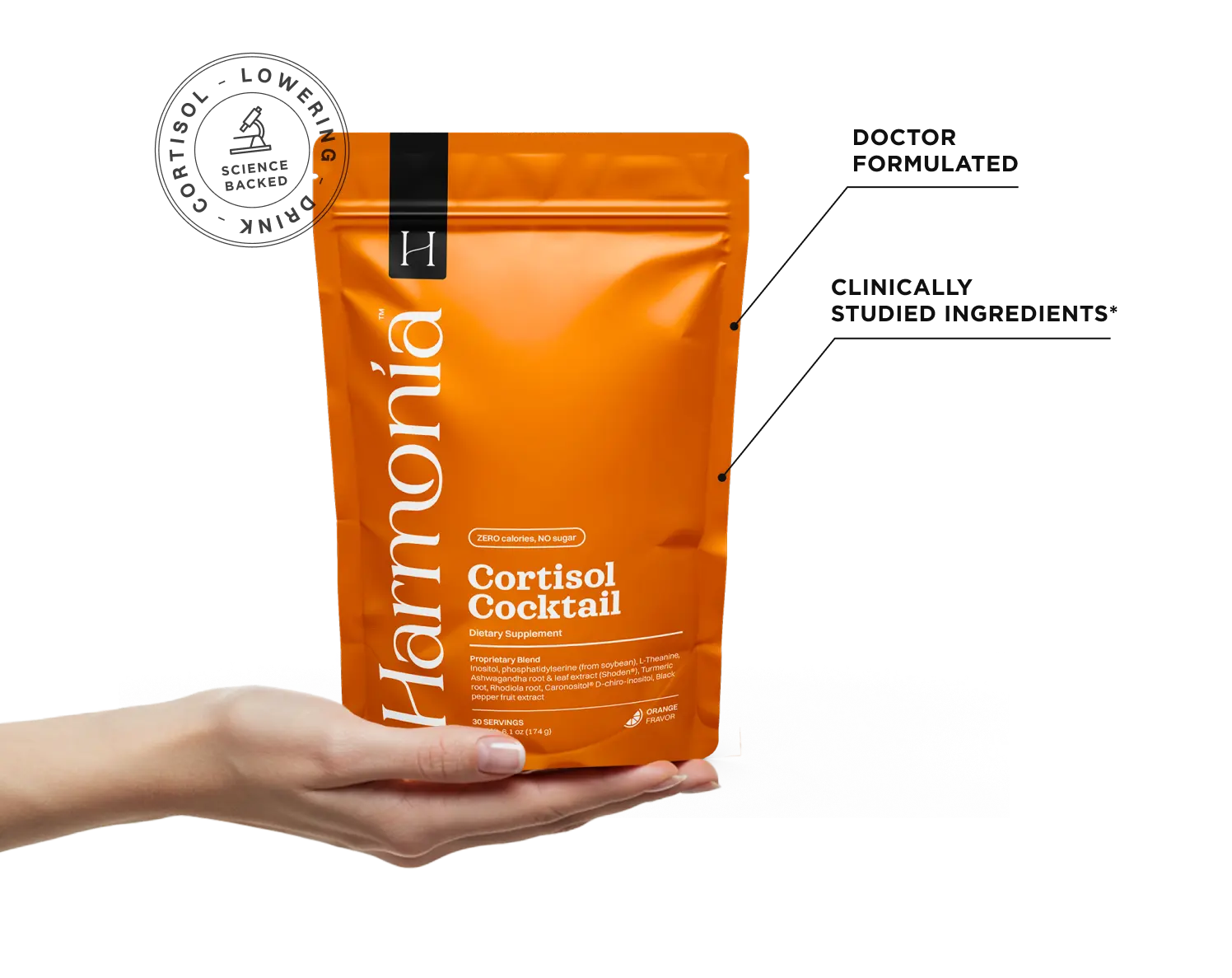
For women finding it difficult to consistently manage cortisol through lifestyle changes alone, the Harmonia Cortisol Cocktail is a daily cortisol support drink that combines adaptogens and cortisol-regulating nutrients to support the stress response as part of a broader weight management strategy.
Supplements and Natural Support for Menopause Weight Loss

While no supplement replaces a consistent diet and exercise approach, several evidence-backed compounds may provide meaningful support during the hormonal transition of menopause.
These work through different pathways, including reducing cortisol, supporting insulin sensitivity, and easing symptoms that make lifestyle changes harder to sustain.
Magnesium supports cortisol regulation and sleep quality. Adaptogens like Ashwagandha and Rhodiola Rosea help buffer the stress response and may reduce cortisol-driven fat accumulation.
L-Theanine can ease anxiety-related cortisol spikes without sedation. Myo-Inositol shows particular promise for women with insulin resistance or PCOS-like metabolic patterns post-menopause.
The Harmonia Cortisol Cocktail is a daily drink designed to address the hormonal and cortisol-related drivers of weight gain that become especially prominent after menopause.
By combining adaptogens, cortisol-regulating nutrients, and metabolic support, it targets the biological root causes that make menopause weight loss so difficult to achieve through diet and exercise alone. Taking the Harmonia cortisol quiz can help you understand your personal stress-hormone picture before starting any new supplement routine.
Consistency, Not Perfection: Keeping the Weight Off
Losing weight is one challenge; keeping it off is another. Research on postmenopausal women shows that weight is often regained within 12 months of completing an intervention if behavioral habits are not maintained. The strategies that work long-term share several common features.
- Regular resistance training 2 to 3 times per week maintained year-round, not just during active weight loss phases
- High-protein meals that prevent muscle loss and keep hunger manageable throughout the day
- Consistent sleep schedule that supports hormonal regulation and limits appetite dysregulation
- Stress management practices that prevent cortisol from undermining caloric balance
- Flexible dietary pattern like Mediterranean eating that is enjoyable and sustainable without rigid restriction
Sustainability matters far more than intensity when it comes to weight loss for women after menopause. Small, consistent actions compound over months and years into meaningful changes in body composition and metabolic health.
Conclusion
Losing weight after menopause requires a different approach than earlier in life. The drop in estrogen alters fat distribution, slows metabolism, and increases the influence of stress hormones on the body.
But the research is clear: consistent resistance training, a high-protein whole-food diet, quality sleep, and cortisol management can meaningfully reverse these effects.
The goal is not to fight your body but to understand what changed and adapt accordingly. With the right strategy, postmenopausal weight loss is absolutely achievable, and more importantly, it can be maintained for the long term.
Take the Harmonia quiz to see how it can support your weight loss efforts after menopause and help get your hormones working with you again.
Frequently Asked Questions
Why is it so hard to lose weight after menopause?
The drop in estrogen after menopause shifts fat storage to the abdomen, reduces muscle mass, lowers the rate at which your body burns calories at rest, and increases the influence of cortisol.
These changes together make weight loss significantly harder than at earlier life stages.
What is the best diet for weight loss after menopause?
A high-protein, whole-foods diet based on Mediterranean principles works well for most postmenopausal women. Prioritize protein at every meal, reduce refined carbohydrates and sugar, and focus on nutrient-dense foods that support hormonal and metabolic health.
Does exercise actually help with menopause weight loss?
Yes. Strength training is the most impactful form of exercise for postmenopausal women because it rebuilds lean muscle and raises resting metabolism. Pairing resistance training with moderate cardio and daily movement provides the best overall result.
How does cortisol affect weight gain after menopause?
After menopause, the protective effect of estrogen on cortisol diminishes. Chronically elevated cortisol promotes belly fat storage, disrupts blood sugar regulation, and drives carbohydrate cravings.
Managing stress is therefore a direct metabolic strategy, not just a wellness recommendation.
Can supplements help with menopause weight loss?
Certain supplements, including adaptogens, magnesium, myo-inositol, and L-theanine, can support the hormonal and metabolic factors driving weight gain after menopause.
They work best as part of a comprehensive lifestyle approach that includes diet, exercise, and stress management.
How long does it take to lose weight after menopause?
Most postmenopausal women can expect to see meaningful changes in body composition within 8 to 12 weeks of consistent dietary changes, resistance training, and cortisol management.
Full results including fat loss and improved metabolic markers typically emerge over 3 to 6 months with sustained habits.
References
- Lizcano F, Guzman G. 2014. Estrogen Deficiency and the Origin of Obesity during Menopause. BioMed Research International. Link
- Huh JY, et al. 2021. Adipocyte Metabolism and Health after the Menopause: The Role of Exercise. Nutrients. Link
- Marlatt KL, et al. 2021. Weight, Shape, and Body Composition Changes at Menopause. Journal of Midlife Health. Link
- Nunes P. R. P., et al. 2016. Effect of Resistance Training on Muscular Strength and Indicators of Abdominal Adiposity, Metabolic Risk, and Inflammation in Postmenopausal Women. Link