When it comes to walking vs running for weight loss, most people assume the answer is obvious: run harder, burn more calories, lose more fat. On paper, that sounds logical. In practice, it’s more nuanced.
Weight loss depends on calorie balance, recovery capacity, stress levels, sleep quality, and - most importantly - consistency. Running may burn more calories per minute. Walking may be easier to sustain long term.
The real question isn’t which exercise burns more in a single session. It’s which one helps you stay consistent enough to create lasting results.
Walking vs Running for Weight Loss: Quick Comparison
Before diving deeper, here’s a practical overview:
Running burns more calories per minute. That’s not debatable. However, walking often wins in long-term adherence. And long-term adherence is what drives fat loss.
How Walking for Weight Loss Actually Works
1. Steady Calorie Burn Without Burnout
Walking is a low-to-moderate intensity activity that primarily uses fat as a fuel source. While the total calories burned per session are lower than running, walking allows for:
- Longer duration
- Daily frequency
- Minimal fatigue
- Faster recovery
Someone walking 10,000 steps daily may burn hundreds of additional calories without feeling exhausted. Over weeks and months, that adds up.
2. Improved Metabolic Efficiency
Walking improves insulin sensitivity and helps regulate blood sugar levels. Better blood sugar control supports:
- Reduced fat storage
- Fewer energy crashes
- More stable appetite
This is one reason walking for weight loss is highly effective for people who struggle with cravings or inconsistent energy.
3. Lower Injury Risk Means Higher Consistency
Injury is one of the most common reasons people abandon exercise. Walking places less stress on:
- Knees
- Ankles
- Hips
- Lower back
Because it’s sustainable, walking increases the likelihood of long-term habit formation. And habit formation is the backbone of lasting weight loss.
How Running for Weight Loss Impacts the Body

1. Higher Calorie Expenditure in Less Time
Running burns significantly more calories per minute than walking. For example:
- A 30-minute brisk walk might burn 120–200 calories.
- A 30-minute run could burn 300–450+ calories.
For individuals short on time, this efficiency can be powerful.
2. Increased Cardiovascular Adaptation
Running improves:
- Heart efficiency
- Lung capacity
- Endurance
These improvements raise overall fitness levels and can increase total daily energy expenditure.
3. The Appetite and Recovery Factor
Here’s where things become less straightforward.
Higher intensity workouts can increase hunger in some individuals. That can lead to compensatory eating. Additionally, frequent running without adequate recovery may lead to:
- Joint discomfort
- Fatigue
- Burnout
Running for weight loss works best when paired with proper recovery and nutritional strategy.

Which Burns More Fat: Walking or Running?
This question is often misunderstood. Running burns more total calories per minute. Walking may burn a higher percentage of fat during the activity itself.
However, fat loss is determined by total weekly calorie balance - not the percentage of fat used during a single session.
Running also creates a small “afterburn effect” (EPOC), where calorie burn remains slightly elevated after exercise. But this effect is often overstated and does not override poor recovery or inconsistent adherence.
The best exercise for weight loss is the one you can perform consistently without injury or burnout.
Who Should Choose Walking for Weight Loss?
Walking may be the smarter option if you:
- Are new to exercise
- Have a higher body weight
- Experience joint pain
- Prefer low-impact movement
- Struggle with consistency
- Have high daily stress
Walking builds momentum without overwhelming the body. Many people underestimate its effectiveness simply because it feels manageable.
But manageable is exactly what makes it powerful.
Who Should Choose Running for Weight Loss?
Running may be ideal if you:
- Have an established fitness base
- Recover well from intense workouts
- Enjoy higher intensity exercise
- Have limited time for training
- Want to improve athletic performance
The key is gradual progression. Jumping into high mileage too quickly increases injury risk. Running should enhance your energy - not deplete it.
Can You Combine Walking and Running?

Absolutely. In fact, a hybrid approach often produces the best results. A balanced weekly structure might look like:
- 2–3 running sessions
- Daily walking baseline (8,000–10,000 steps)
- 1–3 strength training sessions
This approach:
- Maximizes calorie burn
- Reduces injury risk
- Improves metabolic health
- Allows active recovery
Walking can serve as recovery movement between running sessions. This keeps overall activity levels high without overstressing the body.
Long-Term Weight Loss: The Real Deciding Factor
Most people don’t fail because their workouts are ineffective. They fail because they can’t sustain them.
The difference between short-term weight loss and long-term body composition change is adherence.
Ask yourself:
- Can I maintain this routine for 6 months?
- Does this routine energize me or exhaust me?
- Am I constantly sore or recovering well?
Walking wins in sustainability. Running wins in time efficiency. The best exercise for weight loss is determined by how well it fits into your life.
The Role of Recovery, Stress, and Lifestyle
Exercise does not exist in isolation. Your sleep, stress levels, and nutrition determine how well your body responds to training.
Chronic stress and poor sleep can interfere with:
- Appetite regulation
- Energy levels
- Workout recovery
- Fat storage patterns
If someone is sleeping 5 hours per night and pushing intense runs daily, progress may stall despite high effort. This is where foundational support becomes important.
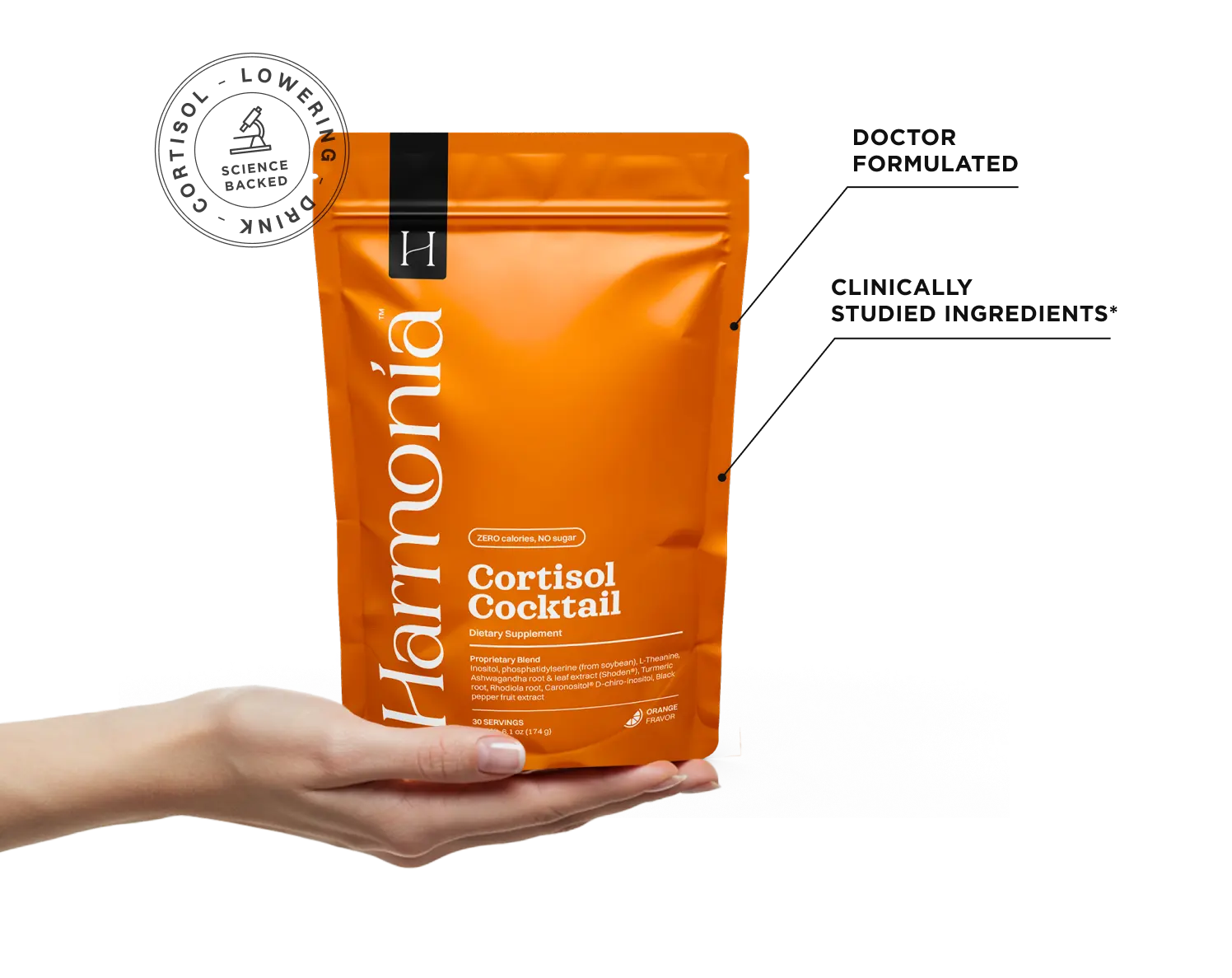
For individuals who struggle with stress-related eating, inconsistent sleep, or feeling “wired but tired,” supporting overall balance can improve consistency. Harmonia contains ingredients studied for promoting calm focus, stress resilience, and restful sleep - factors that indirectly support sustainable exercise habits.
It’s not a replacement for walking or running. It’s a complement to help your routine work better.
Calorie Burn Isn’t Everything
Many people focus exclusively on calories burned during exercise. But here’s what often matters more:
- Total weekly movement
- Muscle mass
- Daily step count
- Nutritional consistency
- Sleep quality
Someone who walks 10,000 steps daily and strength trains twice per week may lose more fat than someone who runs intensely three times per week but remains sedentary otherwise.
The body responds to cumulative behavior - not isolated effort.
Psychological Sustainability
When it comes to long-term weight loss, enjoyment matters more than intensity.
You can follow the most scientifically optimized running program in the world - but if you dread every session, you won’t stick with it. And if you don’t stick with it, results won’t last.
On the other hand, if walking feels relaxing, manageable, and easy to fit into your day, you’re far more likely to stay consistent. That consistency compounds over time.
Sustainable weight loss isn’t built on short bursts of motivation. It’s built on habits. When movement becomes something you identify with - “I’m someone who walks daily” or “I’m someone who trains regularly” - it stops feeling forced.
At that point, exercise is no longer punishment or obligation. It’s part of your routine. And when that shift happens, weight loss often becomes a natural byproduct.
In the long run, consistency beats intensity every time.
Practical Recommendations

Option 1: Walking-Focused Plan
- 8,000–12,000 steps daily
- 2–3 strength sessions weekly
- Gradual step increases over time
Option 2: Running-Focused Plan
- 2–4 runs per week
- 1–2 walking recovery days
- Strength training to prevent muscle loss
Option 3: Hybrid Plan
- Daily walking baseline
- 2 short runs weekly
- 2 strength sessions
All three can work. The right choice depends on recovery capacity and lifestyle.
Final Verdict
Running burns more calories per minute. That’s its primary advantage, especially for people who are short on time and want a higher calorie output in a shorter workout.
Walking, however, is significantly easier to sustain over the long term. It places less stress on the joints, requires minimal recovery, and can be repeated daily without feeling depleted.
Both are effective. The true answer to walking vs running for weight loss is this: the best exercise for weight loss is the one you can repeat week after week without burnout, excessive soreness, or loss of motivation.
If you constantly feel exhausted, inflamed, or sore, reducing intensity may actually accelerate your results by improving recovery and adherence. If your routine feels too easy and you’re no longer challenged, adding intensity strategically can help drive further progress.
Support your movement with proper sleep, nutrition, and stress management. For those who struggle with staying consistent due to tension, poor rest, or fluctuating energy, supporting balance can make a measurable difference.
Harmonia is designed to complement an active lifestyle by supporting calm focus, restorative sleep, and overall metabolic resilience - helping your walking or running routine become something you can sustain long term.
References
- Susiono, R., Sugiyanto, F. X., Lumintuarso, R., & Tomoliyus, T. (2025). Effect of High-Intensity Interval Training and unification training on Aerobic Capacity and Muscle Strength in Intermediate Distance Runners-a systematic review. Retos: nuevas tendencias en educación física, deporte y recreación, (63), 698-712. Link.