
Polycystic Ovary Syndrome (PCOS) is one of the most common hormonal disorders affecting women - yet it remains widely underdiagnosed and misunderstood.
Many women live with PCOS symptoms for years before receiving clarity, often because the signs are subtle, inconsistent, or mistaken for unrelated issues like stress, aging, or lifestyle imbalance.
PCOS is not a single-symptom condition. It affects reproductive hormones, metabolism, stress response, sleep, mood, skin, and long-term health.
For some women, symptoms begin in adolescence. For others, they emerge gradually in adulthood, often intensifying during periods of chronic stress or hormonal transition.
What Is PCOS?
Polycystic Ovary Syndrome is a hormonal and metabolic condition characterized by disrupted communication between the brain, ovaries, and endocrine system.
Despite its name, PCOS is not defined by ovarian cysts alone. In fact, many women with PCOS never develop cysts, while others without PCOS may have them. Diagnosis is typically based on a combination of symptoms and clinical markers, including:
- Irregular or absent ovulation
- Elevated androgen (male hormone) levels
- Signs of insulin resistance
At its core, PCOS involves hormonal imbalance paired with metabolic stress. This explains why symptoms extend far beyond the menstrual cycle and affect nearly every system in the body.
PCOS exists on a spectrum. Two women with the same diagnosis may experience completely different symptoms, severities, and triggers.
The Most Common PCOS Symptoms in Women
These are the symptoms most strongly associated with PCOS and most commonly used in diagnosis.
Irregular or Missing Menstrual Cycles
Menstrual irregularity is one of the earliest and most consistent signs of PCOS. This may include:
- Cycles longer than 35 days
- Fewer than 8 periods per year
- Skipped periods for months at a time
- Unpredictable or prolonged bleeding
These disruptions occur because ovulation does not happen consistently. Without ovulation, progesterone is not produced in sufficient amounts, preventing the normal rise-and-fall hormonal pattern that regulates menstruation.
Excess Androgen Symptoms (High Male Hormones)
Many PCOS symptoms stem from elevated androgens. These hormones can cause:
- Persistent acne, especially along the jawline and chin
- Excess facial or body hair (hirsutism)
- Thinning hair on the scalp or widening of the part
Androgen-related symptoms often progress slowly, which is why they’re sometimes dismissed until they become more pronounced.
Weight Gain or Resistance to Weight Loss

Weight-related PCOS symptoms are not simply about calories. Women may experience:
- Rapid or unexplained weight gain
- Fat accumulation around the abdomen
- Difficulty losing weight despite disciplined diet and exercise
This is strongly linked to insulin resistance, which alters how the body stores fat and uses energy. Even lean women with PCOS may struggle with metabolic inefficiency.
Insulin Resistance & Blood Sugar Dysregulation
Insulin resistance is one of the most overlooked drivers of PCOS symptoms. Common signs include:
- Strong cravings for sugar or refined carbohydrates
- Energy crashes after meals
- Irritability, shakiness, or fatigue when meals are delayed
Over time, insulin resistance worsens androgen excess, disrupts ovulation, and increases the risk of metabolic disease.
Fertility Challenges
PCOS is one of the leading causes of ovulatory infertility. Symptoms may include:
- Irregular or absent ovulation
- Difficulty predicting fertile windows
- Longer time to conception
Importantly, PCOS does not equal infertility. With the right hormonal and metabolic support, many women conceive successfully.

Less Obvious (But Extremely Common) PCOS Symptoms
These symptoms often go unrecognized because they are not traditionally associated with reproductive health.
Chronic Fatigue & Low Energy
PCOS-related fatigue is often deep and persistent. Contributing factors include:
- Blood sugar instability
- Chronic inflammation
- Poor sleep quality
- Elevated cortisol
Many women report feeling exhausted even after adequate sleep, describing a constant sense of depletion.
Mood Changes, Anxiety & Emotional Sensitivity
PCOS significantly affects mental and emotional health. Common experiences include:
- Heightened anxiety
- Mood swings
- Irritability or emotional overwhelm
Hormonal imbalance, insulin resistance, and chronic stress disrupt neurotransmitters that regulate mood, resilience, and emotional regulation.
Poor Sleep Quality
Sleep disturbances are common in PCOS and may include:
- Difficulty falling asleep
- Restless or fragmented sleep
- Waking up feeling unrefreshed
Dysregulated cortisol rhythms and nighttime blood sugar drops often contribute to these patterns.
Brain Fog & Cognitive Fatigue

Cognitive symptoms may include:
- Difficulty focusing
- Slower mental processing
- Forgetfulness
These symptoms are often linked to inflammation, insulin resistance, and chronic stress activation.
PCOS Symptoms Related to Hormonal Imbalance
PCOS affects multiple hormone systems simultaneously.
Estrogen–Progesterone Imbalance
Irregular ovulation leads to chronically low progesterone, which may cause:
- Persistent PMS-like symptoms
- Breast tenderness
- Headaches or migraines
- Irregular or heavy bleeding
Instead of predictable cycles, hormones fluctuate erratically throughout the month.
Elevated Cortisol & Stress Sensitivity
Women with PCOS often have a heightened stress response. Chronically elevated cortisol can:
- Worsen insulin resistance
- Increase abdominal fat storage
- Disrupt sleep
- Intensify cravings and emotional eating
This is why stress management is not optional in PCOS - it is foundational.
PCOS Symptoms That Affect Skin, Hair & Appearance
These symptoms are often the most emotionally distressing.
Hormonal Acne
PCOS-related acne is typically:
- Deep and cystic
- Concentrated along the lower face
- Resistant to topical treatments
It reflects internal androgen imbalance rather than surface skin issues.
Darkened Skin Patches (Acanthosis Nigricans)
Dark, velvety patches may appear on:
- The neck
- Underarms
- Inner thighs
This is a visible marker of insulin resistance and should not be ignored.
Hair Thinning & Shedding
Androgen sensitivity can cause:
- Gradual thinning at the crown
- Increased shedding
- Changes in hair texture
These changes often develop slowly and may go unnoticed initially.
Digestive & Inflammatory Symptoms of PCOS
PCOS affects systemic inflammation and gut health.
Digestive Discomfort & Bloating
Women may experience:
- Chronic bloating
- Constipation or irregular digestion
- Food sensitivities
Hormonal imbalance and inflammation alter gut motility and microbiome balance.
Chronic Inflammation

Low-grade inflammation may present as:
- Puffiness or fluid retention
- Joint discomfort
- Generalized aches
Inflammation reinforces insulin resistance and hormonal disruption, creating a feedback loop.
PCOS Symptoms Across Different Life Stages
PCOS symptoms do not remain static throughout a woman’s life. Hormonal shifts, stress exposure, metabolic changes, and life demands all influence how PCOS presents at different ages.
The table below highlights how symptoms commonly evolve from adolescence through perimenopause, helping clarify why PCOS can feel “different” at each stage.
When PCOS Symptoms Overlap With Other Conditions
One of the reasons PCOS is so frequently misunderstood or diagnosed late is because its symptoms overlap with several other common health conditions.
Fatigue, weight changes, mood disturbances, irregular cycles, and hair or skin issues are not unique to PCOS. Without a comprehensive evaluation, these symptoms may be attributed to another issue - or dismissed altogether.
Understanding where PCOS overlaps with other conditions helps explain why many women feel unheard or confused before receiving clarity.
PCOS and Thyroid Disorders
Thyroid dysfunction, particularly hypothyroidism, shares many symptoms with PCOS, including:
- Fatigue and low energy
- Weight gain or difficulty losing weight
- Irregular menstrual cycles
- Hair thinning and dry skin
- Cold intolerance
Because both conditions affect metabolism and hormone regulation, they can easily be mistaken for one another.
In some cases, women may have both PCOS and thyroid dysfunction simultaneously, which can compound symptoms and slow progress if only one condition is addressed.
Proper thyroid testing is essential when evaluating PCOS-like symptoms.
PCOS and Chronic Stress or Cortisol Dysregulation
Chronic stress can closely mimic - or worsen - PCOS symptoms. Elevated cortisol may cause:
- Irregular or absent periods
- Increased abdominal fat storage
- Blood sugar instability and cravings
- Anxiety, irritability, and poor sleep
- Fatigue paired with feeling “wired but tired”
Because stress hormones directly influence insulin and reproductive hormones, cortisol dysregulation can intensify existing PCOS symptoms or create a PCOS-like presentation even before diagnostic criteria are fully met.
This overlap explains why many women notice their PCOS symptoms worsen during prolonged stress, burnout, or major life transitions.
PCOS and Insulin Resistance Without PCOS
Some women experience insulin resistance without meeting the full diagnostic criteria for PCOS. Symptoms may include:
- Strong sugar or carb cravings
- Energy crashes after meals
- Difficulty losing weight
- Brain fog and fatigue
Because insulin resistance is a key driver of PCOS, these women may experience similar metabolic and hormonal symptoms even if ovarian imaging or androgen levels appear borderline.
This is one reason PCOS exists on a spectrum rather than as a rigid diagnosis.
PCOS and Mood or Anxiety Disorders

Anxiety, low mood, and emotional dysregulation are common in PCOS - but they are often treated as standalone mental health issues. Overlapping symptoms include:
- Chronic anxiety or restlessness
- Irritability and mood swings
- Poor stress tolerance
- Sleep disturbances
Hormonal imbalance, blood sugar instability, and cortisol dysregulation all influence neurotransmitters involved in mood regulation. When these root causes are not considered, emotional symptoms may be treated in isolation rather than as part of a broader hormonal picture.
Managing PCOS Symptoms Holistically
Medical care is essential, but daily habits determine symptom severity.
Nutrition & Blood Sugar Stability
Balanced meals, adequate protein, and consistent eating patterns help reduce insulin spikes and hormonal stress.
Stress Reduction & Cortisol Support
Stress directly worsens PCOS symptoms. Many women incorporate daily routines that support cortisol balance, emotional regulation, and metabolic health.
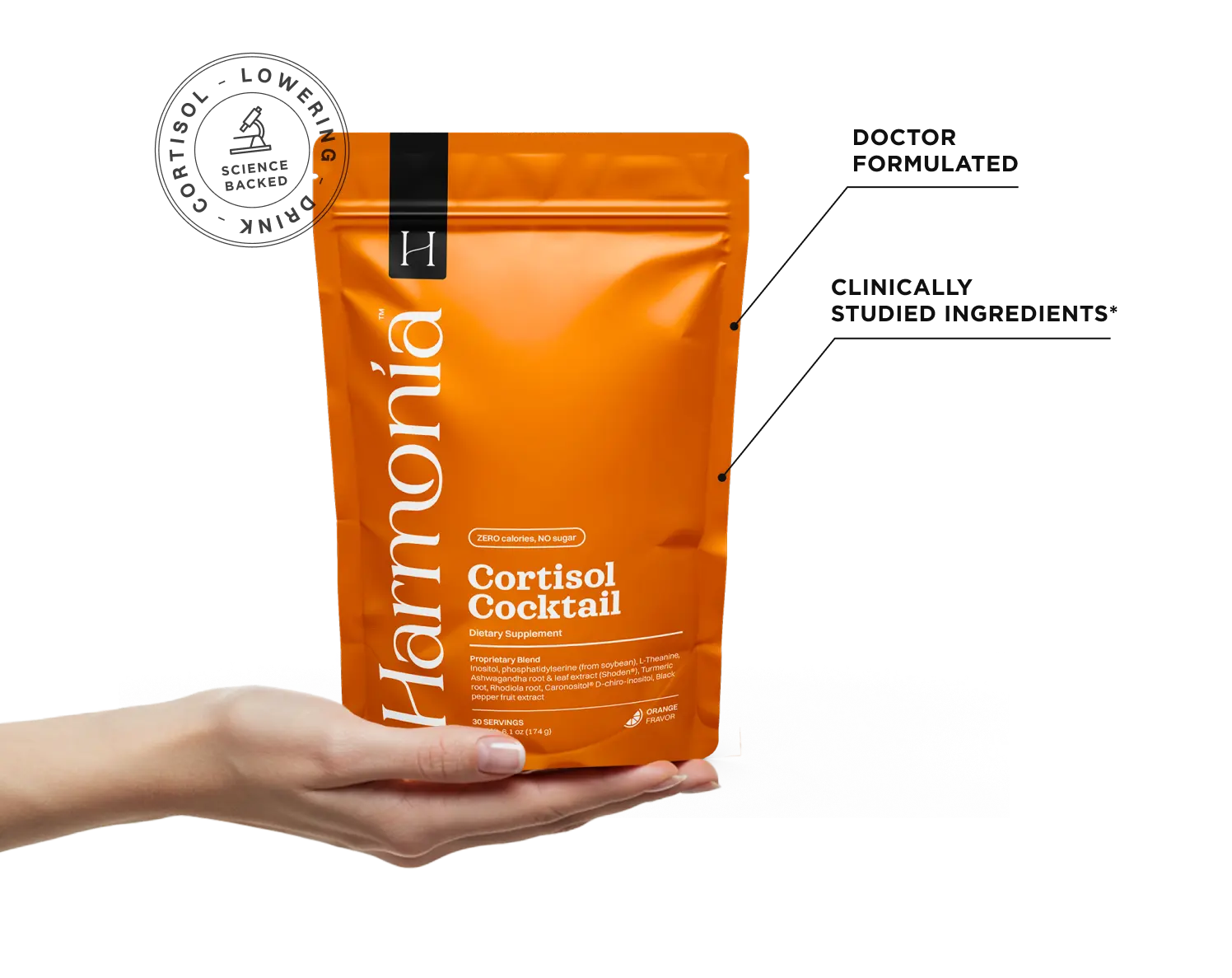
Some choose targeted formulations such as Harmonia as part of a broader lifestyle approach - not as treatment, but as support for stress and hormonal balance.
Sleep & Nervous System Regulation
Consistent sleep schedules and nervous system support can dramatically improve energy, mood, and hormonal stability.
When to Seek Medical Support
While many PCOS symptoms develop gradually, there are clear signs that professional evaluation and guidance are important. You should consult a healthcare provider if you experience:
- Persistent or worsening symptoms: Symptoms such as irregular cycles, acne, hair changes, fatigue, or weight gain that continue despite lifestyle adjustments may indicate underlying hormonal or metabolic imbalance that requires medical assessment.
- Fertility challenges or difficulty ovulating: If you’ve been trying to conceive without success, irregular ovulation or cycle unpredictability should be evaluated early to improve fertility outcomes and avoid unnecessary delays.
- Rapid metabolic or hormonal changes: Sudden weight gain, increasing insulin resistance, or a noticeable escalation in symptoms may signal progression that benefits from timely intervention.
- Prolonged absence of menstrual periods: Missing periods for several months at a time increases the risk of endometrial overgrowth and should always be medically assessed.
- Severe or worsening acne and hair changes: Significant hair thinning, new facial or body hair growth, or treatment-resistant acne can indicate rising androgen levels that warrant evaluation.
- Ongoing fatigue that interferes with daily life; Chronic exhaustion, especially when paired with sleep issues or brain fog, may reflect metabolic stress, inflammation, or cortisol imbalance alongside PCOS.
- Mood changes, anxiety, or emotional distress: Persistent anxiety, mood swings, or depressive symptoms should not be dismissed as “just stress,” especially when they coincide with hormonal symptoms.
- Signs of insulin resistance or blood sugar instability: Frequent cravings, energy crashes, shakiness between meals, or difficulty managing weight may indicate insulin dysregulation that benefits from early management.
Early intervention improves long-term outcomes by helping regulate hormones, protect metabolic health, support fertility, and reduce the risk of future complications. Seeking medical support is not a sign that symptoms are severe - it’s a proactive step toward clarity and balance.
Conclusion
PCOS symptoms are complex, interconnected, and deeply individual - but they are not random. When you understand how hormones, insulin, and stress interact, you gain the ability to make informed, empowering decisions about your health.
If you suspect stress and cortisol imbalance may be contributing to your PCOS symptoms, take the Harmonia quiz to explore personalized insights and discover supportive next steps toward feeling more balanced, energized, and in control again.
References
- Dar, M. A., Maqbool, M., Qadrie, Z., Ara, I., & Qadir, A. (2024). Unraveling PCOS: Exploring its causes and diagnostic challenges. Open Health, 5(1), 20230026. Link.
- Dokras, A., Clifton, S., Futterweit, W., & Wild, R. (2012). Increased prevalence of anxiety symptoms in women with polycystic ovary syndrome: systematic review and meta-analysis. Fertility and sterility, 97(1), 225-230. Link.