Cortisol is often misunderstood. It is not a “bad” hormone - it is a necessary stress hormone that helps regulate energy, blood sugar, inflammation, and survival responses. The problem arises when cortisol stays elevated for too long.
Chronic stress, poor sleep, blood sugar instability, and overstimulation can keep cortisol high, leaving the body stuck in a constant state of alert.
When that happens, people commonly search for how to lower cortisol fast because the symptoms can feel immediate and overwhelming: anxiety, poor sleep, fatigue, brain fog, stubborn weight gain, and emotional reactivity.
The good news is that cortisol responds quickly to the right signals. With the right strategies, it is possible to reduce cortisol both short term and long term without extreme measures.
What Is Cortisol and Why Does It Rise?
Cortisol is produced by the adrenal glands and released in response to perceived stress.
In healthy patterns, cortisol follows a daily rhythm: higher in the morning to help you wake up and focused, then gradually declining throughout the day so the body can relax at night.
Problems arise when cortisol remains elevated beyond what the body needs.
Common Reasons Cortisol Stays High
- Chronic psychological stress (work pressure, emotional strain, unresolved worry)
- Poor sleep or irregular sleep timing
- Skipping meals or extreme dieting
- Blood sugar crashes
- Excess caffeine or stimulants
- Overtraining without recovery
- Hormonal imbalances or metabolic stress
Over time, elevated cortisol disrupts other systems, including insulin sensitivity, sex hormones, thyroid function, digestion, and sleep quality.
Signs Your Cortisol Levels May Be Too High
High cortisol does not feel the same for everyone, but common patterns include:
- Feeling wired but exhausted
- Difficulty falling or staying asleep
- Anxiety, irritability, or emotional sensitivity
- Brain fog or poor concentration
- Increased sugar or carb cravings
- Stubborn belly fat or unexplained weight changes
- Frequent energy crashes
- Feeling overwhelmed by small stressors
These symptoms are signals - not failures. They indicate that the nervous system needs support, not more pressure.
How to Lower Cortisol Fast (Same-Day Strategies)

When cortisol is elevated, the body is operating in a perceived threat state. The nervous system believes it needs to stay alert to protect you - even if there is no immediate danger.
The fastest way to lower cortisol is not to “push through,” but to send clear signals of safety to the brain. These same-day strategies work by calming the nervous system and reducing the body’s need to produce stress hormones.
Slow, Intentional Breathing
Breathing is one of the most effective ways to lower cortisol quickly because it directly communicates with the nervous system. Unlike many stress-management techniques, breathing works within minutes.
- Slow nasal breathing activates the parasympathetic (“rest and recover”) system
- Longer exhales tell the brain that the threat has passed
- Just 3–5 minutes of controlled breathing can begin lowering cortisol levels
When breathing slows, heart rate decreases and stress signaling drops. The brain interprets this pattern as safety, reducing the need to keep cortisol elevated.
This makes breathing an ideal tool during moments of anxiety, overwhelm, or mental fatigue.
Eat to Stabilize Blood Sugar
Cortisol and blood sugar are closely connected. Skipping meals, undereating, or following overly restrictive diets can spike cortisol just as strongly as emotional stress.
To lower cortisol fast through nutrition:
- Eat protein first to slow glucose release
- Include complex carbohydrates to prevent blood sugar crashes
- Avoid long fasting windows during periods of high stress
Stable blood sugar signals to the body that energy is available. When the brain senses reliable fuel, it reduces the need for cortisol-driven glucose release, helping stress hormone levels fall naturally.
Reduce Stimulants Temporarily
Caffeine raises cortisol by design - it stimulates alertness and increases stress hormone output. When cortisol is already high, stimulants can amplify anxiety, irritability, and sleep disruption.
Temporarily reducing:
- Coffee
- Energy drinks
- Pre-workouts
Can help cortisol drop more quickly, especially if symptoms include racing thoughts, restlessness, or poor sleep. }Many people notice rapid improvements in calmness and focus when stimulants are reduced during high-stress periods.
Choose Gentle Movement Over Intensity
Movement is beneficial for stress regulation, but intensity matters when cortisol is elevated.
- Walking, stretching, yoga, or mobility work help lower cortisol
- High-intensity exercise can increase cortisol short term, particularly when sleep-deprived or under-fueled
Gentle movement improves circulation, lowers tension, and reinforces safety signals to the nervous system.
Instead of pushing the body harder, these forms of movement help cortisol settle without adding additional stress.
Each of these actions - breathing, eating, reducing stimulants, and choosing gentle movement - communicates the same message to the body: you are safe.
When the nervous system receives that message consistently, cortisol levels can begin to fall quickly, often within the same day.
These strategies form the foundation for both immediate relief and long-term stress hormone balance.
Ways to Lower Cortisol Naturally (Long Term)

Fast relief is important, but lasting balance comes from consistency. These ways to lower cortisol support the body’s natural rhythm.
Repair Cortisol’s Daily Rhythm
Cortisol responds strongly to timing.
- Wake up at the same time daily
- Get morning light exposure
- Wind down at night without screens or stimulation
This retrains the brain to release cortisol when needed and reduce it when it’s time to rest.
Support the Nervous System Daily
The nervous system thrives on predictability.
Helpful practices include:
- Regular meal times
- Consistent sleep schedules
- Brief relaxation breaks
- Reducing constant notifications and multitasking
These habits tell the body it does not need to stay on high alert.
Reduce Emotional and Mental Load
Mental stress can elevate cortisol even when physical habits are “perfect.”
- Journaling
- Setting boundaries
- Cognitive stress reduction techniques
Can be just as powerful as diet or exercise changes.

Nutrients and Adaptogens That Help Reduce Cortisol
Nutrition plays a direct role in cortisol regulation. Certain nutrients and plant compounds have been studied for their ability to reduce cortisol and improve stress resilience.
Evidence-Based Nutrients
- L-Theanine: Promotes calm by increasing GABA, dopamine, and serotonin
- Ashwagandha: Supports stress resilience and helps lower cortisol output
- Phosphatidylserine: Blunts cortisol spikes during mental or physical stress
- Magnesium: Supports relaxation, sleep quality, and nervous system balance
- Vitamin C: Supports adrenal health and stress recovery
Cortisol is influenced by multiple systems at once: the brain, adrenal glands, blood sugar, and sleep-wake cycles. Supporting just one pathway often isn’t enough.
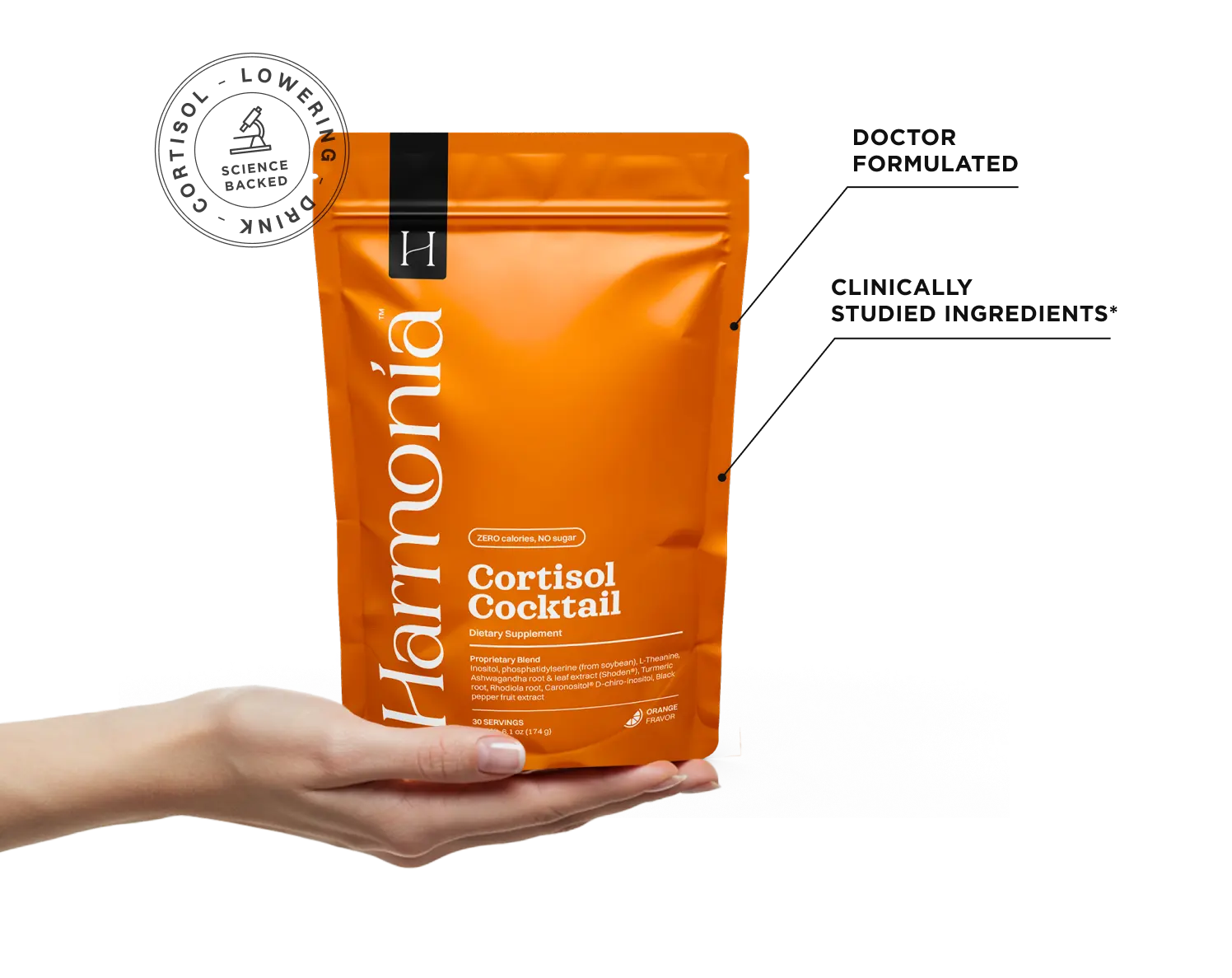
Harmonia includes most of the core nutrients and adaptogens listed above, combining L-Theanine, Ashwagandha, Phosphatidylserine, Magnesium, Vitamin C, and additional supportive compounds into one formula.
Instead of targeting cortisol from only one angle, it supports the nervous system, adrenal function, mood stability, and metabolic balance simultaneously—without stimulants or added sugar.
When used consistently alongside healthy sleep, nutrition, and stress-management habits, a multi-ingredient blend like Harmonia can help reinforce calmer stress responses and more stable energy over time.
Mistakes That Keep Cortisol High (Even With Healthy Habits)
Many people unknowingly sabotage cortisol balance while trying to “do better.” Common mistakes include:
- Extreme calorie restriction
- Overtraining without adequate recovery
- Ignoring sleep timing
- Using caffeine to override fatigue
- Treating cortisol like a weight-loss problem instead of a stress signal
Lowering cortisol requires cooperation with the body, not force.
Who Is Most at Risk for Chronic High Cortisol?

Anyone can experience cortisol dysregulation, but risk increases with:
- High-stress work or caregiving roles
- Chronic anxiety or sleep disruption
- History of dieting or burnout
- Metabolic or hormonal stress
- Long-term stimulant use
Both men and women experience these patterns, and cortisol does not discriminate by gender - it responds to perceived stress.
When to Seek Medical or Professional Support
Lifestyle and nutritional strategies are powerful, but medical guidance is important if symptoms persist.
Consider professional support if:
- Anxiety or fatigue lasts for months
- Sleep disruption becomes chronic
- Weight or hormonal changes are unexplained
- Symptoms worsen despite lifestyle improvements
Ruling out thyroid, adrenal, or metabolic conditions ensures the right approach is taken.
Final Takeaway
Cortisol rises when the body feels under threat - whether that threat is emotional, physical, or metabolic. The fastest way to lower cortisol is not through extremes, but through consistent signals of safety.
Breathing, nourishment, sleep rhythm, gentle movement, and targeted nutritional support all work together to restore balance. When used as part of a daily routine, supportive tools like Harmonia can help reinforce calmer stress responses, better sleep, and steadier energy.
If you suspect high cortisol is affecting your mood, sleep, or overall well-being, take the next step.
Take the Harmonia quiz to identify your stress patterns and discover a personalized approach to cortisol support that works with your body - not against it.
References
- Örün, D., Karaca, S., & Arıkan, Ş. (2022). The effect of breathing exercise on stress hormones. Cyprus Journal of Medical Sciences. Link.
- Randazzo, A. (2022). Stressed Out and Stressed In: Regulating the Stress Response at an Endocrine Level through Dance/Movement Therapy. Link.