The scale creeps up despite your best efforts. Your jeans feel tighter around the waist. Friends suggest it might be your hormones, specifically estrogen. You wonder if starting hormone replacement therapy will make things worse.
Estrogen and weight gain share a complicated relationship that's widely misunderstood. Many women avoid hormone therapy, fearing it will add unwanted pounds. Others blame rising estrogen levels for sudden weight changes. The truth involves more nuance than simple cause and effect.
Understanding does estrogen cause weight gain requires looking at how this hormone influences metabolism, fat distribution, and appetite regulation. The answer challenges common assumptions and reveals why hormone balance matters more than high or low levels alone.
What Is Estrogen?
Estrogen represents a group of hormones including estradiol, estrone, and estriol. Estradiol is the primary and most potent form during reproductive years. Your ovaries produce most of your estrogen, with smaller amounts coming from fat tissue and adrenal glands.
This hormone does far more than regulate menstrual cycles. Estrogen influences bone density, cardiovascular health, brain function, skin quality, and metabolic processes throughout your body.
Estrogen levels fluctuate naturally across your menstrual cycle, peaking mid-cycle before ovulation. They rise dramatically during pregnancy and decline sharply after menopause. These transitions often coincide with noticeable body composition changes.
Does Estrogen Cause Weight Gain?
The short answer surprises most people. A Cochrane Review examining estrogen therapy found no evidence that taking estrogen causes weight gain or increases BMI.
This challenges the widespread belief that estrogen supplementation automatically leads to weight gain. The research shows does taking estrogen make you gain weight isn't supported by clinical evidence when proper dosing is used.
The confusion stems from correlating hormone therapy with life stages when weight naturally increases. Women often start hormone replacement during perimenopause or menopause, times when metabolic changes occur regardless of treatment.
The Real Culprit: Low Estrogen and Weight Gain
Here's the paradox that confuses many women. While taking estrogen doesn't cause weight gain, low estrogen definitely contributes to it. Research shows menopause-related weight gain is largely driven by declining estrogen levels, not just aging.
When estrogen drops during perimenopause and menopause, your body composition shifts dramatically. You gain fat more easily while losing muscle mass. Your metabolism slows, burning fewer calories at rest than before.
Studies confirm that reduced estrogen levels lead to increased fat mass, particularly in the abdominal region. This explains why does lack of estrogen cause weight gain concentrated around the midsection.
The decline triggers multiple metabolic changes working against weight maintenance. Understanding these mechanisms helps explain why hormonal changes during menopause lead to belly fat even in previously lean women.
How Estrogen Affects Weight and Metabolism

A 2023 review found estrogen plays a major role in fat storage, insulin sensitivity, and metabolism. When estrogen levels drop, it leads to fat accumulation and metabolic dysfunction.
Estrogen's Role in Fat Distribution
Estrogen determines where your body stores fat. Higher estrogen levels during reproductive years encourage fat storage in hips, thighs, and breasts. This subcutaneous fat carries lower health risks than visceral fat.
When estrogen declines, fat distribution shifts from peripheral areas to your abdomen. Visceral fat accumulates around internal organs, increasing risks for metabolic syndrome, diabetes, and cardiovascular disease.
This explains can low estrogen cause weight gain in specific areas rather than overall. Many women maintain similar weight but notice dramatic changes in body shape and fat location.
Impact on Insulin Sensitivity
Estrogen improves how your cells respond to insulin. It helps regulate blood sugar by enhancing glucose uptake into muscles and liver. When estrogen drops, insulin sensitivity decreases.
Your body requires more insulin to achieve the same glucose control. Over time, this can progress to insulin resistance where cells stop responding effectively to insulin signals. High insulin levels promote fat storage, particularly around your midsection.
The connection between how estrogen and cortisol work together to affect weight and metabolism becomes crucial here. These hormones interact in complex ways that influence your metabolic health.
Metabolic Rate Changes
Estrogen supports healthy metabolic rate, the calories your body burns at rest. When levels decline, your basal metabolic rate decreases by approximately 100 to 200 calories daily.
This might not sound dramatic, but over months and years, burning fewer calories daily leads to gradual weight accumulation. You must eat less or move more just to maintain your current weight.
Many women describe eating the same diet and maintaining similar activity levels yet gaining weight. The metabolic shift from declining estrogen explains this frustrating phenomenon.

Appetite and Food Cravings
Estrogen influences appetite regulation through effects on leptin and ghrelin, hormones controlling hunger and satiety. When estrogen drops, leptin resistance can develop. Your brain stops receiving accurate signals about energy stores.
You feel hungrier despite adequate calorie intake. Cravings intensify, particularly for carbohydrates and comfort foods. These changes make maintaining a balanced diet more challenging during hormonal transitions.
Does Estradiol Cause Weight Gain?
Estradiol, the primary form of estrogen, doesn't directly cause weight gain when used therapeutically. The question does estradiol cause weight gain or can estradiol cause weight gain arises because women often begin supplementation when estrogen levels are already declining.
Bioidentical estradiol, when properly dosed, helps restore metabolic function rather than disrupting it. Many women actually find weight management easier with appropriate hormone replacement.
The key involves using the right dose, delivery method, and timing. Transdermal patches or creams often produce more stable blood levels than oral medications. Working with knowledgeable healthcare providers ensures optimal dosing.
Estrogen Dominance vs. Estrogen Deficiency
Both too much and too little estrogen can affect weight, but through different mechanisms. Understanding the distinction helps clarify conflicting information about estrogen and weight.
Estrogen Dominance
This occurs when estrogen levels are high relative to progesterone, even if absolute estrogen isn't elevated. Common causes include chronic stress, environmental estrogen exposure, and poor liver detoxification.
Symptoms include water retention, breast tenderness, mood swings, and stubborn fat gain particularly in hips and thighs. The weight gain tends to be more generalized rather than concentrated abdominally.
Estrogen Deficiency
Low estrogen produces different patterns. Weight gain concentrates around the midsection. Hot flashes, night sweats, vaginal dryness, and bone loss accompany the metabolic changes.
Does taking estrogen cause weight gain becomes relevant here. Replacing deficient estrogen often helps restore metabolic balance rather than causing additional gain.
What to Do About Estrogen-Related Weight Gain

Addressing weight changes requires understanding your individual hormonal status. Testing helps determine whether you're dealing with low estrogen, estrogen dominance, or another imbalance entirely.
Hormone Testing and Evaluation
Comprehensive testing provides clarity about your estrogen levels and how they relate to other hormones. Saliva, blood, or urine tests can measure estradiol, progesterone, testosterone, and cortisol.
Discuss results with healthcare providers who understand hormone interactions. They can determine whether hormone replacement therapy makes sense for your situation.
Support Healthy Estrogen Metabolism
Your liver processes and eliminates excess estrogen. Supporting liver function helps maintain healthy estrogen balance. Include cruciferous vegetables like broccoli, cauliflower, and Brussels sprouts. These contain compounds that support estrogen metabolism.
Reduce alcohol consumption, which impairs liver function. Stay well-hydrated. Consider supplements like DIM or calcium D-glucarate that support healthy estrogen clearance.
Balance Blood Sugar
Stable blood sugar prevents the insulin spikes that worsen estrogen-related weight gain. Eat balanced meals combining protein, healthy fats, and fiber-rich carbohydrates. Avoid refined sugars and processed foods.
Regular meal timing helps maintain steady glucose levels. Don't skip meals or go too long between eating. Both create blood sugar swings that stress your metabolic system.
Manage Stress and Cortisol
High cortisol worsens estrogen imbalance and promotes abdominal fat storage. The interaction between these hormones significantly impacts weight. Daily stress management becomes essential rather than optional.
Effective practices include meditation, yoga, deep breathing, adequate sleep, and time in nature. Even brief periods of intentional relaxation create measurable cortisol reductions.
Consider Comprehensive Support
.webp)
Natural ways to support hormone balance and reduce stress-related weight gain often work synergistically with other lifestyle changes.
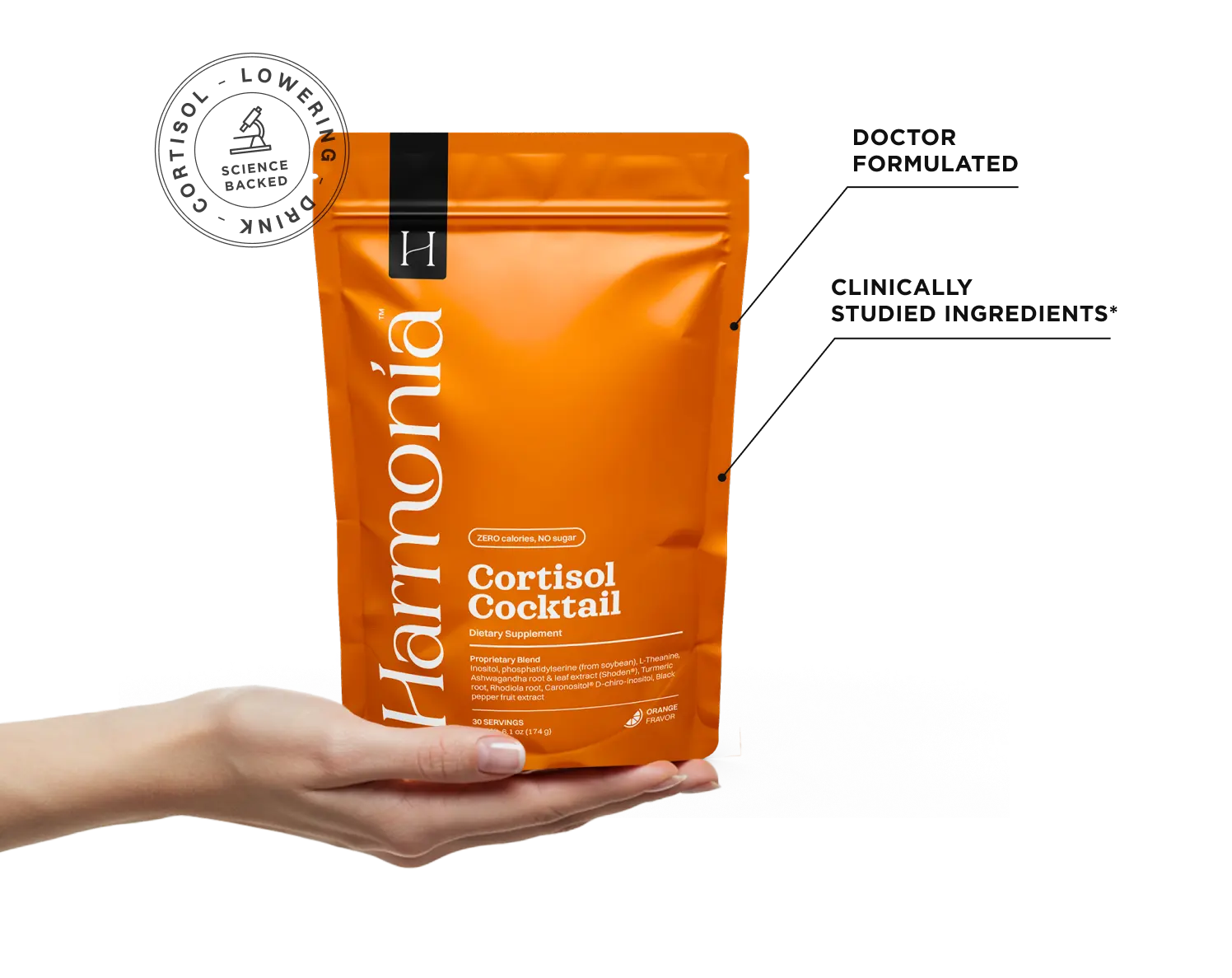
Harmonia is formulated to address hormonal imbalance by targeting cortisol regulation, a key factor affecting estrogen balance and metabolism. The blend includes adaptogens like ashwagandha and rhodiola that help your body manage stress more effectively.
Myo-inositol and D-chiro inositol support insulin sensitivity, addressing one pathway through which low estrogen contributes to weight gain. Magnesium and vitamin D support overall hormonal health and metabolic function.
By targeting stress-related pathways that interact with estrogen metabolism, Harmonia helps support women experiencing weight changes during hormonal transitions. When cortisol stabilizes and insulin sensitivity improves, many women find weight management becomes easier.
Supporting hormone balance requires consistency over time. A daily routine combining targeted supplementation with stress management, quality sleep, and balanced nutrition produces the best results.
Ready to support your hormonal health? Take the Harmonia quiz to discover if this formula fits your needs.
Prioritize Strength Training
Muscle mass naturally declines with age and estrogen loss. Building and maintaining muscle becomes crucial for metabolic health. Strength training 2 to 3 times weekly helps preserve lean tissue.
More muscle mass means higher metabolic rate even at rest. You burn more calories throughout the day. Resistance exercise also improves insulin sensitivity independent of weight loss.
Optimize Sleep Quality
Poor sleep disrupts all hormones, including estrogen. Aim for 7 to 9 hours nightly in a completely dark, cool room. Establish consistent sleep and wake times.
During menopause, night sweats and hot flashes often disrupt sleep. Address these symptoms to improve rest quality. Better sleep supports healthier estrogen metabolism and weight management.
When to Seek Medical Guidance
Consult healthcare providers if you experience sudden unexplained weight gain, particularly if accompanied by other symptoms like irregular periods, severe mood changes, or physical signs of hormone imbalance.
Certain conditions require medical treatment. Thyroid disorders, PCOS, and other endocrine issues can mimic or exacerbate estrogen-related weight changes. Proper diagnosis ensures appropriate treatment.
Discuss hormone replacement therapy if menopausal symptoms significantly impact your quality of life. The decision involves weighing individual benefits and risks with knowledgeable providers.
Conclusion
Does estrogen cause weight gain? The answer is more nuanced than yes or no. Taking estrogen through hormone replacement doesn't cause weight gain according to research. However, low estrogen definitely contributes to metabolic changes, fat redistribution, and weight accumulation.
Understanding estrogen's role in metabolism, insulin sensitivity, and fat distribution helps explain weight changes during hormonal transitions. The hormone doesn't act in isolation but interacts with cortisol, insulin, thyroid hormones, and other factors.
Supporting healthy hormone balance through stress management, proper nutrition, regular exercise, quality sleep, and targeted supplementation offers the most effective approach. Address the root causes rather than simply restricting calories.
Your hormonal health deserves attention and support, particularly during major transitions. Small, consistent actions compound into significant improvements over time.
FAQs About Estrogen and Weight Gain
Does estrogen cause weight gain?
Research shows that taking estrogen through hormone replacement therapy does not cause weight gain. However, low estrogen levels contribute significantly to weight gain, particularly around the midsection. The confusion arises because women often start hormone therapy during life stages when metabolic changes naturally occur.
Can low estrogen cause weight gain?
Yes, can low estrogen cause weight gain is well-established in research. Declining estrogen levels during perimenopause and menopause lead to increased fat mass, especially visceral abdominal fat. Low estrogen also reduces metabolic rate, decreases insulin sensitivity, and shifts fat storage patterns.
Does taking estrogen make you gain weight?
No, clinical studies demonstrate that does taking estrogen make you gain weight is not supported by evidence. A comprehensive Cochrane Review found no link between estrogen therapy and weight gain or BMI increases when properly dosed. Many women actually find weight management easier with appropriate hormone replacement.
Why does estrogen make you gain weight during menopause?
It's actually the lack of estrogen that contributes to menopausal weight gain. When estrogen drops, your metabolism slows, insulin sensitivity decreases, and fat storage shifts to your abdomen. The hormone's absence disrupts multiple metabolic processes that previously supported healthy weight maintenance.
Does estradiol cause weight gain?
No, bioidentical estradiol doesn't directly cause weight gain. When properly dosed, it helps restore metabolic function disrupted by declining estrogen. Weight management often improves with appropriate replacement therapy rather than worsening.
What can I do about estrogen-related weight gain?
Address estrogen-related weight gain through comprehensive approaches including hormone testing, supporting healthy estrogen metabolism with cruciferous vegetables, balancing blood sugar, managing stress and cortisol, prioritizing strength training, optimizing sleep, and considering targeted nutritional support. Consistency with these strategies produces the best results.