Cortisol, your body's primary stress hormone, plays a crucial role in how you respond to daily challenges. In healthy amounts, it helps you wake up energized and handle pressure effectively. Problems arise when cortisol stays elevated for weeks or months without relief.
Research shows cortisol levels can rise to 9 times higher during stressful periods compared to relaxed states. This dramatic increase explains why chronic stress creates such profound physical and emotional symptoms.
Understanding symptoms of high cortisol in females helps you recognize when your stress response has shifted from helpful to harmful. Your body deserves support before small imbalances become serious health concerns.
What Is Cortisol?
Cortisol is a steroid hormone produced by your adrenal glands. Often called the "stress hormone," it serves essential functions throughout your body, from regulating metabolism to controlling inflammation.
Your cortisol naturally follows a daily rhythm. Levels peak within 30 minutes of waking to energize you for the day ahead. They gradually decline throughout the afternoon and evening, reaching their lowest point around midnight to support deep sleep.
This pattern works beautifully when stress remains temporary. Your body mobilizes resources to handle challenges, then returns to baseline once the stressor passes.
Chronic stress disrupts this natural cycle. When demands feel relentless, cortisol stays elevated around the clock. This persistent activation creates the widespread symptoms women experience but often struggle to explain.
What Causes High Cortisol in Women?
Multiple factors can elevate cortisol beyond healthy ranges. Understanding these triggers helps you identify what might be affecting your own levels.
Common causes include:
- Chronic work stress and burnout
- Relationship difficulties and family pressures
- Financial worries and insecurity
- Poor sleep quality or insufficient sleep duration
- Intense or excessive exercise without adequate recovery
- Chronic inflammation from diet or underlying conditions
- Certain medications including corticosteroids
- Cushing's syndrome or other medical conditions
A 2025 study of postpartum women found that 26.2% had elevated cortisol levels. High cortisol in this population was linked to depression, diabetes risk, and low physical activity.
Women face unique cortisol challenges during hormonal transitions. Menstrual cycles, pregnancy, postpartum periods, and menopause all influence how your body produces and metabolizes stress hormones.
10 Symptoms of High Cortisol in Females
Recognizing high cortisol symptoms early allows you to address imbalances before they escalate. These signs often develop gradually, making them easy to dismiss or attribute to other causes.
1. Unexplained Weight Gain, Especially Around the Midsection
Elevated cortisol fundamentally changes how your body stores fat. Research shows high cortisol in women is associated with increased fat storage, higher hunger levels, and insulin resistance.
You might notice your waistline expanding despite eating similarly to before. Fat accumulates around your abdomen, creating the characteristic "stress belly" appearance. This visceral fat poses greater health risks than fat stored in other areas.
High cortisol also increases cravings for sugar and refined carbohydrates. These foods provide quick energy your body thinks it needs for handling perceived threats. The cycle perpetuates itself as blood sugar swings trigger more cortisol release.
2. Chronic Fatigue and Energy Crashes
Paradoxically, elevated cortisol often manifests as exhaustion rather than sustained energy. When cortisol remains high continuously, your adrenal glands become overtaxed. You feel wired but tired, unable to relax yet lacking genuine vitality.
Many women describe needing coffee just to function in the morning. Energy crashes hit hard in the afternoon, making concentration nearly impossible. Evening brings a second wind that interferes with falling asleep at a reasonable hour.
This disrupted energy pattern reflects cortisol rhythm dysfunction. Your body loses its natural peaks and valleys, leaving you feeling perpetually drained.
3. Sleep Disturbances and Insomnia
Quality sleep becomes elusive when cortisol stays elevated. You might struggle to fall asleep despite feeling exhausted. Racing thoughts keep your mind active when your body desperately needs rest.
Many women wake repeatedly throughout the night, particularly between 2 and 4 AM. These awakenings often coincide with cortisol spikes that shouldn't occur during sleep hours.
Morning arrives before you've had restorative rest. You wake feeling unrefreshed, already anxious about facing another demanding day. Poor sleep further elevates cortisol, creating a self-perpetuating cycle.
4. Anxiety, Irritability, and Mood Swings

High cortisol keeps your nervous system in a heightened state of alert. Small irritations feel overwhelming. You snap at loved ones over minor issues, then feel guilty afterward.
Anxiety manifests both mentally and physically. Your mind races with worried thoughts about everything that could go wrong. Your body responds with tension, rapid heartbeat, and shallow breathing.
Mood swings become unpredictable. One moment you feel relatively okay, the next you're fighting back tears or feeling inexplicably angry. These emotional fluctuations strain relationships and make daily life feel unstable.
5. Weakened Immune Function and Frequent Illness
Cortisol suppresses immune system activity when elevated chronically. This makes perfect sense from an evolutionary perspective. Your body prioritizes immediate survival over long-term health maintenance during perceived emergencies.
You catch every cold circulating at work. Minor infections linger longer than they should. Wounds heal slowly. Chronic inflammation worsens as your immune system struggles to maintain balance.
Women with persistently high cortisol often notice they get sick more frequently than friends or family members. Their bodies lack the resources needed for robust immune defense.
6. Irregular Menstrual Cycles
Chronic stress and elevated cortisol are linked to irregular menstrual cycles and fertility problems. Women with higher stress levels experience more pronounced hormonal imbalances.
Your period might arrive early or late without predictable patterns. Flow becomes heavier or lighter than usual. Some months you might skip periods entirely. PMS symptoms intensify, with worse cramping, bloating, and mood changes.
High cortisol disrupts the delicate balance between estrogen, progesterone, and other reproductive hormones. Your body deprioritizes reproduction when it perceives you're under threat, leading to cycle irregularities.
7. High Blood Pressure
Cortisol increases blood pressure by constricting blood vessels and increasing fluid retention. Over time, this puts excessive strain on your cardiovascular system.
You might notice readings creeping higher at doctor visits. Some women experience pounding headaches or feel their heart racing without physical exertion. These signs of high cortisol in women shouldn't be ignored, as they increase risk for serious cardiovascular events.

8. Digestive Problems
Your gut and stress response are intimately connected. High cortisol slows digestion, alters gut bacteria composition, and increases intestinal permeability.
Common digestive symptoms include:
- Bloating and gas after meals
- Alternating constipation and diarrhea
- Stomach pain or cramping
- Nausea, especially in the morning
- Food sensitivities that weren't problematic before
Many women develop irritable bowel syndrome or experience worsening symptoms of existing digestive conditions. The gut-brain axis ensures that mental stress manifests physically in your digestive system.
9. Brain Fog and Memory Problems
Elevated cortisol impairs cognitive function, particularly in areas involving memory and concentration. You walk into rooms and forget why you went there. Simple tasks require more mental effort than they used to.
Words escape you mid-sentence. You read the same paragraph three times without retaining information. Decision-making feels overwhelming even for minor choices.
This cognitive decline creates additional stress as you worry about your mental sharpness. The fear of forgetting something important adds another layer of anxiety to already high stress levels.
10. Skin Changes and Increased Bruising
High cortisol breaks down collagen and thins your skin over time. You might notice increased bruising from minor bumps that wouldn't have left marks before. Skin appears more fragile and takes longer to heal from cuts or scrapes.
Acne often worsens with elevated cortisol, particularly around your jawline and chin. Redness and inflammation become more pronounced. Some women develop a characteristic round, flushed face associated with excess cortisol.
What to Do About High Cortisol

Recognizing symptoms of high cortisol in females is just the first step. Taking action to restore balance prevents minor imbalances from becoming serious health problems.
Stress Management Techniques
Addressing the root cause means reducing your stress load. While you can't eliminate all stressors, you can change how you respond to them.
Effective practices include:
- Daily meditation or deep breathing exercises
- Regular gentle movement like walking or yoga
- Time in nature to calm your nervous system
- Journaling to process emotions
- Setting boundaries to protect your energy
- Saying no to non-essential commitments
Even 10 minutes daily of intentional stress reduction creates measurable changes in cortisol patterns over time.
Prioritize Quality Sleep
Sleep and cortisol exist in a bidirectional relationship. Poor sleep elevates cortisol, and high cortisol disrupts sleep. Breaking this cycle requires prioritizing rest as non-negotiable.
Create an environment conducive to deep sleep. Keep your bedroom completely dark, cool, and quiet. Establish consistent sleep and wake times, even on weekends. Avoid screens for at least one hour before bed, as blue light suppresses melatonin production.
Consider natural ways to lower cortisol levels through evening routines that signal your body to wind down. Herbal teas, magnesium supplementation, and gentle stretching all support better sleep quality.
Balance Blood Sugar
Stable blood sugar prevents the glucose swings that trigger cortisol release. Eat balanced meals combining protein, healthy fats, and fiber-rich carbohydrates. Avoid skipping meals or going too long between eating.
Reduce refined sugars and processed foods that cause rapid blood sugar spikes followed by crashes. These fluctuations signal danger to your body, prompting stress hormone release.
Support with Targeted Nutrition
Certain nutrients specifically support healthy cortisol regulation. Magnesium calms the nervous system and improves stress resilience. Omega-3 fatty acids reduce inflammation that worsens stress response. B vitamins support adrenal function and energy production.
Adaptogenic herbs like ashwagandha and rhodiola help your body adapt to stress more effectively. Research shows these compounds can significantly reduce cortisol levels while improving overall stress management.
Consider Comprehensive Formulas
.webp)
Managing multiple supplements separately can feel overwhelming when you're already stressed. Comprehensive formulas designed specifically for cortisol support simplify the process.
A cortisol cocktail and how it helps balance stress hormones combines adaptogenic herbs, essential minerals, and supportive vitamins in proper ratios. This synergistic approach often produces better results than individual ingredients alone.
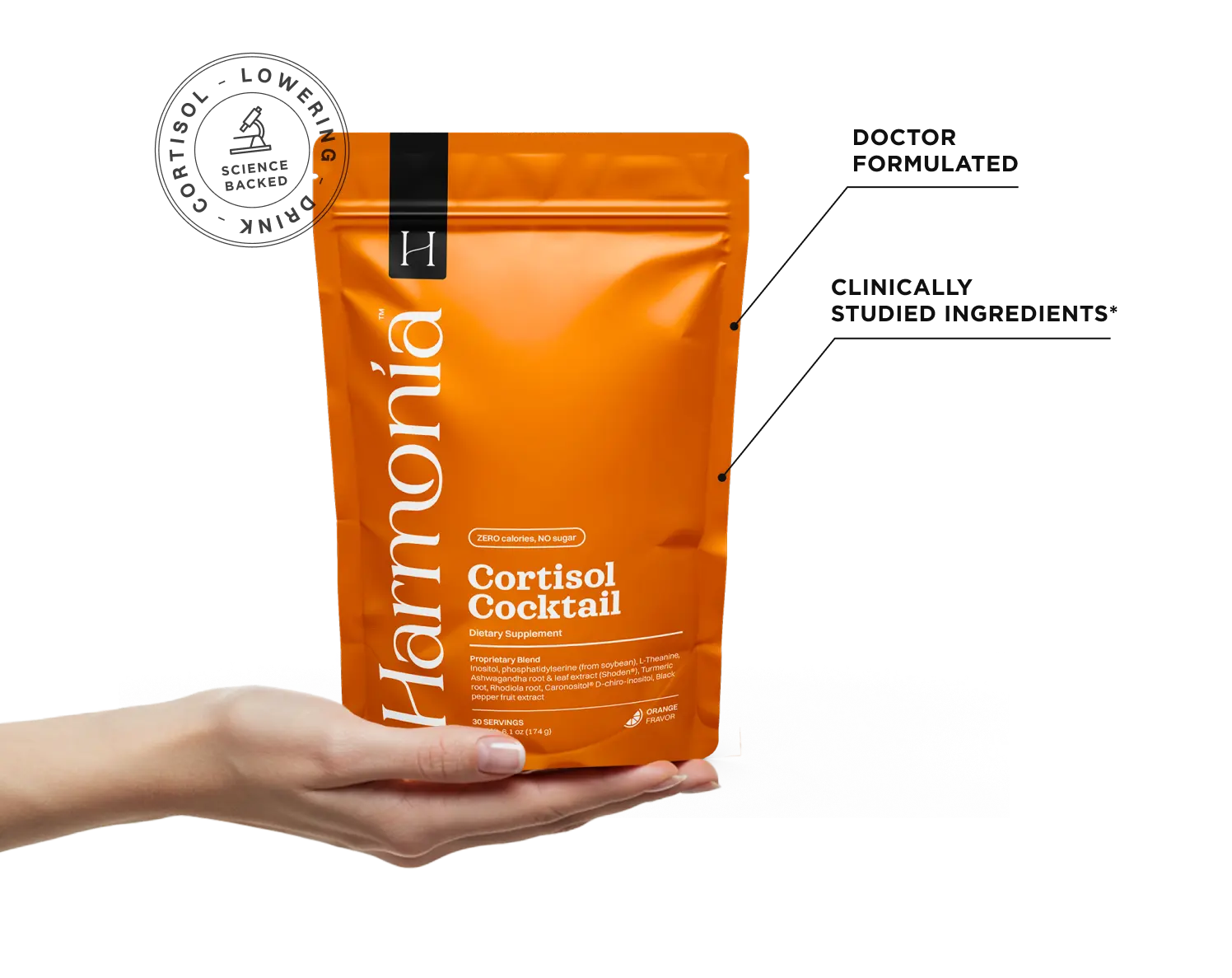
Harmonia is formulated to address elevated cortisol through evidence-backed ingredients. The blend includes ashwagandha to reduce cortisol by up to 32%, rhodiola for stress resilience, and inositol for metabolic support. Magnesium, vitamin D, and L-theanine work together to calm your nervous system and improve sleep quality.
By targeting stress-related pathways, Harmonia helps support women experiencing symptoms linked to high cortisol. When stress hormones stabilize, many women notice improvements in energy, sleep, mood, and cycle regularity within 6 to 8 weeks.
Supporting cortisol balance requires consistency. A daily routine that includes targeted supplementation, stress management, and adequate sleep can gradually restore your body's natural rhythm.
Ready to take control of your stress response? Take the Harmonia quiz to discover if this formula fits your needs.
When to Seek Medical Evaluation
While lifestyle changes and targeted support help many women, certain situations require professional medical assessment. Seek evaluation if you experience:
- Sudden, unexplained weight gain of 20+ pounds
- Purple stretch marks on your abdomen or thighs
- Severe muscle weakness affecting daily activities
- Bone fractures from minimal trauma
- Persistent high blood pressure despite lifestyle changes
- Severe mood changes or depression
- Round, flushed face with increased facial hair
These signs of high cortisol may indicate Cushing's syndrome or other medical conditions requiring specific treatment. Blood tests, saliva tests, or 24-hour urine collection can measure your cortisol levels accurately.
Work with healthcare providers who understand the connection between stress, hormones, and overall health. Integrative approaches combining lifestyle modification with medical care often produce the best outcomes.
Conclusion
Understanding symptoms of high cortisol in females empowers you to recognize when stress has shifted from manageable to problematic. From unexplained weight gain and chronic fatigue to irregular cycles and sleep disturbances, these signs deserve attention rather than dismissal.
Your body communicates through symptoms, asking for support before minor imbalances become serious health conditions. Addressing elevated cortisol through stress management, quality sleep, balanced nutrition, and targeted supplementation can restore your natural rhythm.
Harmonia is formulated specifically to support women experiencing symptoms of high cortisol. The blend combines ashwagandha, rhodiola, L-theanine, magnesium, and inositol to address stress-related pathways comprehensively. When cortisol levels stabilize through consistent support, many women notice improvements in energy, sleep, mood, and cycle regularity within 6 to 8 weeks.
The path to hormonal balance starts with recognizing the problem and taking small, consistent actions toward solutions. You don't have to accept exhaustion, anxiety, and physical symptoms as your new normal.
FAQs About High Cortisol in Females
What is a normal cortisol level for a woman?
Normal cortisol levels vary throughout the day. Morning levels typically range from 10 to 20 mcg/dL, declining to 3 to 10 mcg/dL by evening. Saliva testing shows healthy morning cortisol between 3.7 to 9.5 ng/mL. Levels consistently outside these ranges may indicate imbalance.
What are the main symptoms of high cortisol in females?
The most common symptoms of high cortisol in females include unexplained weight gain around the midsection, chronic fatigue despite adequate sleep, anxiety and mood swings, sleep disturbances, irregular menstrual cycles, weakened immune function, high blood pressure, digestive problems, brain fog, and skin changes.
Can high cortisol cause weight gain?
Yes, elevated cortisol significantly contributes to weight gain, particularly around the abdomen. High cortisol increases fat storage, elevates hunger levels, creates insulin resistance, and triggers cravings for sugar and refined carbohydrates. This makes weight management extremely difficult despite healthy eating efforts.
How can I lower my cortisol levels naturally?
Natural approaches include daily stress management practices, prioritizing 7 to 9 hours of quality sleep, balancing blood sugar through proper nutrition, regular gentle exercise, adaptogenic herbs like ashwagandha, magnesium supplementation, and comprehensive formulas designed for cortisol support. Consistency with these strategies produces the best results.
What is the treatment for high cortisol levels in females?
Treatment for high cortisol levels in females depends on the cause. Lifestyle modifications including stress reduction, sleep optimization, and targeted nutrition form the foundation. Adaptogenic supplements and comprehensive formulas support healthy cortisol regulation. Medical conditions like Cushing's syndrome require specific medical treatment determined by healthcare providers.
How long does it take to lower cortisol levels?
Most women notice initial improvements in sleep and mood within 2 to 4 weeks of implementing stress management and targeted support. Full cortisol rhythm restoration typically takes 6 to 12 weeks of consistent effort. Patience and consistency are essential for lasting results.